Quote:
All are fakes....
I agree - so let's offer some reasoning as to what makes one think so.
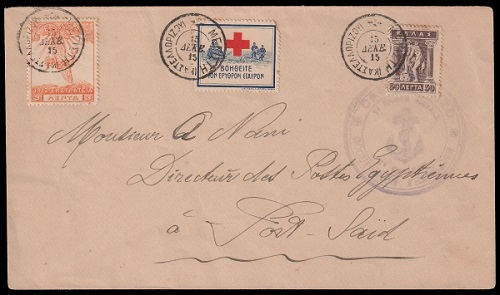
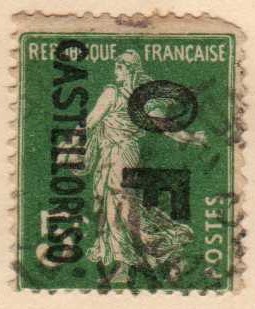
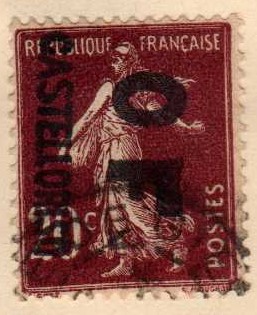
This presentation show the 25c from the OP (with question marks) between two different expert certified copies at left and right.
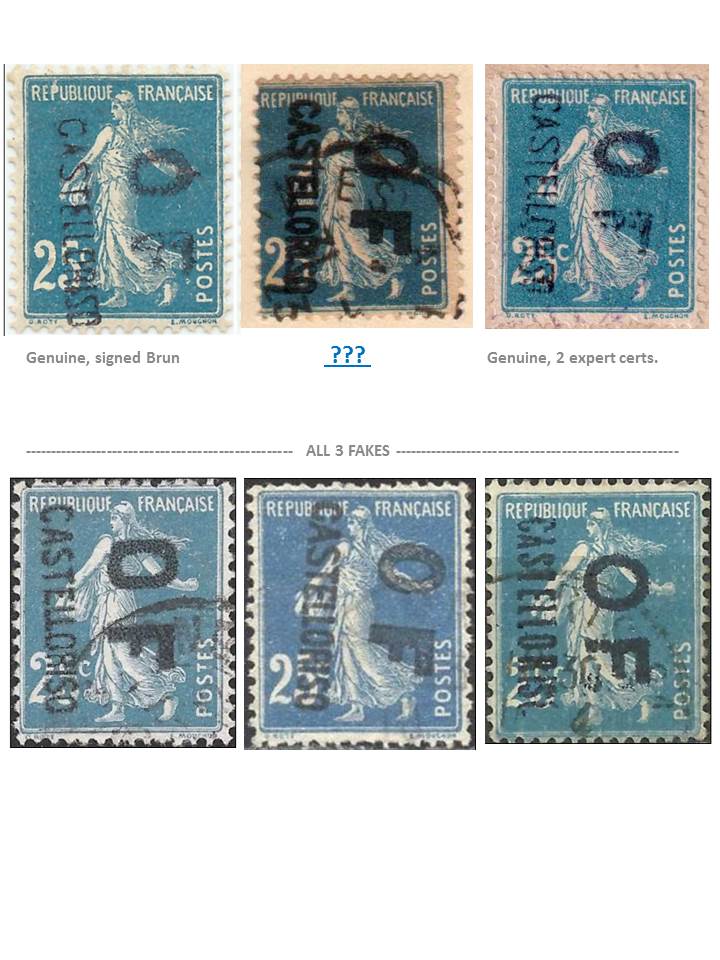
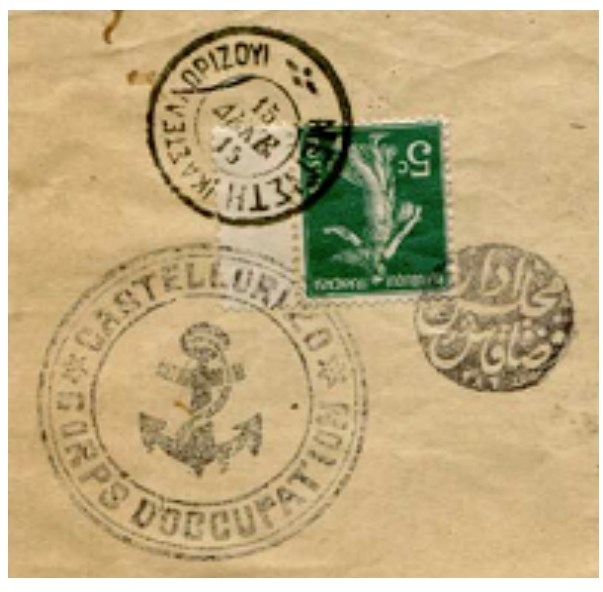
The certified overprints/handstamps are both undefined/fuzzy and done with seemingly oily/patchy ink, letters in 'Castelloriso' are thin and fragile.
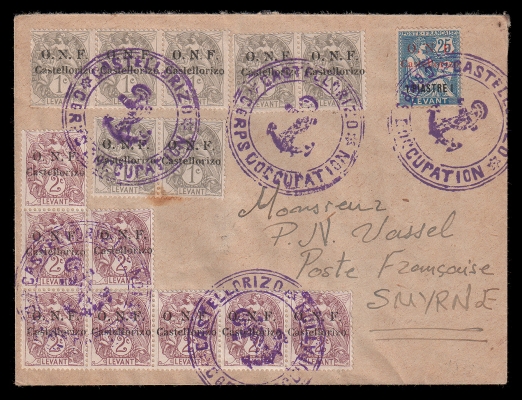
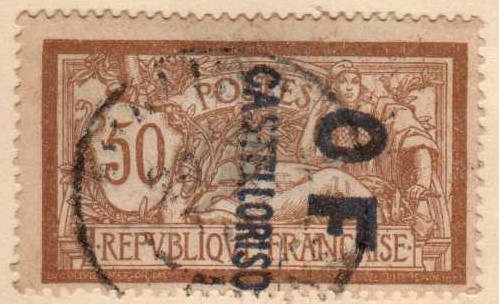
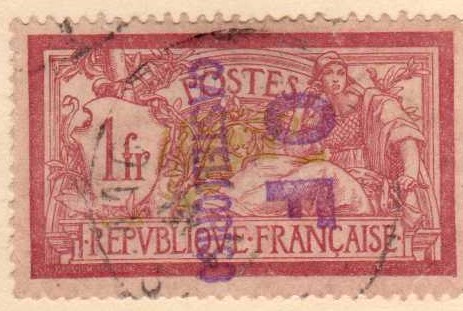
The 3 copies at the bottom are all fake/forged handstamps - all have both more defined letters, bolder letters and done with a better quality ink without the oily patches. It seems the stamp in question has similar characteristics as well.
There are also minute differences in the overprint itself - example given the distance between the bottom part of the 'C' and the left leg of the 'A'. The certified copies both show some space in between 'C' and 'A', the stamp in question from the original thread has those letters almost connected.
Another clue for eliminating obvious forgeries is to look at the original 'Sower' stamps. For the 25c, the genuine overprints were only done on this stamp in Type IA. Any overprint on other type of the Sower are forgeries. Here is how to identify the different types:

Below are zoomed crop outs from the 2 genuine and from the stamp in the OP (in middle), compared to the illustrations for type-identification.
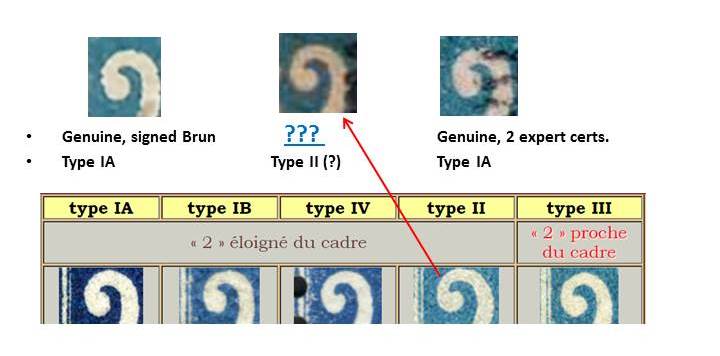
It seems to me the top curl of the figure '2' corresponds to Type II for the stamp in question.
The end pearl is not eliptic vertically as for Type IA - it is more rounded or eliptic horizointal as for Type II - and the blue scroll has its end pointing slightly downwards and not upwards.
I think the community favors if we share viewpoints and experience by also backing those viewpoint up with illustrations and facts etc.
Some relevant resources:
https://semeuse25cbleu.net/usages-h...astellorizo/https://semeuse25cbleu.net/2014/12/...rges-encore/http://www.semeuse.com/140_recon_type.html@leejb1 - I still think you did a fine purchase - I would have them in my collection as 'spacefillers' any day





 Posted 11/02/2017 12:47 am




 .
.