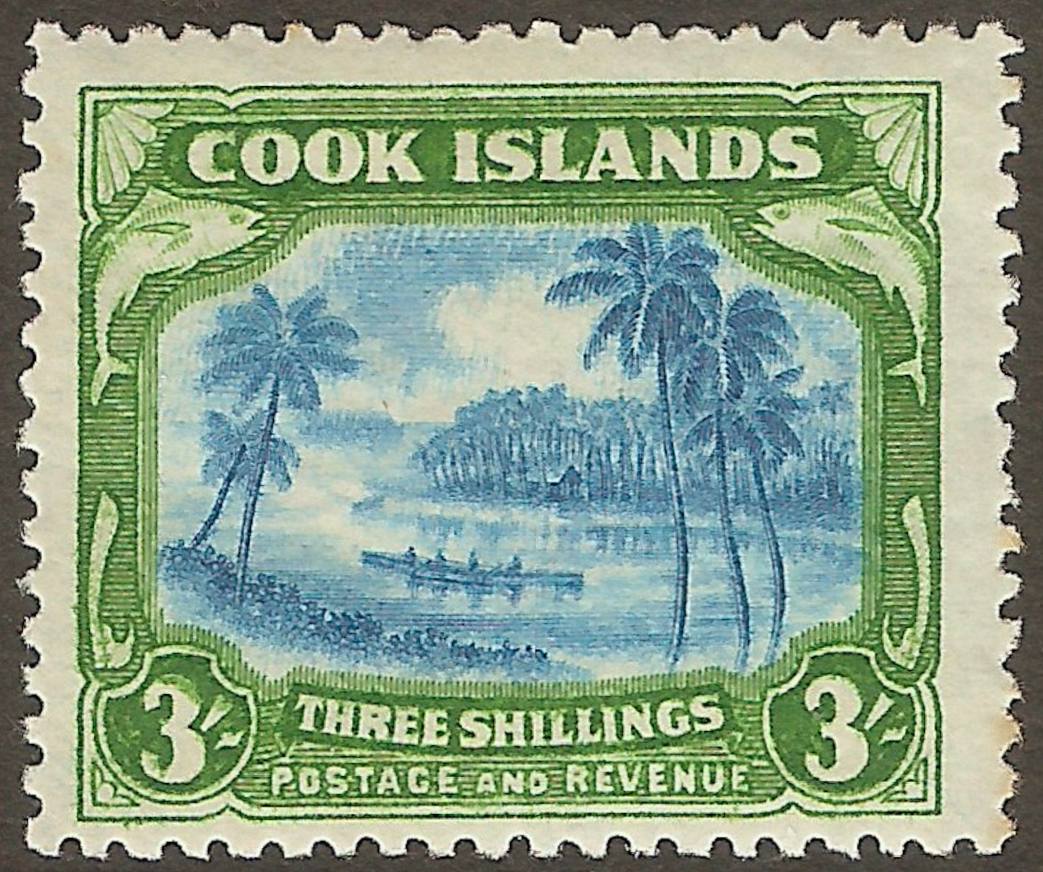
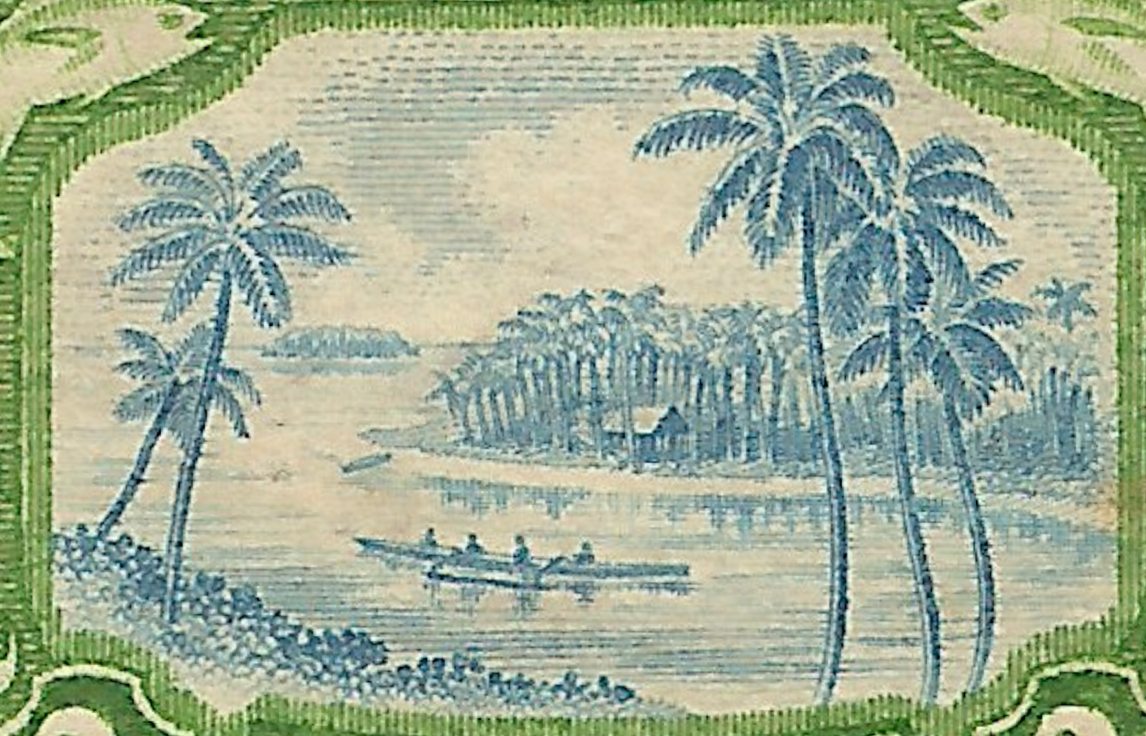
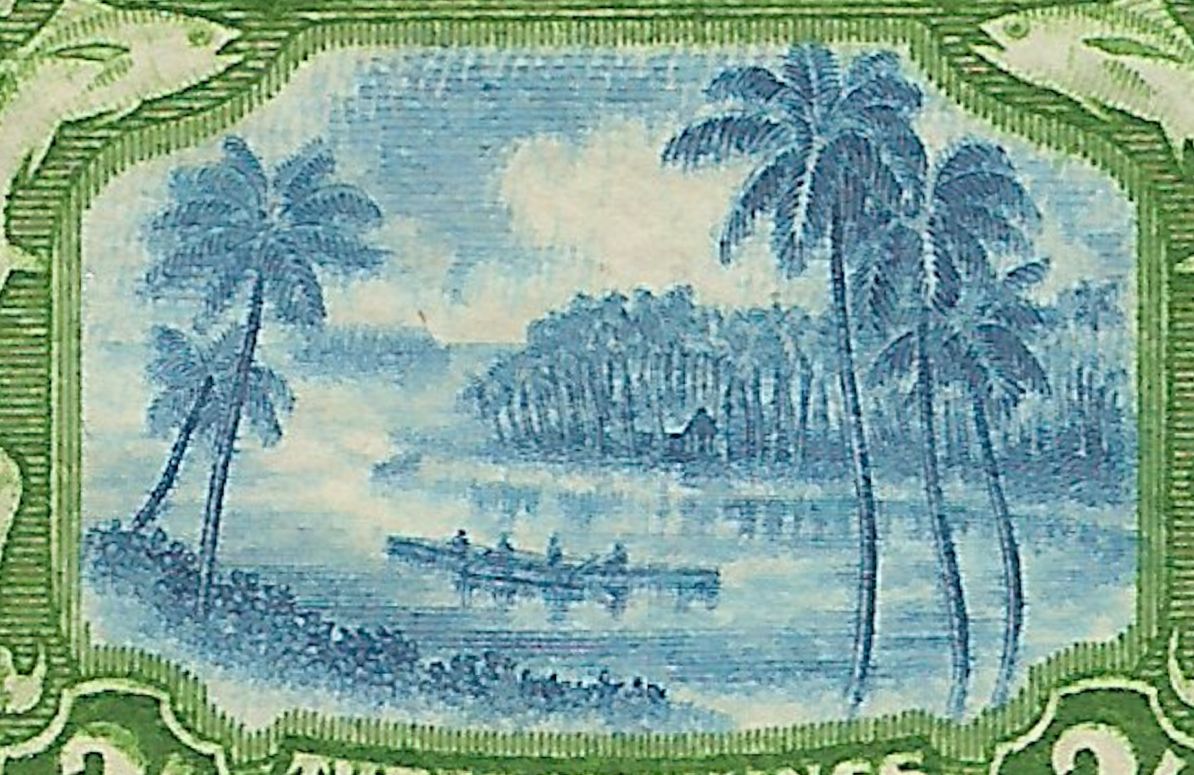
| Author |
 Replies: 10 / Views: 2,084 Replies: 10 / Views: 2,084 |
|
|
Pillar Of The Community
Australia
2156 Posts |
|
|
|
|
Pillar Of The Community
Australia
2156 Posts |
|
|
Moderator

United States
5107 Posts |
|
|
In my opinion, not a double impression, but probably a kiss-print, or slightly wet ink to give a blurred impression.
And Merry Christmas to you as well. Happy and Safe New Years. |
Send note to Staff 
|
|
|
Pillar Of The Community
Australia
2156 Posts |
|
|
Thanks, Partime!
I've never been sure what a kiss print actually is.
I think the result is more beautiful that the regular stamp. It makes the scene look as if it were a misty morning.
Have a great day. |
|
Send note to Staff
|
| Edited by jimjamtwo - 12/24/2017 10:32 pm |
|
|
Pillar Of The Community
United States
6469 Posts |
|
|
Based on my experiences on a certain stamp forum located down under, it appears that non-U.S. collectors of British Empire material routinely classify kiss prints as "double impressions" no matter how minute.
Different geographic standards, I guess. |
|
Send note to Staff
|
|
|
|
Pillar Of The Community
Australia
2156 Posts |
|
|
How would you define a kiss print, revenuecollector?
I've also noticed that American collectors do not seem to use the term "re-entry." |
|
Send note to Staff
|
|
|
Pillar Of The Community
United Kingdom
1255 Posts |
|
|
This is nice. I have seen similar on some of the Zanzibar "dhow" high values, which have frames apparently doubled. As has been pointed out, it's not strictly a double print but where the plate has bounced a little on the paper during printing.
They are never listed in the catalogues but have a 50-75% premium over CV if they come up for sale.
Happy Christmas to you. |
|
Send note to Staff
|
| Edited by Tim H - 12/25/2017 02:57 am |
|
|
Pillar Of The Community
Australia
2156 Posts |
|
|
Thanks, Tim H. All the best from Sydney, Australia.
So is what you referring to (plate bounce) a kiss print? |
|
Send note to Staff
|
|
|
Pillar Of The Community
United Kingdom
1255 Posts |
|
|
Yes, thus is my understanding of a "kiss print". It's not a true double impression. Most people seem a bit vague about a definition but "bouncing" usually comes into the description.
The way I see it is that the paper is not 100% flat when the block makes contact, so there is an initial impression followed almost immediately by the "true" impression. The two are, therefore, slightly out of alignment giving a slight doubling or ghosting of the image. It's certainly unusual for recess-printed stamps, but more common on overprints/surcharges.
If anyone has a printing background, maybe they can help? I think one of our Canadian members is pretty hot on printing technology. |
|
Send note to Staff
|
|
|
Pillar Of The Community
United States
3295 Posts |
|
|
Quote:
The way I see it is that the paper is not 100% flat when the block makes contact, so there is an initial impression followed almost immediately by the "true" impression. The two are, therefore, slightly out of alignment giving a slight doubling or ghosting of the image. It's certainly unusual for recess-printed stamps, but more common on overprints/surcharges. The following paragraph is taken from James H. Baxter's Printing Postage Stamps by Line Engraving Part Three Chapter III, page 118; 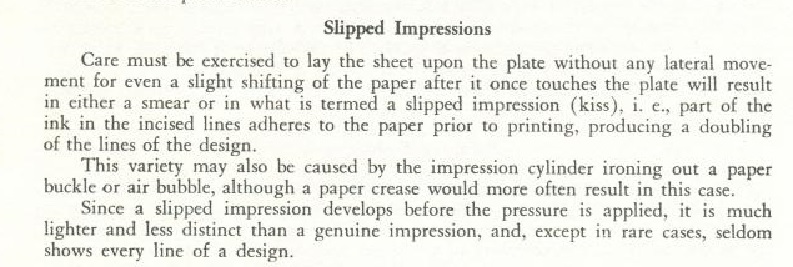 |
|
Send note to Staff
|
|
|
Pillar Of The Community
United Kingdom
1255 Posts |
|
| |
Replies: 10 / Views: 2,084 |
|




 Posted 12/24/2017 10:21 pm