| Author |
 Replies: 64 / Views: 10,752 Replies: 64 / Views: 10,752 |
|
|
|
Pillar Of The Community
United States
2555 Posts |
|
|
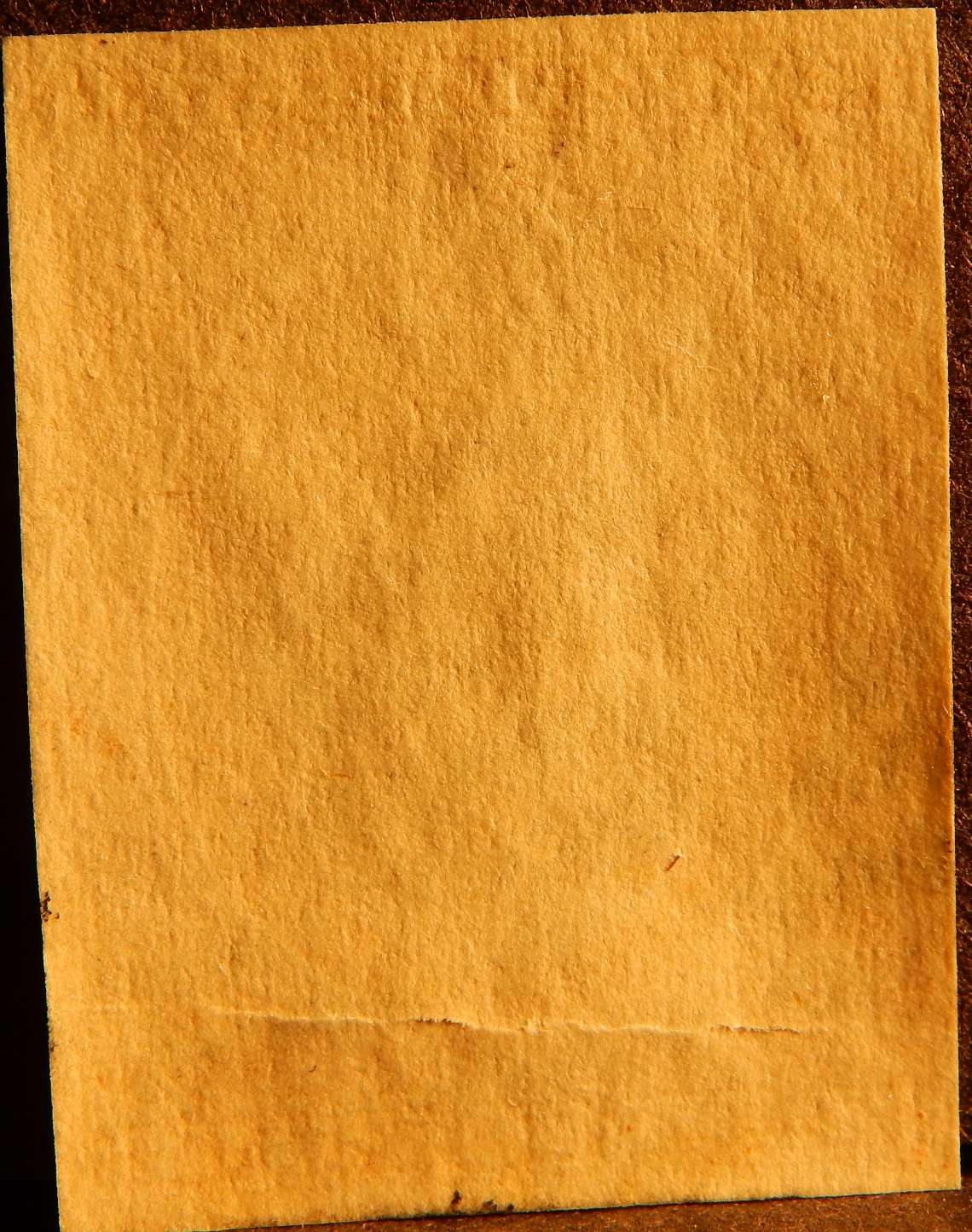
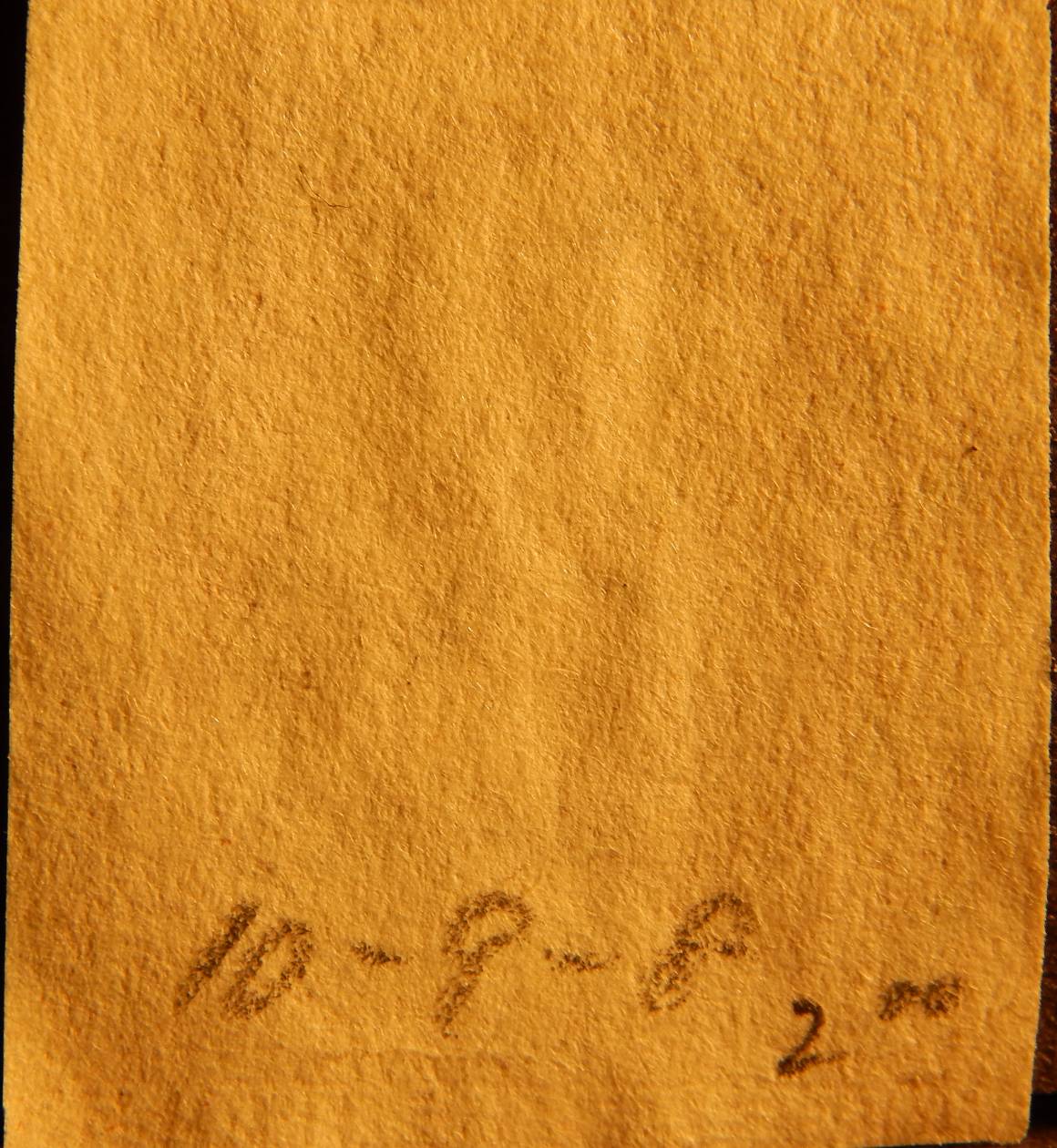
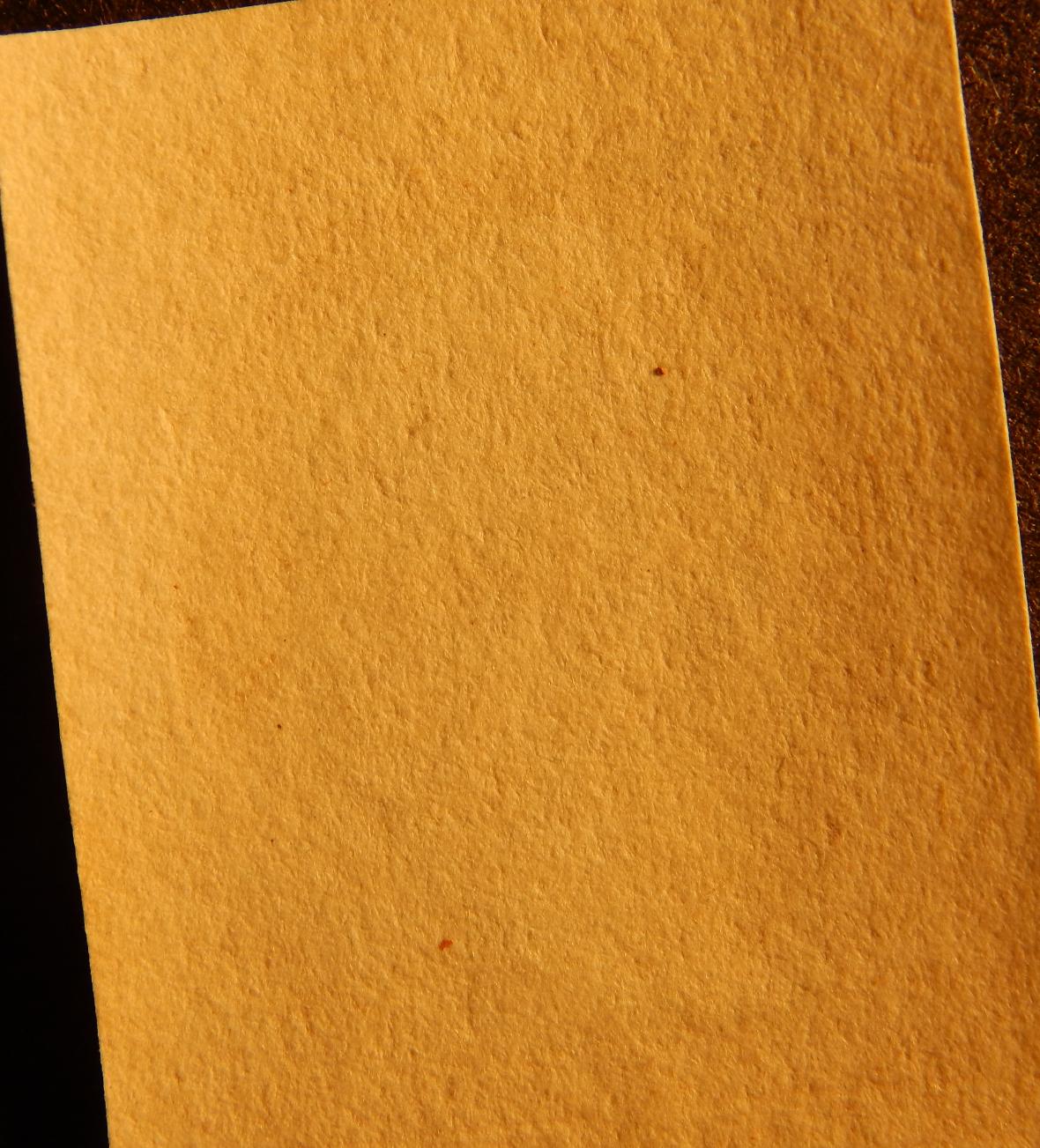
Actually, you would not be able to identify a 10/10A based on paper. The paper used in 1852 is the same as that used in 1851.
The later paper, such as the one that shows the mesh pattern, does look similar to the soft paper stamps on the large banknotes when held to a strong light. |
Send note to Staff 
|
|
|
Pillar Of The Community
1375 Posts |
|
|
ok understood, so it's not possible to say a stamp "is 10/10A" based on the paper, but (if it's the later paper) a stamp "is not 10/10A", that also helps a lot. thanks also for the other answer.
I will also have a closer look at my 1851+ 3 cents and their paper the next weeks. |
|
Send note to Staff
|
|
|
Pillar Of The Community
United States
2947 Posts |
|
|
Pillar Of The Community
United States
2947 Posts |
|
|
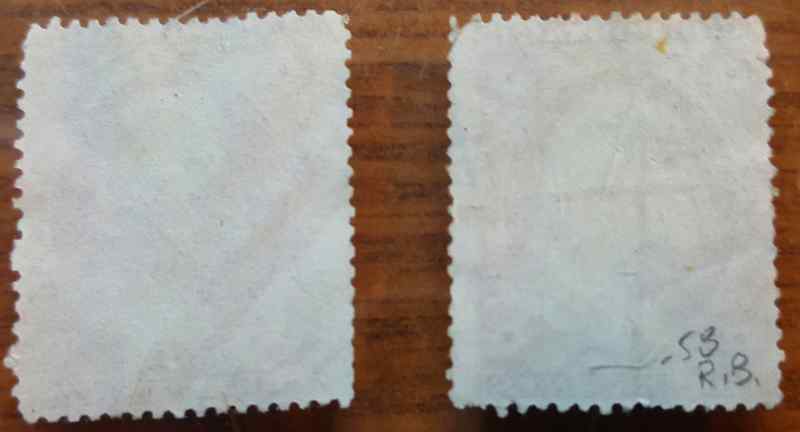
The first stamp above is an 1851 Orange Brown #10. I date it 1851 based on the cancel. The Fourth is a 10A and I'm not sure when it was printed. But I do believe the paper looks different from the 1851 stamp.
I'm having a problem seeing any difference between the second and third stamps I posted above. They both have dated cancels as listed above. I chose Dec. 1857 cancel hoping for a better chance of a late 57 printing. |
|
Send note to Staff
|
|
|
Valued Member
213 Posts |
|
|
If it is machine-made paper, then which direction is the grain? As everyone knows, the paper machine runs in one direction and one can tell the direction of the grain from the curl produced by dripping water on the paper. (see you-tube video on 'paper grain' 3:23 at https://www.bing.com/videos/search?...FORM=VRDGAR) For the record, handmade paper doesn't have a grain pattern. So, if it's an 1851 on machine-made paper then, let us see the curl. |
|
Send note to Staff
|
| Edited by AJ Valente - 01/12/2018 11:28 am |
|
|
Valued Member
213 Posts |
|
|
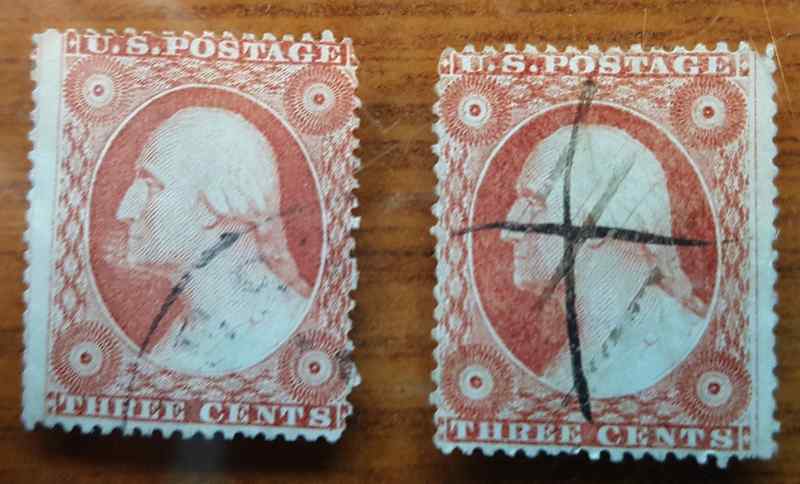 Here are a couple of stamps printed in 1858, we know this by their color. It is known from documentation that about half of the stamp papers were made on a machine and the other half were handmade. |
|
Send note to Staff
|
|
|
Valued Member
213 Posts |
|
|
Valued Member
213 Posts |
|
|
OK. Lets try the paper grain test: 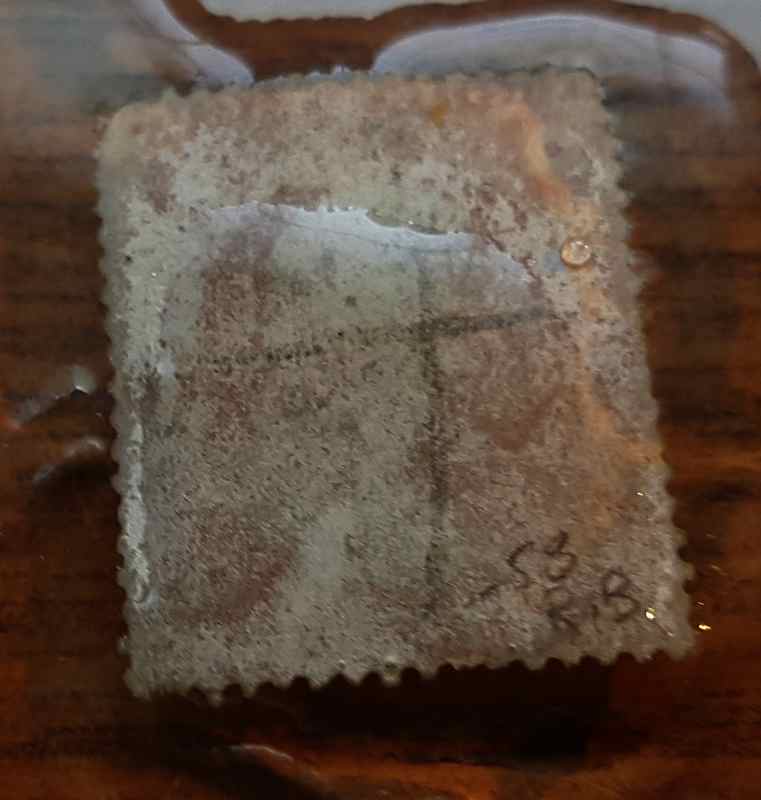 Not much happening here. |
|
Send note to Staff
|
| Edited by AJ Valente - 01/12/2018 12:12 pm |
|
|
Valued Member
213 Posts |
|
|
Let's see what happens with the other stamp: 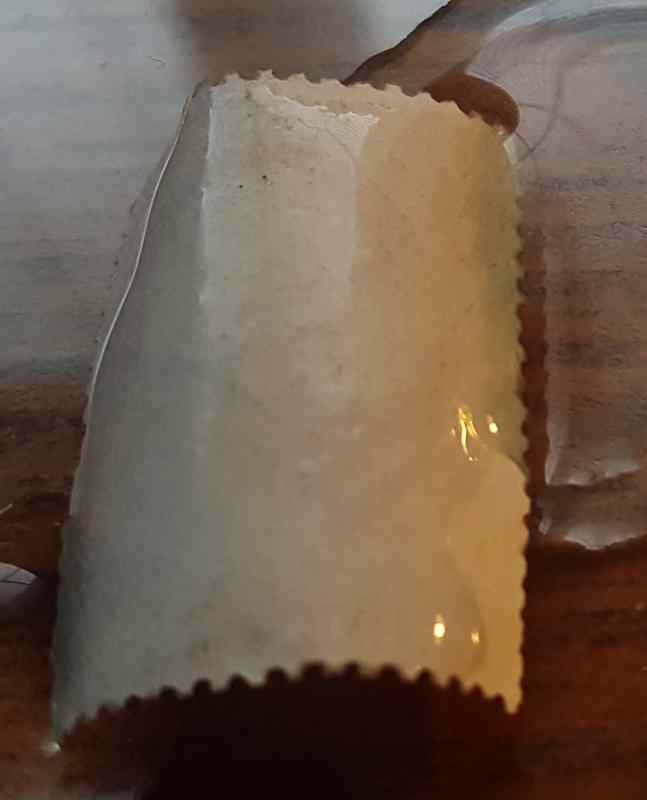 OMG. It curls up magnificently. |
|
Send note to Staff
|
|
|
Valued Member
213 Posts |
|
|
OK, so I ask everyone to try this test on you 1857 issues. See which stamps curl and which do not. By this time you will know the difference between the two. Then, go back and test your '51's and tell me what you find. |
|
Send note to Staff
|
|
|
Pillar Of The Community
United States
2555 Posts |
|
|
The one problem I have with your test is it assumes that all machine-made paper is going to behave the same. The degree to which the pulp orients itself into some sort of grain is dependent on the speed of the machine, the consistency of the pulp, and the degree to which the pulp had been thoroughly disassociated into individual fibers.
What is your documented proof that half of the paper used in 1858 was handmade?
Also, who colorized your stamps? |
|
Send note to Staff
|
|
|
Pillar Of The Community
United States
2555 Posts |
|
|
The stamp that didn't curl looks like it might have been used for origami:) Do you think that effects the ability of the stamp to curl?
It doesn't appear to be absorbing water very evenly either. Would that effect the curl of the stamp? |
|
Send note to Staff
|
|
|
Pillar Of The Community
United States
2555 Posts |
|
|
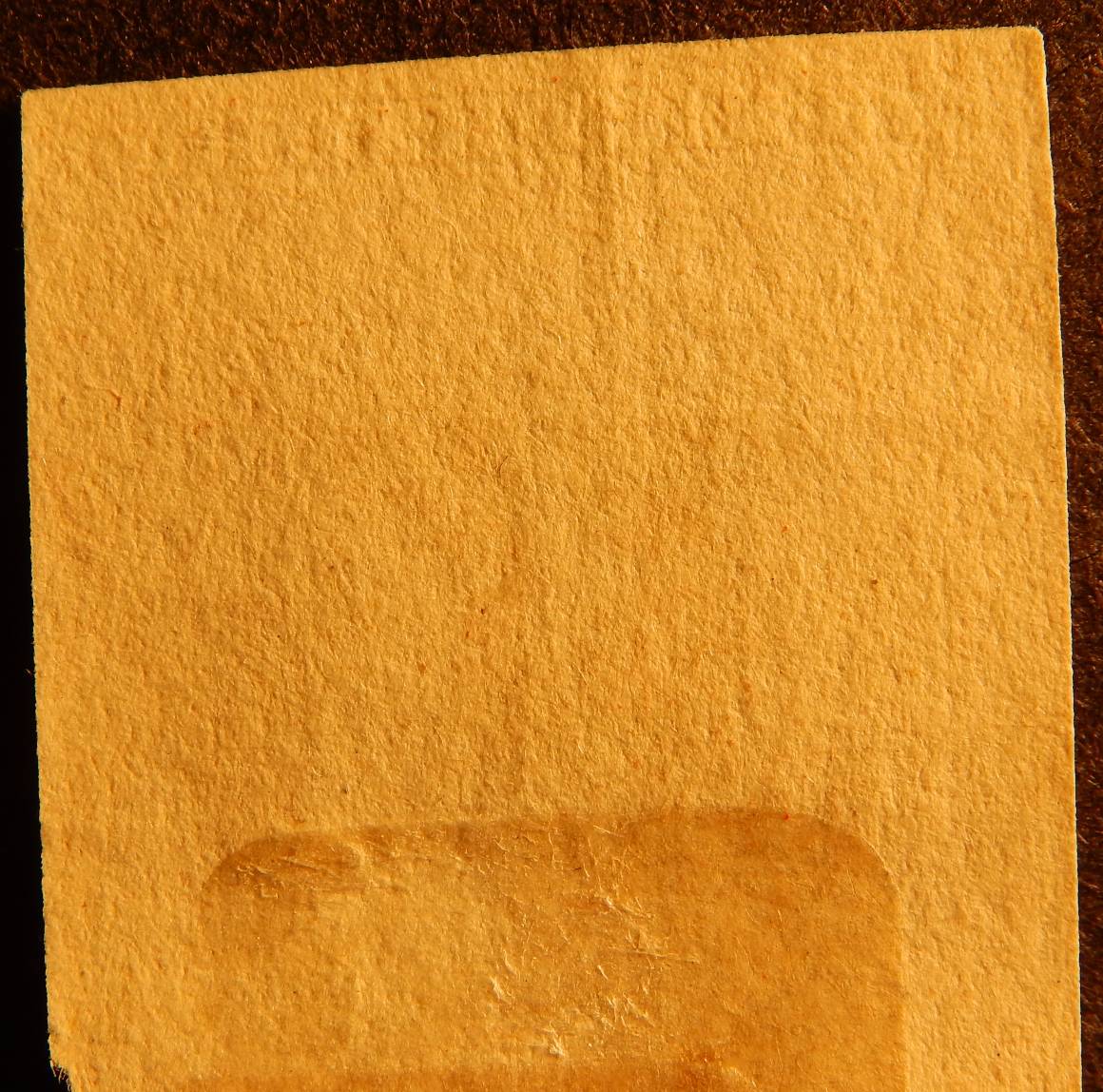
I have shown three different types of stitch watermark which I believe tell a story of how paper making with machines was constantly evolving, not stuck in the olden days of making paper by hand. It is easy to believe that each iteration of the stitch watermark was implemented because additional strength was needed as the machines grew larger, or at least the segments of the wire grew larger, and the machines were running faster. |
|
Send note to Staff
|
|
|
Pillar Of The Community
United States
2555 Posts |
|
|
AJ previously had this to say about stitch watermarks on 1851's: "the stitches found in the 1851 issue come from felt mats used to couch and press the paper by hand"
It is true that the paper came in contact with felt but I would submit that it was on the felt covered press rolls of a paper machine and not on some felt blanket that has been stitched together. Why would the stitches need to keep changing anyway? You can usually see the indentations of individual felt fibers on the backs of your stamps yet if the the stitch watermark was put in place at the same time, why are they always so muted but individual hair impressions remain so clear. The obvious explanation is that the stitch watermark was put in place on the wire of the machine and then slightly altered after coming into contact with the felt press rolls. AJ, why do some of very fine impressions left in the paper by the felt run across and over the top of the stitch watermark when they were supposed to have been created at the same time? |
|
Send note to Staff
|
| Edited by sinclair2010 - 01/12/2018 12:49 pm |
|
|
Pillar Of The Community
United States
2555 Posts |
|
|
Just so that everybody can understand, I am saying stitch watermarks are for the must part rather muted and the felt marks that are typically visible on the back of a stamp are very clear and sharp. There needs to be an accounting for that. |
|
Send note to Staff
|
|
|
Replies: 64 / Views: 10,752 |
|



 Posted 01/10/2018 08:03 am