| Author |
 Replies: 64 / Views: 10,751 Replies: 64 / Views: 10,751 |
|
Pillar Of The Community
United States
2555 Posts |
|
|
This should be an easy one... The stamps were printed somewhere between 1851 and 1857 and they are Type I. You have two choices, either Scott #10 or #11. To get credit for the correct answer you must explain! 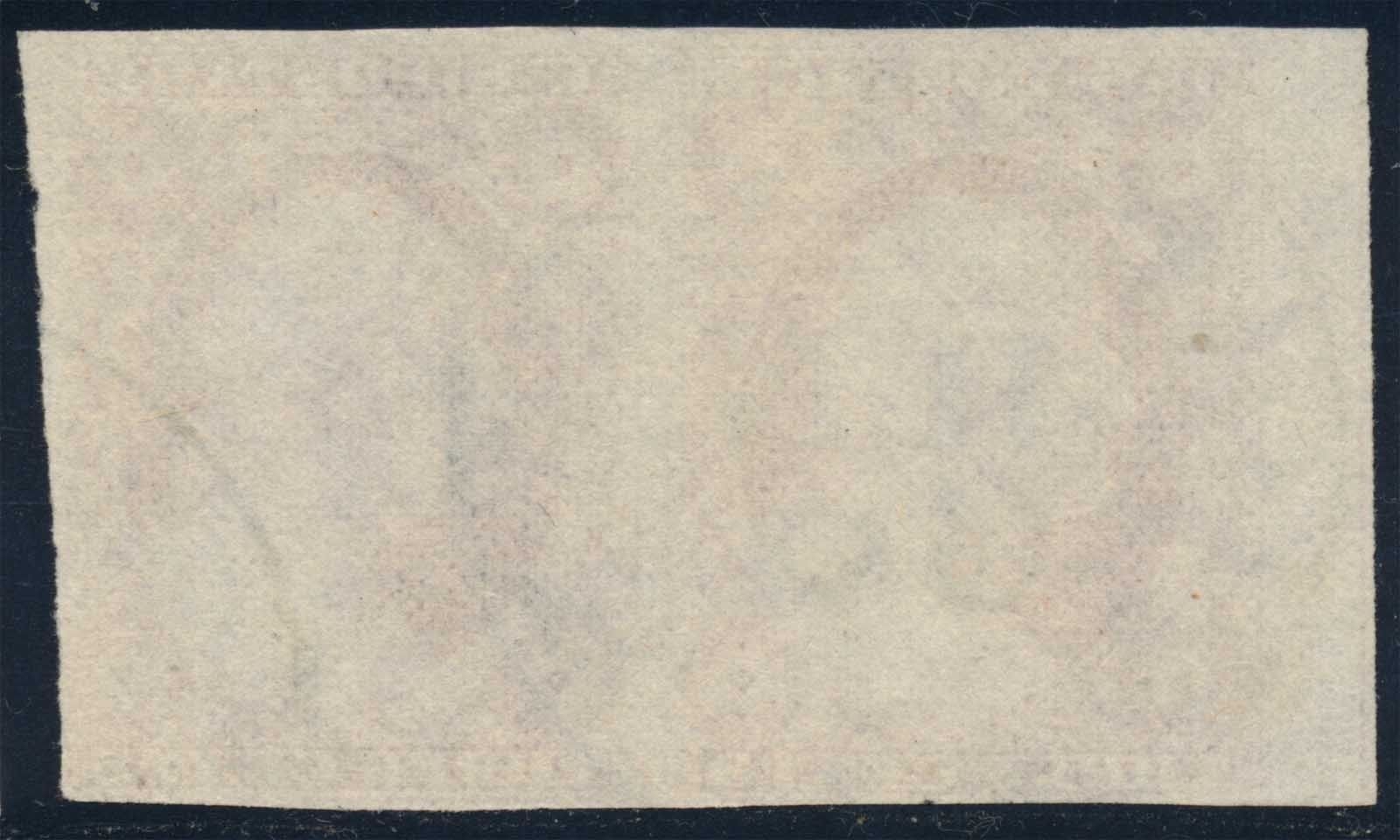 |
|
Send note to Staff
|
|
|
|
|
Moderator

United States
12330 Posts |
|
|
Pillar Of The Community
United States
2555 Posts |
|
|
Pillar Of The Community
United States
3528 Posts |
|
|
Based upon your earlier argument, I believe I see the same mesh pattern in this pair, from your earlier post. If that indeed does mean post 1855/56 then this would clearly be a #11.
|
Send note to Staff 
|
|
|
Pillar Of The Community
United States
2555 Posts |
|
|
That's right, tex. This pronounced mesh pattern that I have mentioned previously shows up somewhere in the 1855-56 range. It is a difficult date to nail down exactly because it doesn't always show as strong as in this pair or in the single stamp that I showed earlier. In fact, the equipment that caused this pattern may have been in place as early as 1854 but for reasons that I cannot explain precisely, the earlier (1854) paper will never show this pattern. It can be an effective way to sort out stamps into two broad categories such as one for 1851-52 printings and another for 1855+ printings. I aim to do more work on tightening up the dates a little.
This is not just a purely academic exercise either. This information has real value when it comes to stamp ID, plating, colorizing, and cancellation dating, to name a few that I care about.
I have started this thread to continue the bulk of the discussion about paper that cropped up in the 1c 1851 Plate 1-Late thread. |
|
Send note to Staff
|
|
|
Pillar Of The Community
United States
2555 Posts |
|
|
I almost forgot, the stamps are indeed Scott #11 and they are on machine-made paper :)
The June cancellation and stamp color suggests a late 1856 first half of 1857 printing. |
|
Send note to Staff
|
| Edited by sinclair2010 - 01/08/2018 9:45 pm |
|
|
Pillar Of The Community
United States
2555 Posts |
|
|
This is what the paper looks like in an oblique lighting scenario. My apologies for the bad pics, I am a philatelist not a photographer! 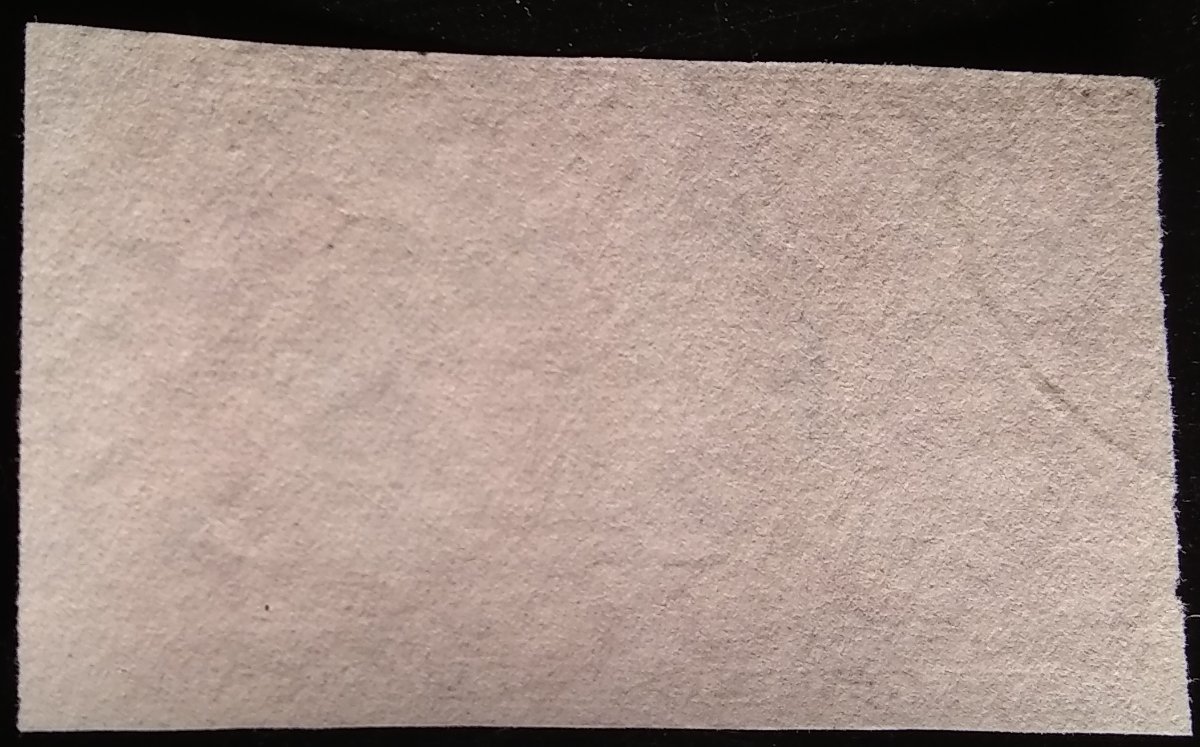 |
|
Send note to Staff
|
|
|
Pillar Of The Community
United States
2555 Posts |
|
|
Here is an 1851-printed Scott #10A shown under oblique lighting. Note the difference in texture of the two paper specimens. 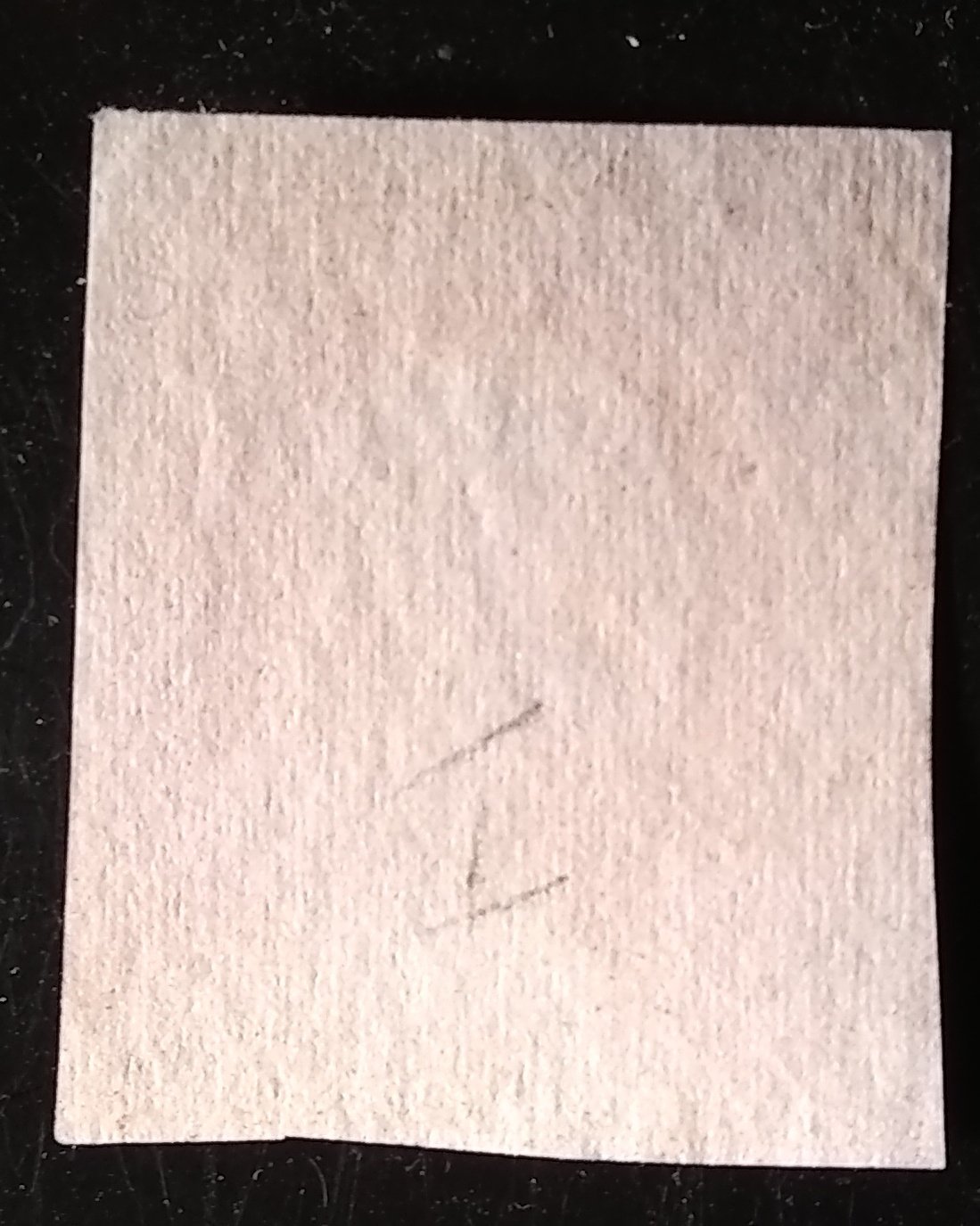 |
|
Send note to Staff
|
|
|
Pillar Of The Community
1375 Posts |
|
|
hello sinclair, thank you for this interesting topic. For me, your first image shows the best the mesh. As the last one is also a bit out of focus: perhaps a scan with black background could be good here as well to compare to the first picture of you? |
|
Send note to Staff
|
|
|
Pillar Of The Community
United States
8956 Posts |
|
|
Sinclair, you might as well be a photographer! Your to pictures are excellent and show the paper differences really clearly
Peter |
|
Send note to Staff
|
|
|
Pillar Of The Community
United States
2555 Posts |
|
|
My scanner doesn't show paper as well as some that I have seen but here you go. The two items scanned together with the lid up and the brightness turned down as low as it goes. 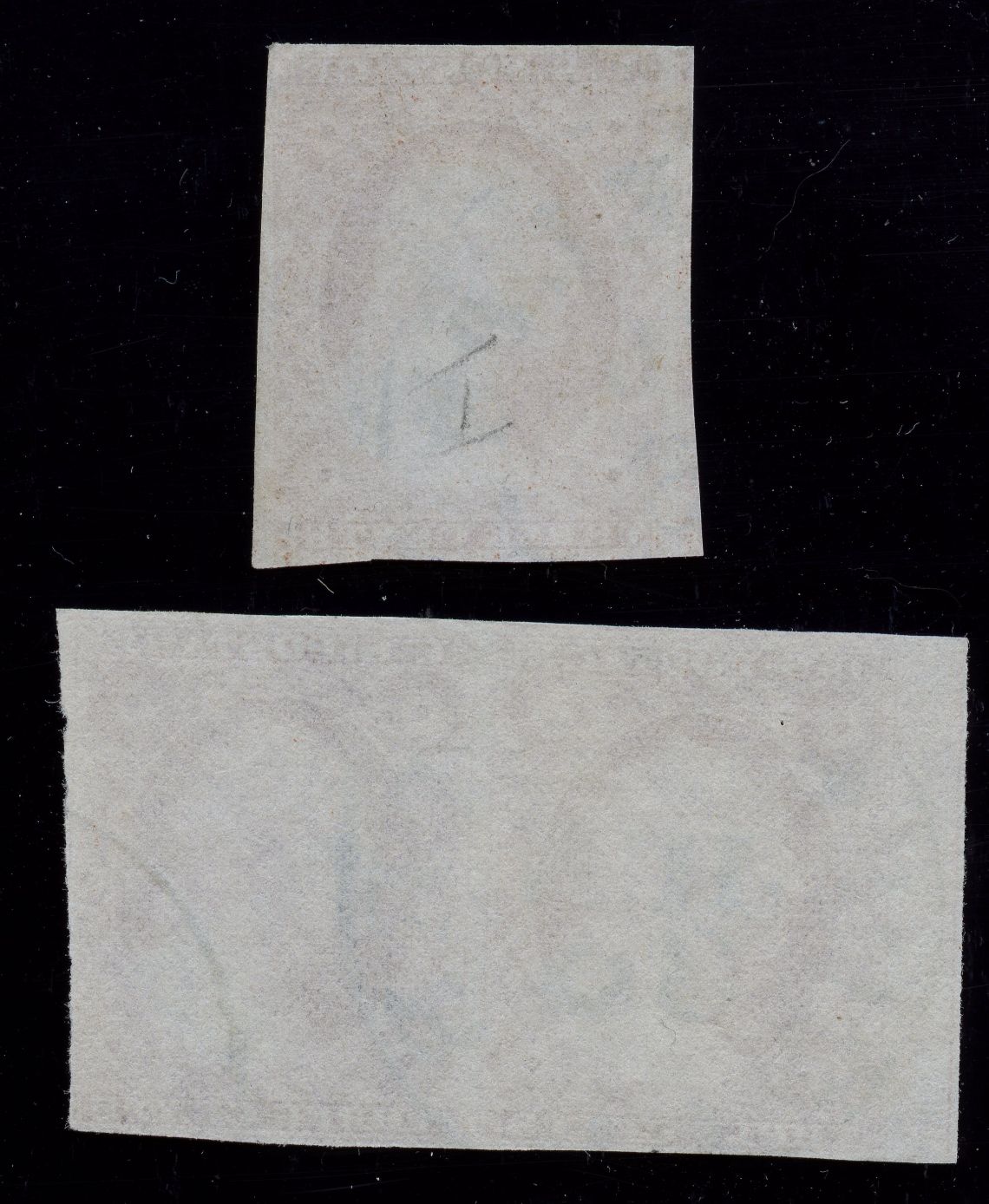 |
|
Send note to Staff
|
|
|
Pillar Of The Community
United States
2555 Posts |
|
|
Now, I will move on to stitch watermarks. Stitch watermarks are an artifact of machine-made paper and are caused by the stitches that join the "wire" together on a Fourdrinier paper machine. The stitch watermarks changed a great deal during the period that Toppan Carpenter produced postage stamps. They help tell a story of change. The first type of stitch watermarks are by far the most common. They can be described as having a series of single, fairly widely-spaced vertical stitches. Stitch watermarks on 1851-61 stamps are always horizontally oriented. A vertical stitch watermark has been reported to me but I have not been shown satisfactory imagery to confirm the variety. First Type. This example from ca. 1853. 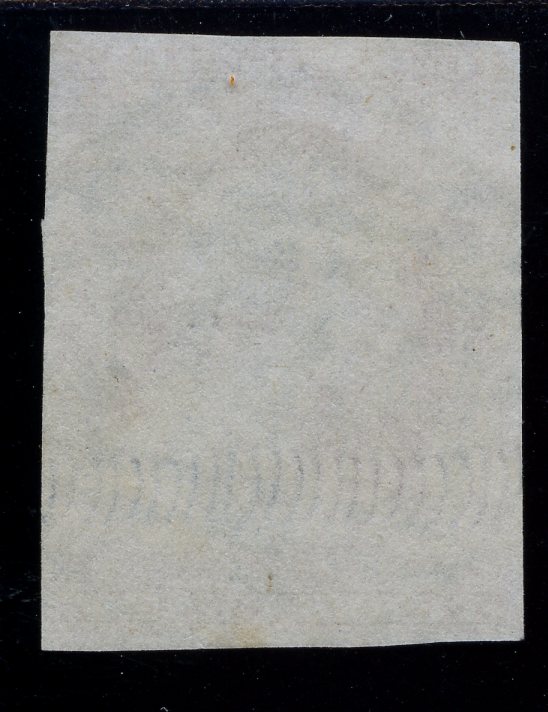 |
|
Send note to Staff
|
| Edited by sinclair2010 - 01/09/2018 9:43 pm |
|
|
Pillar Of The Community
United States
2555 Posts |
|
|
The second type of stitch watermark can be described as also having fairly widely spaced stitches but instead of being a generic single stitch, they are doubled, created by an over and under type of stitch that was likely stronger. So far, I have found them on 1857 and possibly 1856 printings. 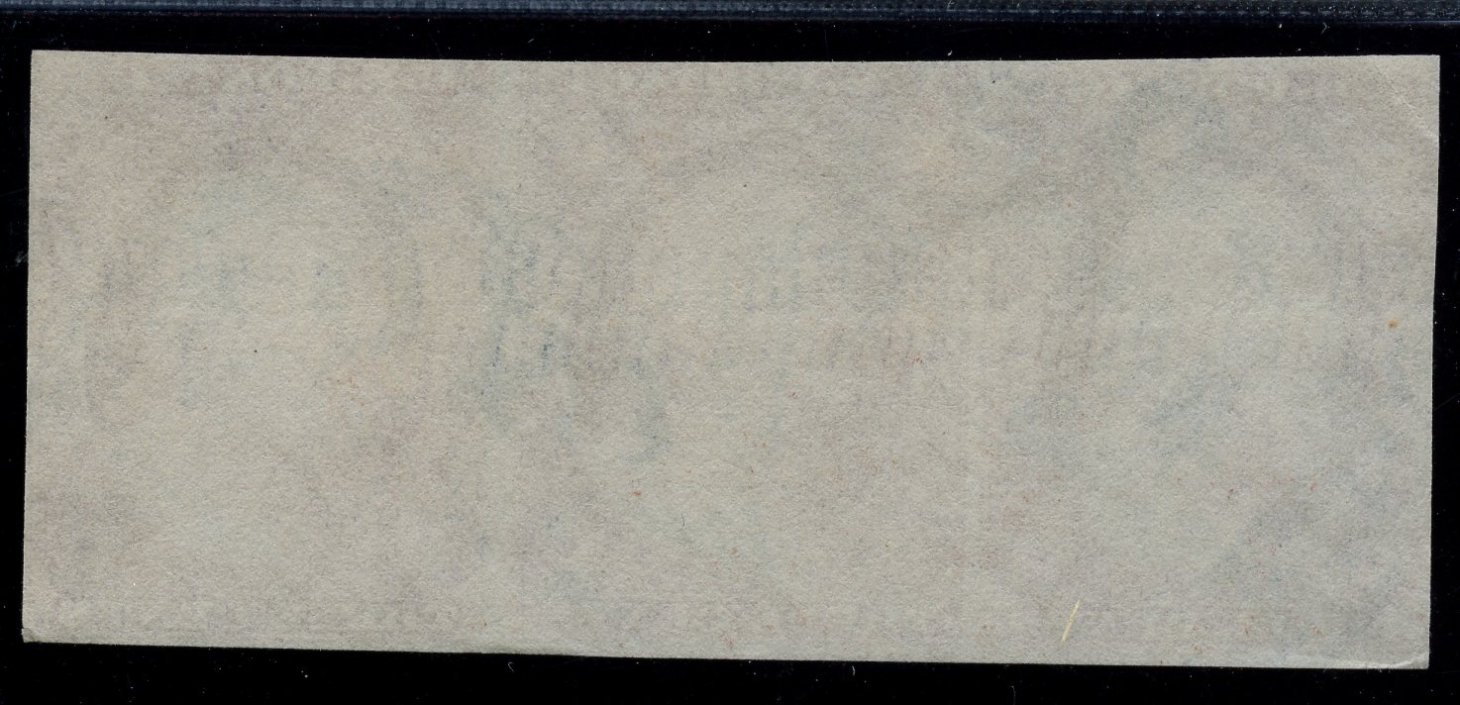 This one on a Scott #23. 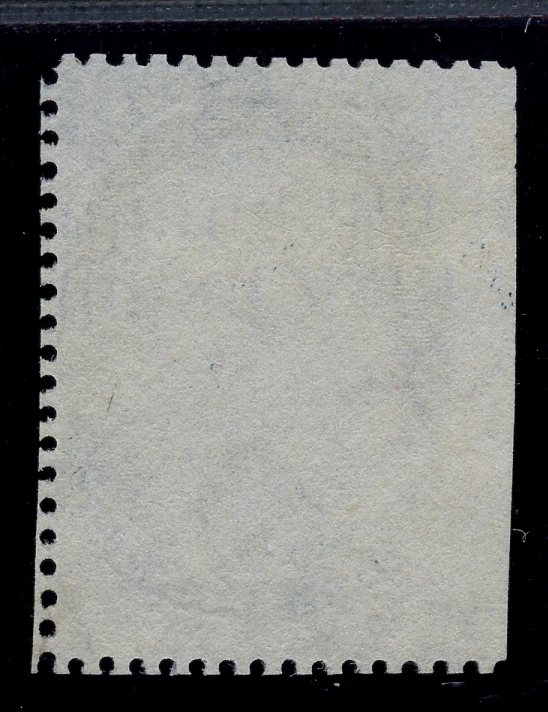 |
|
Send note to Staff
|
|
|
Pillar Of The Community
United States
2555 Posts |
|
|
The third type seems to have shown up in 1858 and is also of the double stitch variety but has a rather densely spaced stitch. Third type on what is most likely and 1858-printed pair of #26. 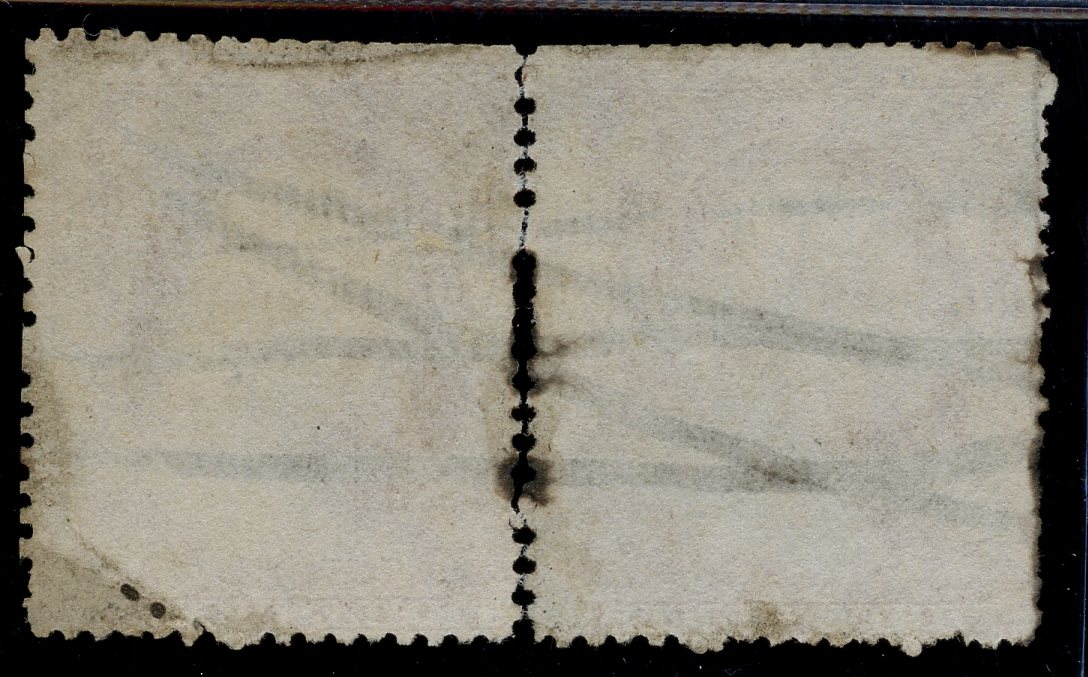 |
|
Send note to Staff
|
|
|
Pillar Of The Community
United States
2555 Posts |
|
|
There is a point to all of this, that I promise. But, it will have to wait until tomorrow because I am tired  |
|
Send note to Staff
|
|
|
Pillar Of The Community
1375 Posts |
|
|
Thank you, Sinclair, all those scans are very good and interesting to learn about this paper. I don't have any #10 (I think) so that could be a good way in identifying it, as the colors are very difficult with this issue. What just comes into my mind when I look at your scan of 10 and 11 together: what about holding the stamp before a strong light - is there perhaps an effect like at the soft paper of the bank note stamps? |
|
Send note to Staff
|
|
|
Replies: 64 / Views: 10,751 |
|



 Posted 01/08/2018 07:08 am


