Hi Vincent,
I'm not aware of a comprehensive guide although there are many books with some information.
The site you've posted is an excellent reference, particularly if you make use of the detailed files in the download area.
One problem in this area is the profusion of numbers.

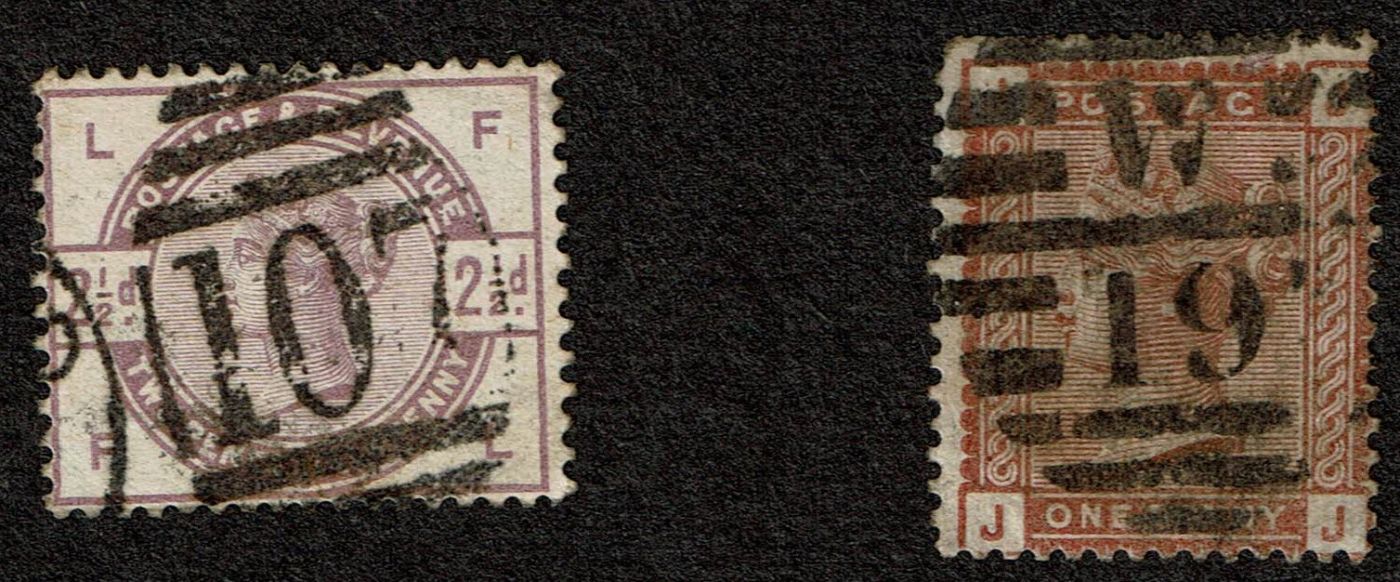
1. There are of course post office numbers as in your Bradford example and in the London district post and suburban offices that Eiger has mentioned, which typically had postmarks with a number within a circle within bars.
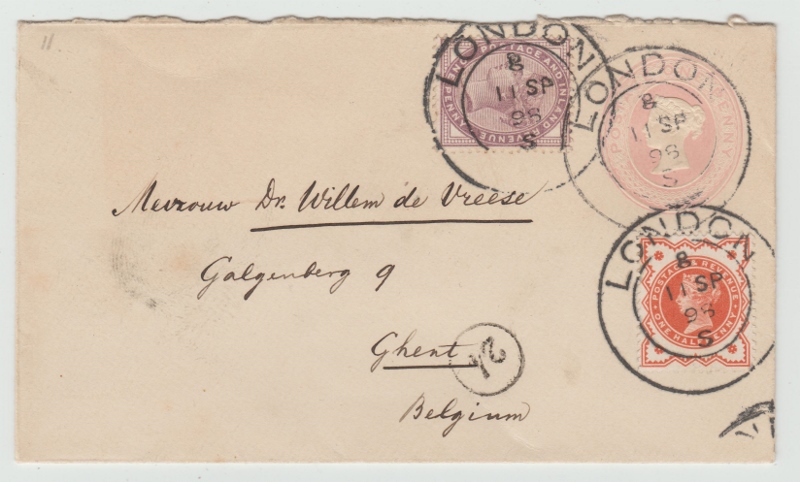
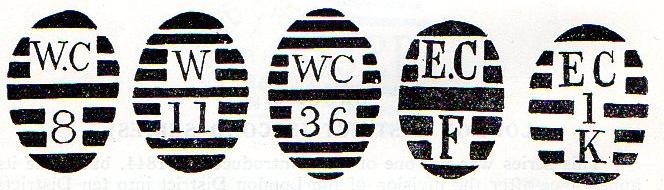
2. There are also the numbers of the London postal sub-districts which have now evolved into parts of the London postcodes, e.g. SE10 for Greenwich.
Here's an overview of the London Postal District and its various districts and sub-districts:
https://en.wikipedia.org/wiki/Londo...tal_districtNote that for example the Western District has sub-district numbers up to 14.
3. There are numbered cancellers where the number seems just to be there to identify the canceller, i.e. a "hammer number". Maybe some of them had particular purposes within the office they were used.
These include the district head office postmarks such as your W 19 and also the numbered postmarks of the London head office "Inland Section", which typically had a number within a diamond within bars.
The link you've posted makes the important point that the Inland Section also made some use of postmarks with numbers within circles within bars.
I'm not an expert at all in this area and I've found it confusing at times to work out what was going on. Bobby has summed it up well.





 Posted 01/28/2018 11:11 am