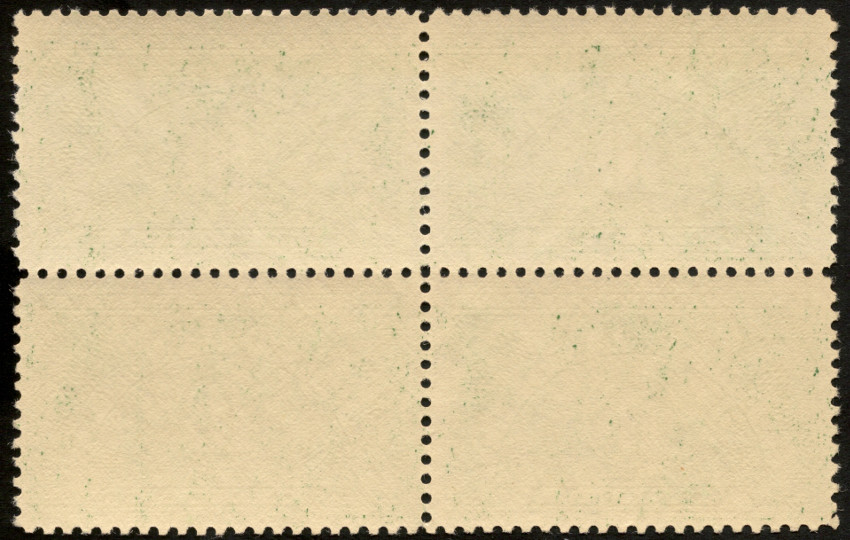
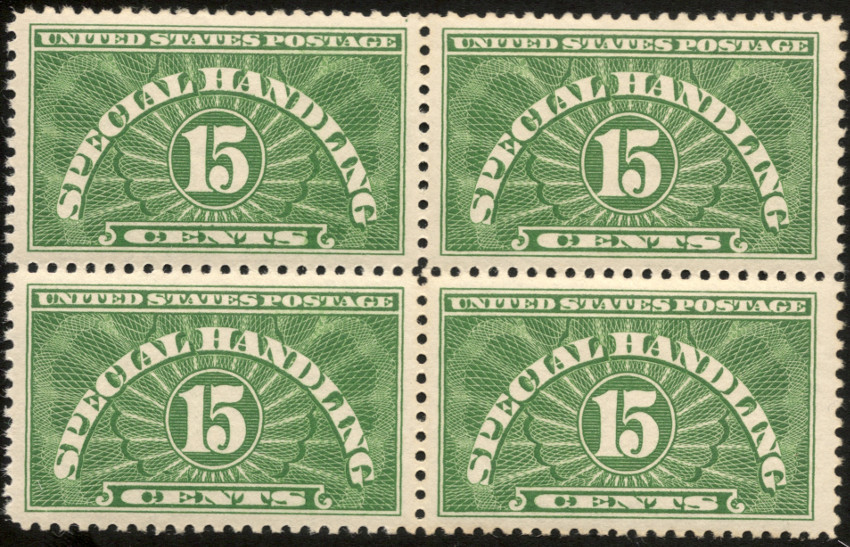
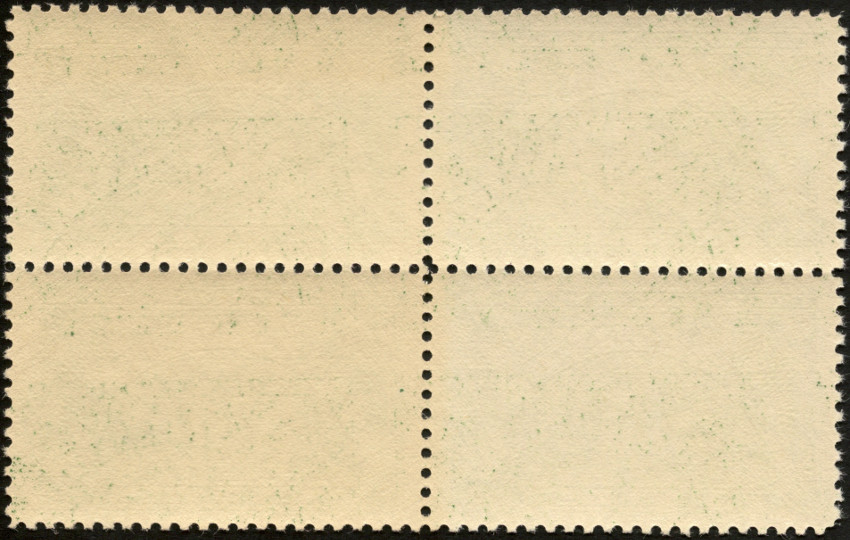
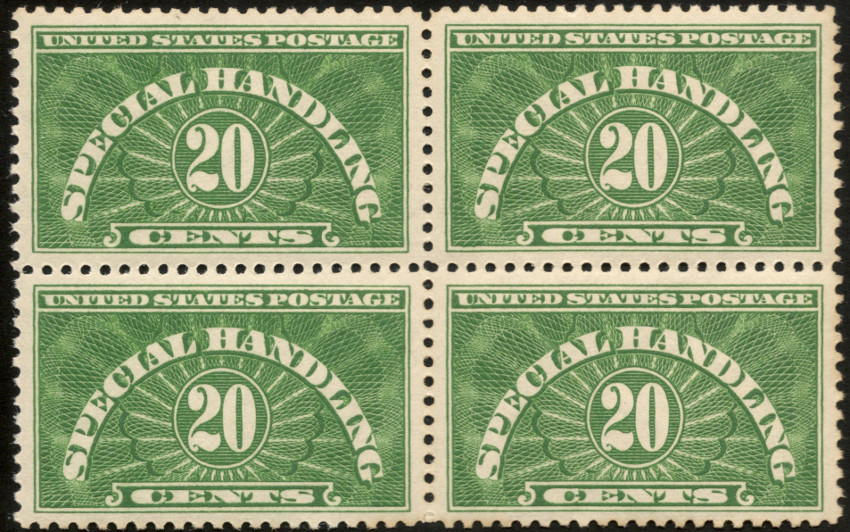
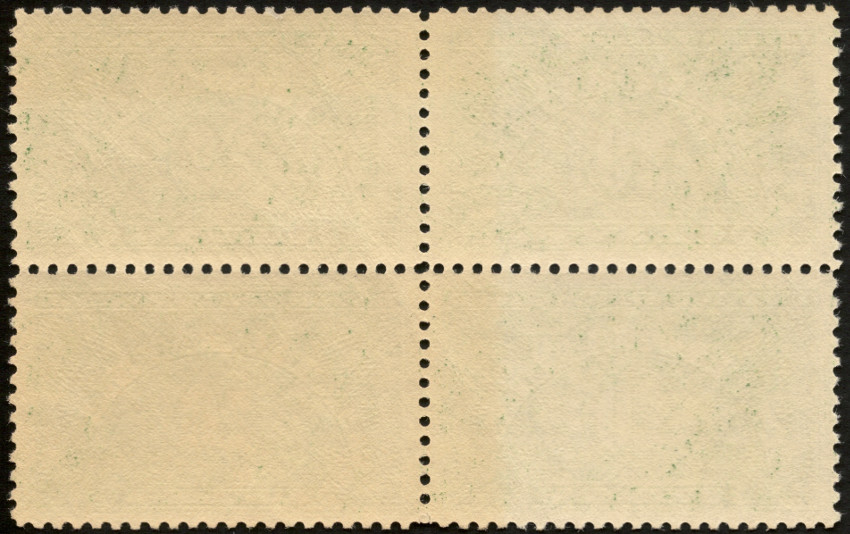
As I recall, the best method for identifying wet vs. dry for the special handling stamps is to have both versions in hand & to compare the physical sizes of the stamps. The wet printings shrunk a bit in the horizontal direction, making the dry printed stamps about 0.5mm wider than their wet counterparts. Easy to see with the stamps in hand, not so easy to measure with a metric ruler. I also remember finding that color was not a very reliable indicator. If you belong to the USSS, you can search their "The United States Specialist" archives for an excellent article on the identification of these stamps. Will look for the title & author of this article later today. If I find it, I'll pass it on.
Added: Size Differences Between Wet and Dry Printings from Flat Plates - Wallace Cleland in the Nov. 2003 United States Specialist (USSS)
Found the above on the stampsmarter web site. This site also contains good info about distinguishing between wet & dry printed stamps. Search for "wet vs. dry".
Below is a size comparison for the 15-cent QE2. Wet at the top, Dry at the bottom. Note that shrinkage can actually take place vertically as well as horizontally, but since the stamp is wider the size difference is more noticeable in the horizontal direction. While there are color & gum differences, I've personally found a size comparison to be more useful.





 Posted 02/06/2018 10:49 am