Mjack, Tipzi must be in a very humorous mood

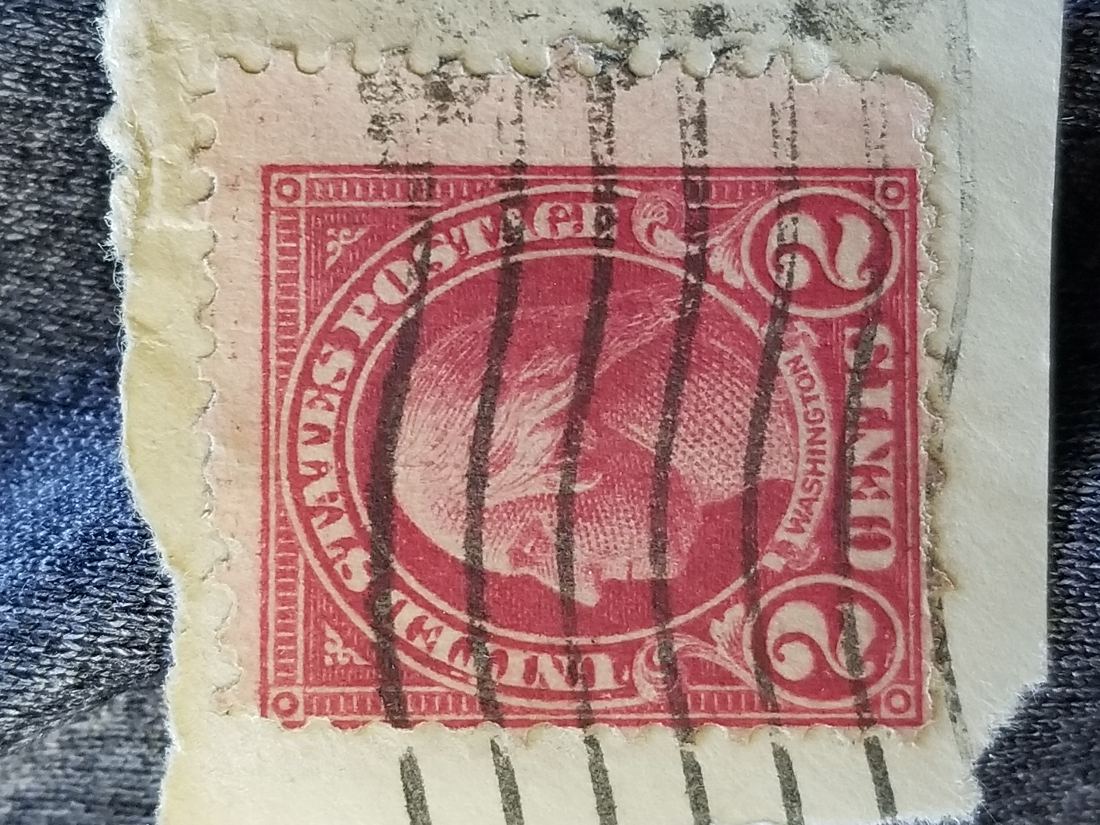
Perforations wise:
my 2 cents on this is that the stamp was perforated manually with a perforation bar, used in a hurry to deliver before the end of the shift. Then, whoever separated the stamp from the sheet did it by pulling it to break all perforations in one go, instead of starting from one corner and slightly rotating the stamp to be separated. The bottom perforations were dislodged using enough force to actually cause the upper layer of paper to break aside from the perforations!
It would be interesting to see the original, because of the black ink marks left by the cancellation machine on the right of the stamp ...
As I am a beginner in Philately, you should take my suggestion with a pinch of salt





 Posted 02/18/2018 2:32 pm