Quote:
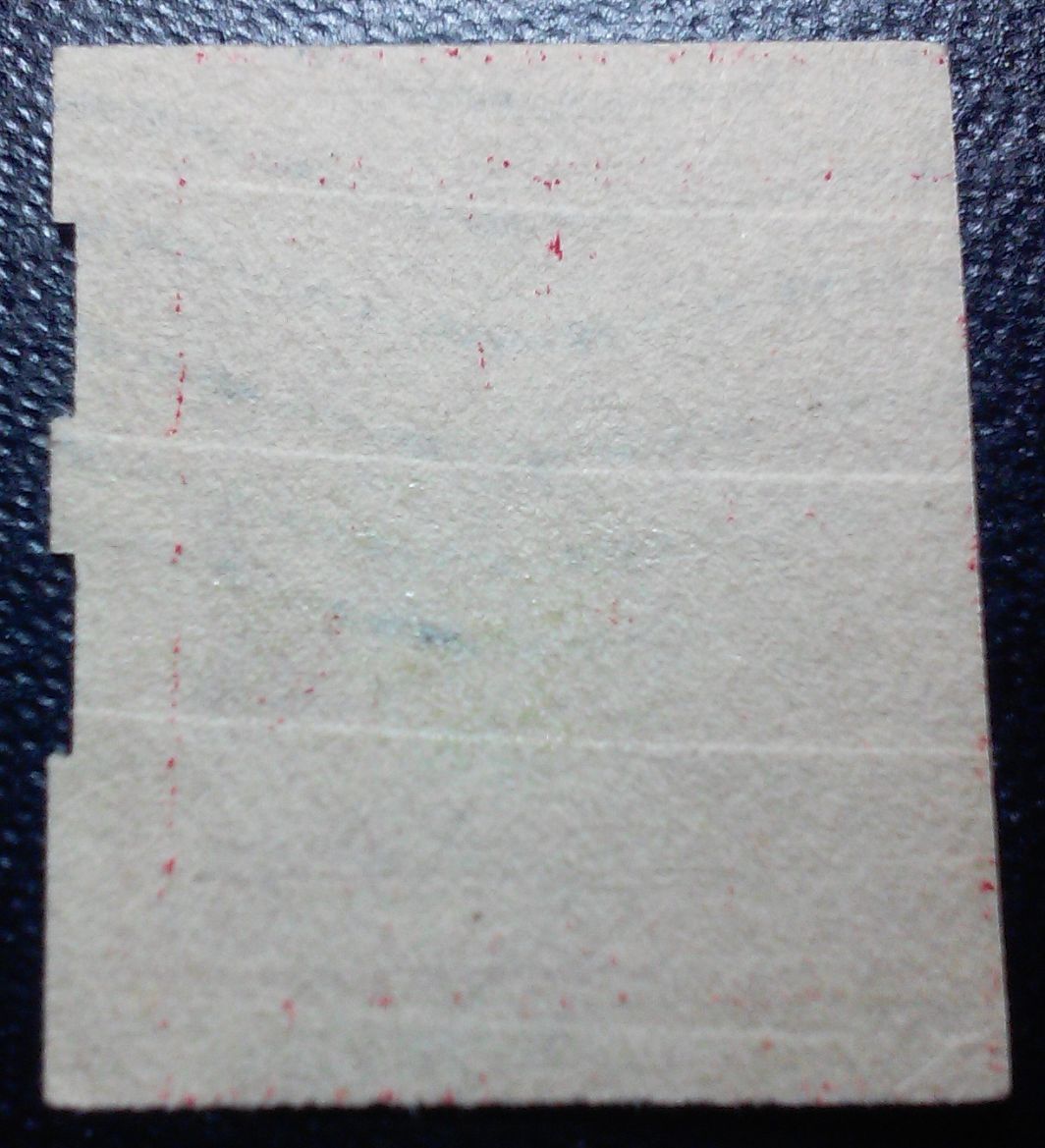
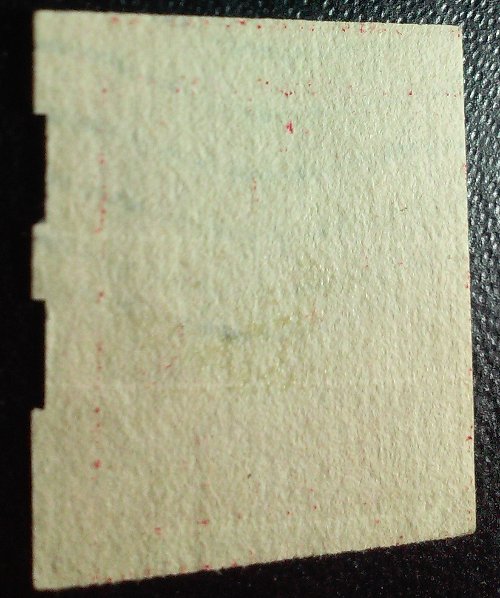
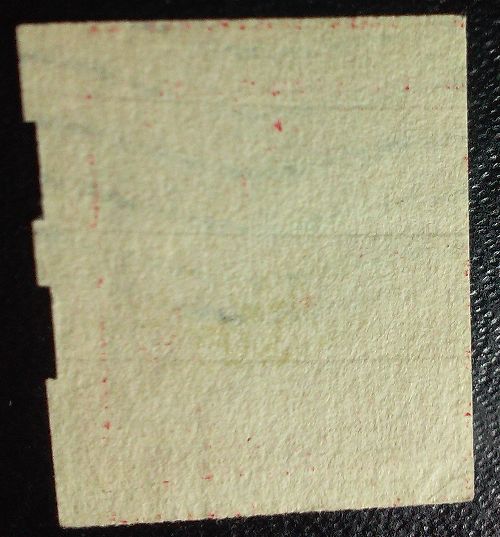
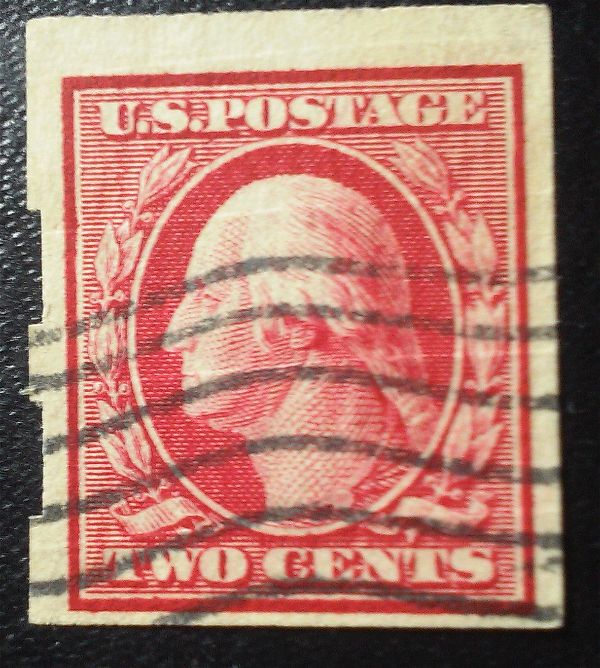
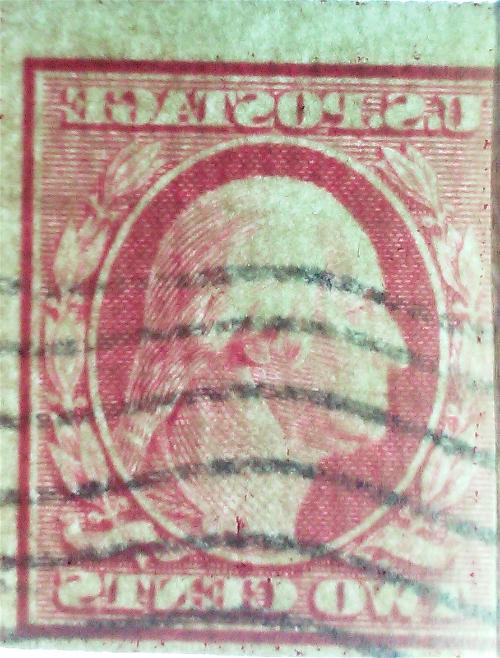
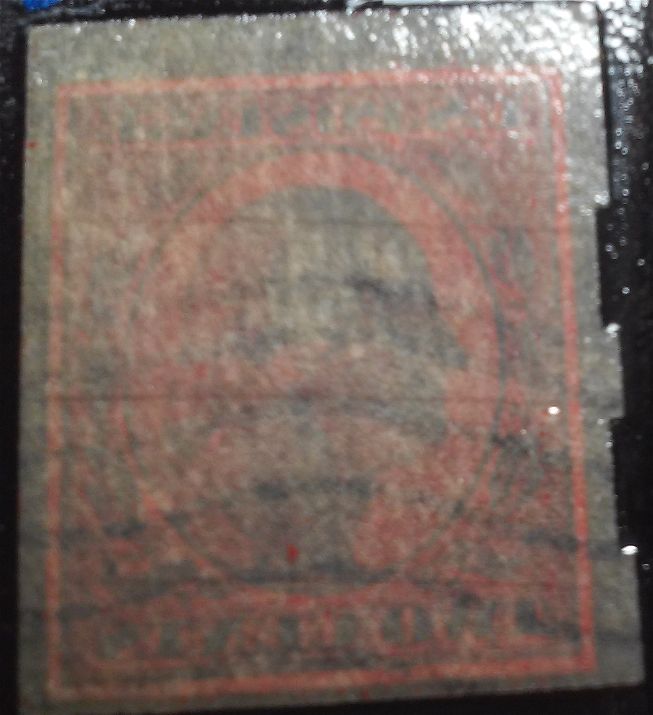
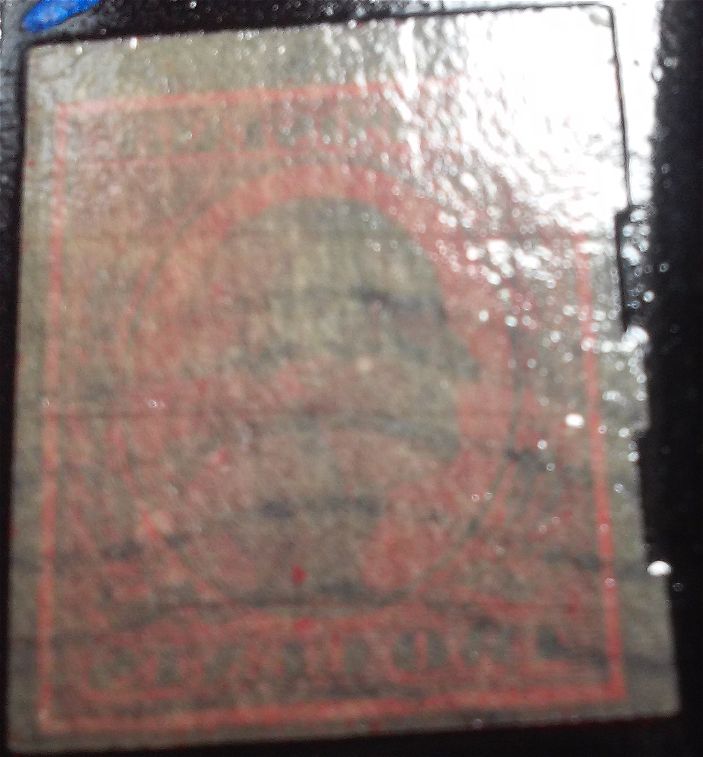
It seems to have the appearance of "laid paper"
The paper has a ribbed or ridged pattern like Continental ribbed paper. Examples from the first two decades of the 20th Century are not too difficult to find. So-called "laid paper" also exists but the lines are more likely to be spaced 1.5 to 2.0 millimeters apart. Laid paper is visible only in watermark fluid or possibly dry against a black approval card. The source of laid lines is not clear, but it may have occurred because of missing wires near the joint in the belt on a Fourdrinier paper machine, the source of stitch watermarks. Paper with laid lines is relatively uncommon but not impossible to find.
It is important not to confuse ribbing with laid lines in the paper. Unfortunately, ribbing on Second Bureau or early Washington/Franklin stamps also can sometime be seen in watermark fluid because the paper is relatively thin and brittle. Ribbing can sometimes be found on flat plate stamps from the 1920 to 1940 period, but the paper is softer, and the ribbing does not show in fluid.





 Posted 02/20/2018 10:22 am