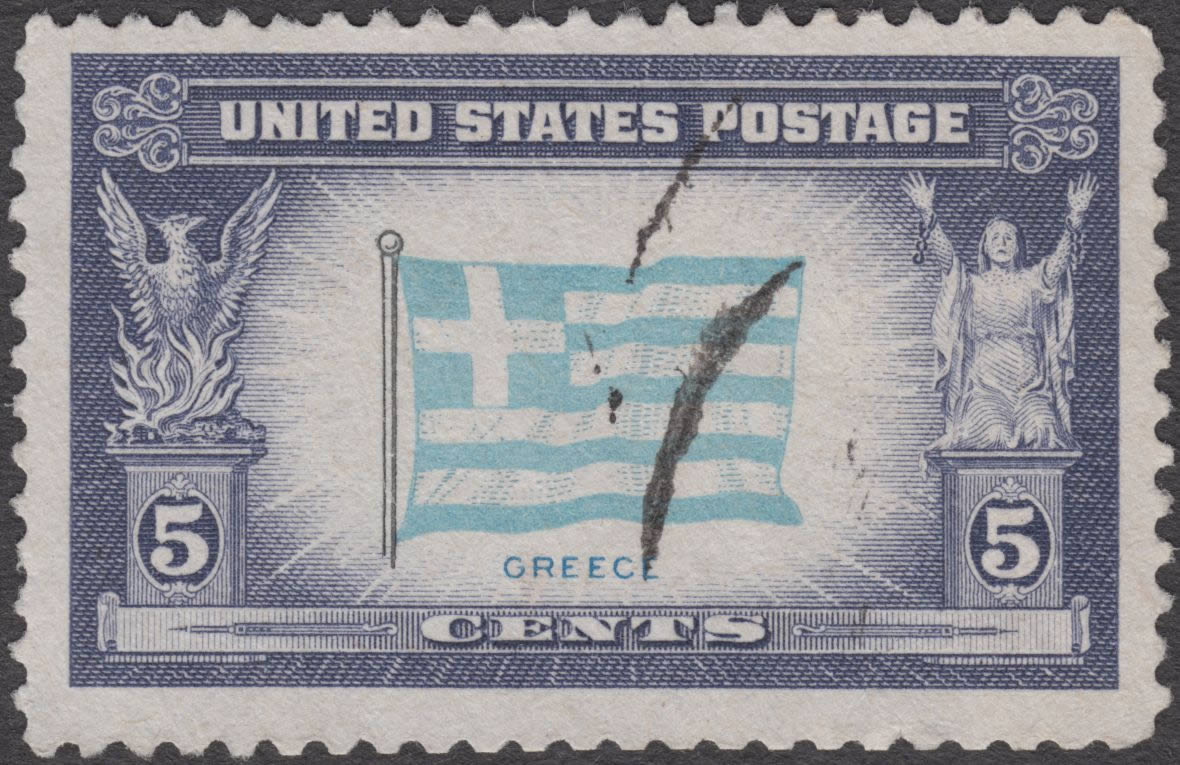
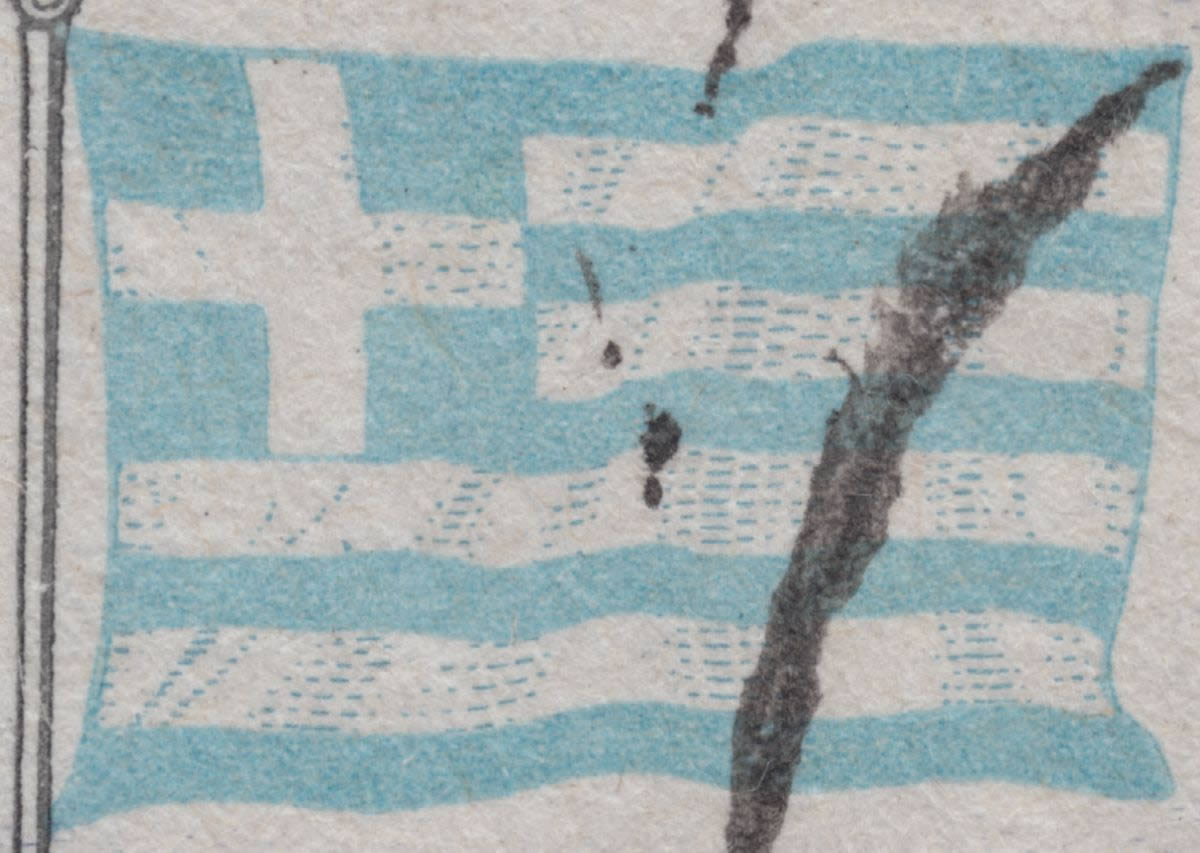
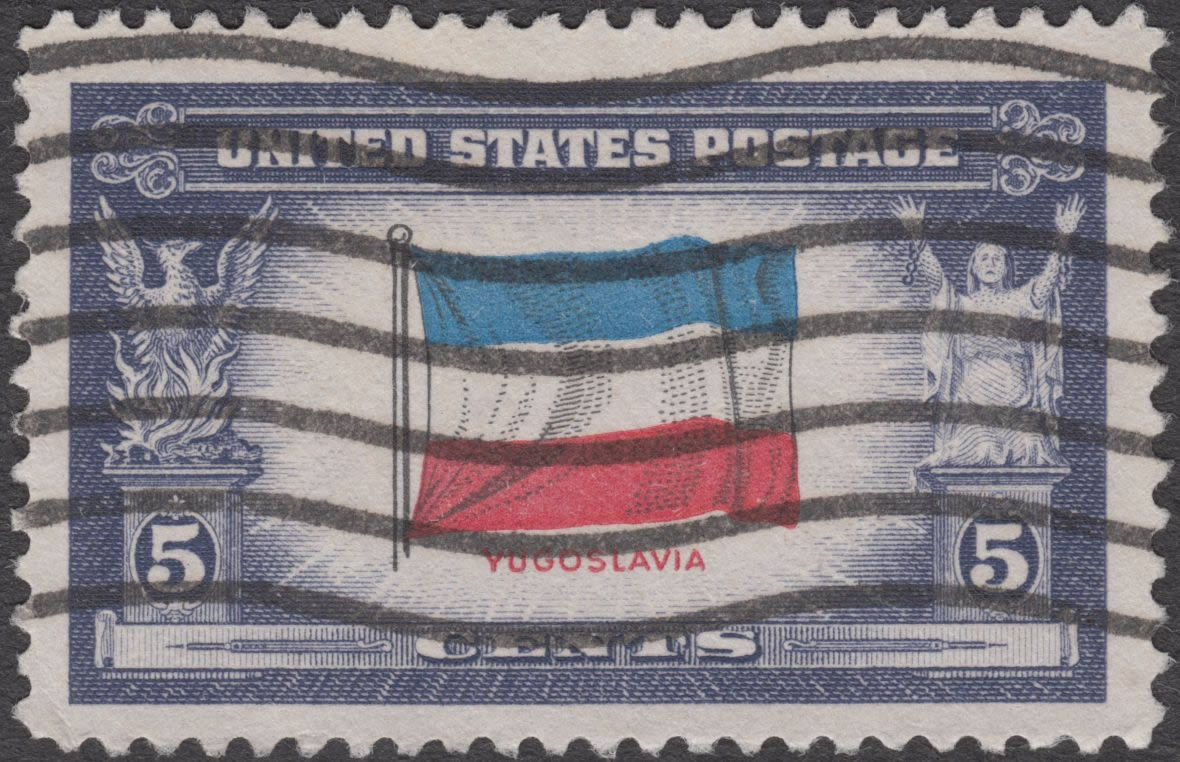
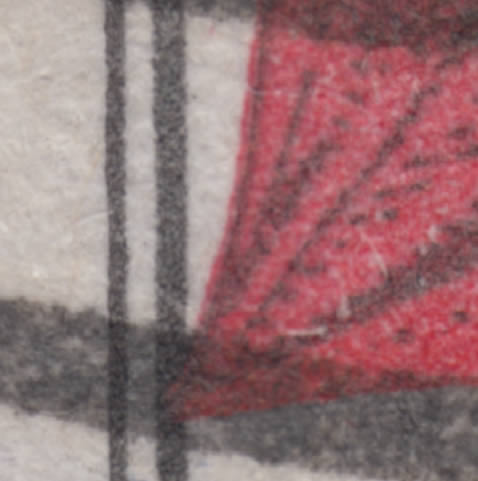
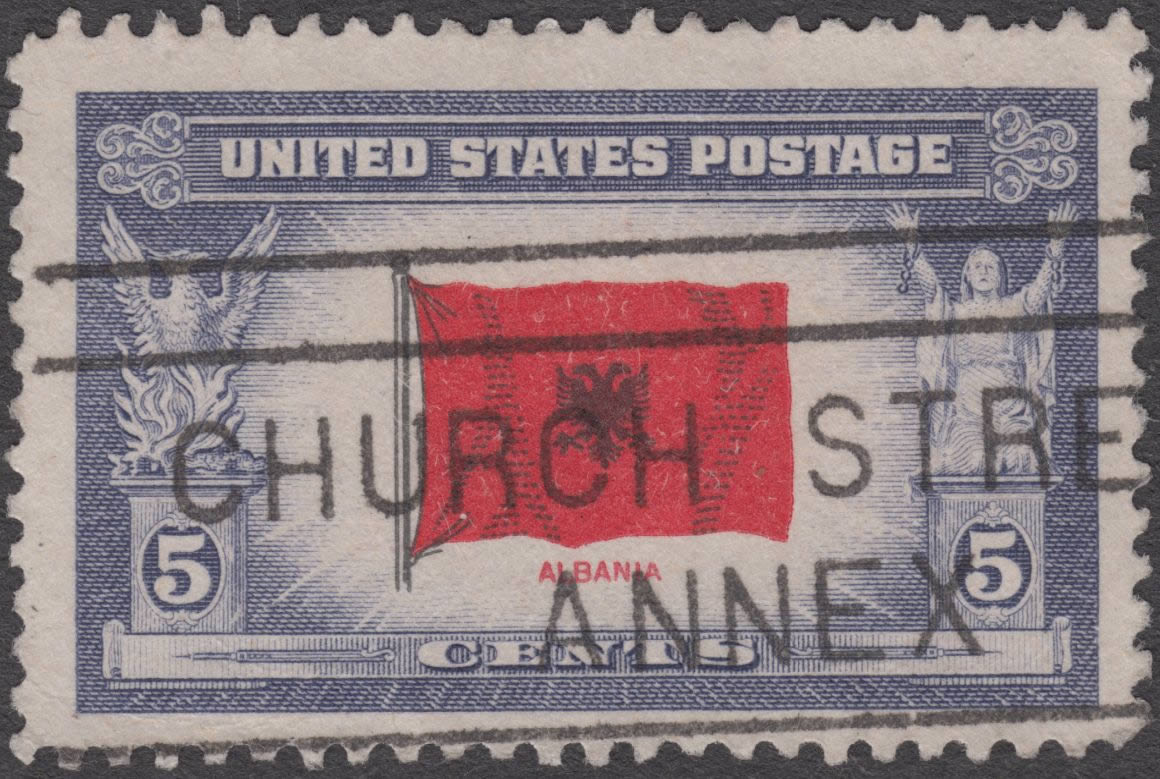
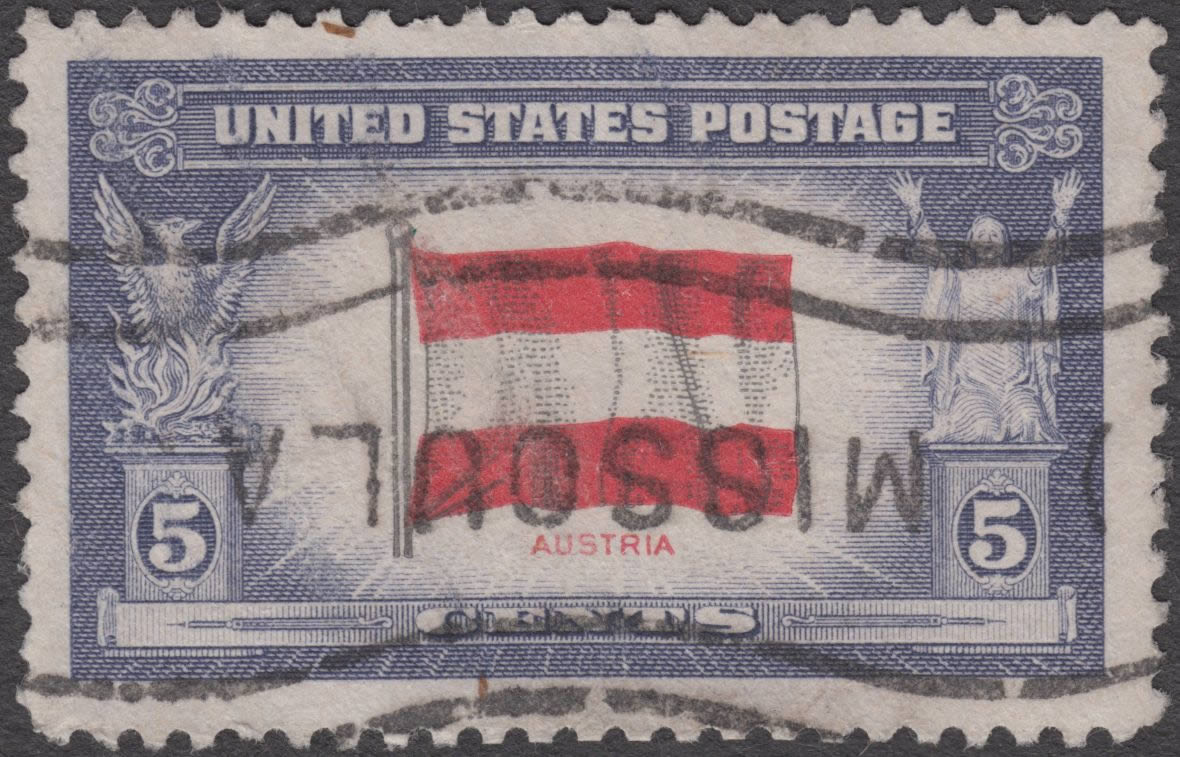
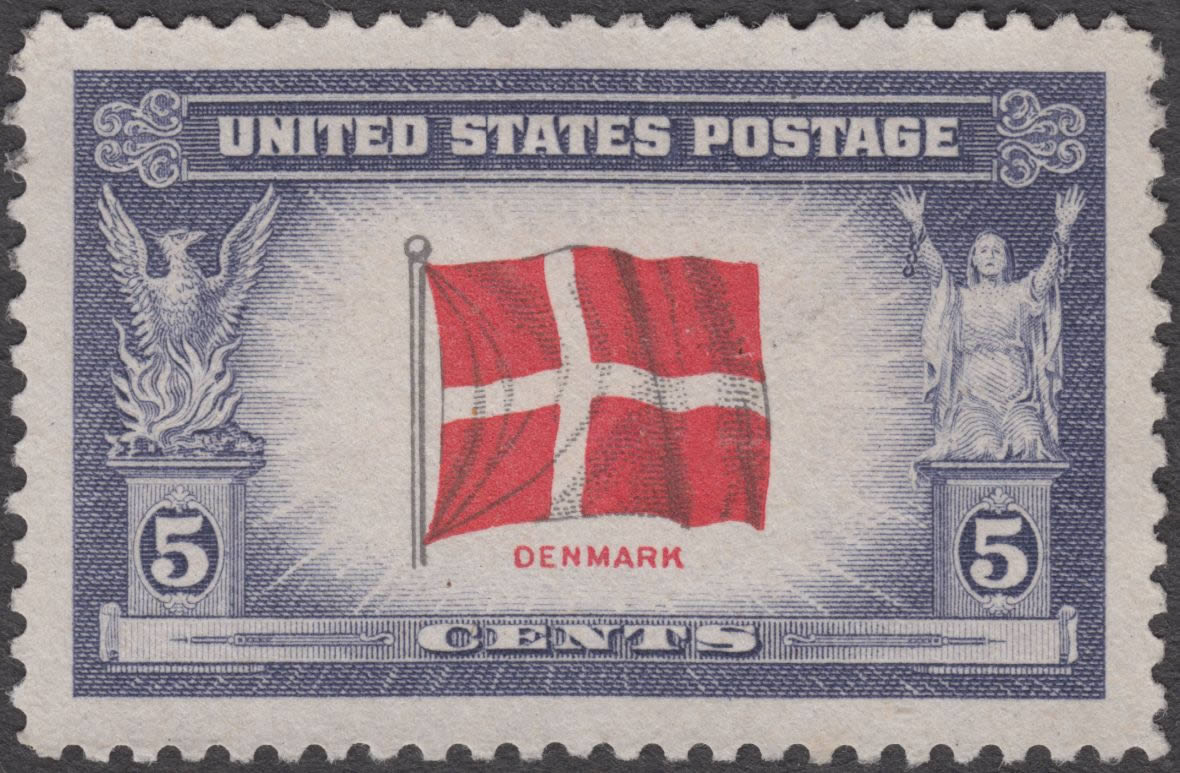
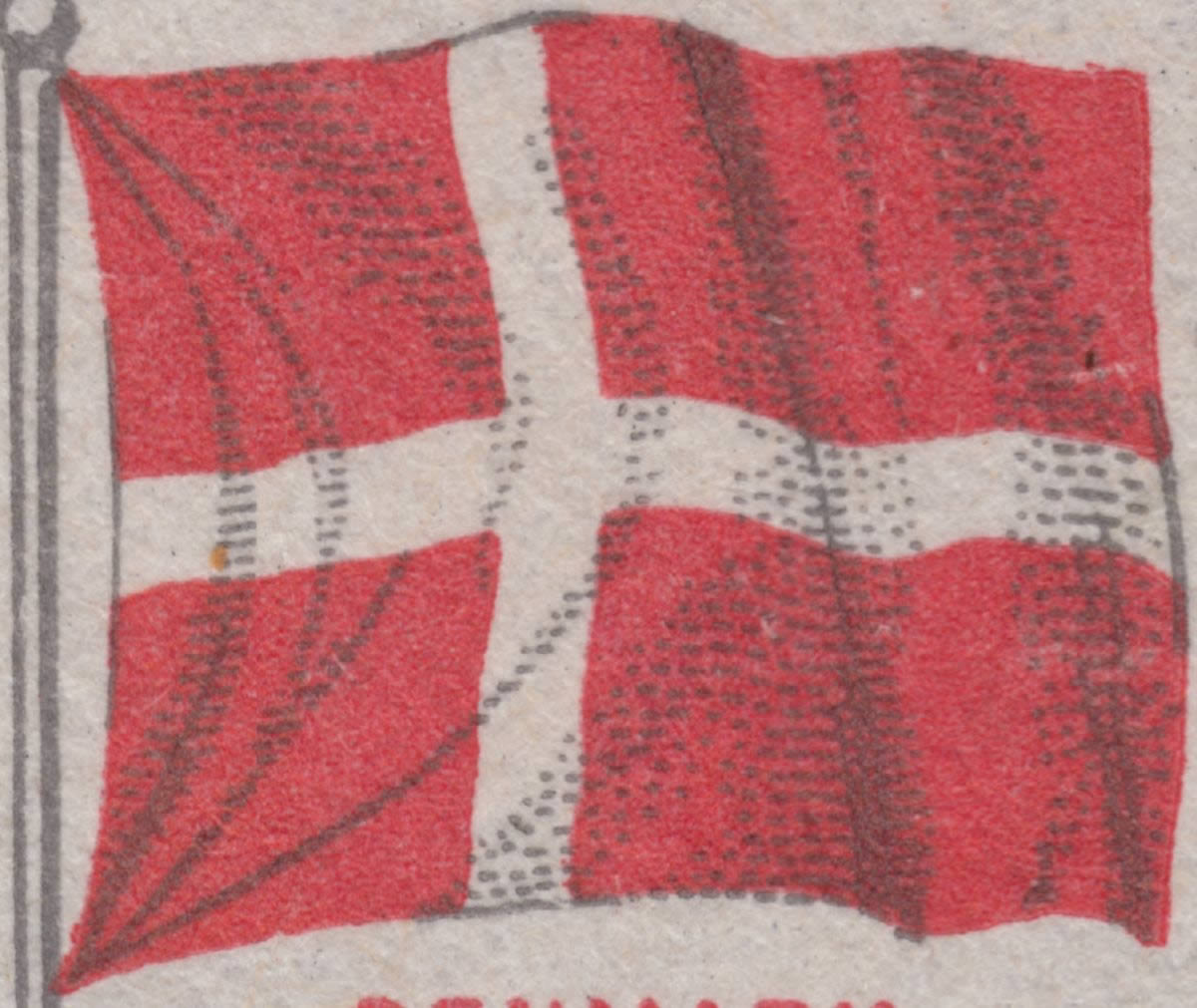
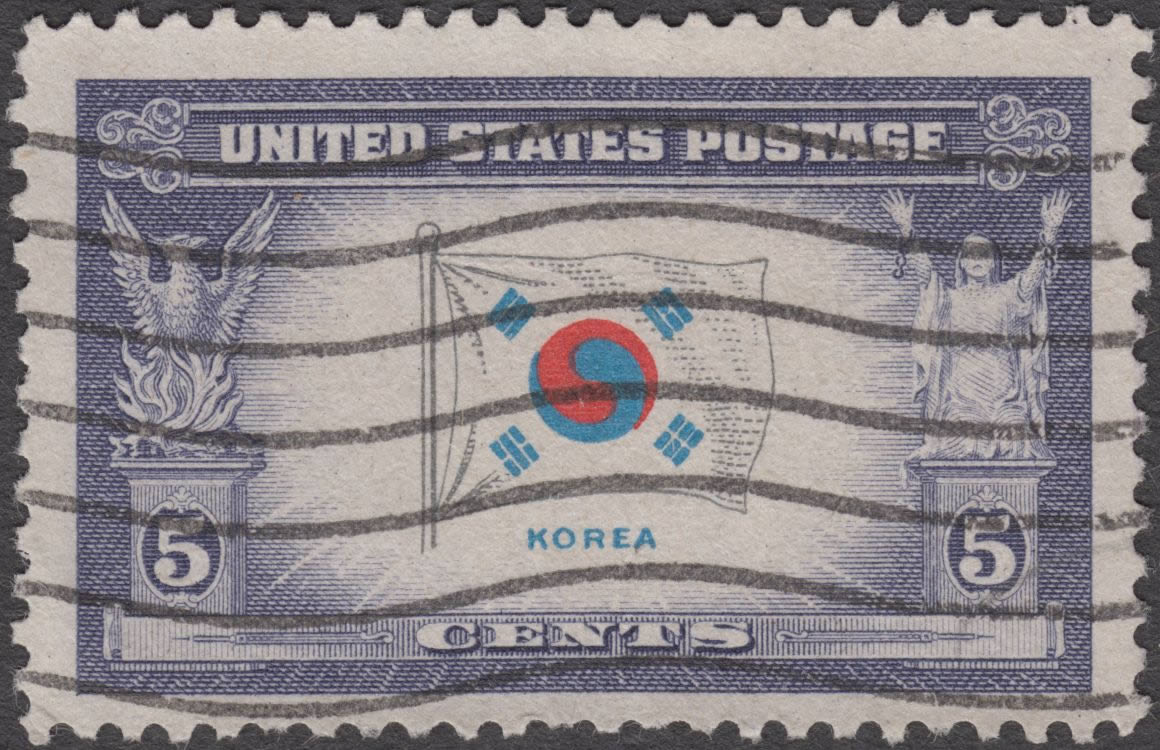
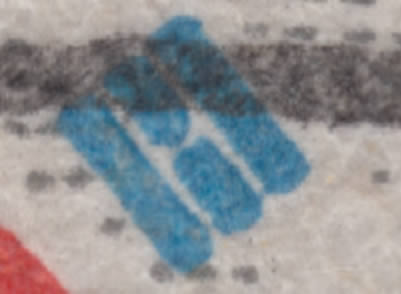
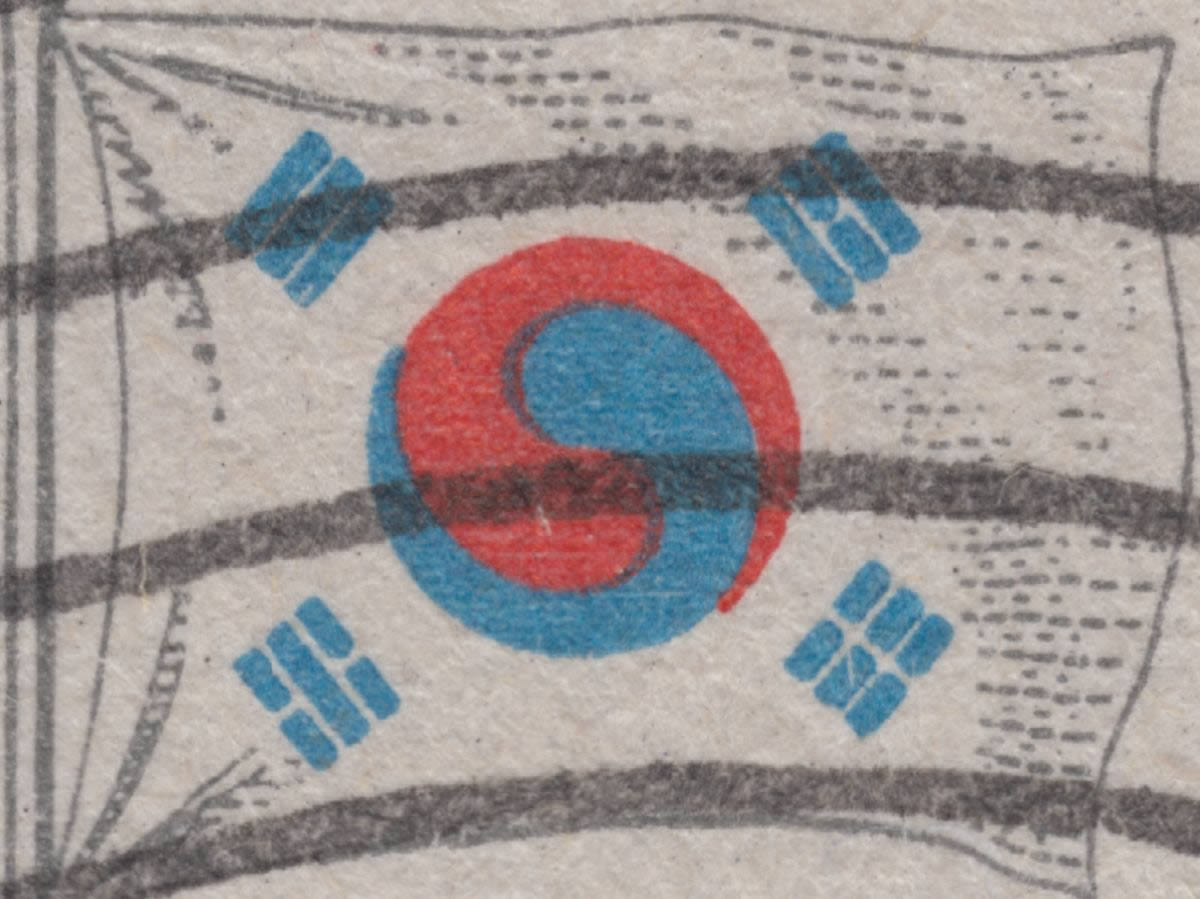
The Overrun Countries Issues is a fascinating group of 13 issues that has gone unstudied for over seventy years. In 2014, Keith Litchman began publishing comprehensive study of this issue and I have been proud to assist him in his research and efforts. I am currently working with Keith on Book 7, France, hopefully to be released later this year.
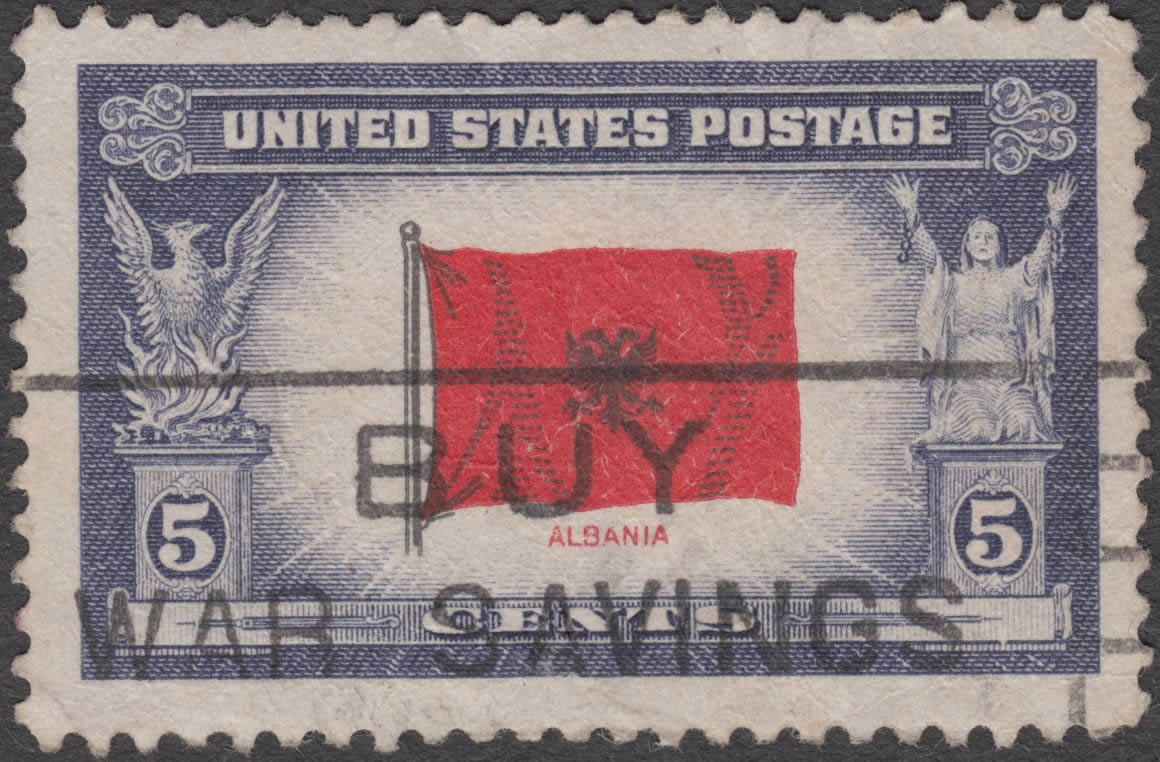
First, to address the question of the initial question posed "dynamode" - as to if his copy was a Sc#909a? My opinion is yes. Below you will find two copies for with a side-by-side comparison of Sc#909a and Sc#909. Identification by color alone is how it's done, but in this case you can easily see the difference. The Stamp Smarter does have a reference area you can refer to
http://www.stampsmarter.com/learnin...un_home.html.

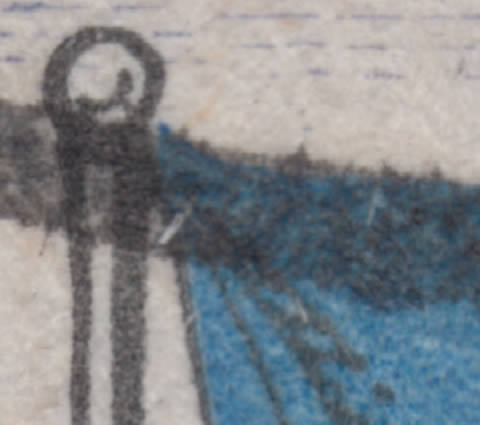
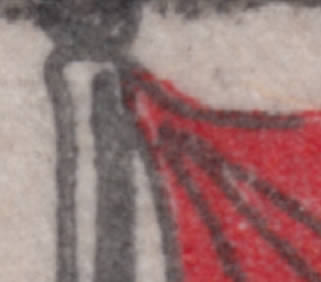
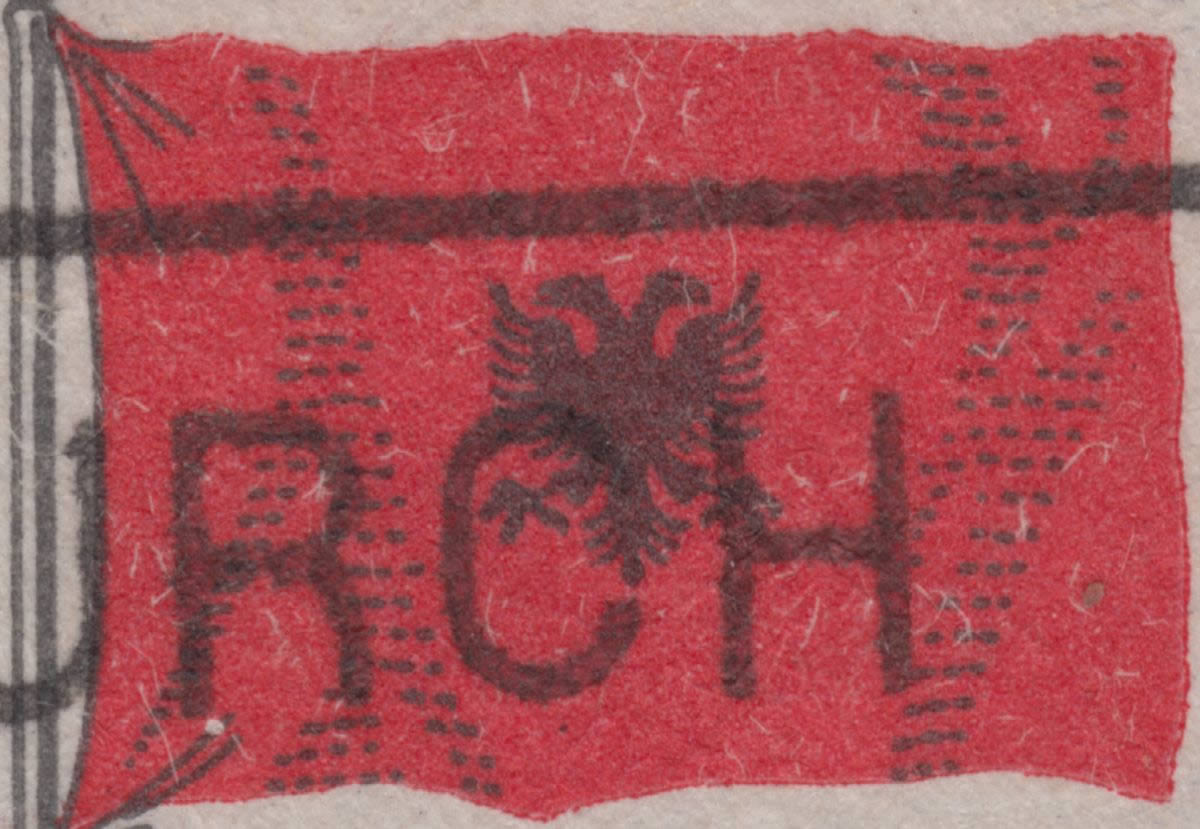
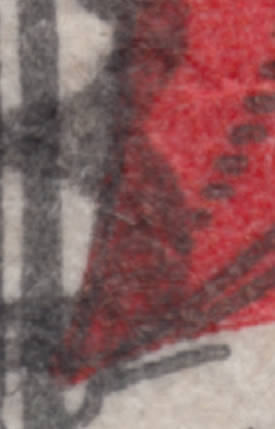
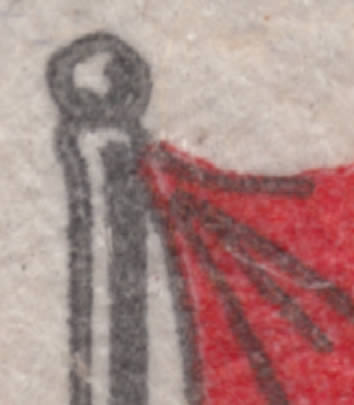
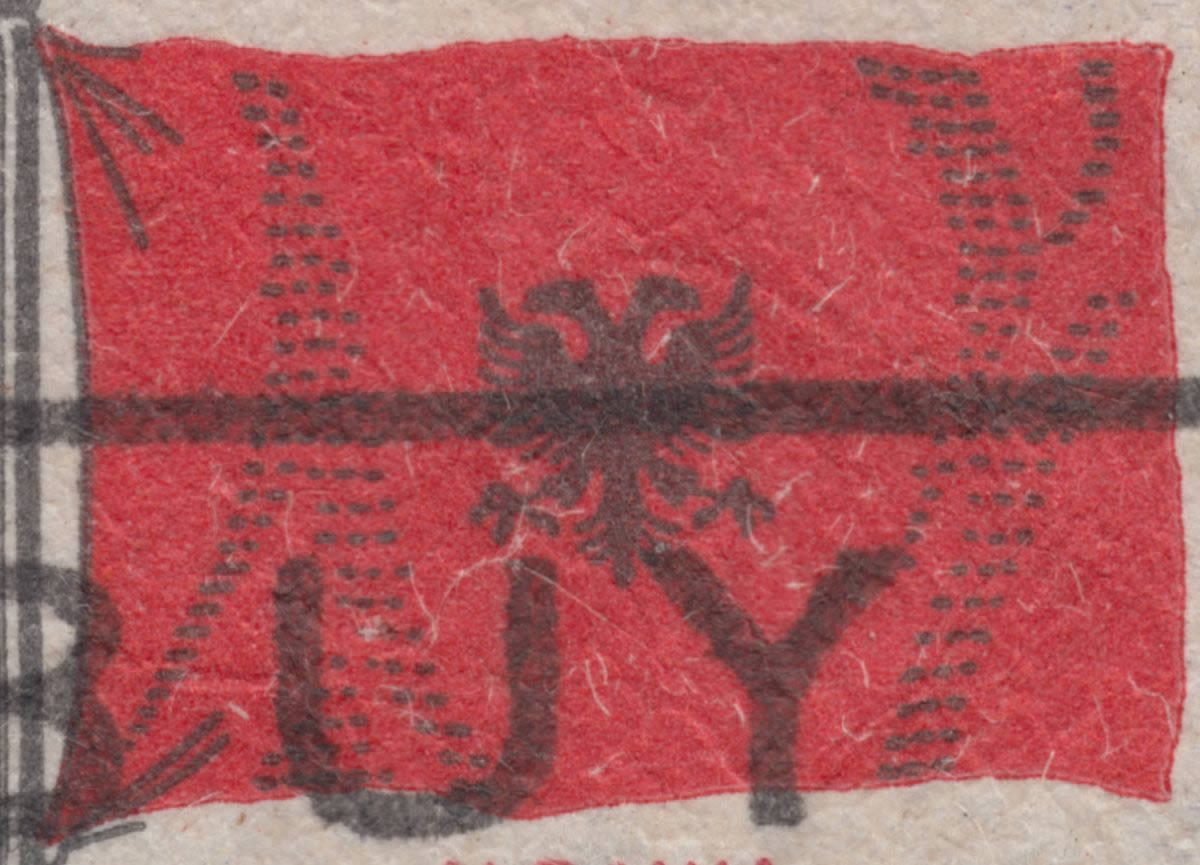
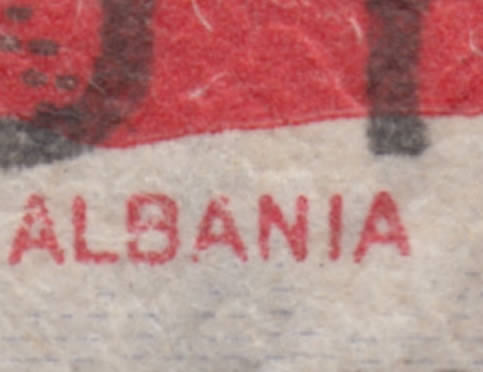
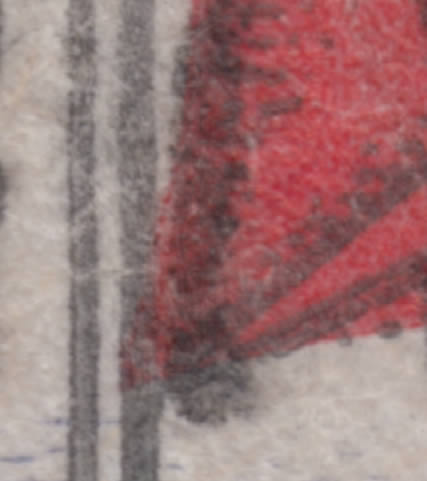
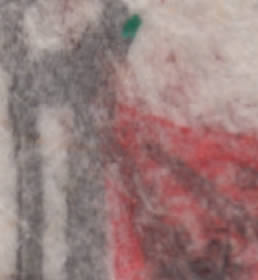
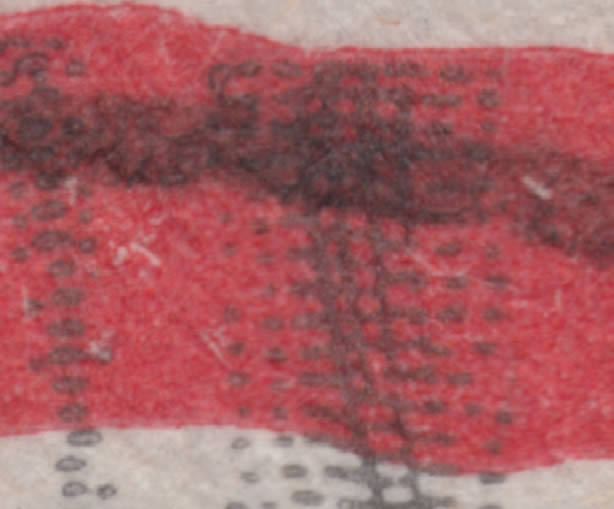
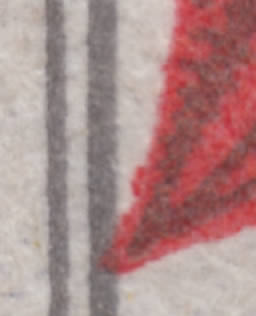
The script image POLAND or POLANO. Interesting question. At first glance it looks like the POLANO error, A better description of this was hand-correct type. The "D" broke on the plate (look how small the type is) and a plate technician repaired the plate.
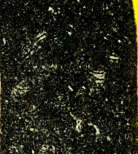
Normal "POLAND"

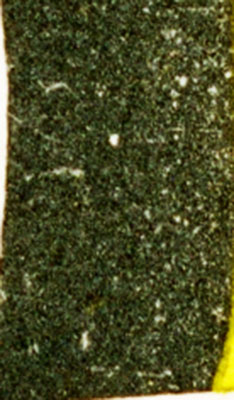
"POLANO" ERROR

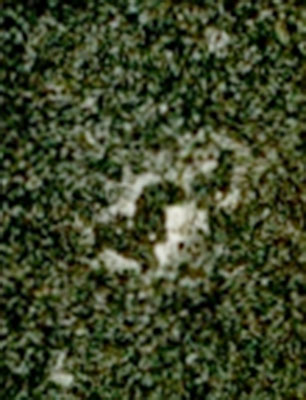
"O" ENHANCED to show correction

I strongly suggest you buy Keith's books if you are interested in this issue. Why? They have all up-to-date information with all the MAJOR varieties as well as minor varieties. The images are large, in color are easy to see and understand. SCOTT Publishing, to put it bluntly, has dropped the ball when it comes to this issue and they have done a dis-service got the collectors for over seventy years simply because at the time of the stamp's release this stamp issue was printed on a brand-new untried printing press developed by the American Banknote Company; ABNC refused to release or answer any questions on how the stamp was printed.
I located the Patent for this Press and it turned out to be a forerunner to today's specialty web mutely-color lithography printing presses. ABNC had invented a printing press that was fifteen+ years ahead of the industry and they didn't want anyone in the industry to learn what they had...not even stamp collectors or the Editors of SCOTT Publishing (a printer).
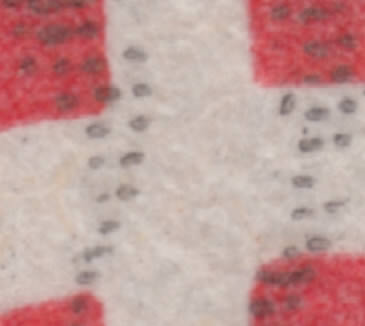
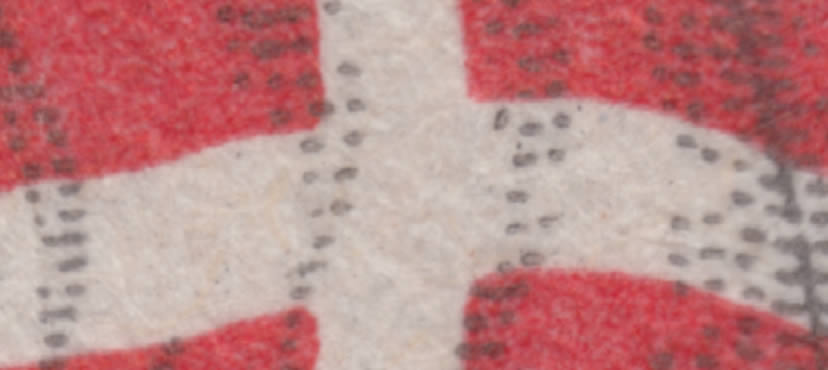
Additionally, "The Encyclopedia of Plate Varieties on U.S. Bureau-Printed Postage Stamps" by Loran C. French, an excellent reference, is outdated in the area of Overrun Countries, based on Keith's study. I should it perfectly clear that when it comes to varieties -- EFO collector and "Fly Spec" Collectors will be in heaven with this issue. Which is another reason you will need these books... to understand the Plate Varieties from the Printing Varieties from the random ink splatter varieties.
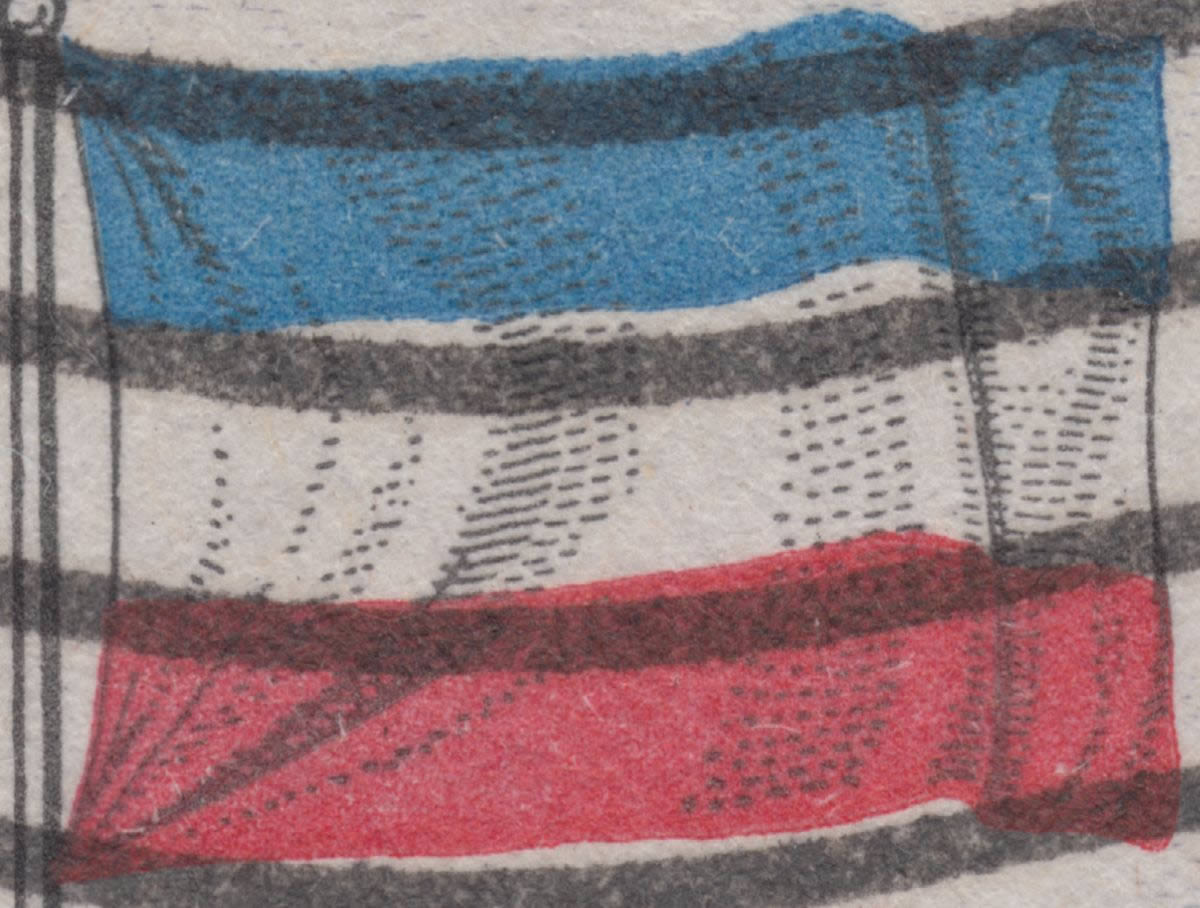
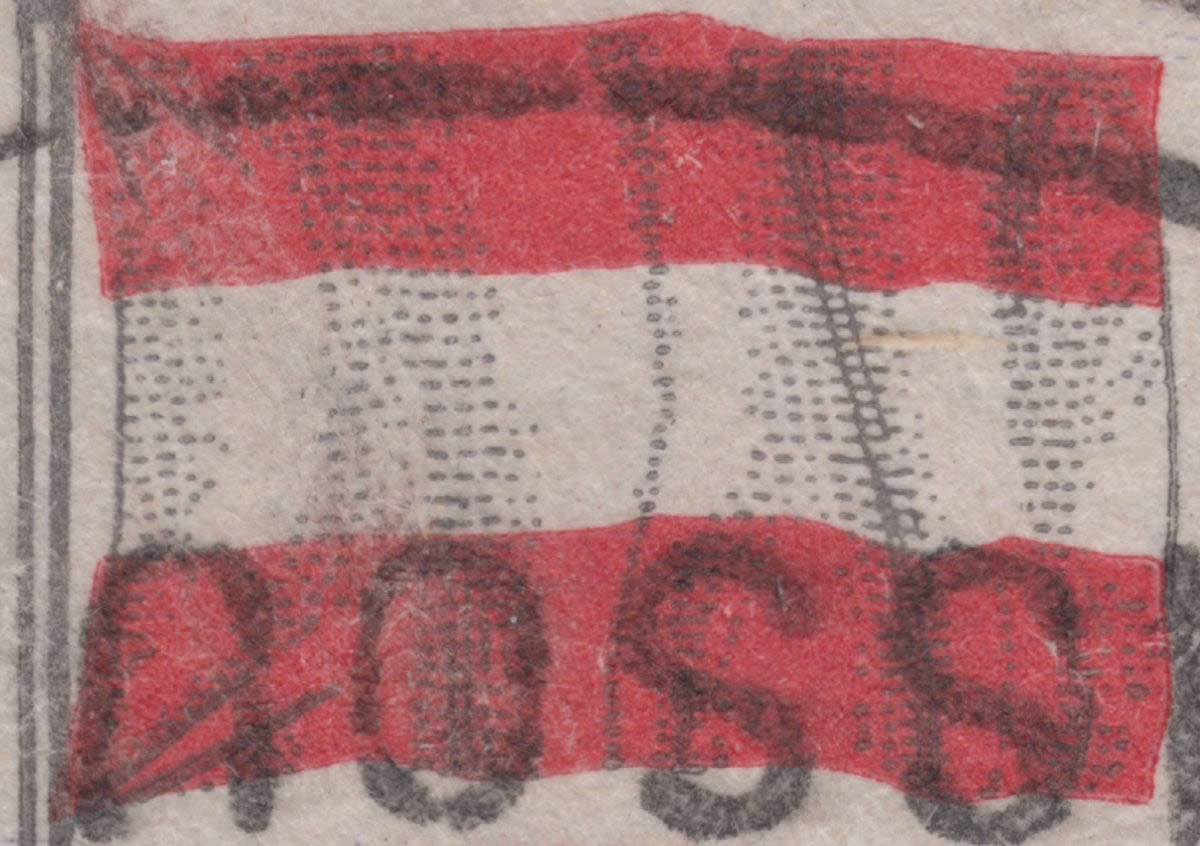
As a prime example, the Belgium and France issues were printed at the same time on the same printing form (Type II) with Belgium at the top of the form and France at the bottom of the form. The Belgium form had a problem with the Black Ink. ABNC was printing these issues in wartime conditions, receiving inferior wartime paper, wartime inks; remember the problems with Washington-Franklin inks during WWI.
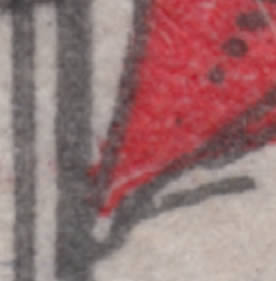
ABNC had a batch of bad ink (basically incompatible) Black ink-to-paper that appeared during the running of this issue. They had similar issues with the Red and Yellow inks, but to a lesser extent. The Black ink began to "pit", "mottle", "pick" and have very poor adhesion issues compounded by print hickeys, paper shard hickeys and "ghosting" not seen in other issues and not see in the bottom of the sheet. I'm sure the senior ABNC pressmen were tearing their hair out trying to solve the problems. They finally did. They stopped the press, cleaned the Black and Red Ink fountains, plates, platens and blankets and put in new and different ink. Which is why you see three different Black inks in the Belgium flag issue and two different Red inks.

Hal





 Posted 03/05/2018 1:27 pm