Quote:
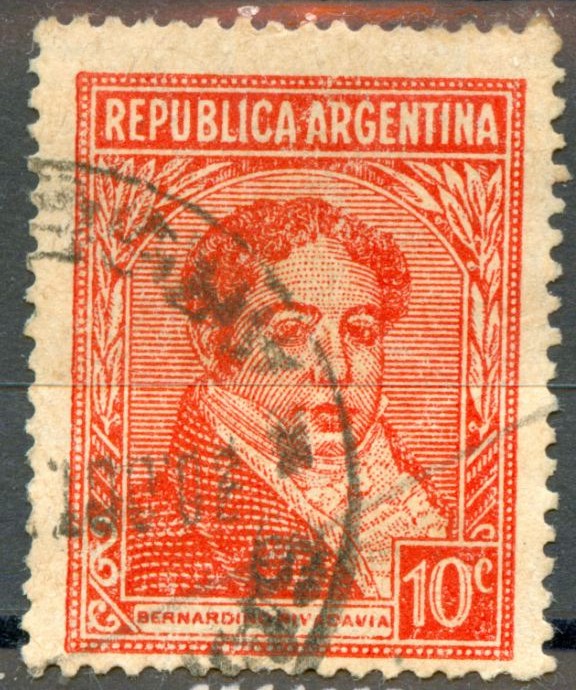
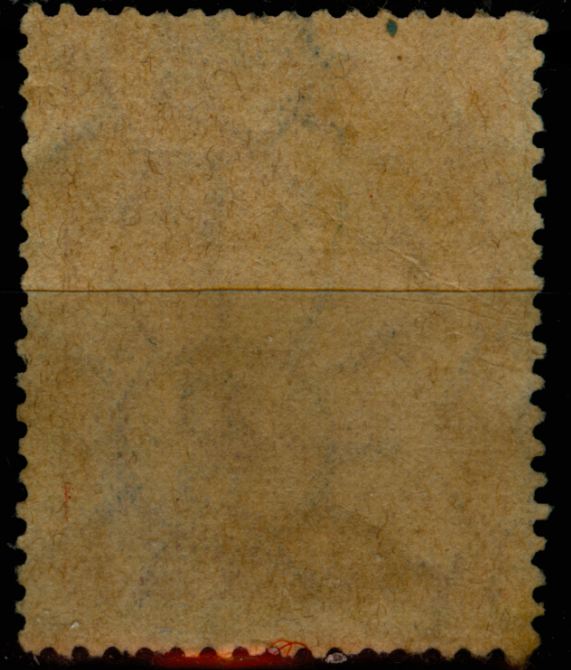
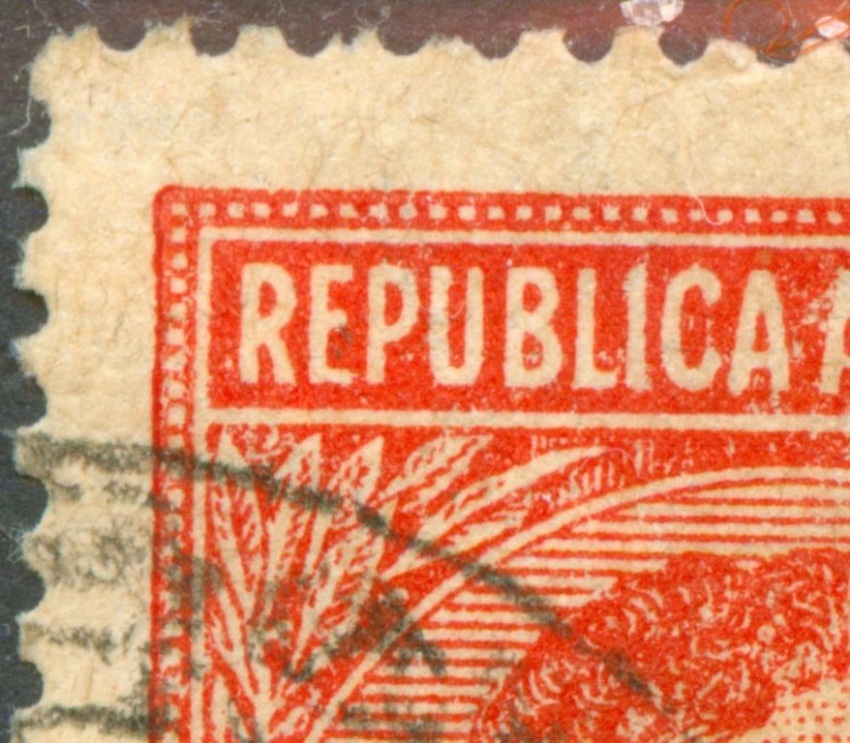
The variety for most part exhibits only a single inclusion, hardly justification for the listing IMO.
I have to take issue with this characterization of the paper variety meant by the term "straw paper." The term was first applied to US stamps in 1915 by H.L. Wiley in reference to stamps on decidedly hard paper which showed "straw" colored flecks in the paper. He estimated that only about 10% of stamps showed these inclusions and he described the thickness characteristics of the paper, particle size, etc. Wiley insisted that single fiber examples should be treated with skepticism, and suggested that a bonafide exmple should show 15-25 distinct fibers per stamp.
Wiley was convinced that this was a distinctive paper type, and that is how it came to the attention of catalogers. However, in our time the analytical work of John Barwis has given us a better appreciation for what this phenomenon really is, and how it should be regarded. First in his exhibition study of the 3c green (in the 1990s up to 2000 or so) John showed various "types" of straw paper, e.g. thin and medium open-wove paper, and associated all these inclusions to contaminants in the pulping process. However, much more recently, in a paper published in the First International Symposium on Analytical Methods in Philately, in which he looked at the fiber structure, strength and thickness characteristics of stamp paper for the 3c green, he discarded the notion that these inclusions were to be identified with straw, and pointed out that their presence was not to be associated with an intentional aspect of paper manufacture. In short, that straw paper was not an intended paper type but arose incidentally in the normal process of manufacture.
Specialists will vary in the amount of attention they will give to the presence of these fiber specks, for whatever reason. And given the history of their observance, it is not surprising that the catalogs will do the same.





 Posted 02/23/2018 07:50 am


 "Fiber speccing" (or "specking") could be devoted to the detailed study of the characteristics of paper fibers, which are nothing more than specks to the naked eye anyway.