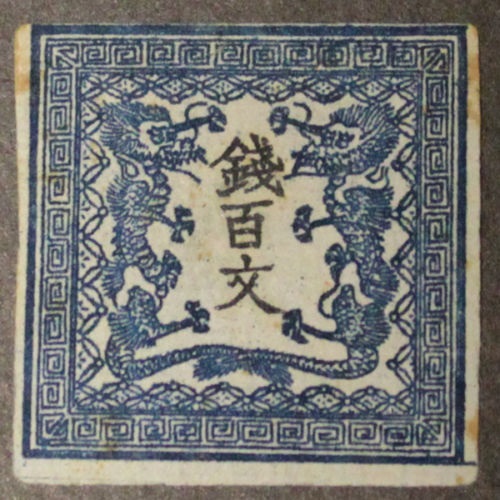
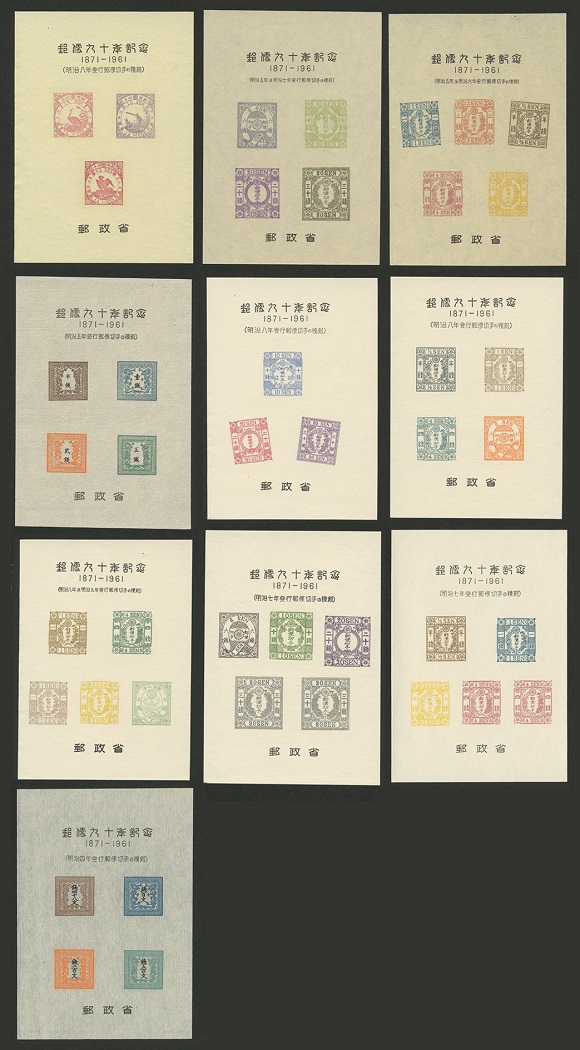
Exactly what reference material do you have? The ISJP reference is pretty comprehensive. Genuine Dragons nearly all have secret marks and the ones that don't can be identified by unique design characteristics. There are major references by Dr. Ichida on Dragons and Cherry Blossoms with plating photos of sheets to definitively identify those issues. The one real problem issue is the 1 sen blue with syllabic in that there are several that can be mistaken for forgeries. And there's even a book to plate and positively identify those.
Quote:
Seems to me the best way to learn the differences between real ones and fake ones is to have both in front of me. If that seems reasonable, what would you pay for an obvious forgery?
I do not think side by side comparison is needed nor necessarily helpful to most collectors. The production method for both is often the same. Walking around with references or learning them before you buy is. The vast majority aren't very good once you become familiar with them so I would only pay a dollar or two each. Whether you can buy a forgery depends on the seller; the fraudsters are looking for 10% of catalog or more in many cases, even for stated forgeries.
Quote:
Would you pay for a stamp that isn't clearly one or the other hoping that it's proven real in the end? Or are the chances of an unverified stamp being a real one similar to winning a lottery?
Japan forgeries outnumber genuine by a massive amount; if it's in the general stamp market, it's probably known beforehand whether a stamp is genuine or not. Guessing is a fool's game. Genuineness is established by matching stamps with those in photos of full sheets or reconstructed sheets (plating). I may be wrong about the 1 sen blue with syllabic but I believe there is a photograph of everything in this era. So basically there are no "if"s for Japanese stamps if you have the reference material or submit it to an expert service that does.





 Posted 05/22/2018 8:39 pm