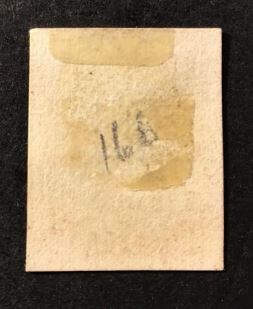
Sorry for the delay, I seldom visit the list these days.
Quote:
I'm curious about the thickness argument.
Form the tone and tenor of your comments I don't think you mean to say "curious." I infer that you mean to say "dubious."
Quote:
The proof was wet when it was printed and it seems to me that the thickness would be the same after drying a second time.
Where on earth did you get this idea about the treatment of materials in the proving room? How much moisture do you think was involved in prepping the cardstock for printing? Slightly dampened is one thing, soaked is quite something else. what happens to cardboard when you soak it?
Quote:
I don't have a micrometer, so I haven't checked. Have you made measurements to back up the claim?
Let me suggest a spring-loaded Mitutoyo dial thickness gauge. They give a uniform pressure to remove one variable in measurement, namely inconsistent pressure from user application.
And yes, I have done measurements in the quest for the five key thicknesses. A fair amount of failure there for material no longer to spec. Cannot account for all the ways that might have happened.
Quote:
I imagine the thickness variations can be subtle and I would like to know more.
What do you want to know? I don't get the impression from your comment about instrumentation that you are in a position to troubleshoot this.
The bottom line for those who respect such things is don't apply radical solutions to material unless you have a good knowledge of the effects your actions MIGHT have. The OP had specified a buildup of hinges and was given a consensus opinion of a less intrusive solution, albeit at the cost of a little more effort to apply the corrective. Ignoring such advice takes on a risk you may not quite expect, since some alterations are not reversible.





 Posted 07/29/2018 3:58 pm