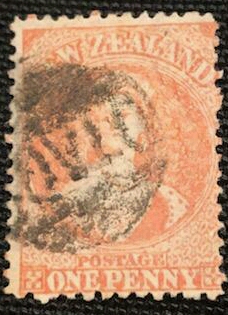
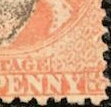
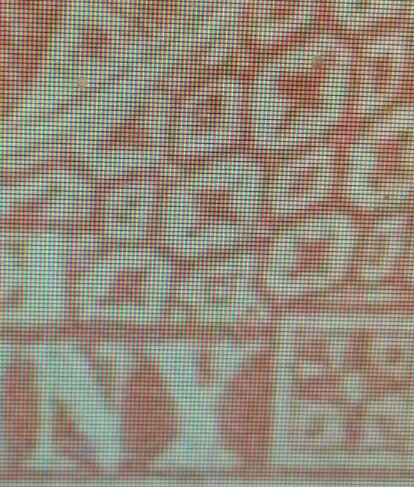
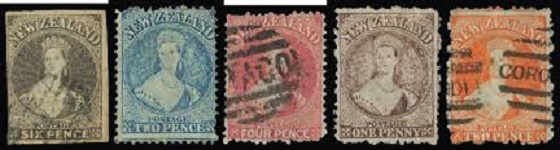
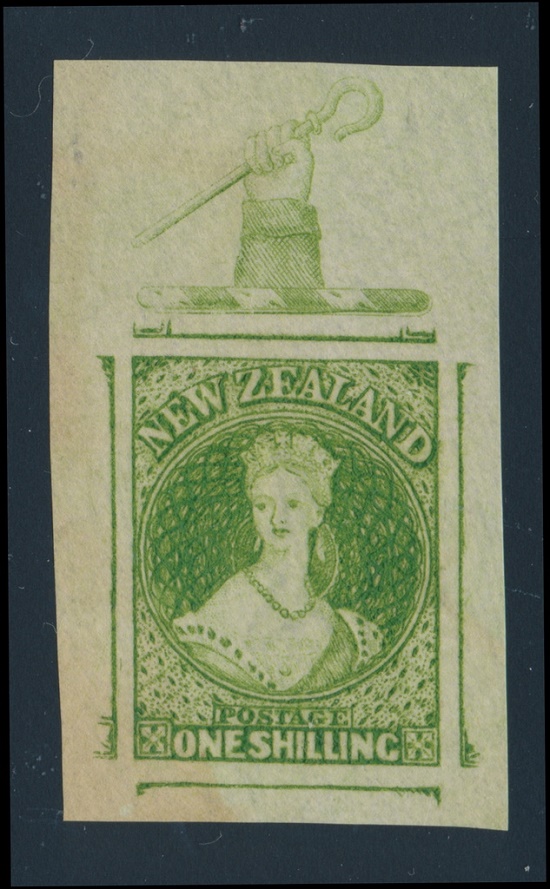
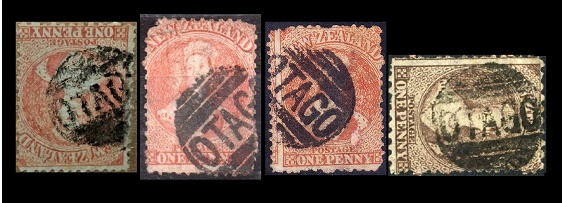
It's not the so-called Jeffryes forgery, shown here a little better:
http://www.andrewsnzstamps.com/nz-f...aired-stampsWhat's throwing off the viewer are the weird-looking portrait eyes, which I believe is just due to plate wear.
Next to SG#35 here
http://stampforgeries.com/forged-st...new-zealand/is a reprint, from a worn plate, with similar eyes. In any case, the originals are engraved, the forgeries are not (litho, I think). The clue is the sharpness of the thin engraved lines (use a magnifier) even when the design is worn. And there are some tremendously worn plates that were used to print Chalon Heads.
Forget the idea of "reprint". The color is similar, but anyone taking an imperf reprint, perfing it badly and adding a rather smudgy cancel would be an idiot.
Save your money for a certificate for this. Check the APS site and see what certificates cost. Compare with catalog values. This is probably SCV $30 or so. Ah, but there's a catch to that. The Scott prices are for sound perfed examples with margins clear of the design, very difficult for these. With margins cutting, the price drops tremendously. Heavy cancels, tiny faults drop the price even more. Typical off-center Chalon Head collections with varying degrees of faults sell for a few per cent of CV. Similarly for imperfs, those big CVs are for 4-margin stamps with large margins for the issue. Even stamps with almost 4 margins showing are a fairly low percentage of CV.
Now if you have a bunch of Chalon Heads and you want to identify them, separate imperf from perf, then separate each of those groups by watermark. Then go through Scott or whatever catalog starting from the beginning of New Zealand and check for characteristics of each issue, one by one. There are really no shortcuts until you have learned the issue better. You can bring them here for ID but don't show 50 of them at once and ask for identification.





 Posted 10/29/2018 9:50 pm