| Author |
 Replies: 12 / Views: 1,050 Replies: 12 / Views: 1,050 |
|
|
Valued Member
United States
249 Posts |
|
|
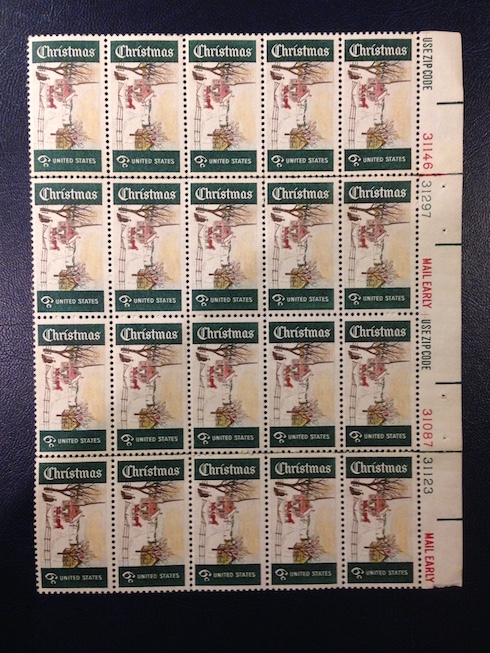 I count four unique 5-digit numbers. How many complete blocks are here, and how are the delineated? Thanks in advance.... |
|
Send note to Staff
|
|
|
|
|
Bedrock Of The Community
United States
10838 Posts |
|
|
One block, but it is not a plate block; it should have 5 numbers and 10 stamps to be a plate block (5x2). |
Send note to Staff 
|
|
|
Rest in Peace
United States
1189 Posts |
|
|
Revcollector is right. This is only a block of stamps, there is NO plate block here.
Plate blocks, to be considered as such, must have ALL the requisite stamps and numbered selvage to make the designation. |
|
Send note to Staff
|
|
|
Valued Member
United States
249 Posts |
|
|
"One block, but it is not a plate block; it should have 5 numbers and 10 stamps to be a plate block (5x2)."
Should those 10 stamps be counted five (vertically) by 2 (horizontal) for it to be a PB? |
|
Send note to Staff
|
|
|
Pillar Of The Community

United States
1498 Posts |
|
|
Valued Member
United States
249 Posts |
|
|
Pillar Of The Community
United States
677 Posts |
|
|
I'd like to piggyback onto this thread:
Regarding Plate blocks, is it still considered a plate block if it has all the numbers along one edge and the correct number of stamps, but is missing the selvage on the non-plate numbered side?
Thanks,
Dave N. |
|
Send note to Staff
|
|
|
Rest in Peace
United States
1189 Posts |
|
|
That would depend upon the type of plate block. Some plate blocks only have selve along one side. Here are a couple of examples: 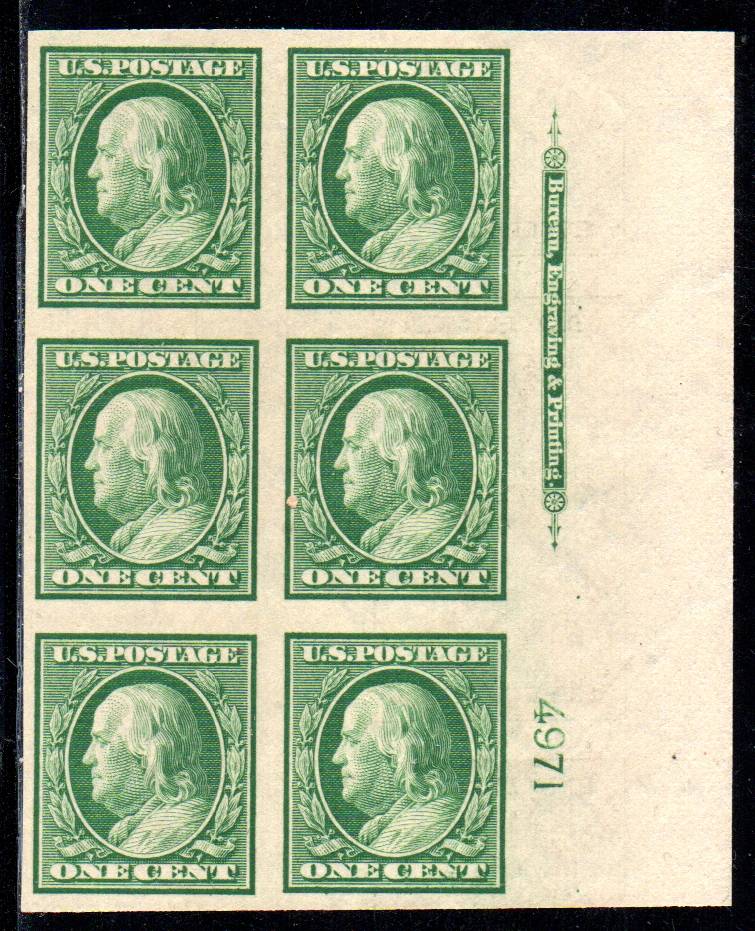 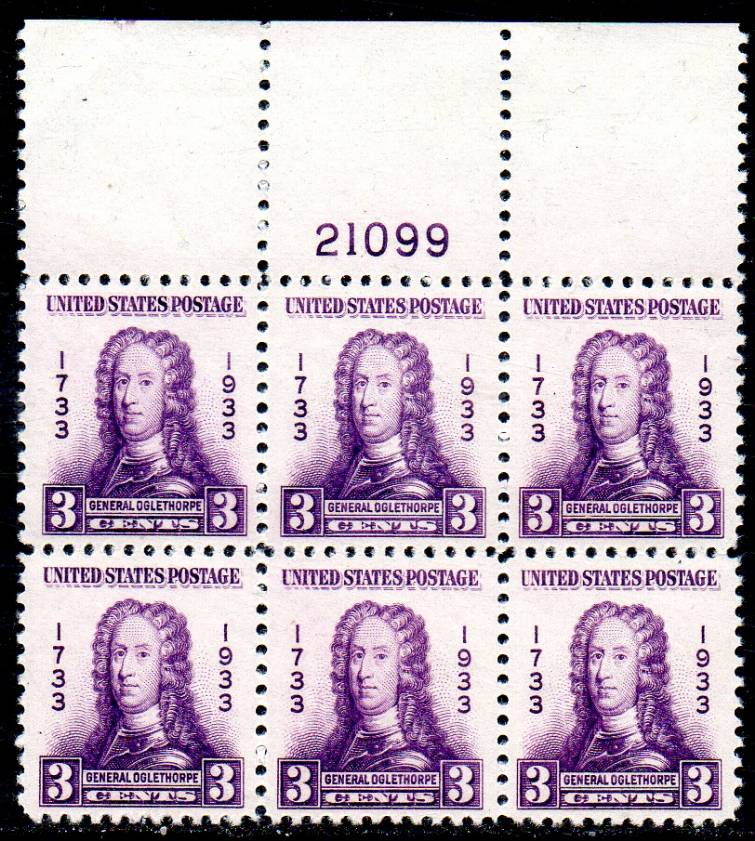 The modern plate blocks (rotary press printings primarily) have the plate blocks in the corners. This requires the blank selvage on the perpendicular side as shown in the following examples: 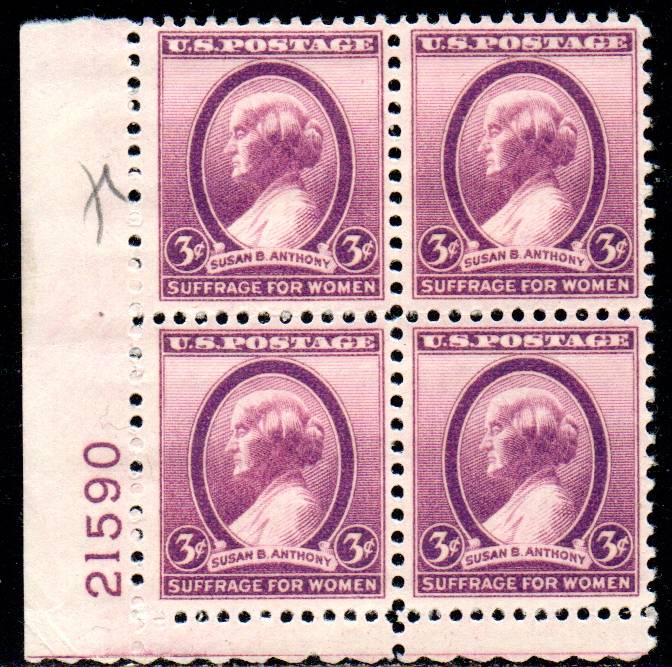 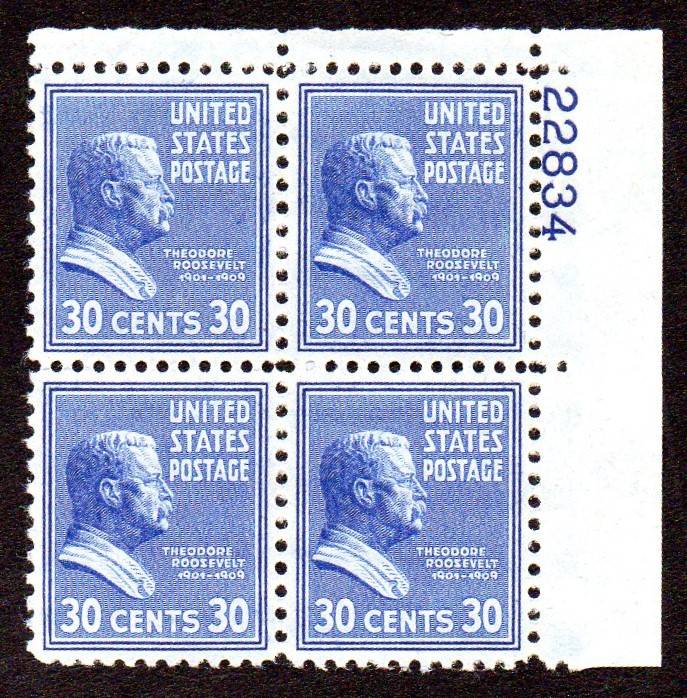 Until the 1970s, these would be the types of plate blocks collectors expected to find. Then came the large plate blocks. These sometimes required twenty stamps to have a full plate block. Here are a couple of examples of these: 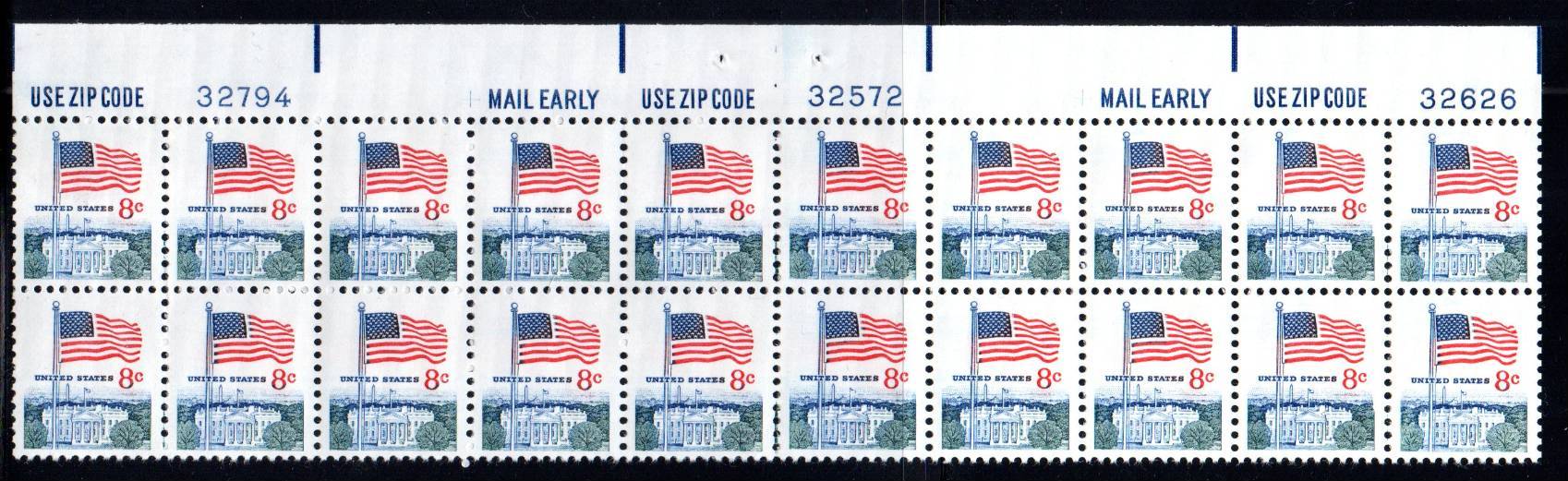 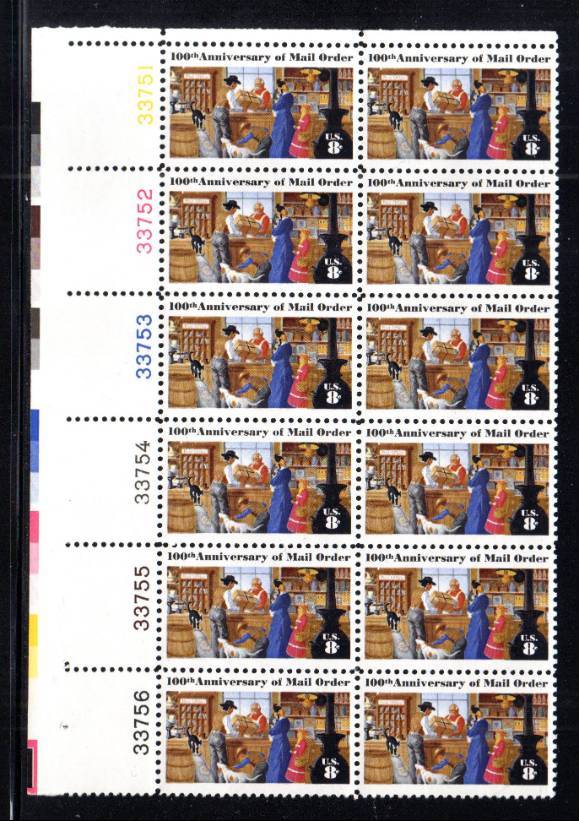 Because of the sheer size, and added expense, this pretty much drove almost all collectors away from collecting plate blocks. It was argued that the USPS was simply taking advantage of collectors by creating such large plate blocks. Couple that with the fact the price of postage had begun creeping up and many collectors stopped collecting them. Hope this helps you understand plate blocks a little better. |
|
Send note to Staff
|
|
|
Pillar Of The Community
United States
677 Posts |
|
|
Valued Member
276 Posts |
|
|
When designs with 3+ plate numbers arose had there been a debate as to what made a plate block? Rather than chase collectors away with larger sized blocks, why was a modern plate block not simply (re)defined or agreed to as "a corner block of 4 that shows 1 or more plate numbers in the selvage"? |
|
Send note to Staff
|
|
|
Pillar Of The Community
United States
3288 Posts |
|
|
Quote:
When designs with 3+ plate numbers arose had there been a debate as to what made a plate block? Rather than chase collectors away with larger sized blocks, why was a modern plate block not simply (re)defined or agreed to as "a corner block of 4 that shows 1 or more plate numbers in the selvage"? Possibly because each plate number was a color from the printing, your plate block would be missing some of it's numbers if only a corner block of four. |
|
Send note to Staff
|
|
|
Pillar Of The Community
United States
506 Posts |
|
|
It is true that many multicolored stamps had multiple numbers, one for each color 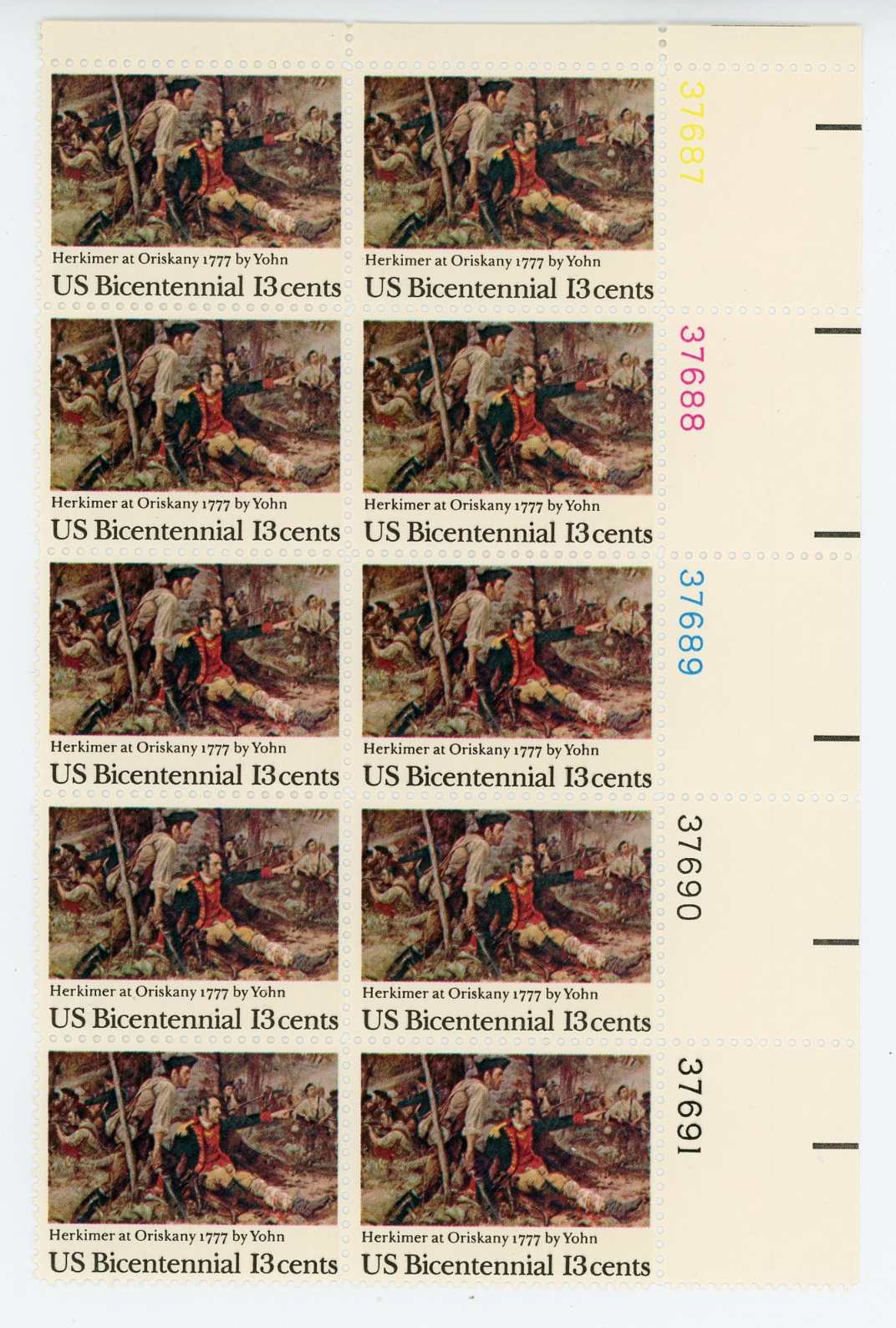 But it didn't have to be that way as the following examples show 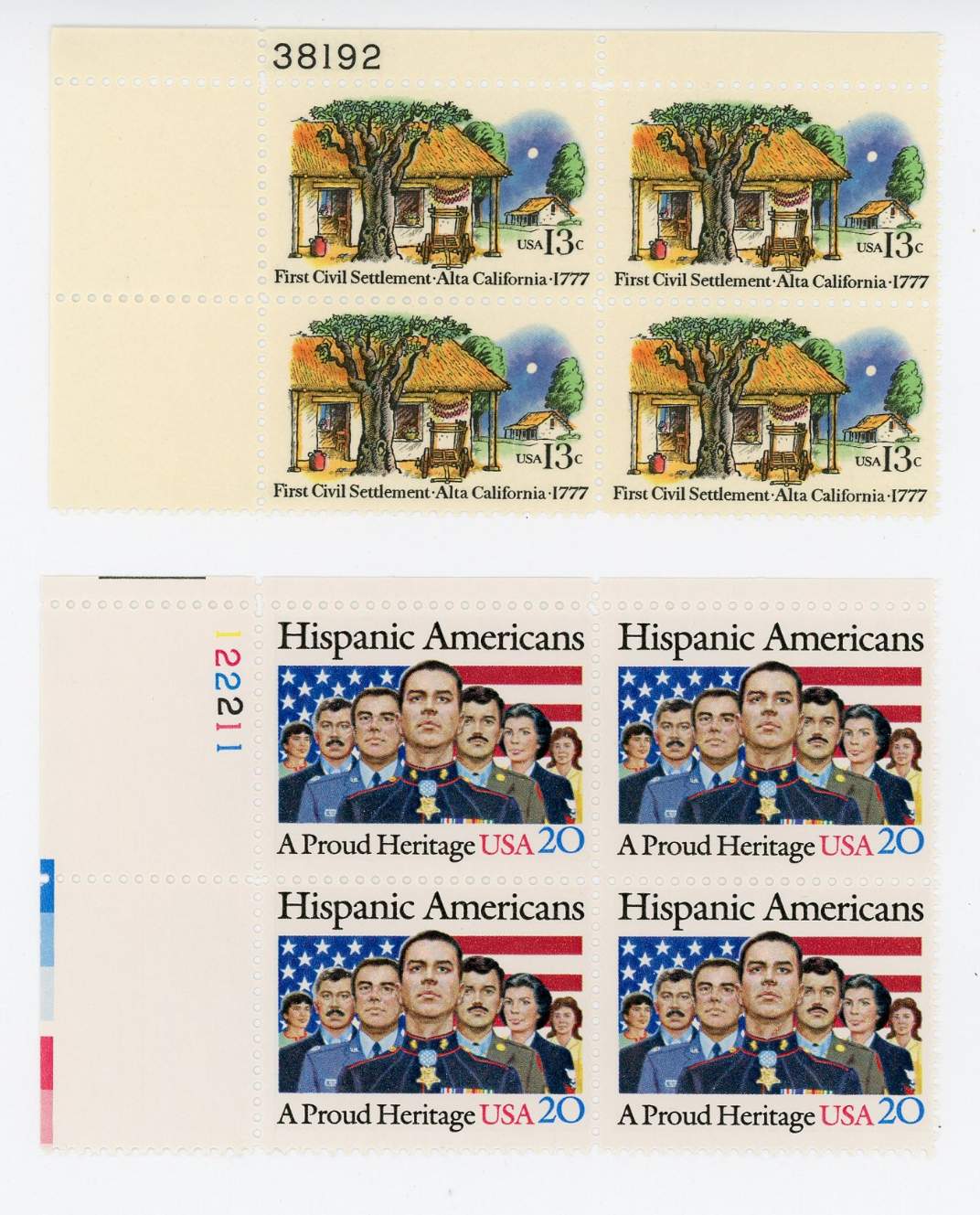 I think they knew what they were doing. I remember a statistic 20 or so years ago that stamp collectors delivered $500 million to the USPS and required no services in return. They did enough of these, that after 4 years, I like many gave up on collecting plate blocks entirely. As more and more US issues involved sheetlets and sheets of 20, 25 or 50 different stamps, I gave up on US recent issues also. Something about killing the goose that laid the golden egg springs to mind |
|
Send note to Staff
|
|
|
Valued Member
276 Posts |
|
|
Sure, a corner block might be missing some plate numbers, but so what? I'd rather that than the resulting "killing" of plate block collecting to which many allude.
PNC5s are similar. Line pairs used to consist of 2 stamps. When visible coil plate numbers arrived, they could have been collected as individual stamps, or perhaps 3 to preserve the multiple yet provide visual symmetry, and indeed anyone can collect in that fashion. However somehow we wound up with strips of 5 being preferred. I suppose the market (collectors) decided 5 was the preferred quantity, but it's almost like we really want to hand the USPS more money.
|
|
Send note to Staff
|
|
| |
Replies: 12 / Views: 1,050 |
|




 Posted 12/21/2018 12:23 am


