| Author |
 Replies: 139 / Views: 11,128 Replies: 139 / Views: 11,128 |
|
|
|
Valued Member
Canada
97 Posts |
|
|
Ok, I see. So the ink migration would occur when some ink got onto the wrong parts of the cylinder. This makes sense. Thanks! |
Send note to Staff 
|
|
|
Rest in Peace
Netherlands
963 Posts |
|
|
Chris,
you pointed out that the industry [post office + printers] does not put on record everything they did and that they don't want us [stamp colllectors] to know everything.
For 36 years I was in close contact with that Dutch industry - having a monthly column in "Philatelie" - and I noticed that around 1985 the "computer" took over. I.e nothing on paper anymore and only the financial stuff as that was part of th integrated computer systems that made sense to the management.
I also had discussions with PO people about NOT telling the public every thing as that might scare them off and have the PO loose philatelic customers! |
|
Send note to Staff
|
|
|
Rest in Peace
Netherlands
963 Posts |
|
|
Another aspect you will NOT find I the archives probably is that around that time - early 1970-ies - all over the world there was a transition of uncoated paper to coated paper [1972 Canada, Germany, Belgium, UK] PLUS the combniation of recess with offset-litho or recess with photogravure.
Traditional recess - dies made by engravers - was OK on uncoated paper and the printing presses were constructed this way with pressure and speed etc... For printing in reel-fed presses with coated papper they needed different constructions!
That is why they kept uncoated paper as long as possible for the monocoloured recess: the Caricatures!
For the landscapes the preparation of recess dies was to be made completely different! No engraver involved or at least to some point.
In Belgium the King Baldwin definitives were in monocoloured recess on uncoated paper at first and then they changed to coated paper using the same cylinders and you could see the differences and the problems they had!
In Canada CBNC and BABN had problems and they could solve things out using different methods! The "engraving" for the 8c is diffeerent for the CBC printing than for the BABN one....
The high value landscape and the national parks show a different recess used by CBNC - it was NOT engraved at all! I wonder how they produced the dies! And whether this method can be found in the archives.
Part of this problem can be seen in the 15c and 25c were the shades of the recess parts are SO different in certain areas!
That is why thy had to add a dark cloud to the mountains! To hide the structural problem this technical transition posed on them.
And we had better not tell the philatelists :)
|
|
Send note to Staff
|
| Edited by Galeoptix - 01/23/2019 2:58 pm |
|
|
Rest in Peace
Netherlands
963 Posts |
|
|
15c sheep: 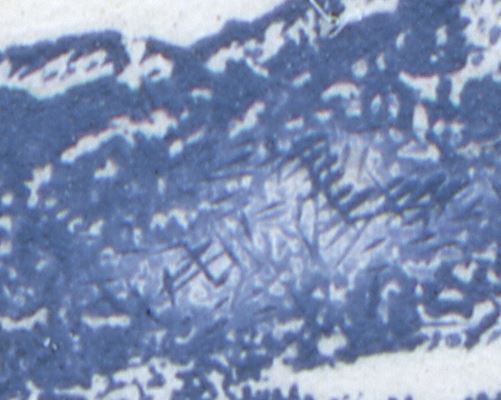 50c Street Scene [1978 CBNC]: 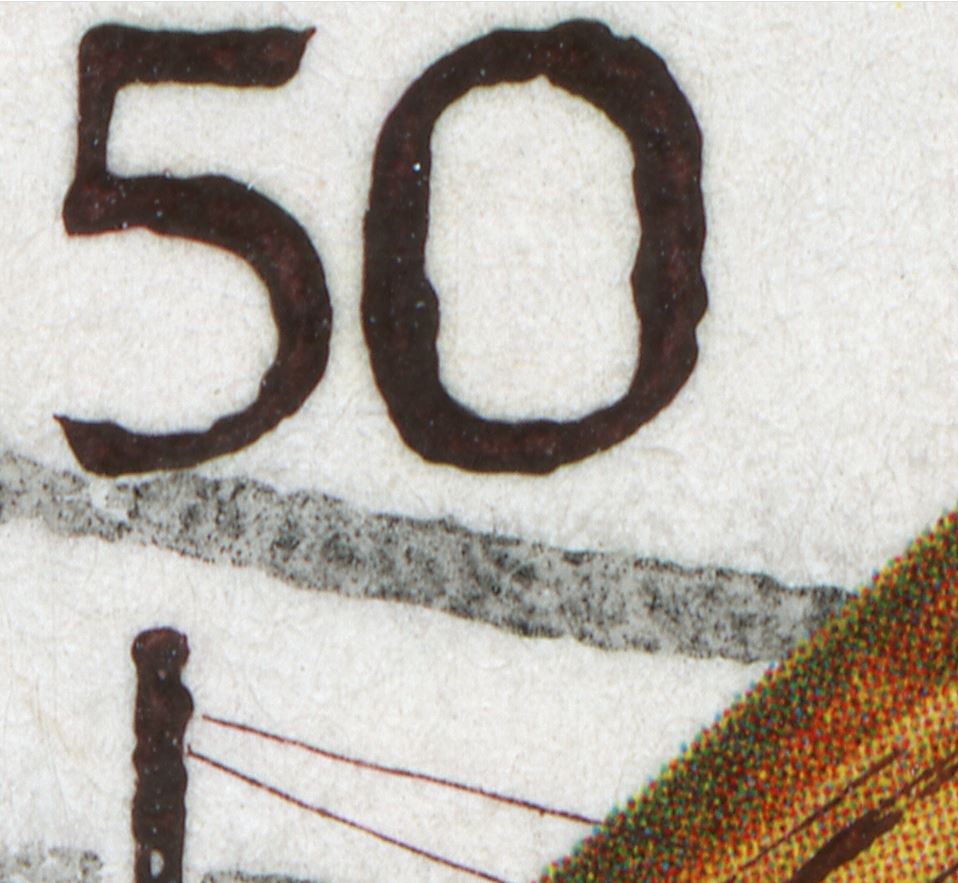 |
|
Send note to Staff
|
| Edited by Galeoptix - 01/23/2019 2:57 pm |
|
|
Rest in Peace
Netherlands
963 Posts |
|
|
Browsing in the Canadian Philatelist I came across: 1957: 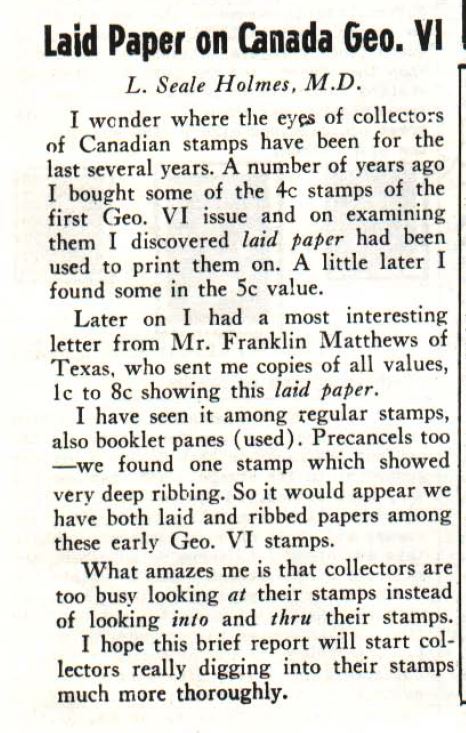 and in 1969: 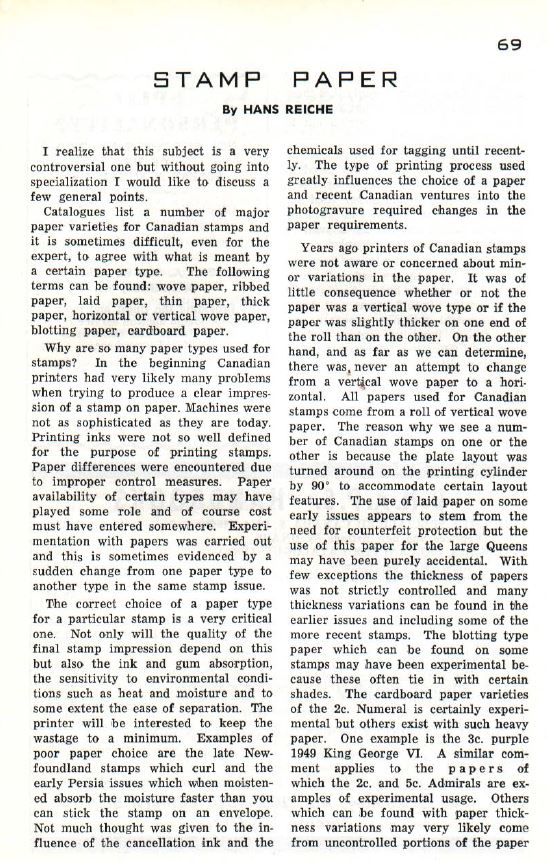  Reiche is right in his observation, but it has NOTING to do with worn out blankets! It is the transition of linen-binding to twill-binding in the long wire of the paper machine. World wide this phenomenon was observed by me to be in 1938, but apparently Canada played a major role in the paper industry and was ahead of everybody! |
|
Send note to Staff
|
|
|
Valued Member
Canada
97 Posts |
|
|
This is all fascinating stuff Rein, thanks so much for sharing it all. I wish that I had a better technical grasp of printing and paper making, as it would make interpreting what my eyes see so much easier. I think you might have motivated me to start studying these topics a little more.
Your explanation of the type differences makes perfect sense to me now: that the P.O considered the type 1's to be defective and wanted to cover over the defective engraving. I personally saw nothing wrong with the designs, but then again, I am not an engraver and I don't know what effect they were going for when they designed the stamps. This would also explain why there was no type 2 on the 20c value - because there was nothing wrong with the way the original printing had turned out. |
|
Send note to Staff
|
|
|
Pillar Of The Community
Canada
5821 Posts |
|
|
Rein thanks for your posts regarding paper etc but perhaps you would edit and change CBC to CBNC in your post here. We wouldn't want any confusion here for members who are not too well acquainted with Canadian printers. CBNC = Canadian Bank Note Company or just CBN CBC = Canadian Broadcasting Corporation Quote:
In Canada CBC and BABN had problems and they could solve things out using different methods! The "engraving" for the 8c is diffeerent for the CBC printing than for the BABN one....
The high value landscape and the national parks show a different recess used by CBC - it was NOT engraved at all! I wonder how they produced the dies! And whether this method can be found in the archives.
|
|
Send note to Staff
|
|
|
Rest in Peace
Netherlands
963 Posts |
|
|
I wrote about the structural problems the printers [BABN] had with the introduction of coated paper combined with the reel--fed printing of photogravure and recess! The best way to illustrate this to show the 1975 UPU commemoratives. From these examples it will be easy to project these problems into the definitives discussed here. The more as it shows that in the same period BABN was NOT able to solve the problem whereas the stamp collectors probably hadn't the faintest idea what was going on. 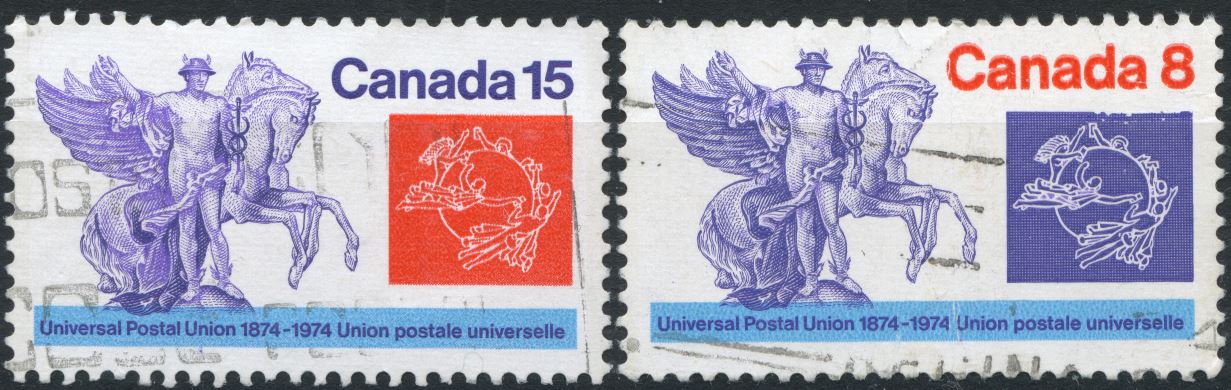 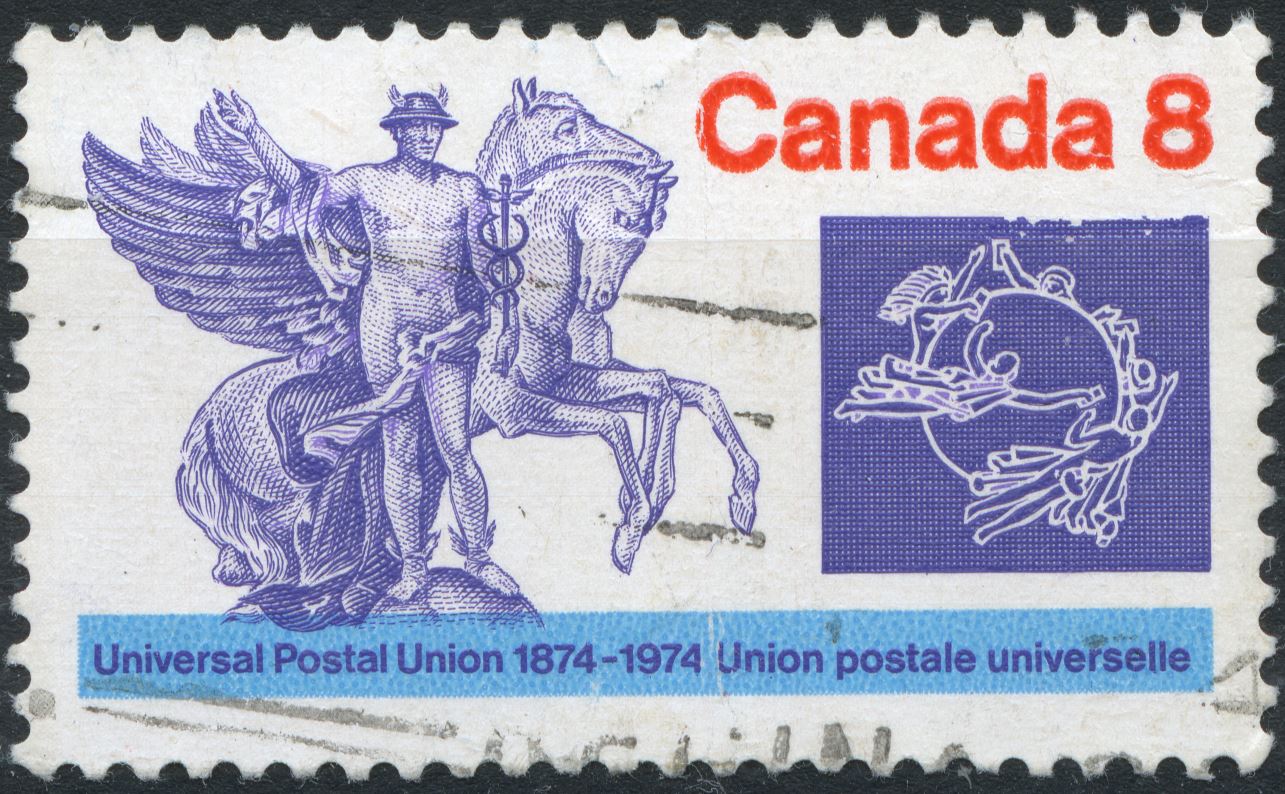 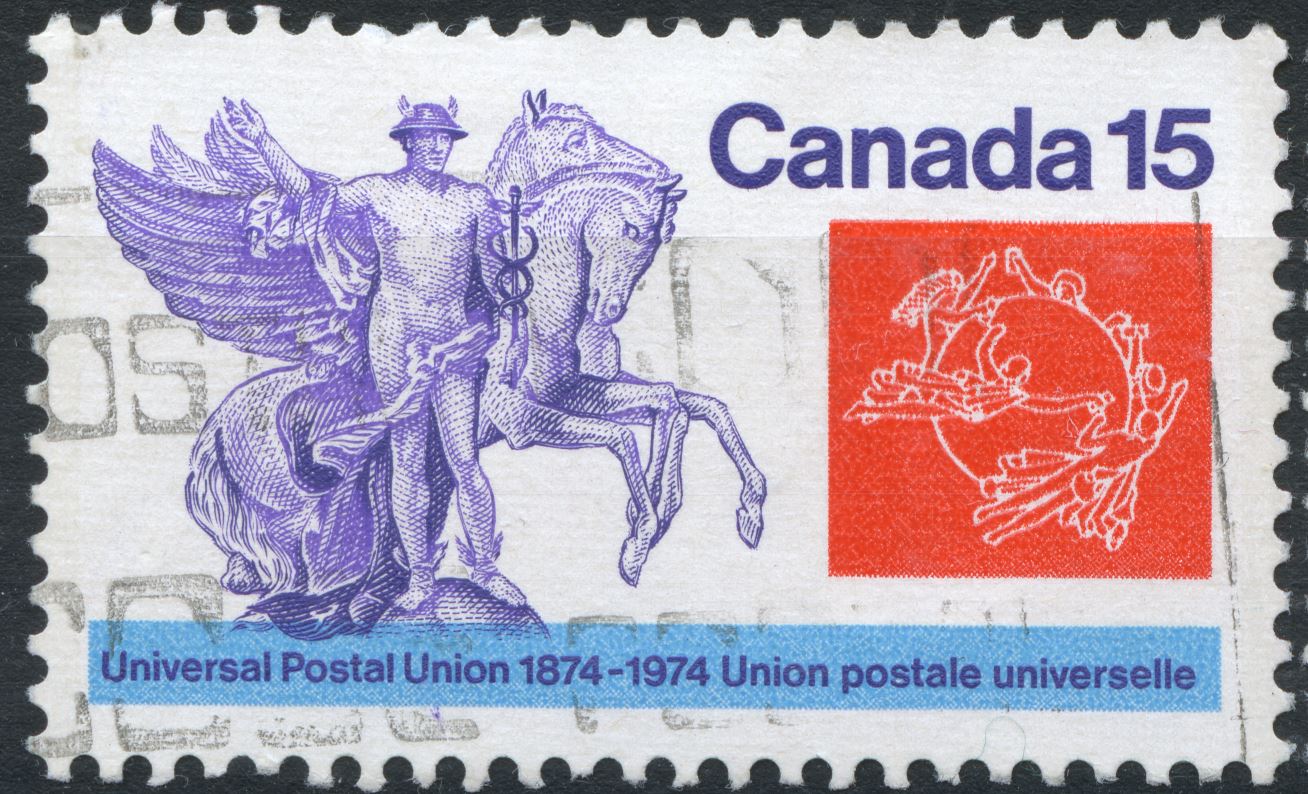 It is not [yet] about the so-called "ribbed paper" you can clearly see, it is about the ink that seems to consist of TWO components: clear liquid ["coloured water"] and irregular grains of pigment: 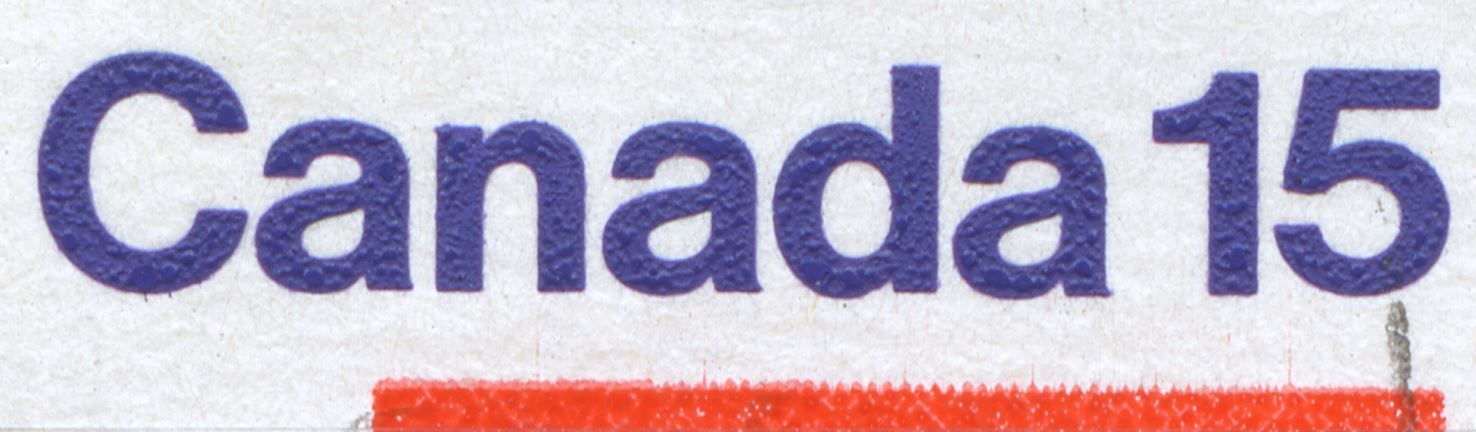 The text "Canada" shows a lot of large dots that can be felt as they lay ABOVE the coated paper. They are NOT part of the engraving as different copies of our stamps show a different distribution of these dots! So what are they? And why does the printer use such "pigments"? |
|
Send note to Staff
|
|
|
Rest in Peace
Netherlands
963 Posts |
|
|
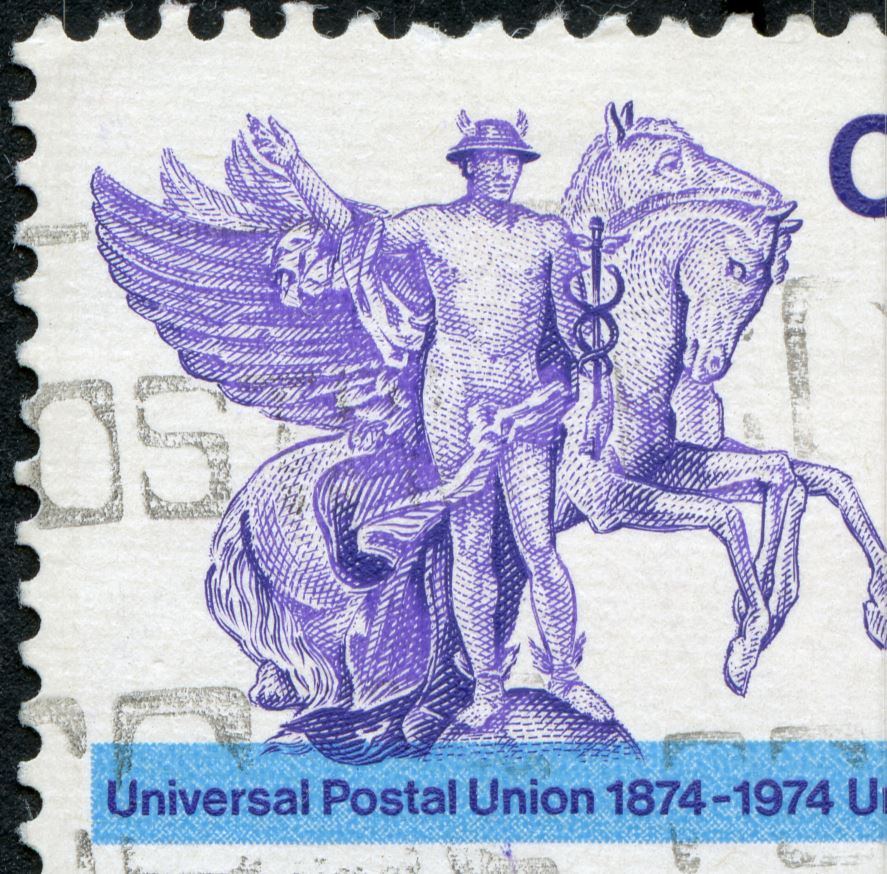 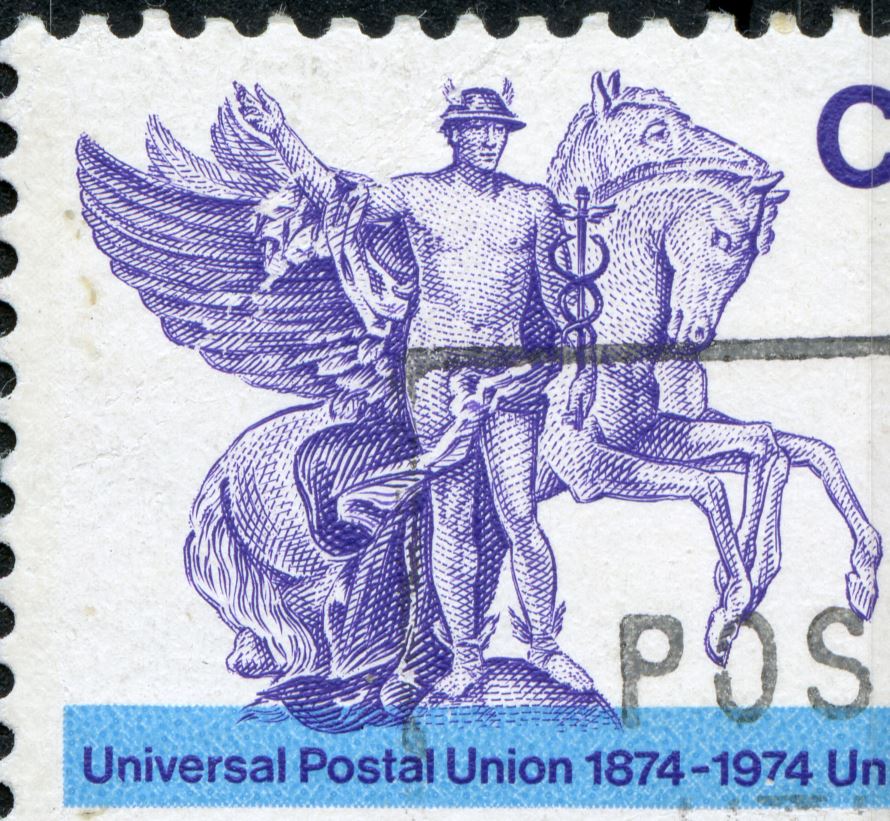 Two copies of the 15c and different shades of violet blue in the recess parts! Also in the 8c: 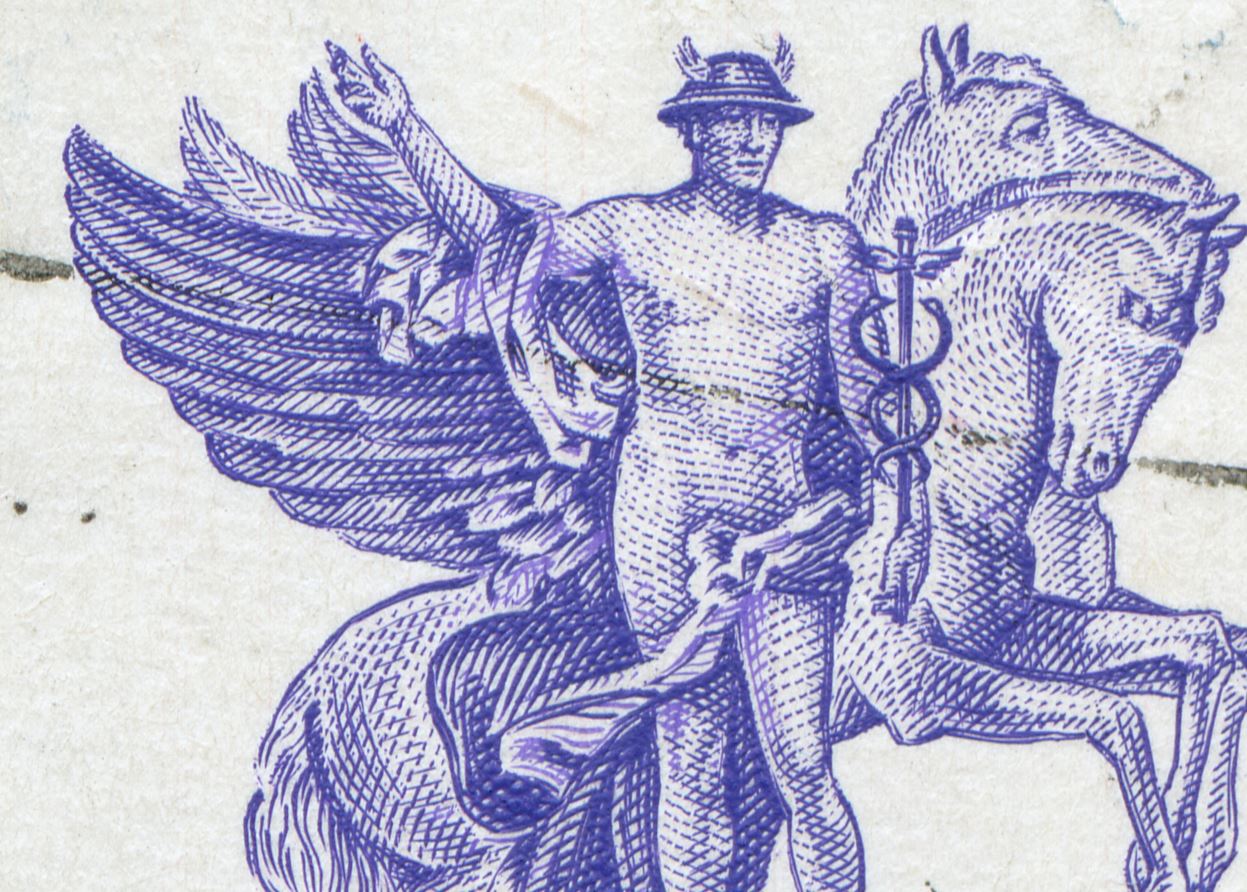 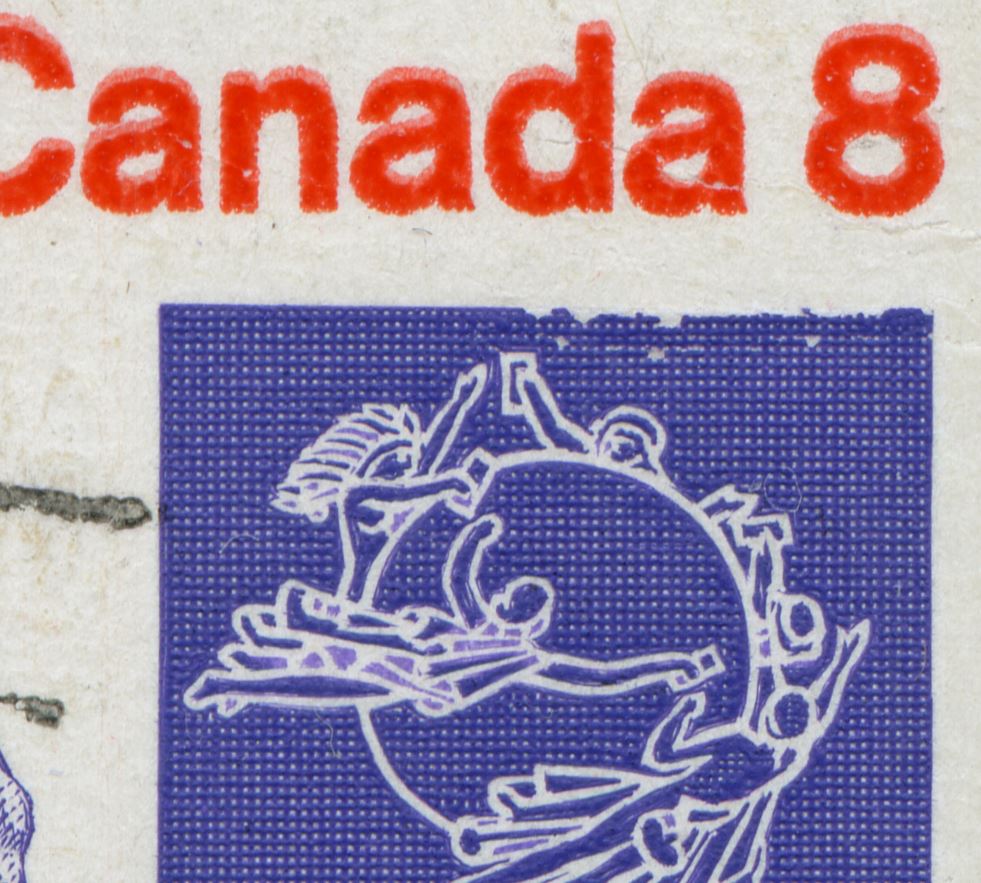 The lighter shade of violet blue seems to have just the "coloured water" and NO pigments! And this is shown not just in the thinner lines but also the plain areas! Do the "pigmnents" have no grip on the paper? I am describing this in lay terms! The printers certainly have their "jargon" for it, but they could NOT solve the problem or preferred not to see it as a problem as no usr/philatelist complained?! Rein |
|
Send note to Staff
|
|
|
Rest in Peace
Netherlands
963 Posts |
|
|
Rest in Peace
Netherlands
963 Posts |
|
|
Digging in old literature! 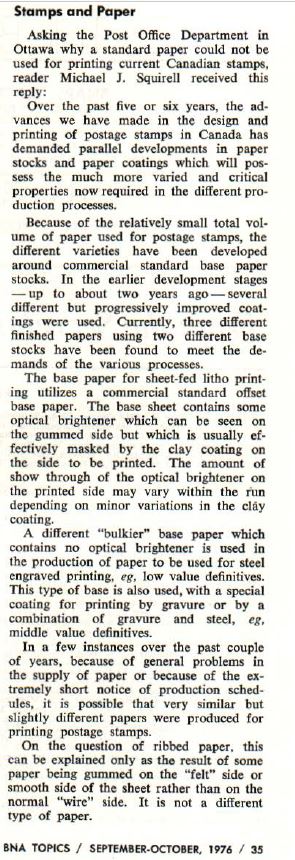 The "official" explanation for "ribbed paper" is I mentioned here several times .... |
|
Send note to Staff
|
|
|
Rest in Peace
Netherlands
963 Posts |
|
|
So-called "ribbed paper": 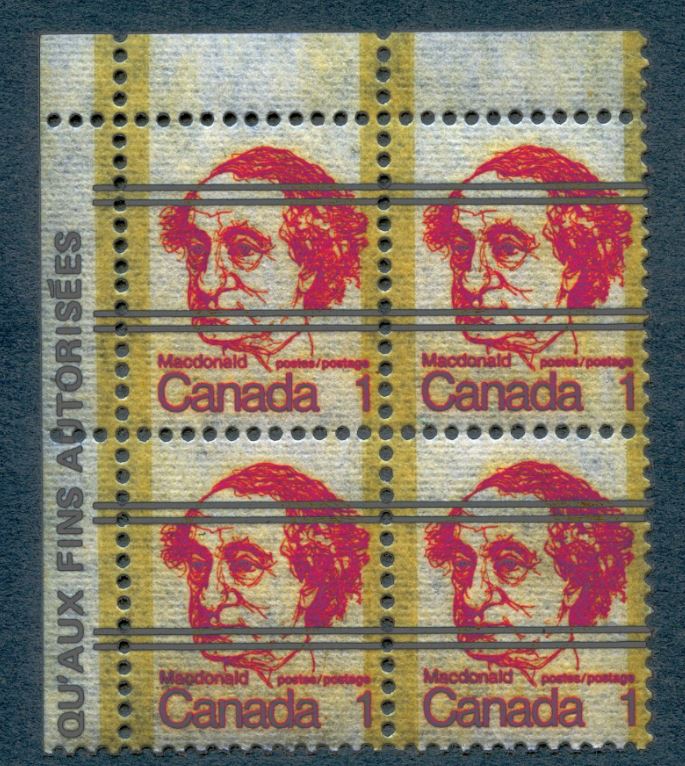 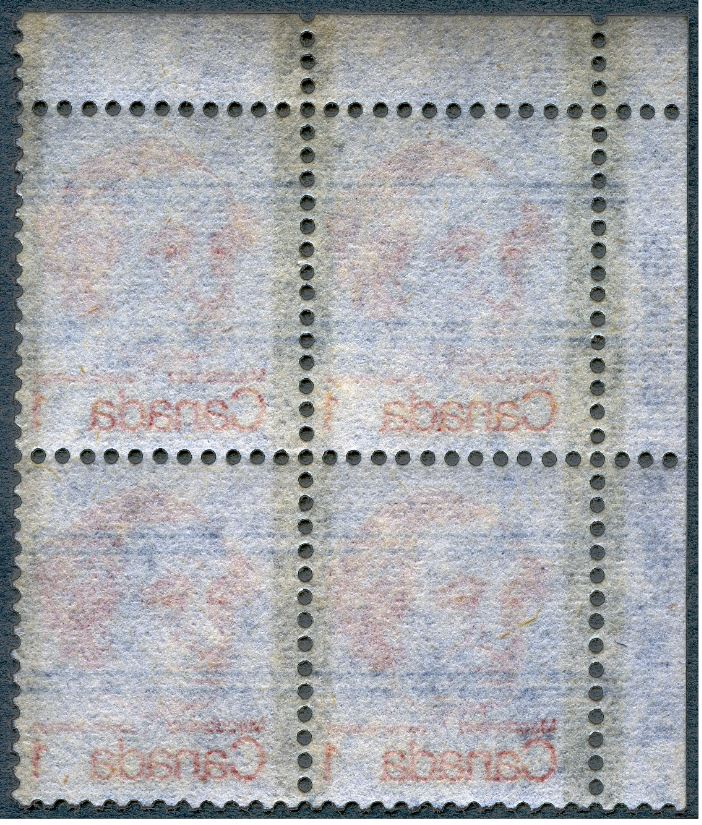 Preo's printed by CBN in recess with the black lines in offset-litho! |
|
Send note to Staff
|
| Edited by Galeoptix - 01/24/2019 2:27 pm |
|
|
Valued Member
Canada
97 Posts |
|
|
Thanks Rein. As I will point out when I get into writing about the papers the so called ribbed papers are different. I agree that they may be printed on the wire side, but none of the other papers show this kind of effect on the gummed side, which would be the case if they were the same sheet of paper turned over. Also, the original PO reply while generally correct, sis not completely accurate as some of the low values were on paper containing optical brighteners. But it is a very good article because it supports much of what I will write about in my coming posts. |
|
Send note to Staff
|
|
|
Rest in Peace
Netherlands
963 Posts |
|
|
Chris, this is OK when we admit that we need to study and establish the wire side to be either at the front or at the back! So far what I have seen - and bear in mind that I am not a Canada collector ! - all stamps on coated paper in the Abitibi period [1972-1983] have the felt side gummed! You can check this on stamps without gumming that will show the "craters". All do show this! And even several uncoated paper stamps show this as well..... What I still have to find out - needing more material ! - is whether the wire structure may be different. Not only the density [like 30/20 limes per cm] but also the type of binding! Most will have the twill-binding until 1972, but after that - in Canada the paper industry seems to be more advanced - the multilayer bindings can be found! 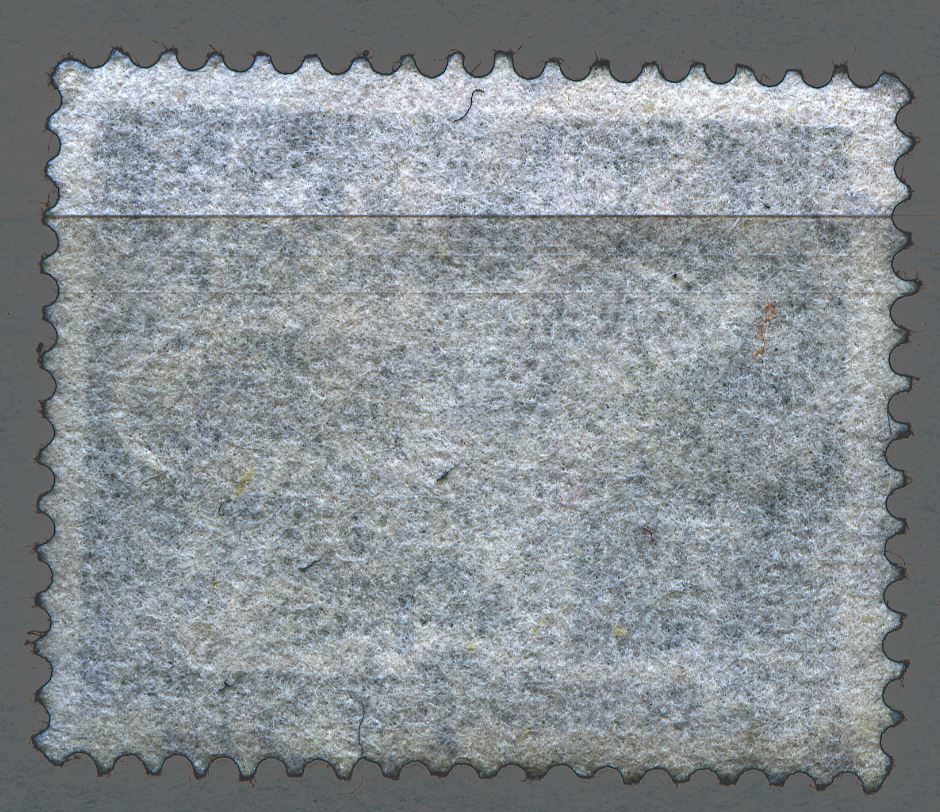 Rein |
|
Send note to Staff
|
|
|
Rest in Peace
Netherlands
963 Posts |
|
|
The "blue trick" in the 15c and 25c was not the first time the BABN needed to adjust a not quite appropiate "engraving". We can see the blue [in photogravure] added! 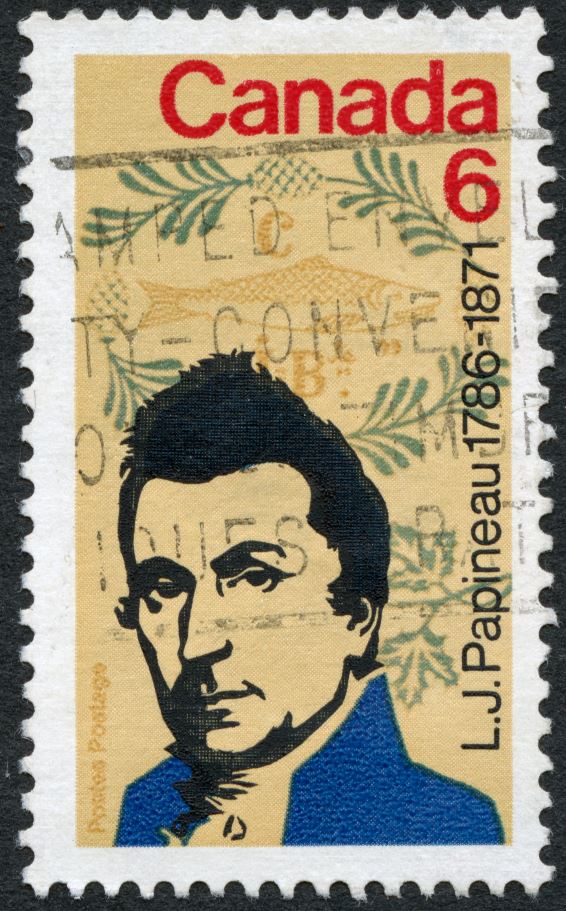 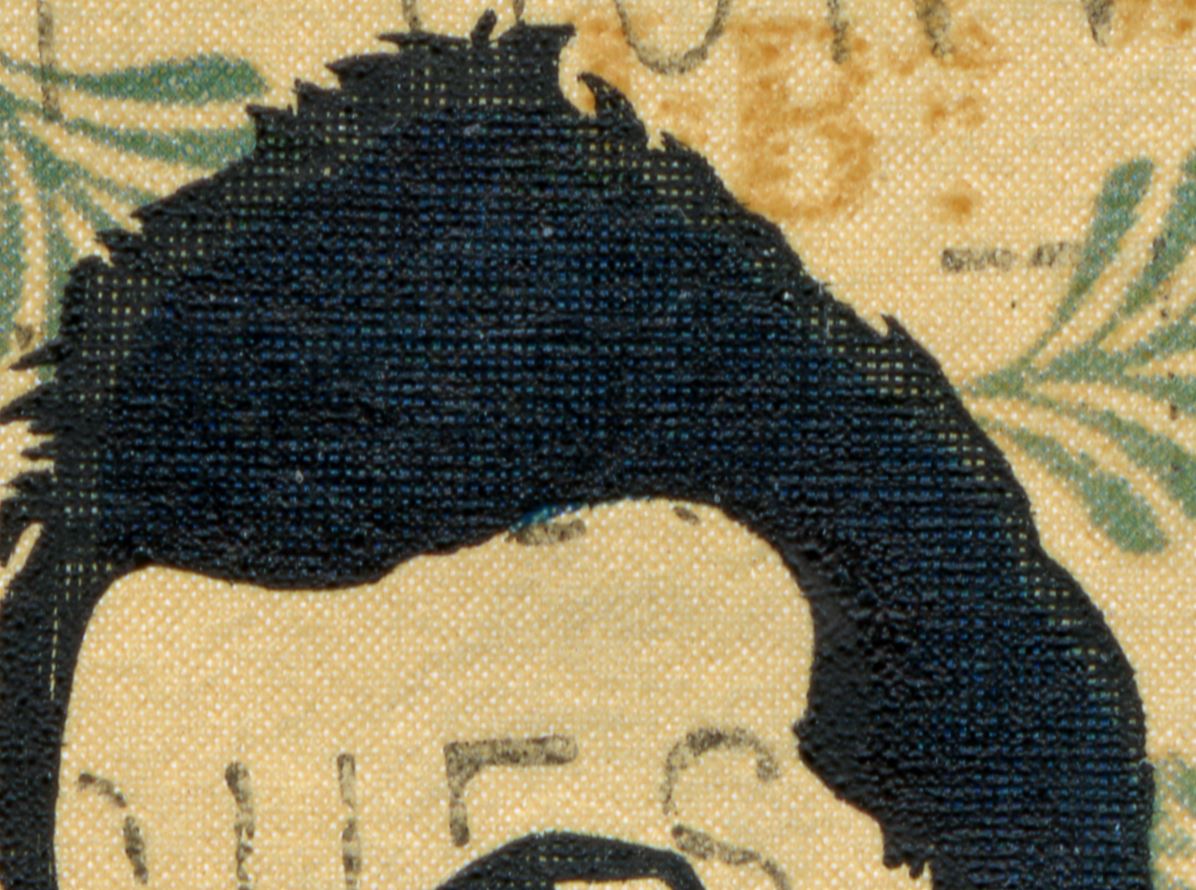 |
|
Send note to Staff
|
|
|
Replies: 139 / Views: 11,128 |
|



 Posted 01/22/2019 7:12 pm


