| Author |
 Replies: 14 / Views: 3,012 Replies: 14 / Views: 3,012 |
|
|
Valued Member
United States
118 Posts |
|
|
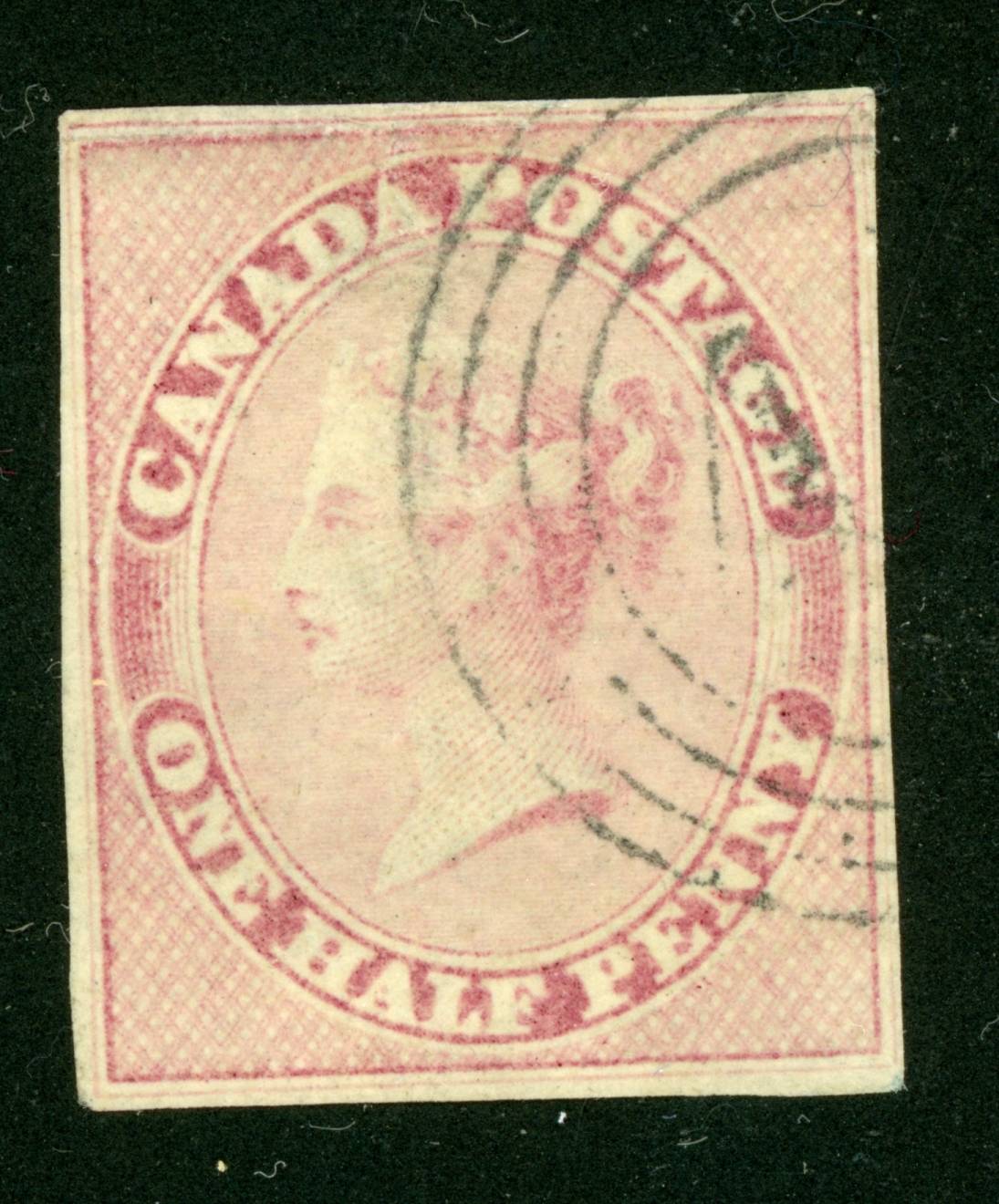
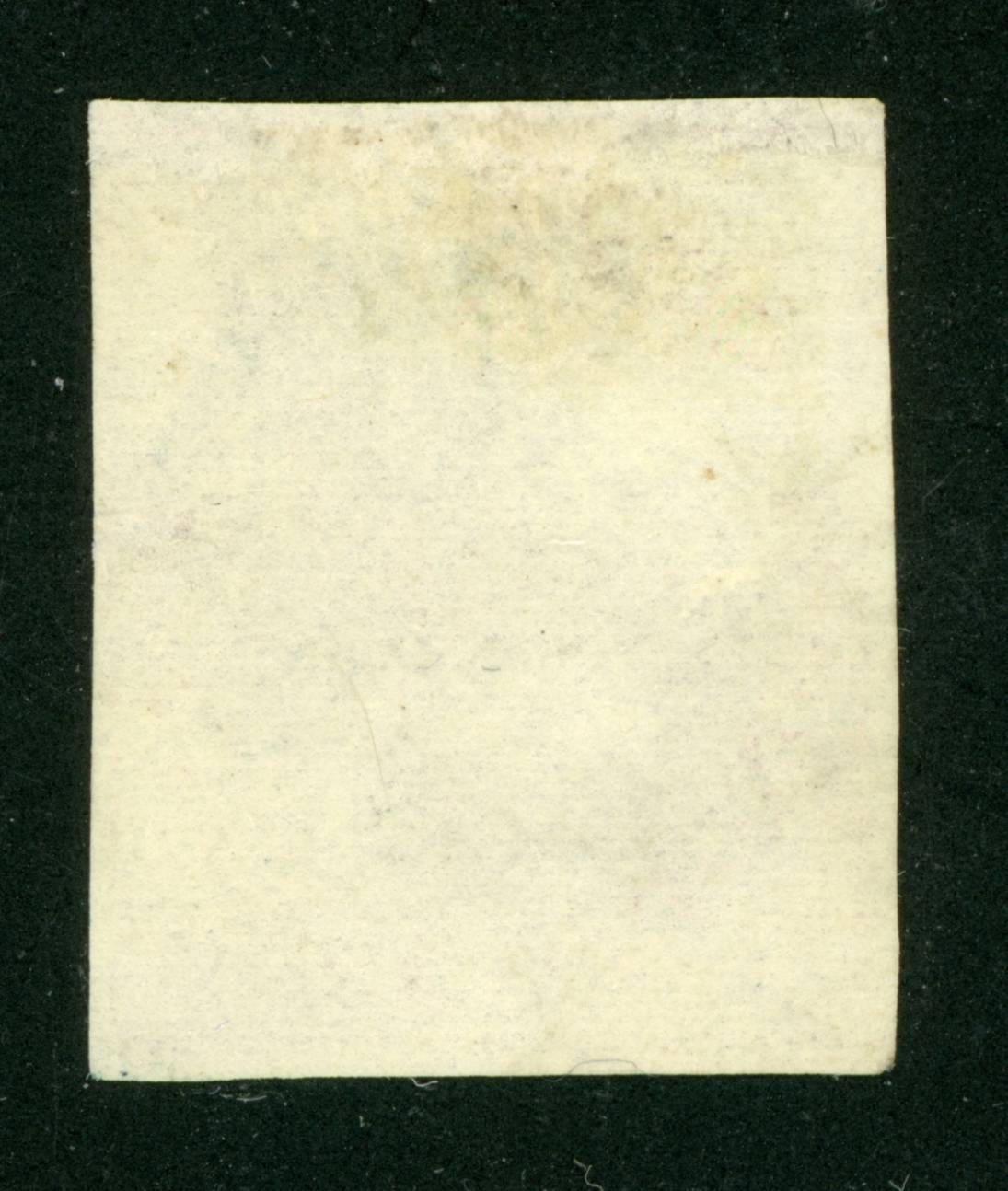
I have a 3p Beaver that appears to be either the 1851 issue on laid paper (Scott #1) or the 1852 issue on ribbed paper (Scott #4c). Hopefully someone here can give me some guidance.   |
|
Send note to Staff
|
|
|
|
|
Valued Member
United States
118 Posts |
|
|
Pillar Of The Community
673 Posts |
|
|
Looks like laid paper. Ribbed paper is typically only visible in indirect reflected light. (Very hard to see, and takes some experience with it to be able to see ribbing).
Scott notes that on the laid paper "Some are almost invisible". These are very slight compared to other laid paper types I've seen. I'm not terribly experienced with the early Canadians, but that's what it appears to me to be.
|
Send note to Staff 
|
|
|
Valued Member
United States
7 Posts |
|
|
You should hold the stamp up to a light wuth the printed side facing the light. For laid paper, you will see horizontal lines with wider spaced vertical lines crossing them. It you do not see those lines, you have laid paper. |
|
Send note to Staff
|
|
|
Pillar Of The Community
Canada
728 Posts |
|
|
Laid Paper is usually thin but since it is handmade, it may be a little thicker. The Laid lines are normally fairly easy to see, as in the example below. If you put the stamp in watermark fluid then the laid lines show up very clearly.  Ribbed Paper This is not the case with Ribbed Paper which is machine made wove paper. There are no lines visible if you look directly at the stamp. The Ribbed lines do show up if you look across the surface of the stamp and tilt the stamp up and down. What you are trying to do is shine a light across the surface to see the lines. At one point, in the tilting and shining of the light on the stamp surface, the lines appear like magic. Once that angle of light is changed, the lines disappear again. On the 3d, the lines should appear horizontally across the stamp from left to right, not vertically top to bottom. |
|
Send note to Staff
|
| Edited by jimjung - 01/27/2019 2:05 pm |
|
|
Valued Member
United States
118 Posts |
|
|
Based upon the laid paper image up above I would say my stamps are not on laid paper. The horizontal lines I see from the back on my stamps are much finer and much closer together. I am still not sure whether they are on ribbed paper however. Could something else be causing the fine horizontal lines? |
|
Send note to Staff
|
|
|
Pillar Of The Community
United Kingdom
3218 Posts |
|
|
Hi Anghus, I'm afraid I have no experience with the varieties of this stamp but your image looks like wove paper to me. Wove paper still has structure and you will see a grain if you look closely enough. The word "wove" arises from the paper fibre being closely woven together in the manufacture. Here's an old scan of mine showing three pairs of Russian Levant stamps with horizontally laid, vertically laid, and wove paper:  |
|
Send note to Staff
|
Nigel |
|
|
Valued Member
United States
118 Posts |
|
|
Thanks for the images nigelc. The laid paper certainly looks distinctive. From now on I should be able to recognize it when I see it. I have spent several hours today studying paper manufacturing and I think what I may be seeing in my stamps is something called "directional web" if I remember rightly. It is apparently an artifact of printing process. I still need to find an actual example of ribbed paper so I can learn to recognize it. |
|
Send note to Staff
|
|
|
Pillar Of The Community
673 Posts |
|
|
Anghus,
As I mentioned before, the type of laid paper used in the Canadian is very fine, and even Scott mentions they may be very faint/difficult to see "almost invisible". Your paper is laid paper. Comes in many varieties. The ones that nigelc have posted are from Russia, and a more common type of laid paper, but not representative of ALL laid papers...
And note that the ribbed paper variety ONLY appears on wove paper type... this paper is not wove paper.
|
|
Send note to Staff
|
| Edited by ClassicPhilatelist - 01/28/2019 12:02 am |
|
|
Pillar Of The Community
United Kingdom
3218 Posts |
|
|
Thanks ClassicPhilatelist,
Last night I couldn't see these fine lines at all in the image but I can now in daylight.
This beaver design has always been one of my favourites and this is a very nice looking stamp. |
|
Send note to Staff
|
Nigel |
|
|
Valued Member
United States
118 Posts |
|
|
So the two of you (ClassicPhilatelist and nigelc) are saying that my two stamps _are_ on laid paper? That the Canadian laid paper has fine, narrow lines, not the thick lines shown in the other images?
To me, the paper on both stamps looks to be the same type with the same fine horizontal lines. According to Scott however the Half Penny does not occur on laid paper and Beaver does not occur on ribbed paper. That just leaves normal wove paper as the only common paper. Of course Scott does not list all varieties of Canadian stamps. I have a Unitrade Canadian Specialized catalog on order, perhaps that will shed some light on this mystery. |
|
Send note to Staff
|
|
|
Valued Member
United States
118 Posts |
|
|
I take it back! Scott does list the Beaver on ribbed paper, #4c. So my quest continues to distinguish ribbed from regular wove paper. |
|
Send note to Staff
|
|
|
Pillar Of The Community
Canada
644 Posts |
|
|
They are both on a type of wove paper IMHO- laid is quite different in appearance (the examples shown are typical of laid paper, nothing like your two stamps).
The 3d beaver, in particular, comes on many paper types but laid is pretty distinctive, despite what Scott's may say about it.
More opinions hopefully will be forthcoming. |
|
Send note to Staff
|
|
|
Pillar Of The Community
United States
2555 Posts |
|
|
I'm not going to comment on whether the op's stamps are on ribbed paper or not but they are certainly not on laid paper. |
|
Send note to Staff
|
|
|
Valued Member
United States
118 Posts |
|
|
I have come to the conclusion that both stamps are on normal wove paper. The narrow, close together horizontal lines are simply the mesh used in the manufacture of the paper. Apparently on many examples of machine made wove paper the mesh lines can be seen running in one direction. That appears to be the case here.
Thank you everyone who contributed to the thread - I have learned a great deal which is always my goal. |
|
Send note to Staff
|
|
| |
Replies: 14 / Views: 3,012 |
|




 Posted 01/27/2019 10:01 am