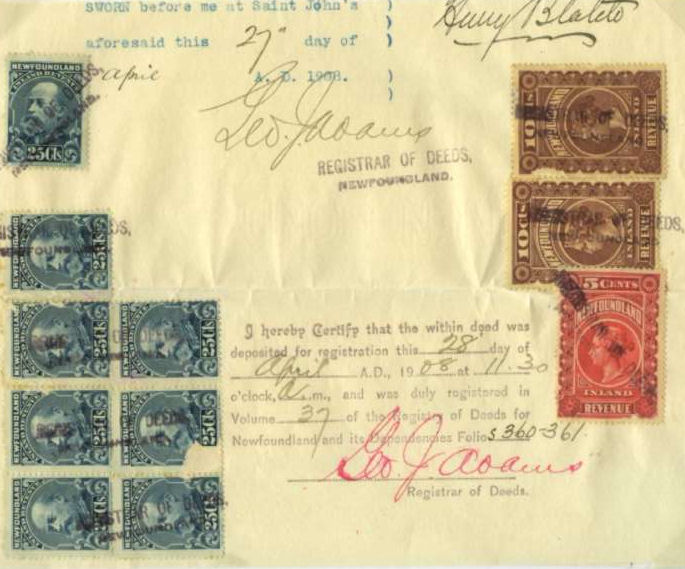
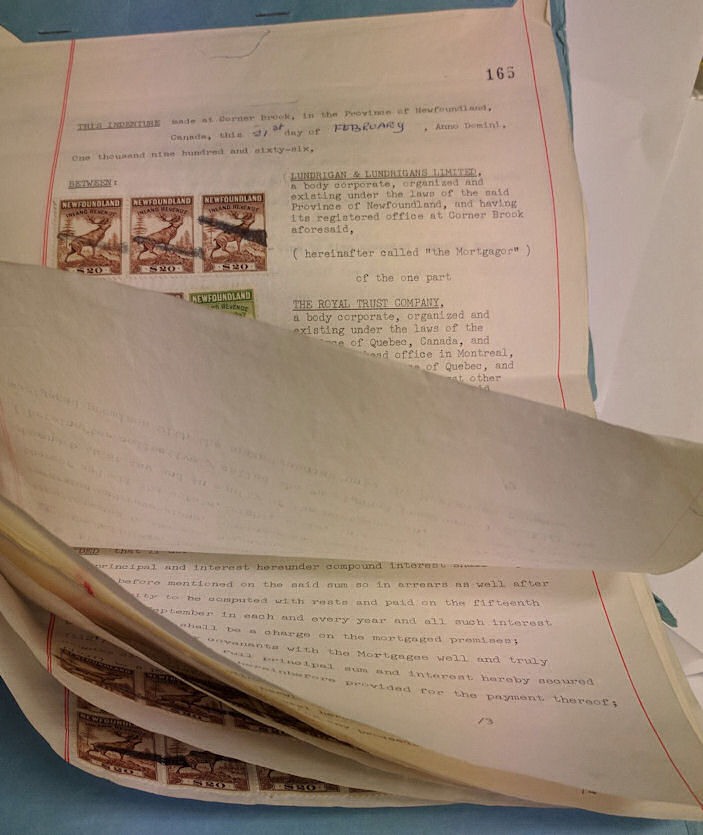
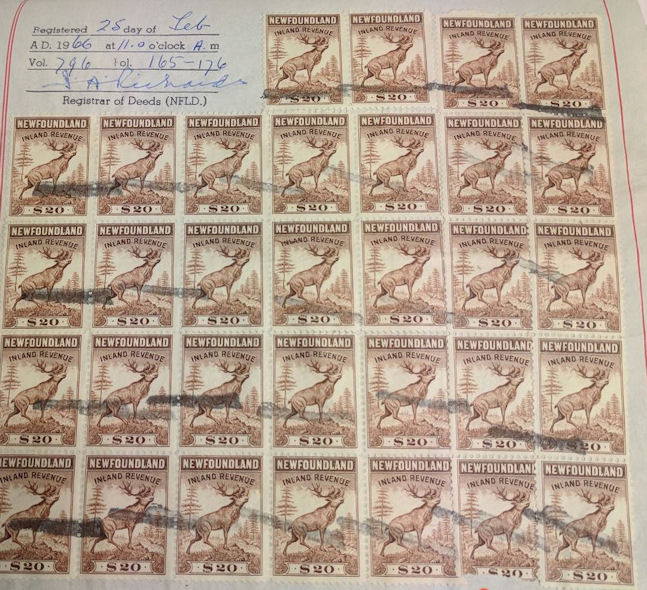
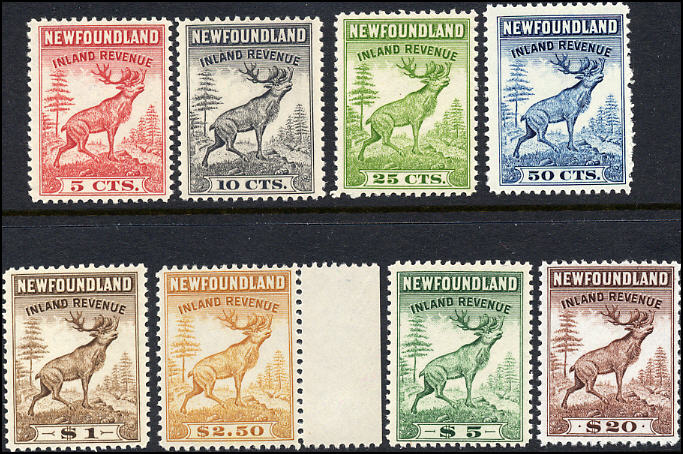
To the OP, in my opinion "none of the above". There are too many variables with respect to document type, tax being paid, stamp usage and cancellation, vignettes, etc. to come up with a single "on document" catalog value.
As Bart (revcollector) states, for many revenues and document types there would be no appreciable premium, but for others, it could take a 50-cent stamp and make it a $500 item.
It's just too complicated to distill.
Here is a portion of a post I made several years ago regarding on-document valuation with respect to stock certificates.
Quote:Ahh, the nebulous unscientific area of valuing stamps on document versus the stamp by itself.
There is no formula as there are SOOOOO many different variables that potentially affect the value:
1. The catalog value of the stamp
2. The condition of the stamp
3. The type of document
4. The condition of the document
5. The ornateness (engraving, color, etc.) of the document
6. The location (state, territory, Confederate) of the usage
7. The date of usage
8. The type of transaction on the document, e.g., the document may have multiple taxable transactions on it like an original sale and then transfer of stock.
9. The signatories to the document (famous people)
10. The company in question
11. What your specialty or focus is.
Let's not forget, for the vast majority of stock certificate collectors, this stock certificate is nothing special. The stamp to them is meaningless. Same thing with CDV collectors; they are concerned with what is on the front of the photo and/or which photographer it is, whereas a revenue collector will be concerned with the stamp, cancel, usage date, etc. What is on the front is secondary...
The Scott catalog and catalogs for stock certificates, e.g., Cox, will only get you so far and give you places to start.
When determining how much I'm willing to pay, I will look through
ebay, Bidstart, Siegel, Kelleher, Schuyler Rumsyer, etc. and SAN to see how much (and how many) similar examples have sold for.
You just have to develop a "feel" for how common or scarce a particular document or usage is, and I'll admit that I occasionally whiff on them, misinterpreting the usage or document. Up until recently I haven't focused a whole lot on usages on document versus stamps alone.
You also have to determine for yourself how much you're willing to pay to acquire something for your collection (versus resale purposes; there different rules apply). If it's scarce and you really want it, ignore what the catalogs say.
Different people will view the exact same item differently. One person's trash is another person's gold. We don't all have the same focuses and aesthetics. There is a tendency to value things we regard strongly higher than someone else who only has a passing interest might.





 Posted 02/06/2019 06:05 am