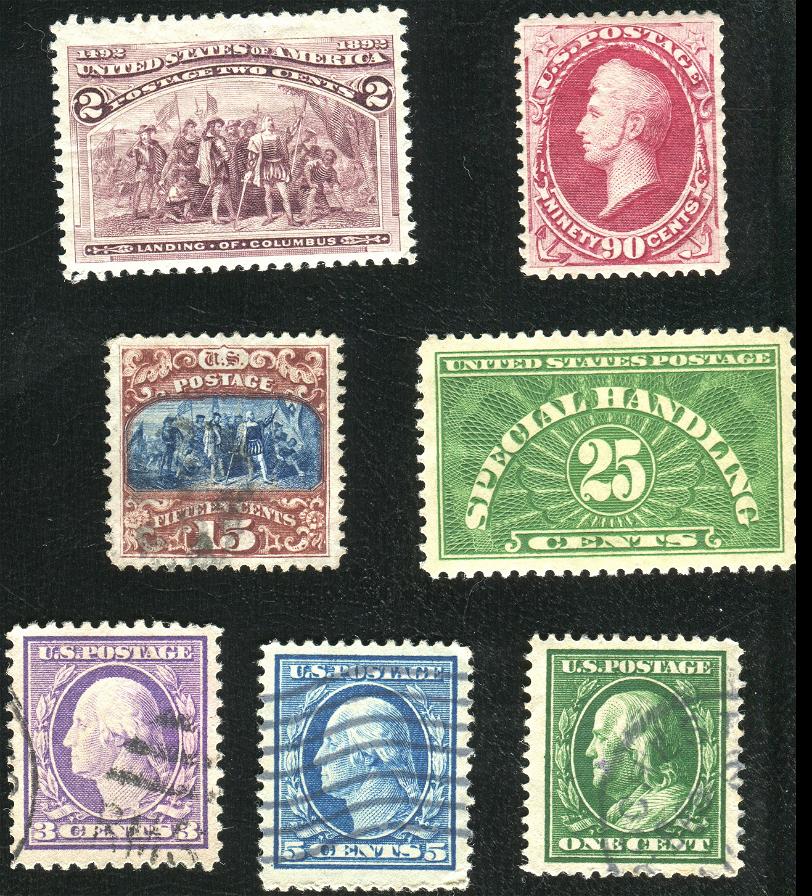
As Peter stated, they are nice looking stamps and would make a great addition to your collection.
That being said, you have to weigh the cost of certification/grading against the value received.
A jumbo designation will only be given after the initial grade is established.
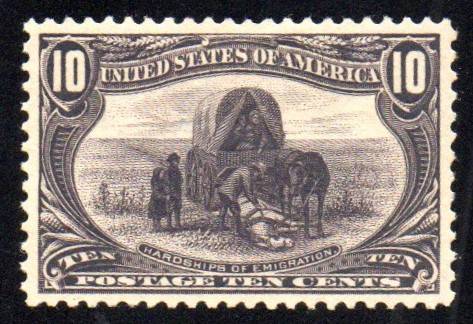
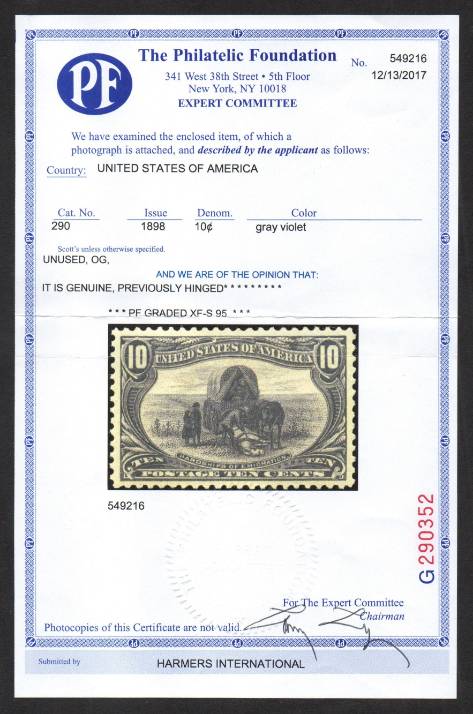
For example, the Trans-Mississippi issues generally have small margins. This stamp, which has generous margins all around, was not considered jumbo. It was graded XF-S 95 the Philatelic Foundation.
The next one is from the Columbian series and has not been graded yet. I would imagine this to receive an XF-90 or perhaps only a VF-XF 85 when I send it in.
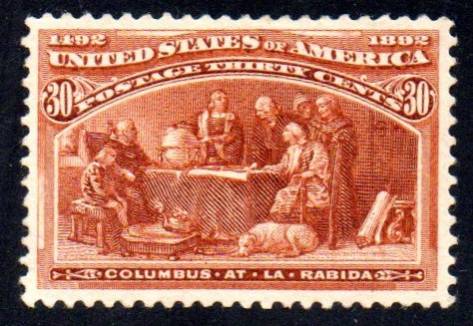
When you are looking for jumbo stamps, you want ones which have balanced margins. If the next stamp had a better impression, I'd send it in and it would get a jumbo designation.
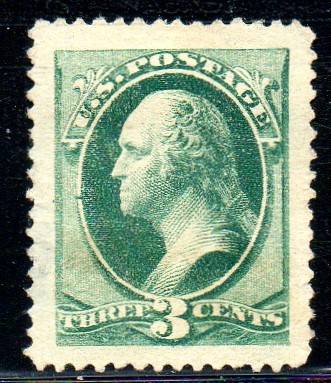
In the Washington Franklin series, the margins are all over the place. Even though the next stamp has large margins, they are not large enough for a jumbo rating.
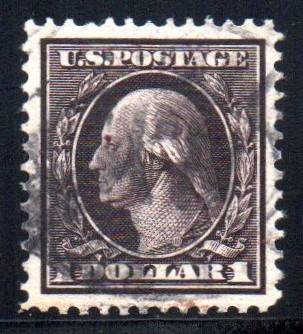
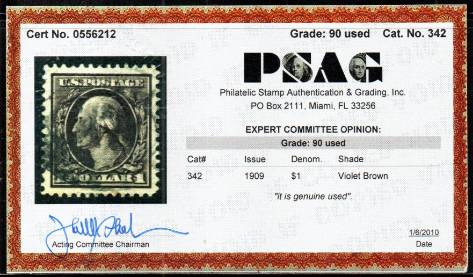
Here are some other graded WF's to give you an idea of what to look for when considering whether to submit a stamp for grading:
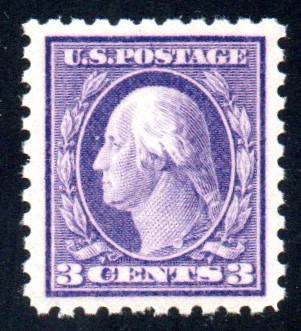
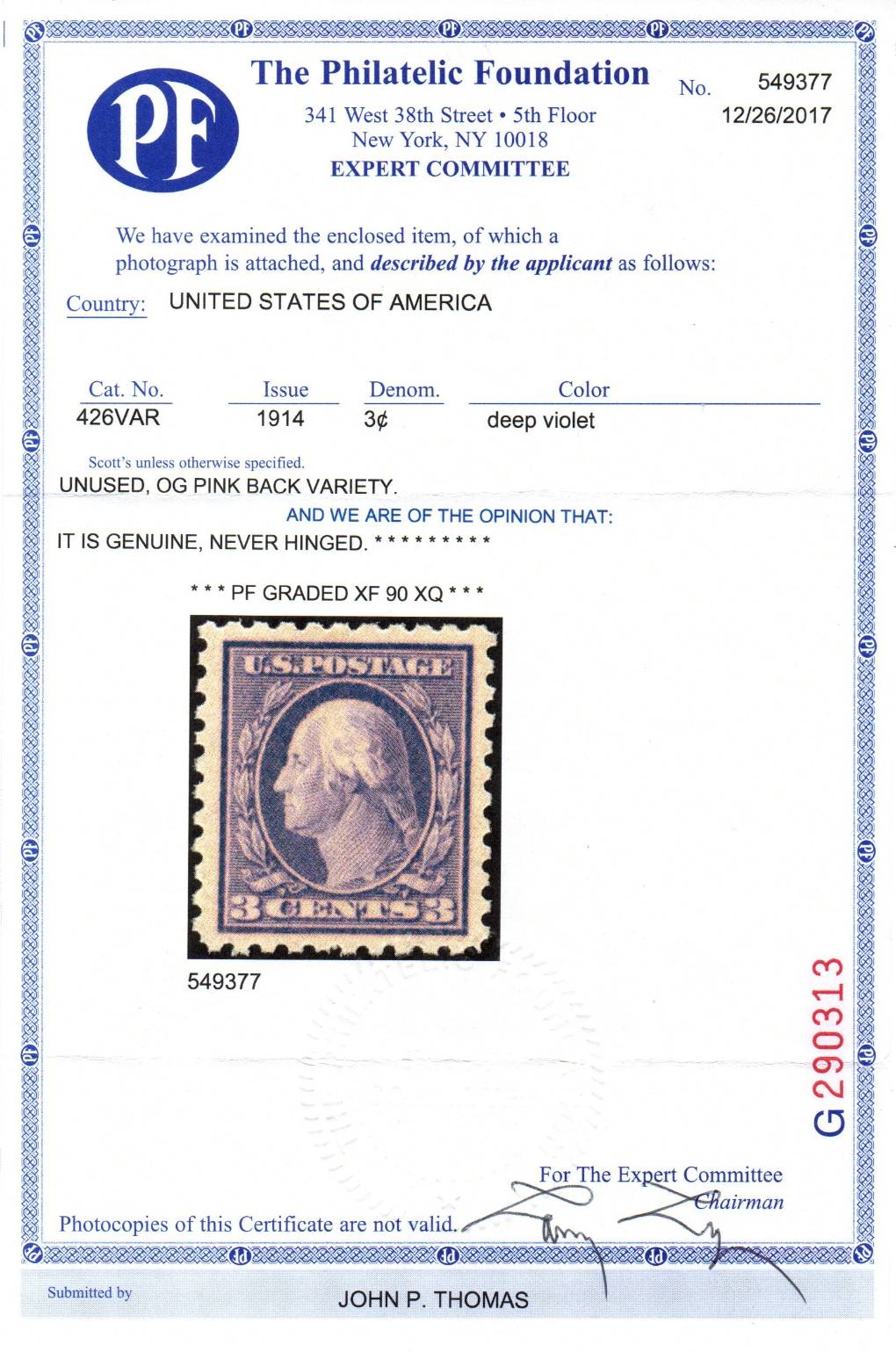
This one was a solid XF-90, but not enough for XF-95 so it garnered an XQ designation, signifying it so.
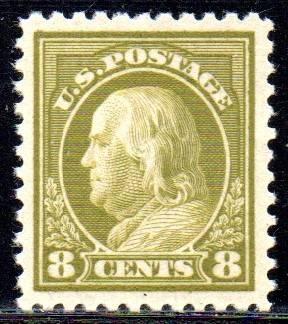
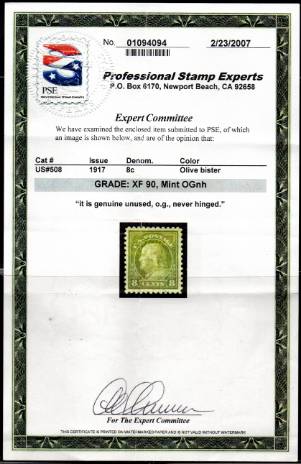
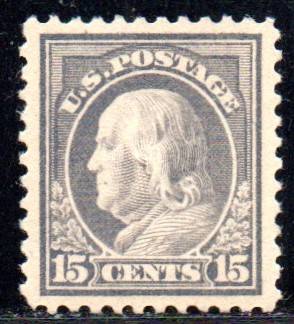
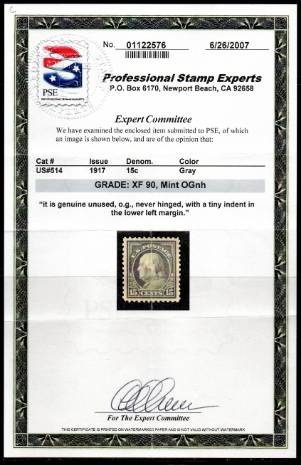
There two stamps give a pretty good representation of solid XF-90 grades.
In the 4th Bureau issues, the margins are generally much smaller, so the amount of margin required for a jumbo designation isn't as great.
Take a look at the following two stamps. On the 634A, the margins are even but not large enough for jumbo designation.
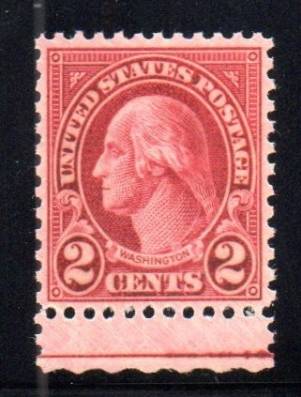
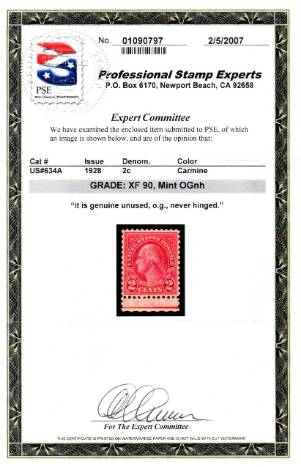
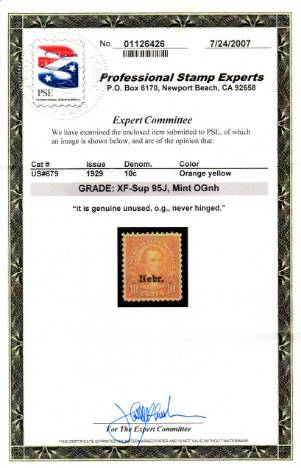
The final stamp is a jumbo from the Nebraska overprints of 1929. Note the smaller margins needed to gain this designation. Compare these margins against some of the margins on the WF stamps above and you'll see the differences.
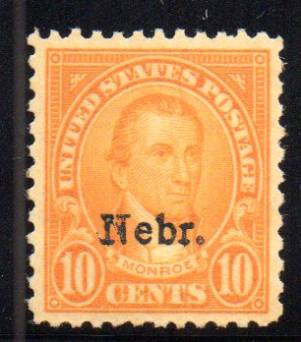
Hope this helps.





 Posted 02/20/2019 2:40 pm