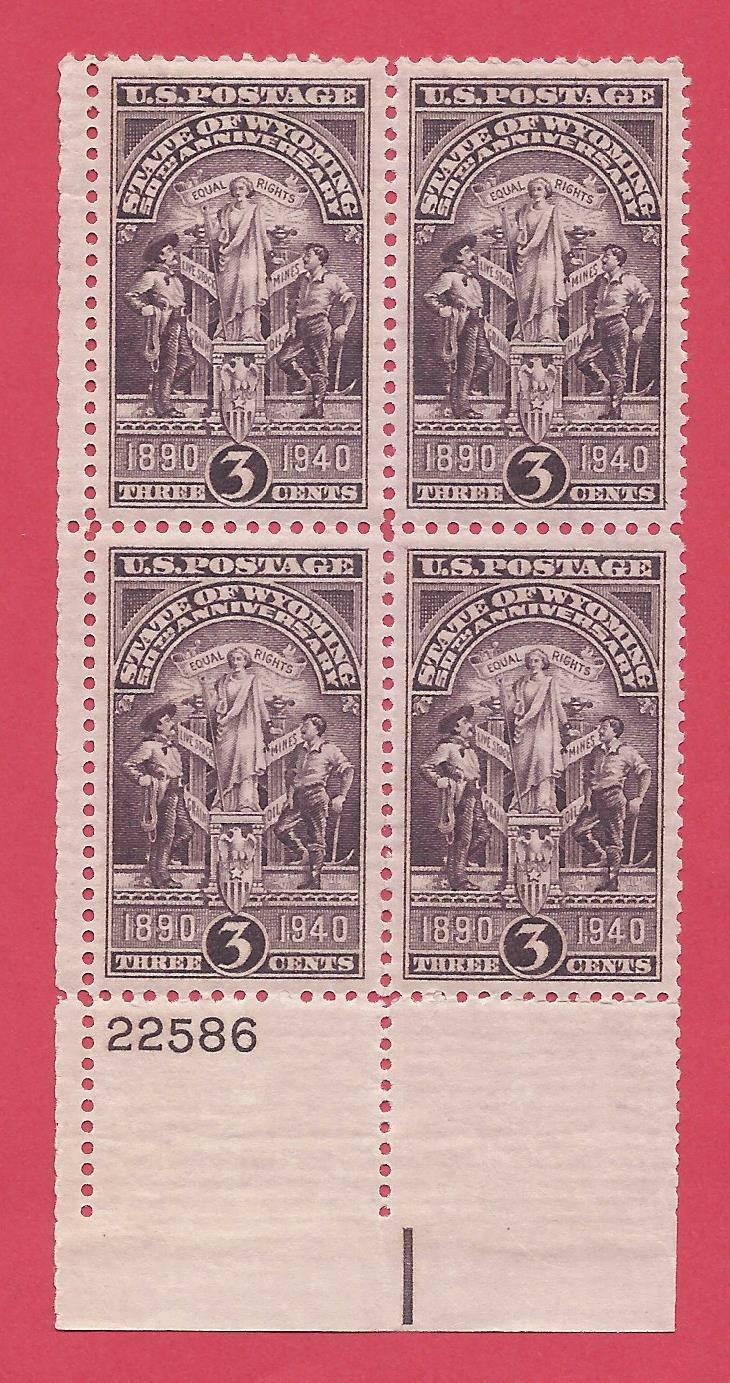
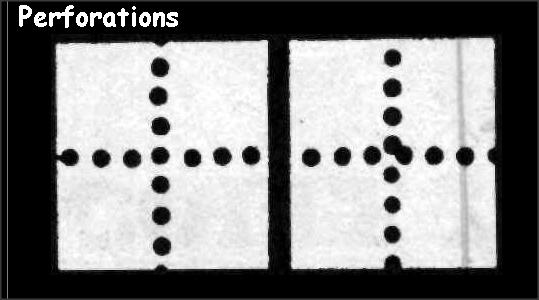
This is normal for the time period in which these were issued. It wasn't until much later (maybe the 80s?) that "bulls-eye perfs" were introduced. Before that, the horizontal & vertical perfs did not normally meet at a common point. The older technique was called line perforation, the later stroke perforation.
In the interests of broadening the conversation, I would differ with JLL's comment about the frequency with which line perforating was used in the past. I don't collect US at all, so I can't comment about US, however comb perforating was the norm for foreign stamps at least as far back as the early 20th century. Certainly true of British, French Spanish, Portuguese, Italian, and Dutch areas. You do find stamps with line perfs in earlier stamps for these areas, but in my experience less commonly than comb.
you are right as far as stamps produced in typography are concerned. However stamps printed in recess - most of the pre-1970 stamps of the USA and Canada - could not be perforated by comb apparatus as the stamp paper got moistened before printing [wet recess] which made the paper stretch and shrink and so unreliable for combs! In the 1930-ies, however, dry recess was introduced and since then comb perforations were the norm. Still in the USA and Canada the printers stuck to line-perforation till the end of the last century.
Disclaimer: While a tremendous amount of effort goes into ensuring the accuracy of the information contained in this site, Stamp Community assumes no liability for errors. Copyright 2005 - 2026 Stamp Community Family - All rights reserved worldwide. Use of any images or content on this website without prior written permission of Stamp Community or the original lender is strictly prohibited. Privacy Policy / Terms of UseAdvertise Here





 Posted 02/23/2019 01:06 am