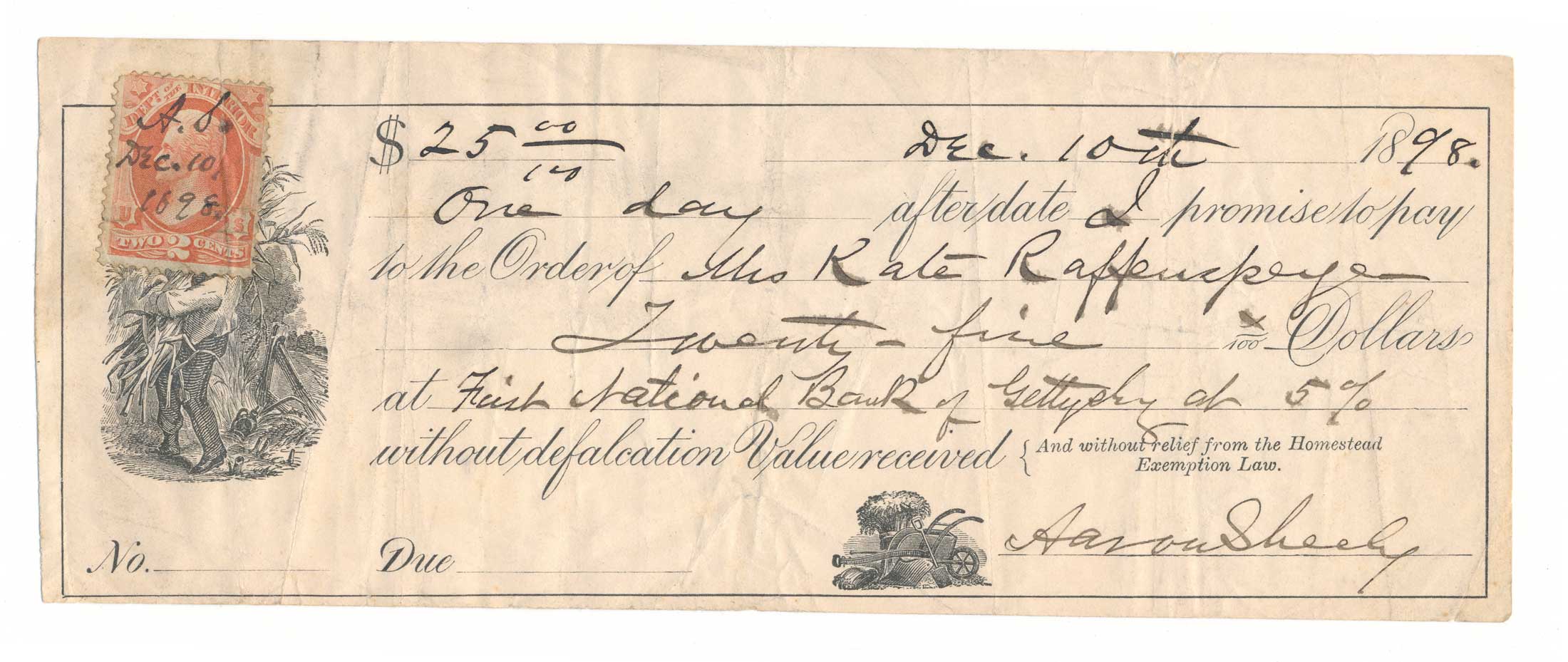
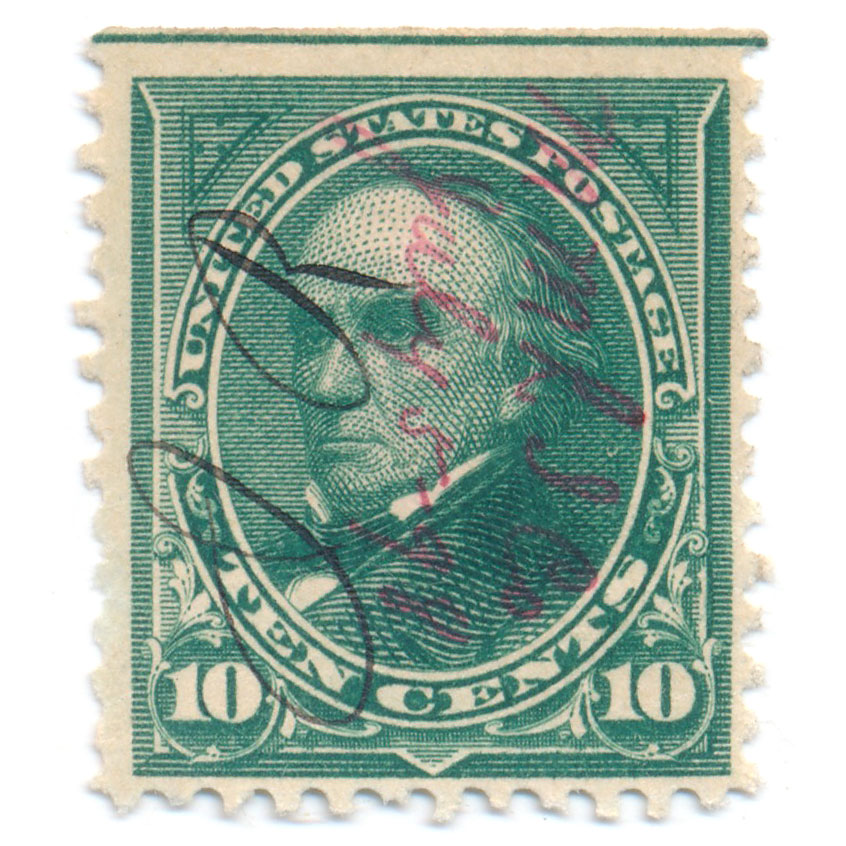
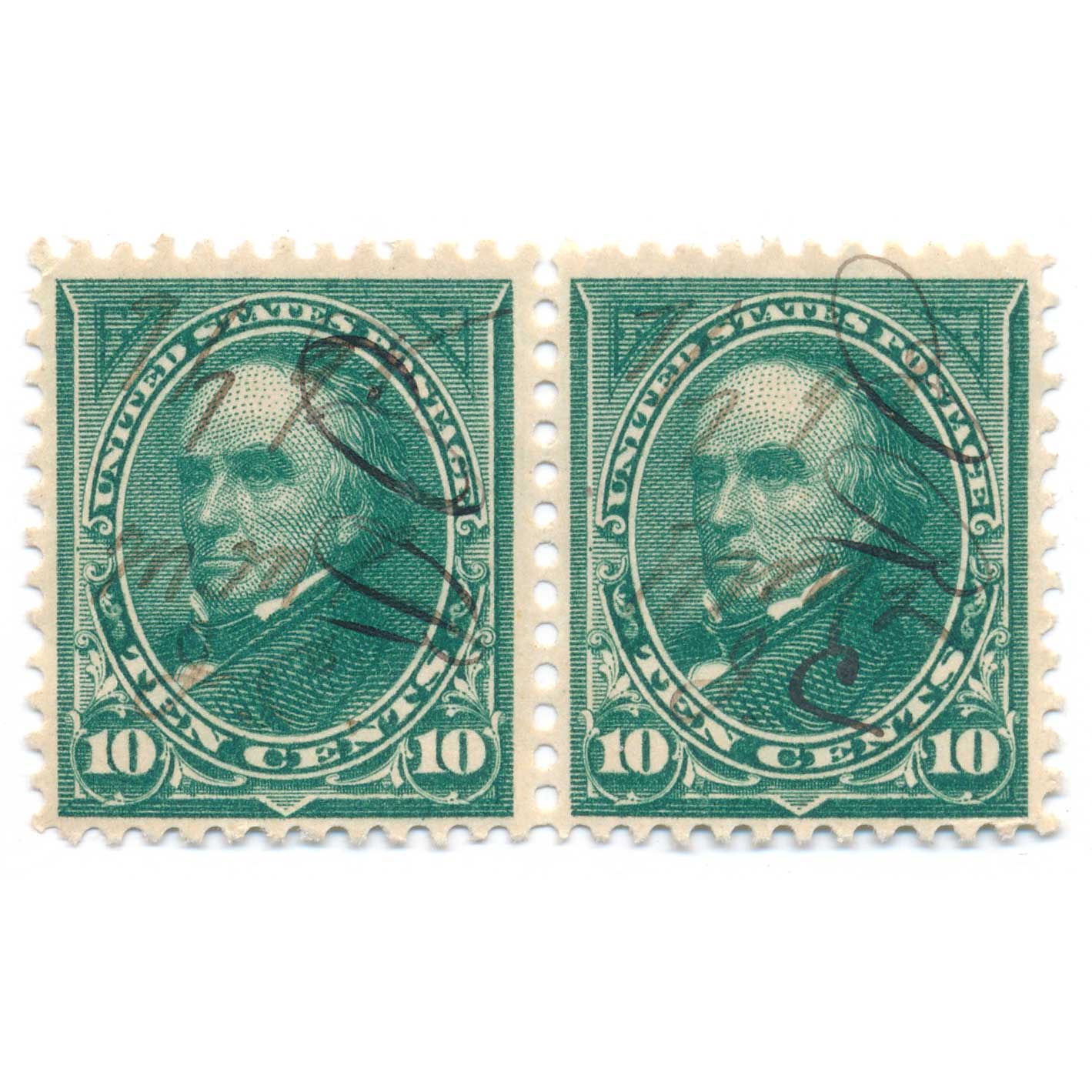
| Author |
 Replies: 21 / Views: 2,027 Replies: 21 / Views: 2,027 |
|
Pillar Of The Community
United States
770 Posts |
|
|
|
|
Pillar Of The Community
United States
6483 Posts |
|
|
Bedrock Of The Community
United States
10883 Posts |
|
|
Not only illegal because it was not a revenue stamp, but as an Official it had no actual validity for any purpose at that point. Their use was abolished on July 5, 1884. One wonders how and where it came from to be used 14.5 years later, since there appears no doubt that it is a genuine usage. I cannot recall seeing one used this way before. Lovely item. |
Send note to Staff 
|
|
|
Valued Member
308 Posts |
|
|
Speaking of use as a revenue, this was one was recently acquired and has great interest for myself being from Kentucky. 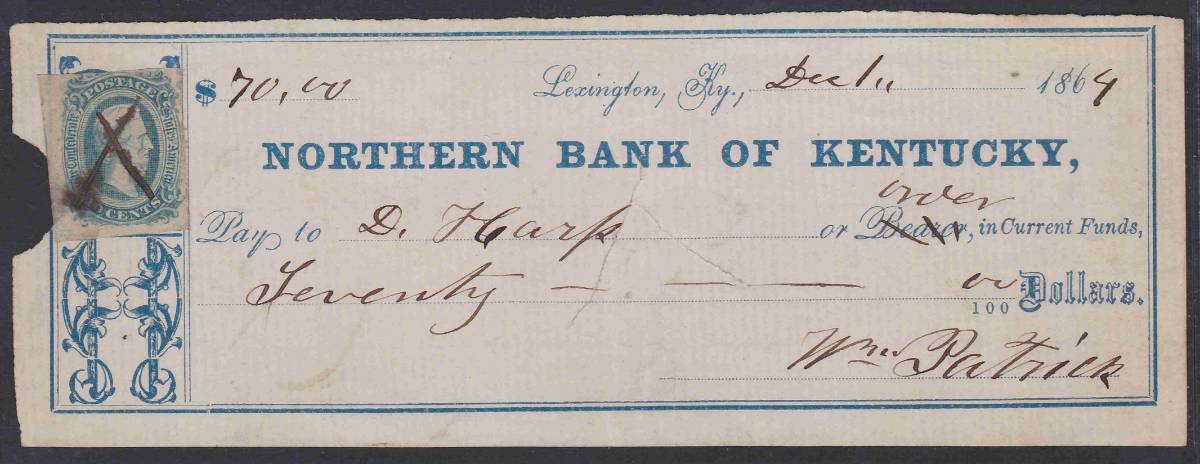 I am open to any feedback anyone may have on this. I have not researched it very closely. Thanks Hobsun |
|
Send note to Staff
|
|
|
Pillar Of The Community
United States
6483 Posts |
|
|
Hobsun, if legit, it's a great item. I wish the manuscript cancel had initials and/or a date to be able to tie it to the check signer with some degree of certainty. |
|
Send note to Staff
|
|
|
|
Bedrock Of The Community
United States
10883 Posts |
|
|
Since Kentucky was a border state, the tax would have been paid by a normal US revenue. Lexington was a fairly major city at the time with over 9,000 inhabitants, so stamps would almost certainly have been available. The check could not have been used in any legal action since it would have been considered unstamped. The cancel is a basic untied manuscript x which cannot be directly proven to belong. A political statement such as this one would have probably been dangerous by 1864 in such a major city which was sure to have a Union Garrison; theoretically only the bank clerks would have seen it but it still seems a very risky move. All in all I strongly suspect that the stamp did not originate on the check but was added later, perhaps after the revenue fell off. |
|
Send note to Staff
|
|
|
Valued Member
308 Posts |
|
|
I appreciate the feedback provided and agree it is highly likely the stamp was applied after the fact. It is obviously not tied. Marshal law was in place by this time in Lexington and this adds to the intrigue. Not sure how anyone could make a case to prove it's use. The check is endorsed on the back by D Harp so my thought is the document itself was legally used initially. More investigation is needed and I remain open to all feedback and thoughts.
Hobsun
|
|
Send note to Staff
|
|
|
Pillar Of The Community
United States
1179 Posts |
|
|
Hobsun013 - just curious - would you please do a scan of the back. I's be interested to see if there is any ink bleed-thru from the ms. cancel of the stamp.
Thanks. What a really neat border period item if it is legit! |
|
Send note to Staff
|
|
|
Valued Member
308 Posts |
|
|
Attached is file. It does not appear to have any bleed thru which is something I was looking for as well. I would appreciated any comments. 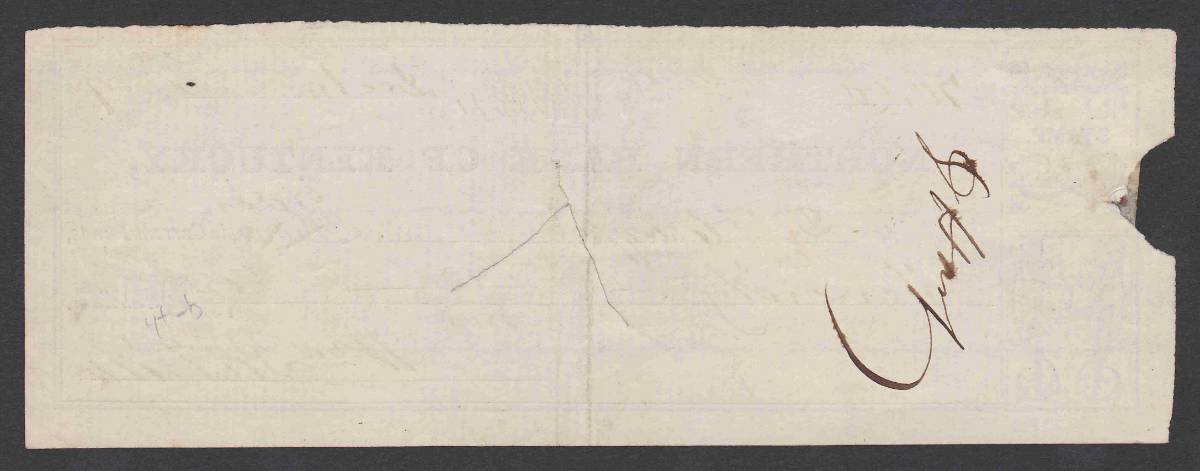 Hobsun |
|
Send note to Staff
|
|
|
Bedrock Of The Community
United States
10883 Posts |
|
|
Even if it did have bleed through it would not prove much. Someone could have added it 75 or 100 years ago and it still would not belong. The idea of "philatelic creations" goes back practically to the start of collecting. The promissory note with the official is genuine because the handwriting on the cancel matches the handwriting on the document and the ink appears identical. Not only does the Kentucky check lack this, but there is no logic to it's existence. The stamp does not correspond to the tax rate, and no one sane would add it in a Union city under martial law unless they were anxious to wind up in prison branded a traitor. |
|
Send note to Staff
|
|
|
Pillar Of The Community
United States
770 Posts |
|
|
Pillar Of The Community
United States
791 Posts |
|
|
Pillar Of The Community
United States
6483 Posts |
|
|
I'm not sure there's enough value there to justify the cert expense. Off-document examples of improper usages are worth a fraction of on-document examples, as there's no context and could easily be fabricated (not saying these are, as there's really no money in it, just that there's a reason that they tend not to have the same premiums as complete documents or even document fragments). |
|
Send note to Staff
|
|
|
|
Pillar Of The Community
United States
791 Posts |
|
|
Dan,
So you're saying these aren't Michigan Mutual Life Insurance Co. provisionals akin to R156-R158 in Scott's? |
|
Send note to Staff
|
|
|
Pillar Of The Community
United States
6483 Posts |
|
|
No they are not. They do not have the violet "IR" overprints. They are simply improper usages. R156-158 have very specific characteristics. There will be a new smaller font overprint added to Scott this year; it was supposed to be added last year but got lost in the editorial shuffle. |
|
Send note to Staff
|
|
|
|
Pillar Of The Community
United States
791 Posts |
|
|
Correct in that they don't have the violet overprints but thought maybe they were used before they got the stamps for imprinting. The dates on these examples predate most of the ones on the PF website. July 12 seems to be a particularly frequent date. |
|
Send note to Staff
|
|
|
Replies: 21 / Views: 2,027 |
|




 Posted 02/28/2019 5:54 pm