Hi John,
Quote:
"I am thinking more along the lines of separating out the offset printings, the coils, the Schermacks, etc. The low hanging fruit. Then how to deal with the look-alike sheet stamps remaining, etc."
The problem I see with this is, the coils and the Vending & Affixing private perforations are among THE most faked items in philately. And often times one of the easiest ways of detecting that are proving that it
can't be authentic because we prove its first not a possibility. The process I use to ID is the following (I utilize an Excel spreadsheet with filters. Everything is present at the start, and it narrows down as you go):
1. Design + Denomination
Now I have a list of stamps that match mine in appaerance.
2. Press Type (or perforation if it's obvious to me, but this is fine as a next step)
Now I've removed anything that isn't in the list, and I still haven't had to perform any real tests.
3. Perf type
This requires high magnification and the use of a specialist gauge if there is a coil involved.
4. Watermark
Usually gets me down to two or 3 types, fewer if this is Step 3 instead.
5. Variety
I use this as a "last step", for 1c and 2c and bluish paper ID only, and the 5c Carmine & Rose Error prints.
6. My newly added "Vending & Affixing" & Imperf Coils
Most people aren't familiar with the private perfs. They just think, "This is different". I like this option because even I forget about the imperf coils from time to time. Particularly if the stamp is a single...
To me, I don't think it can get any simpler than that. You can swap step 3 and 4 if one prefers. I like to keep watermarking to essentially a "last step", because by this point you actually now have the ID. Steps 6 and 7 are just "reminders" that some of these issues live as other varietals. But the ID is there.
I get you're looking for the quick, simple, most likely ID, but that is what leads to people jumping to the "I've got the rare 459 Autovend Type III perf". Where if they had followed the process they would discover that it's a 482 with a fake perf added to look like the AVC Type III.
This kind of simple thing fools lots of people. But if they follow that process, in step 2 they would have identified it as a flat plate coil, not a rotary, and not even gone down that path...





 Posted 03/31/2019 06:39 am


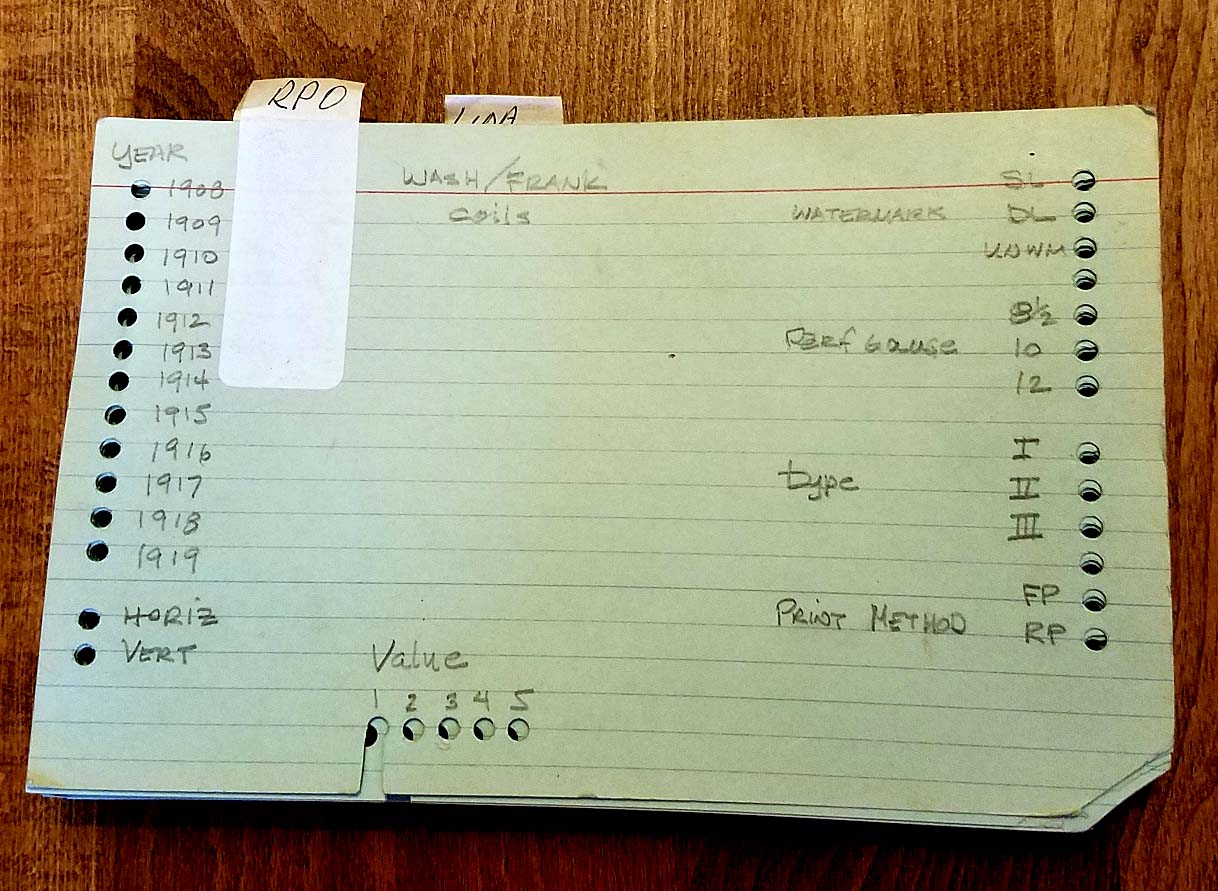
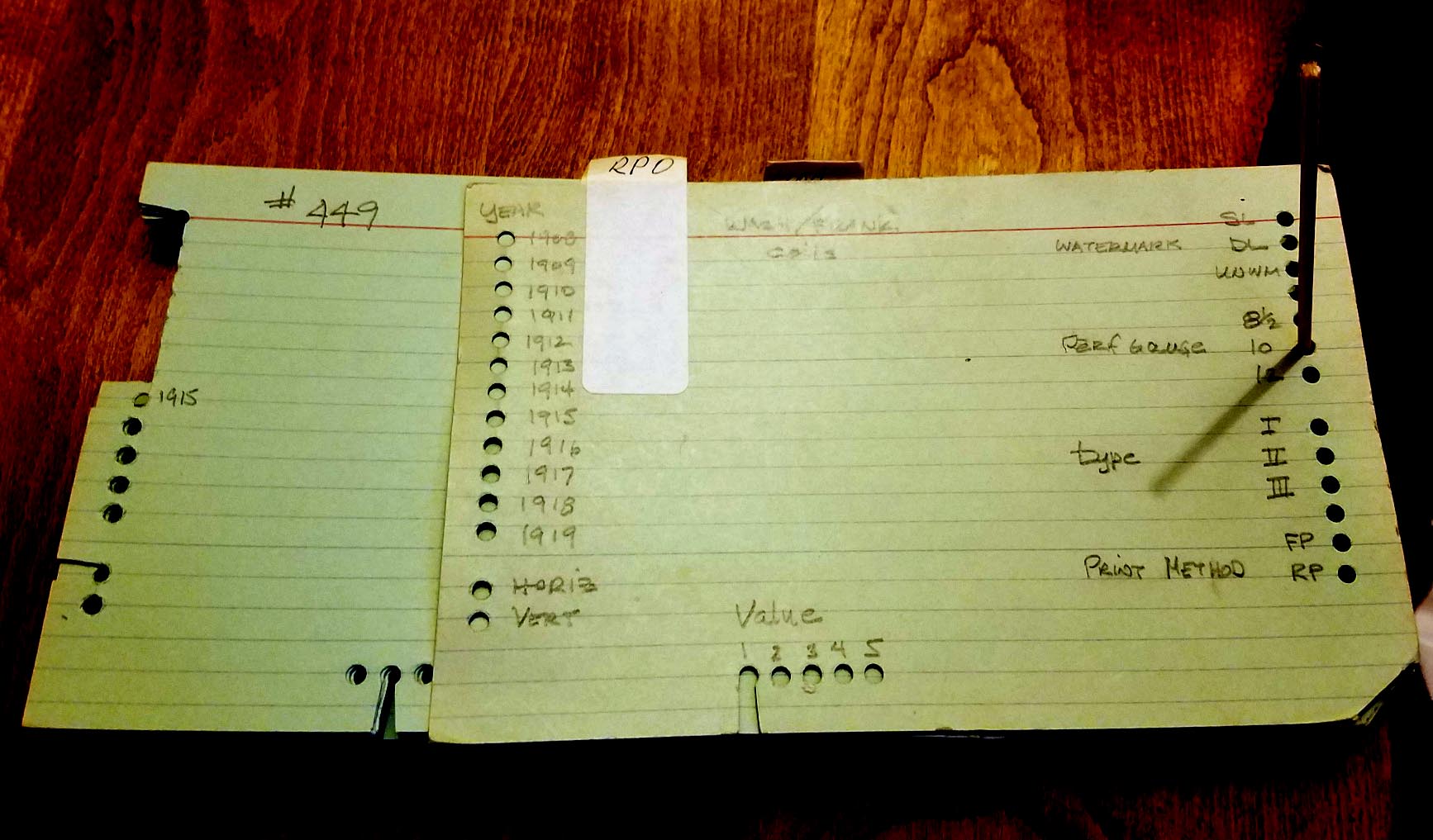


 .
.
