I don't agree that certificates are required. I like the saying, "Give a man fish, feed him for one day. Teach a man to fish, feed him for a lifetime".
Certificates are
expert opinions but only opinions. They can be wrong, you can have out-of-control egos controlling the narrative.
I asked for a certificate on this one in my collection (I was a club member and did not have to pay an additional amount above my membership fee for the certificate):
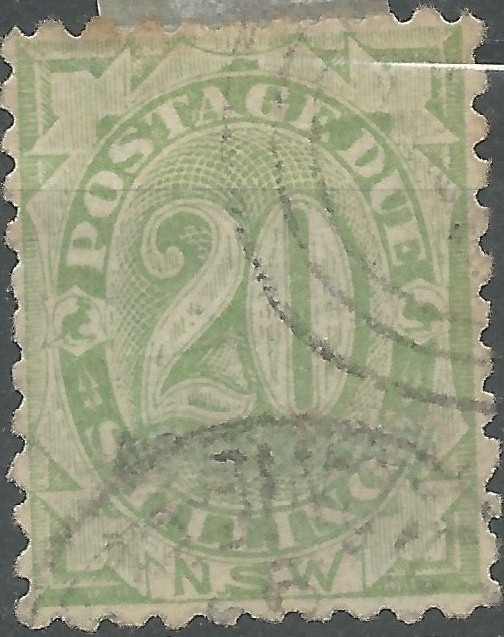
The certificate states the cds part has been added to the original three-ringed GPO Sydney cto cancel so the stamp is genuine, the cancel is not.
Except the three-ringed cancel is not a GPO Sydney cto type but it does exactly match the type used for postal purposes on postage due stamps.
I do not believe the assessment for the certificate was correct. The certificate was sought from a collector body, not a commercial certificate provider.
How did I decide that I believed the certificate was in error? I used my own reference library (money spent on books, not certificates).
This certificate was provided for a stamp sold in 2009 for nearly $10,000 that I have purchased subsequently:
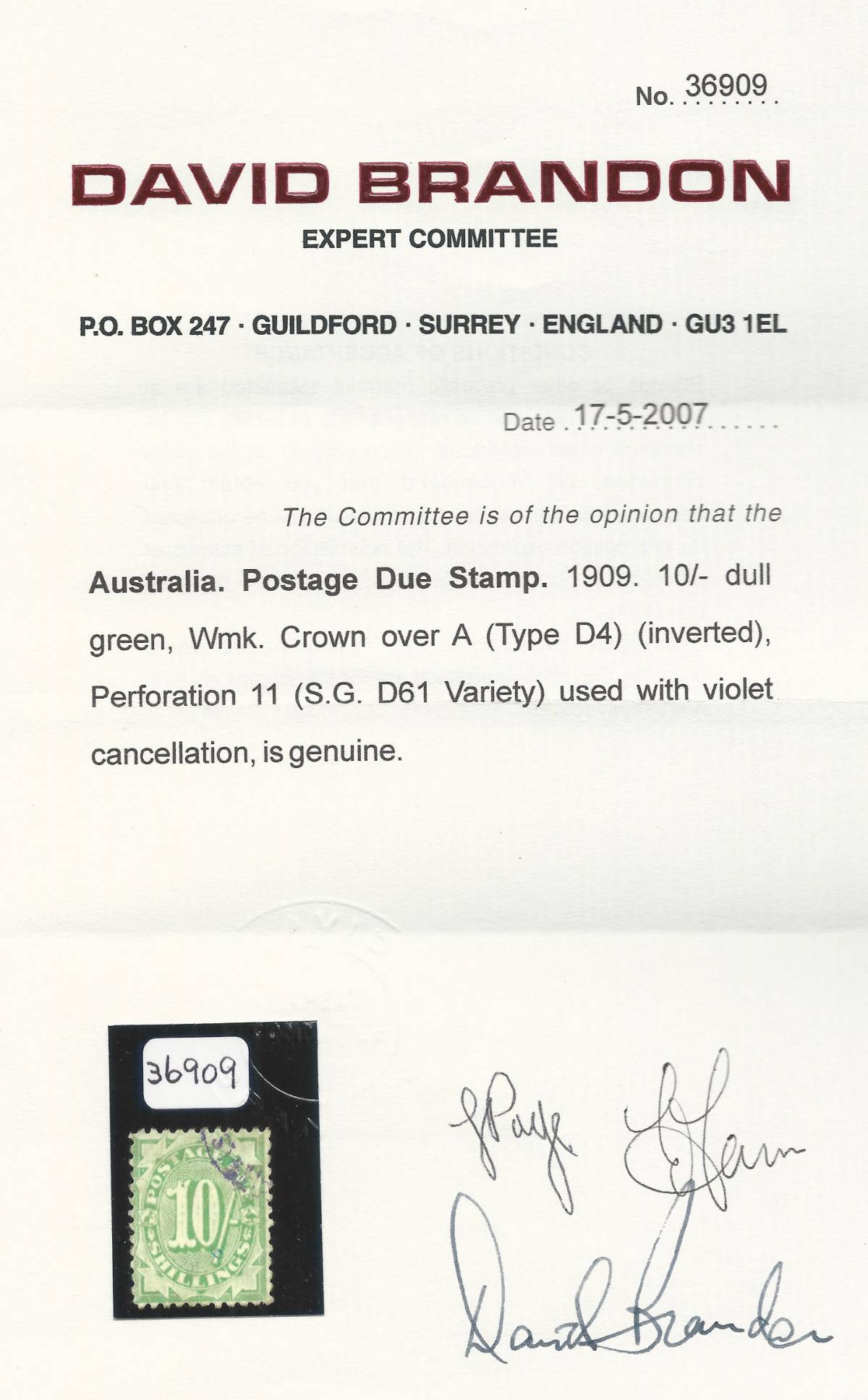
Would you be satisfied with that?
What about you are the $10,000 buyer and this certificate comes back?
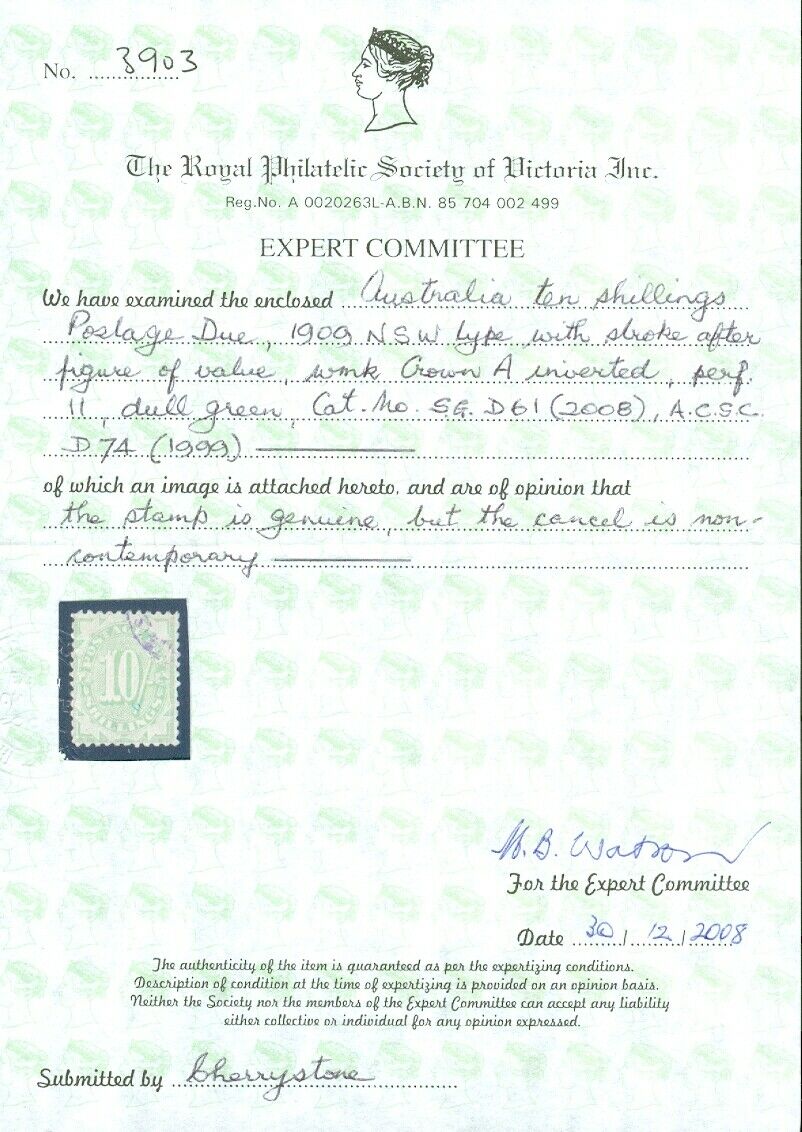
The sale at $10k was voided because of the second certificate and I bought it for a fraction of the $10k.
Back to half-lengths question...
If you get a certificate, what have you learned?
This book is around $AUD200
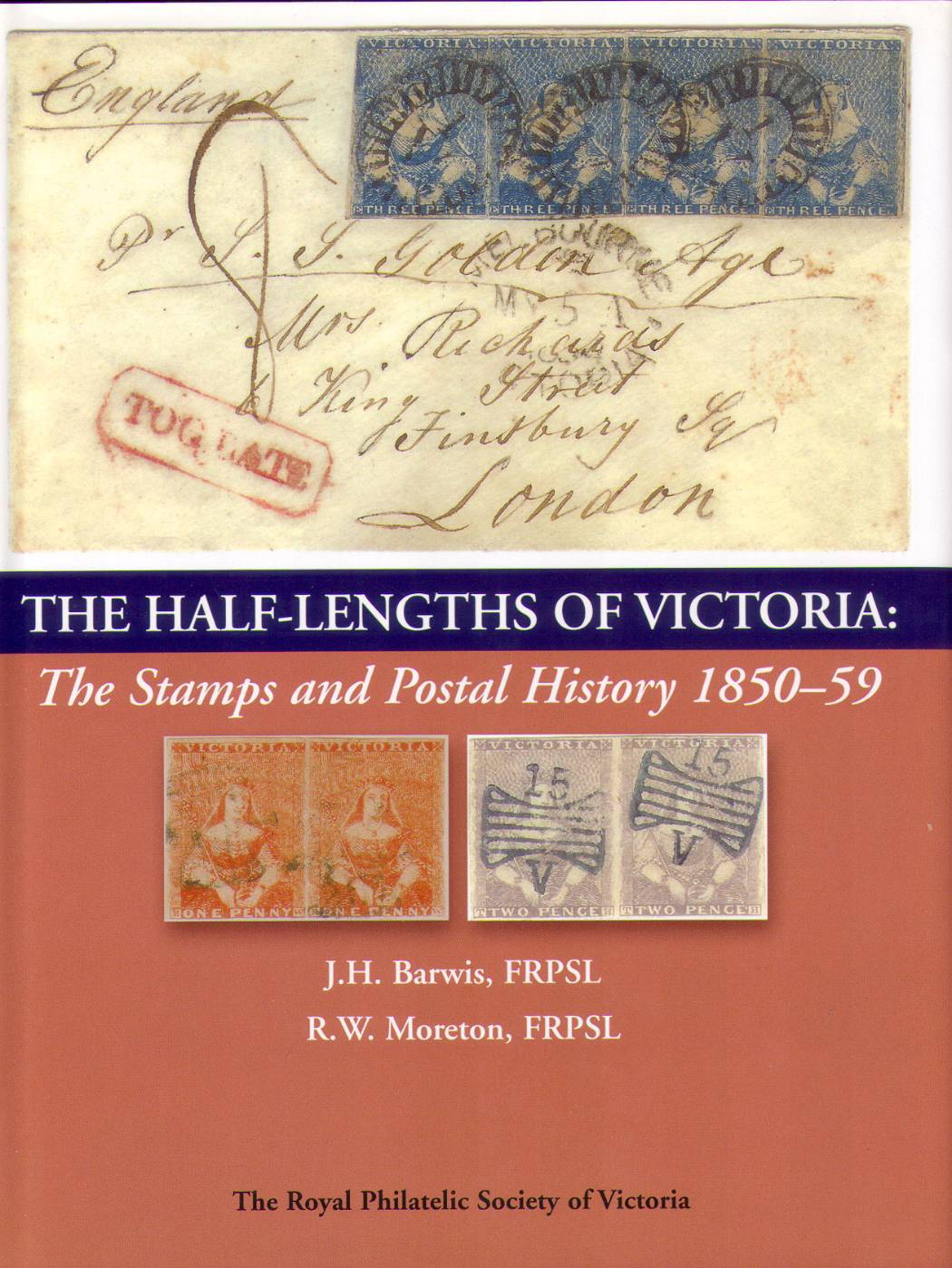
The equivalent of four certificates.
Buy the book, get the expertise yourself and voila, no more certificates needed.
You can identify the good stamps in bulk and poorly-described lots and pay for your $200 book in no time.
My general view of the world is that the way it operates is decided by lawyers and insurance companies. "I'll get a certficate because then I can blame someone else if it doesn't work out". You have simply transferred responsibility without much learning.
Join a stamp club or go to a stamp show. Ask an expert their opinion. They knew little about their specialist topic when they started. More are prepared to share their expertise than will sneer at your lack of knowledge.
By-and-large, when I rely on certificates, it will be only those from collector bodies (as I have shown above, they are not perfect) but not private certificate providers (esp those based in Bristol). There are exceptions, though.
Have a look at any of the main auction houses, in their literature section, they will have boxes of various stamp books. Why not throw $50 at a box of books just to have them? Your may find that the information you then have at your fingertips will prompt a new topic to collect or give you the knowledge to profit from your acquisitions to fund your collecting without having to explain to the wife where her bingo money went.
Have a look at the literature listing for Vance Auctions' next sale:
https://www.vanceauctions.com. Lots of variety for not much money.
In short, spending money on your philatelic library is a better return for money than spending the money on certificates IMO.





 Posted 09/18/2019 1:00 pm


