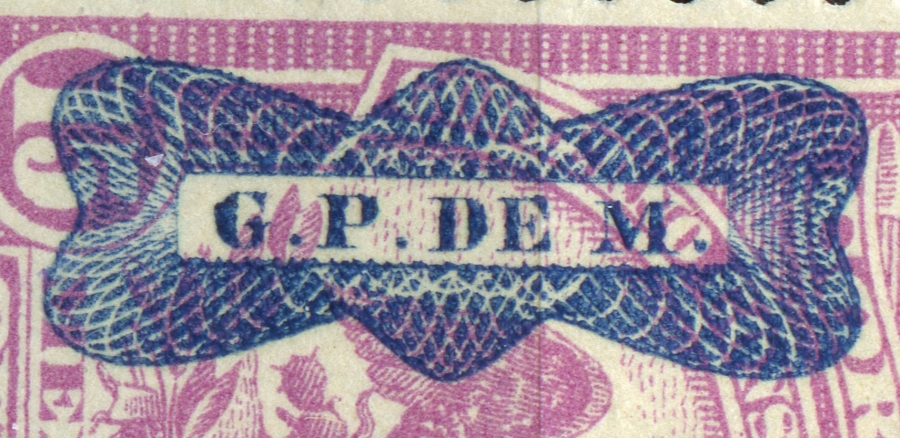
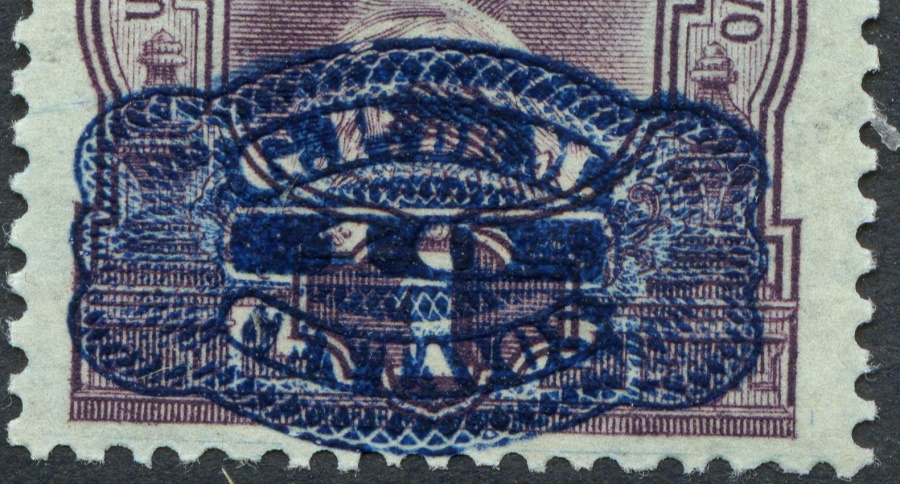
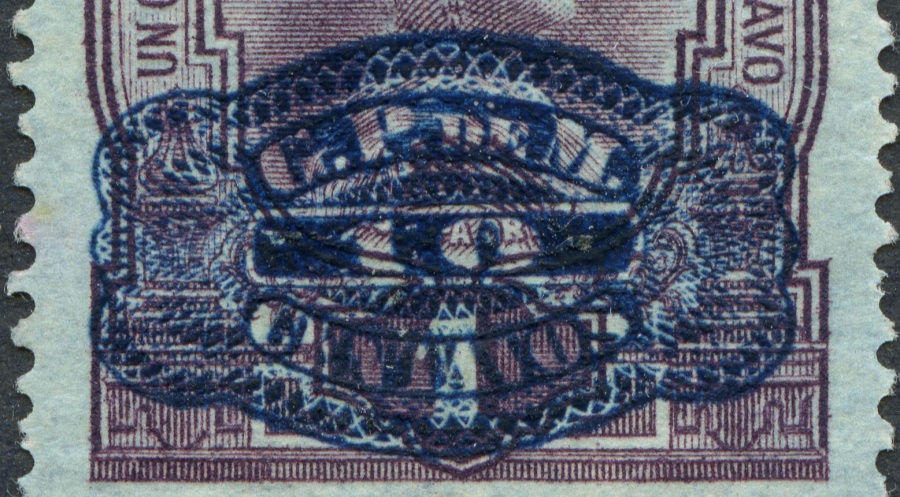
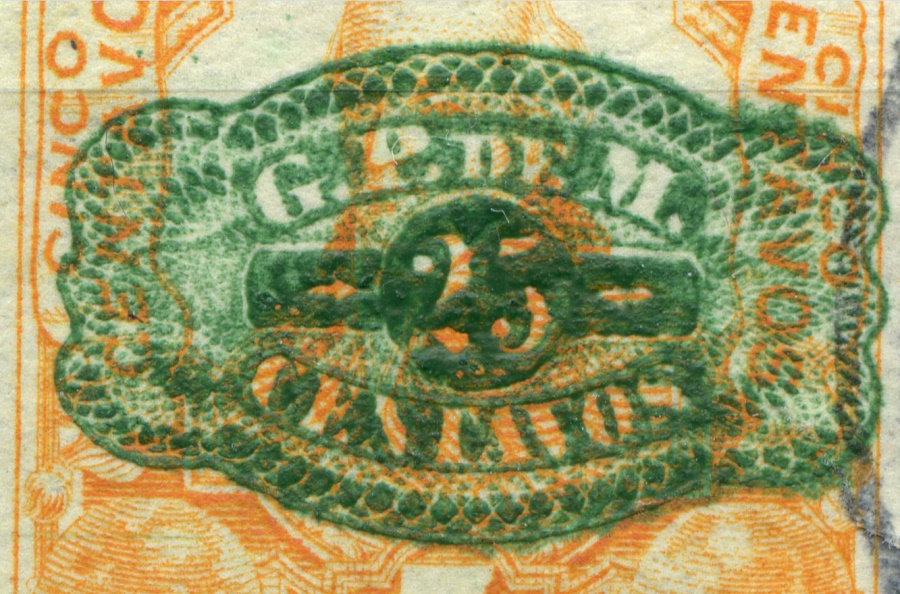
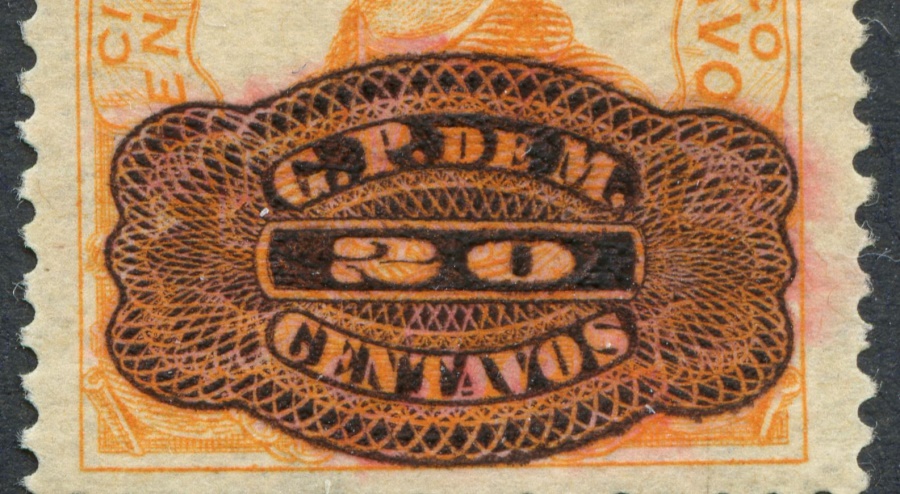
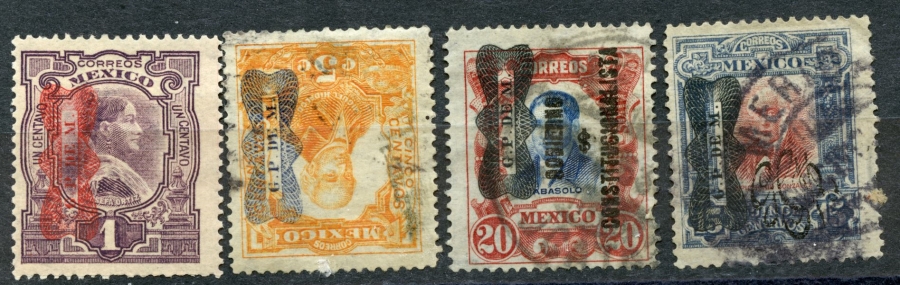
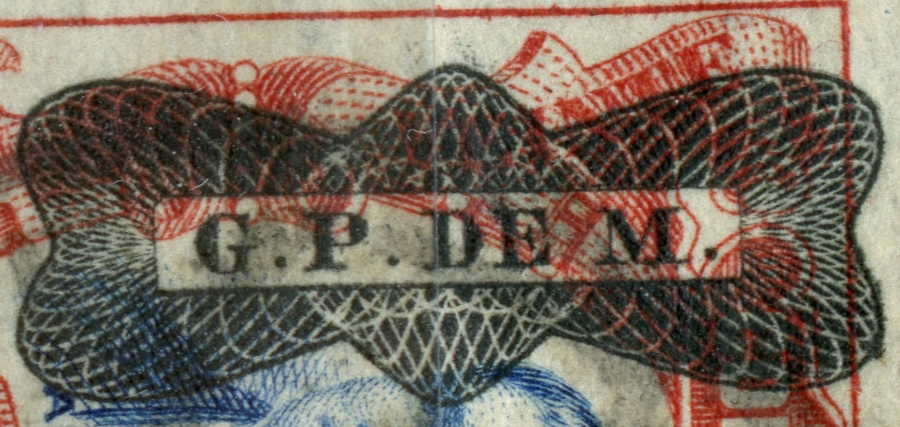
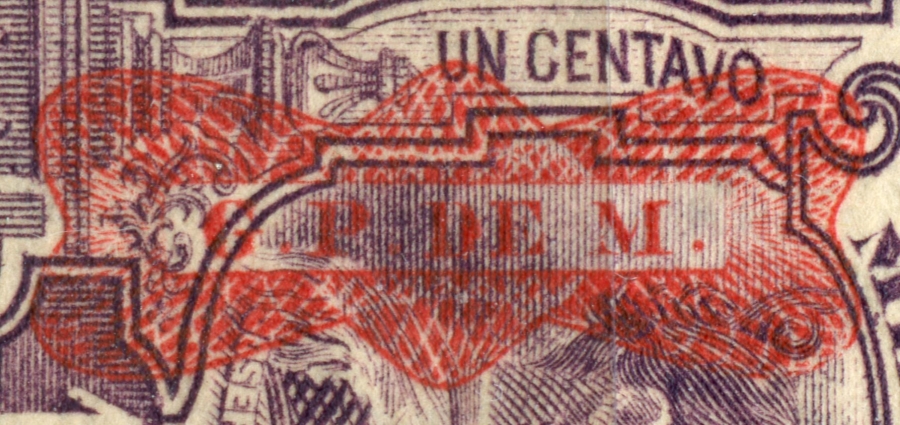
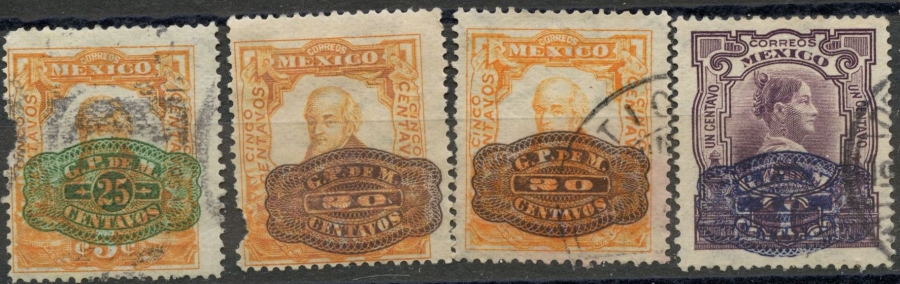
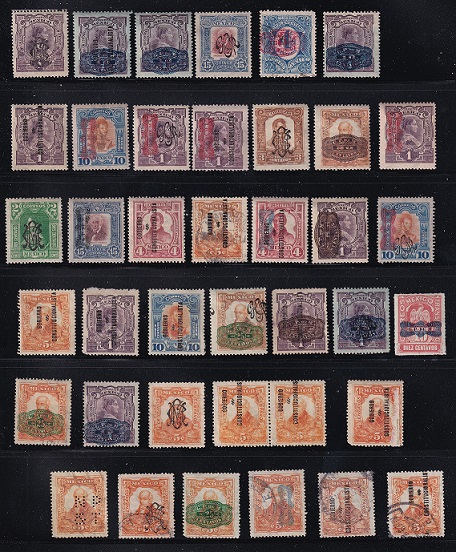
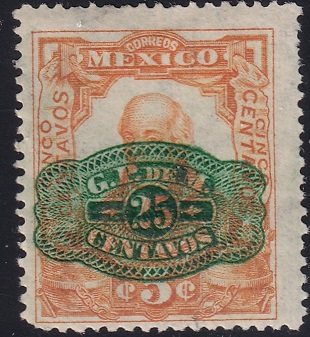
In 1916 in Mexico the Provisional Government did "overprint" a lot of stamps -whether they had earlier overprints or not - with a scroll containng the text "G.P.de M." i.e. "Gobierno Provisional de Mexico".
The handbooks and catalogues - Mexican philatelists in particular - claim the overprints to be in typography!
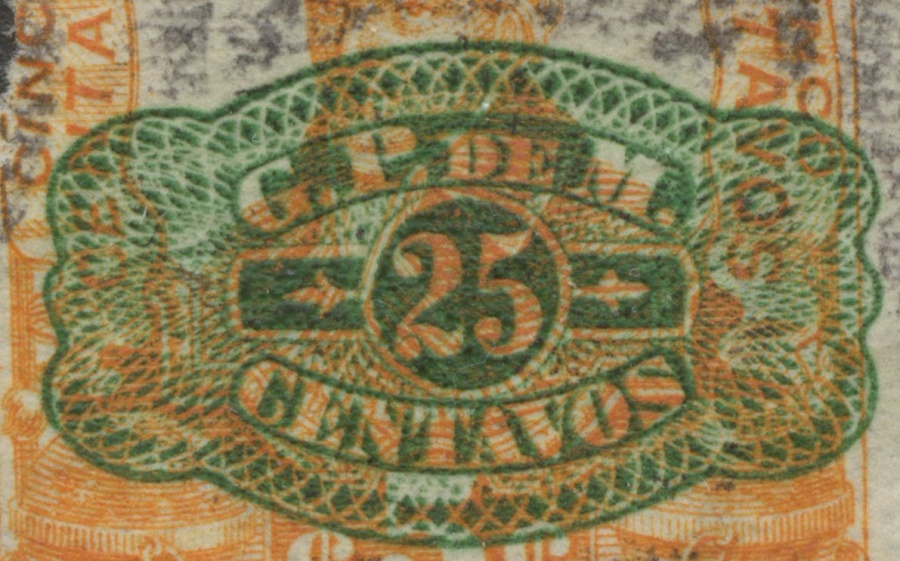
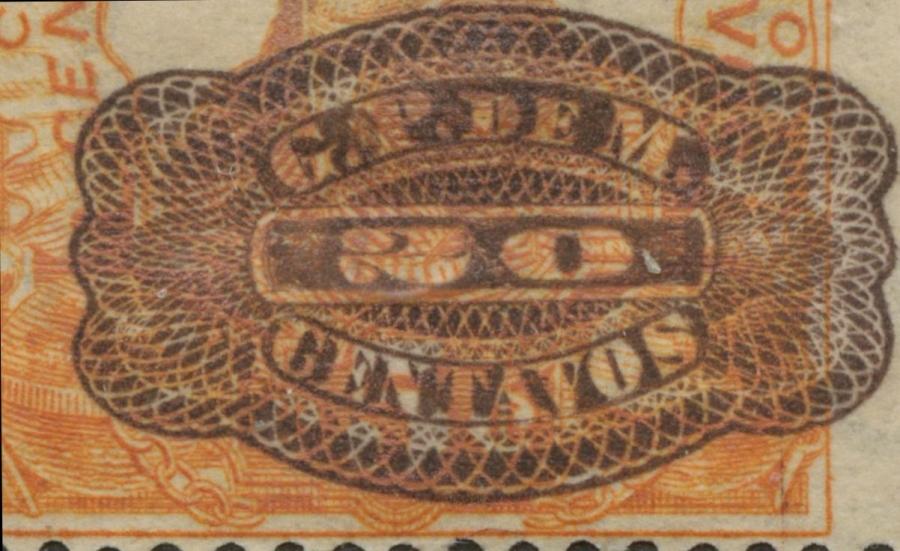
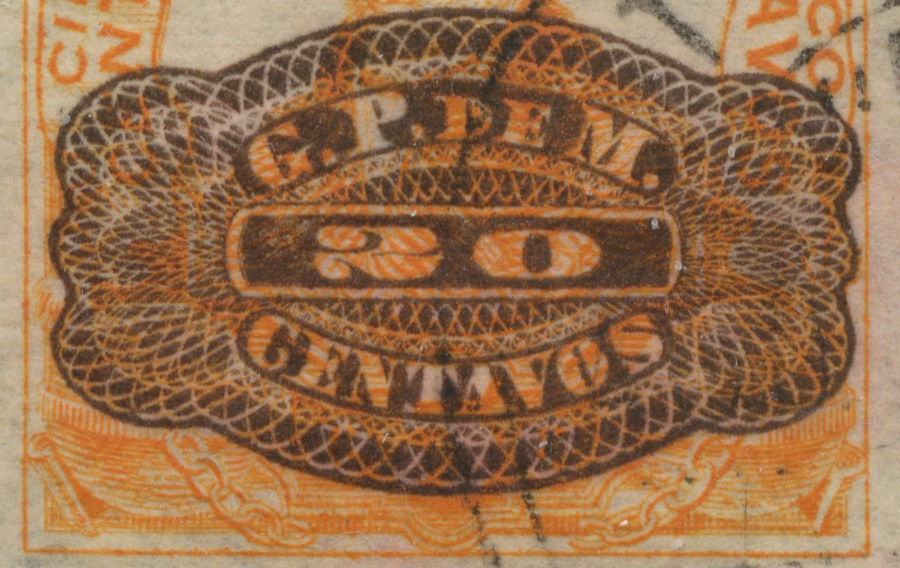
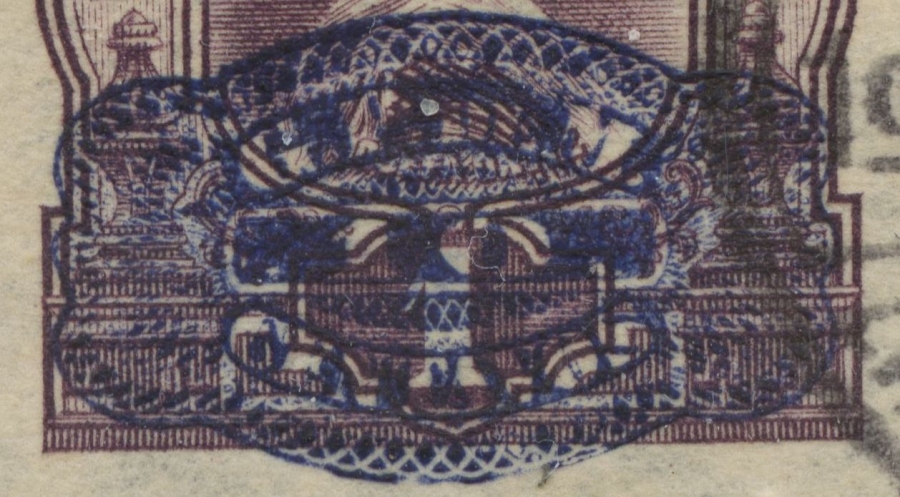
When you pay a good look at them - magnification of 10 times or more - you will notice that it doesn't look like typography at all, it rather reminds you of recess printing. You may even feel it by touchting ther surface, the ink lies clearly on top of the paper surface.
Knowing the Mexican State Printers had die-stamping equipment from the French Voirin or the English Waite&Saville manufacturers probably as early as 1911, it s most likely these machines were also used to apply the "overprints" to a bulk of stamps still available.
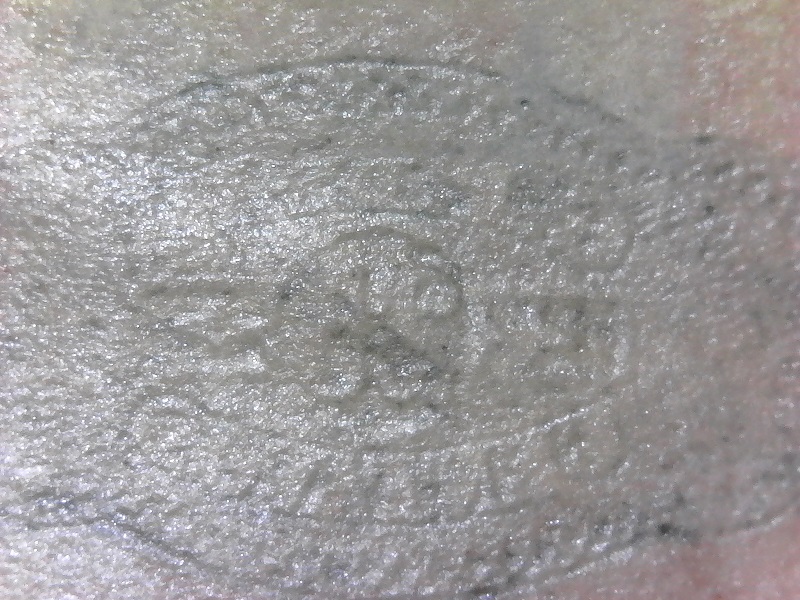
Looking through my assortment I noticed the impression on some examples can be seen from the reverse. What printing method would produce such an impression?
I suspect that this NOT the traditonal recess we know of most American printing houses - like the American Banknote Cy - but is similar to what the Mexican State Printers used later i.e. die-stamping. The flat plate is like that of a recess plate but the applying of the print is by hammering [stamping] the plate into the sheet [or reel] of paper while at the back of the paper there is a somewhat soft underground [cardboard?] so a kind of embossing is created!
It is a pity that a Mexican philatelist - who is esteemed in his country - refuses to help and does not do anything but mocking me. He could have gone to the Archives what would be alot easier for him than for me being a couple of 1000 miles away....
The above link may also interest you. If the link does not work you can find it on the mepsi.org website under research articles. There are numerous articles on this subject.
"The last of the overprints found on the 1899-1910 issues were done on both unoverprinted stamps and those done with the earlier overprints. These overprints are the "Corbata", or Bowtie, the "Barril", or Barrel and lastly the "G.P.de M. $2.50" used on the Postage Due issues. Generally speaking, these are not commonly faked and many of the first two are easy to determine by the crudeness of the fakers work. Like any of the rare issues, buying from a dealer you can trust and MEPSI certificates are helpful in keeping your collection free of fakes and no lose of money buying the bogus items."
Included the reference as it provides considerable detail on the overprints of that issue. Perhaps not enough to answer your original question though. Sorry. I did find something on the ASDA that does indicate the Barril overprints were engraved. https://www.americanstampdealer.com..._Part_2.aspx
Overprints are generally typographed. A few, such as the high values of the Krakau issues of Poland, or the first air post stamps of Japan are lithographed. Some are engraved, such as the Mexico corbata and barril overprints, or the pseudo-engraved Sokol and Olympic overprints of Czechoslovakia of 1925-26. Even handstamp overprints exist, such as the 1900 Tientsin provisional of the German offices in China, or the 1010 Faroe Islands 2o provisional.
Overprints in photogravure aren't really overprints but re-prints of the original stamp in photogravure [or recess] with an extra cylinder in photogravure.
These Mexican overprints are the first ever/only I know to have been in recess with the base stamp being printed somewhere else [recees by Bradury Wilkinson, UK] and in a different printing process [Denver].
I noticed that also. Of the six examples I have with gum the imprint is visible in varying degrees. The image I posted is the best one of the lot. I find the stamps particularly attractive and interesting due to the rather unique method of printing. Seems like the provisional government of Mexico spared no expense when producing them. They are eye catching.
Disclaimer: While a tremendous amount of effort goes into ensuring the accuracy of the information contained in this site, Stamp Community assumes no liability for errors. Copyright 2005 - 2026 Stamp Community Family - All rights reserved worldwide. Use of any images or content on this website without prior written permission of Stamp Community or the original lender is strictly prohibited. Privacy Policy / Terms of UseAdvertise Here





 Posted 01/21/2020 5:22 pm