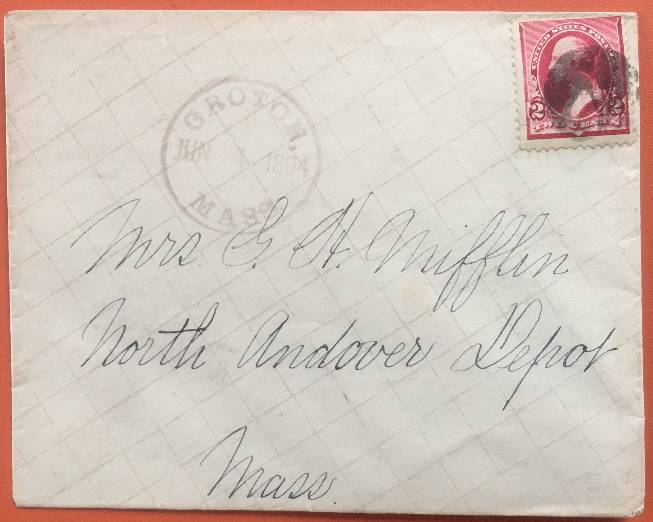
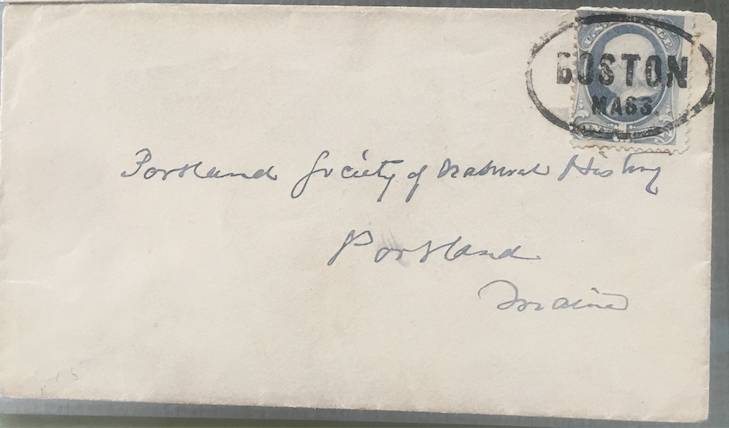
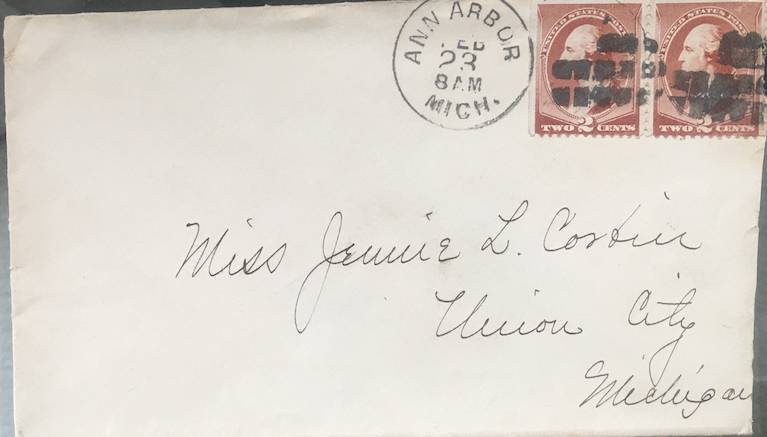
"Fancy" is whatever people want to mean it to be. For what is in the relatively small number of references, a better word might be "nonstandard". In my opinion, all 3 fit the fancy/nonstandard definition, though it's not clear what the first one is supposed to be.
There is also very little work done generally in identifying fancy/nonstandard cancels, so there are many thousands still unidentified and/or unrecorded.
The Cole book includes many of the oval cancels used during the banknote period that a lot of collectors would not necessarily call fancy. These are under his grouping, 3rd and 4th class mail; the 1c rate on your second cover is just that. Your Boston oval is fairly common. The only thing that I think you want is a date range, which can be estimated by the stamp(s) used without any specific dated matches in the references. It's the best that can done at the moment.
And that is the big problem with fancy/nonstandard cancels. Collected on stamps, you're not going to have a dated cancel with it most times. Most covers of the banknote period and earlier will not have anything datable -- cancel, docketing or contents. And there will always be somebody telling you that docketing can be faked and contents can be switched or added.
Further, I suspect that many of the illustrations provided in Cole, Herst/Sampson, etc. are best approximations and may even be composites of several versions or states of the same cancels. These cancels do also wear over time and so get distorted and lose pieces. Your Ann Arbor cancel might be in that later state. Meanwhile we have
ebay sellers that happily identify something close to a listed cancel but that is impossible to be the same. Cancels do not "grow" extra parts except perhaps by overinking.





 Posted 02/13/2020 5:28 pm