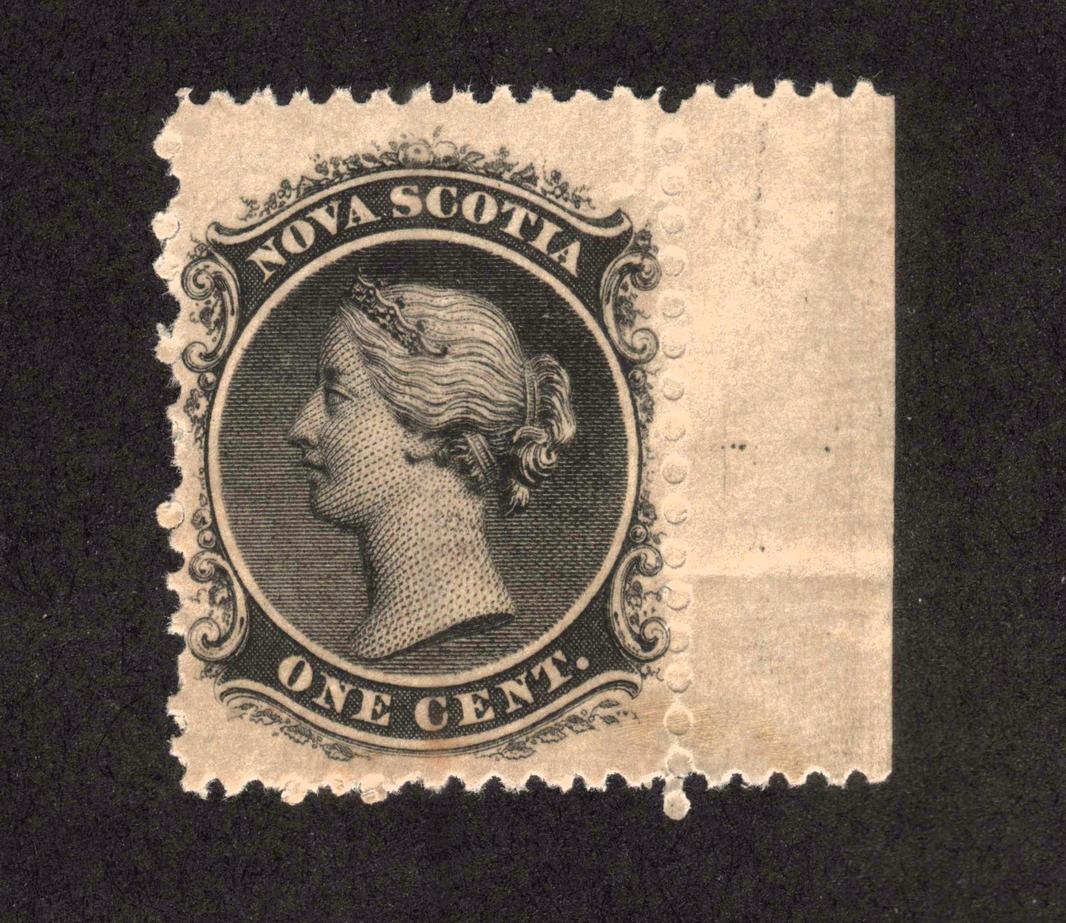
I also found it could be helpful to identify stamp positions, at times. Here is an example of Canada # 19, position 54, and the far right perf holes left at the bottom show part of position 64, and can be matched with the slight misalignment to the right of the vertical row between rows 50's and rows 60's
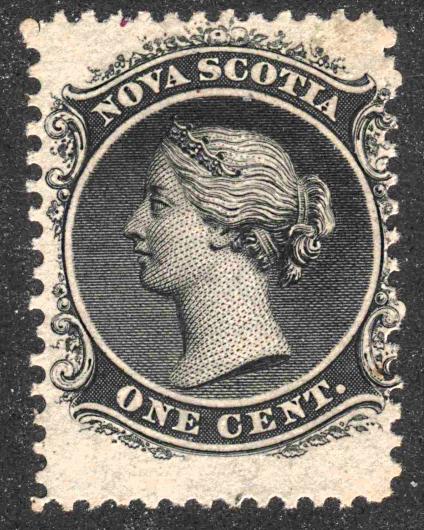
To illustrate, here is a single position 54, a plate proof example and an actual block of 6 used.


https://www.ebay.com/itm/-/525354626364 target _blank rel nofollow 525354626364 /a -scfopt1.jpg" border="0" style='cursor:default' onClick='doimage(this,event)'>
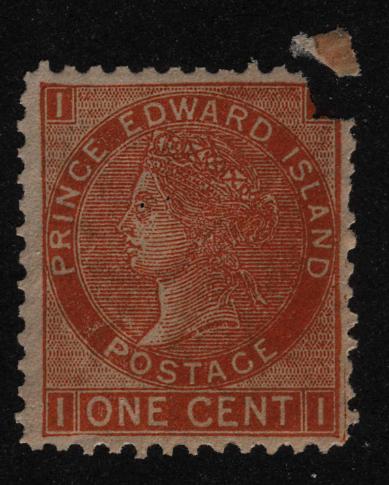
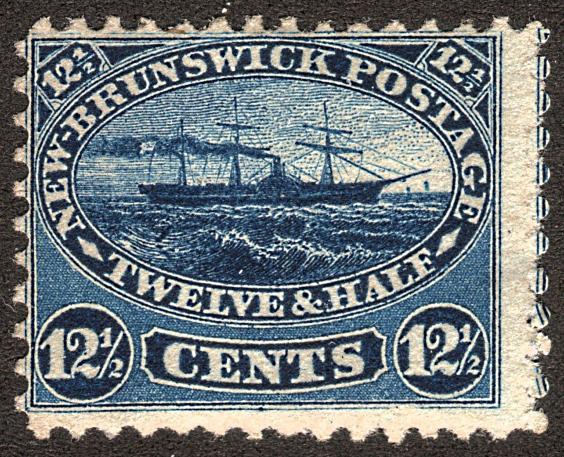
I have not done maths on this but in my view, perforations remove a % of visible area. Any one left increases a slight portion of the original paper, and could add valuable information for specialists and flyspeckers, on older classic stamps.





 Posted 04/07/2020 5:13 pm






 ...archerg

