Stamp Community Family of Web Sites
Thousands of stamps, consistently graded, competitively priced and hundreds of in-depth blog posts to read


Stamp Community Forum
 
Username:
Password:
Save Password
Forgot your Password?

This page may contain links that result in small commissions to keep this free site up and running.

Welcome Guest! Registering and/or logging in will remove the anchor (bottom) ads. It's Free!

Show Your US 1851-57 Imperforate Stamps

Previous Page | Next Page    
 
To participate in the forum you must log in or register.
Author Previous TopicReplies: 3,775 / Views: 248,447Next Topic
Page: of 252
Pillar Of The Community
United States
939 Posts
Posted 01/20/2024   12:07 pm  Show Profile Bookmark this reply Add Moyock13 to your friends list  Get a Link to this Reply
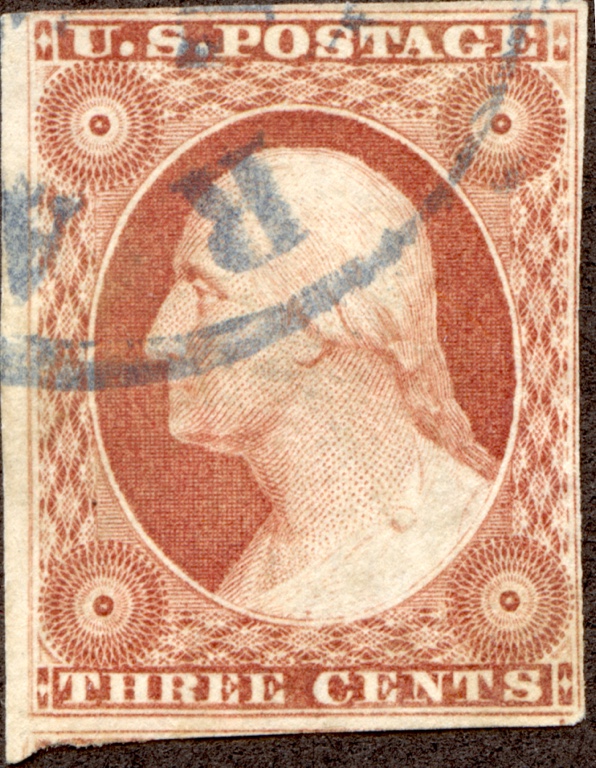
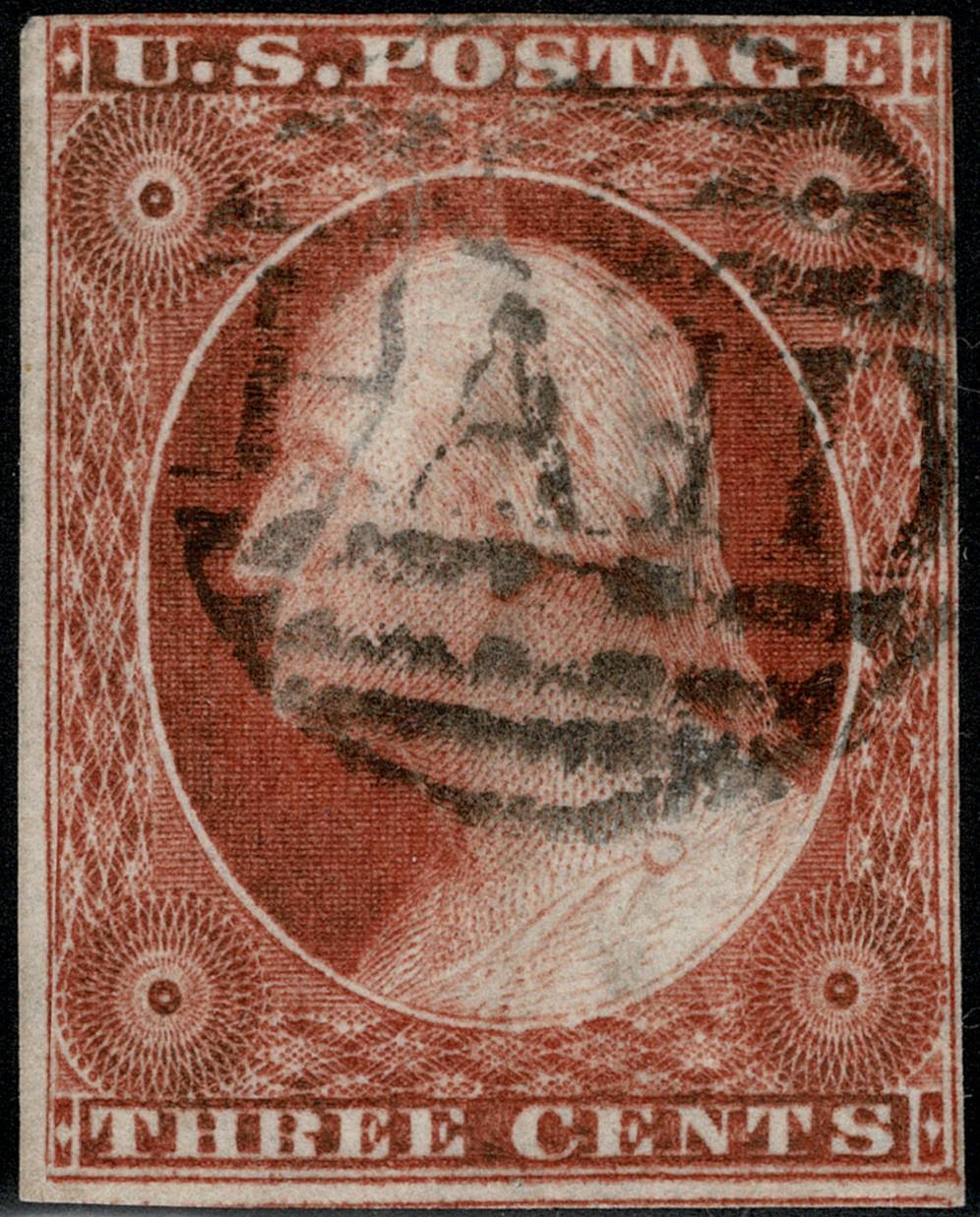
I seem to have a talent for finding 3c imperfs that Chase doesn't mention in his book. Like this particular stamp.
Split lower left frame line and what appears to be a misplaced lower right guide dot. Three of the four frame lines seem to be recut and there doesn't seem to be any inner frame lines. Relief "B" and it looks like the upper label may have been recut. I'm thinking plate 4, but no matches.

Send note to Staff  Go to Top of Page
Pillar Of The Community
United States
614 Posts
Posted 01/20/2024   12:55 pm  Show Profile Bookmark this reply Add ioagoa to your friends list  Get a Link to this Reply
Hi Moyock --

Your stamp is 85R4.

FYI -- on the stampplating.com website the Lund copies of 84R4 and 85R4 are switched. In other words -- the Lund copy of 84R4 is actually 85R4 (and visa-versa).

Regards // ioagoa
Send note to Staff  Go to Top of Page
Pillar Of The Community
United States
939 Posts
Posted 01/20/2024   1:50 pm  Show Profile Bookmark this reply Add Moyock13 to your friends list  Get a Link to this Reply
ioagoa, thank you.

Go figure! The old switcheroo! =)

Send note to Staff  Go to Top of Page
Pillar Of The Community
United States
2230 Posts
Posted 01/20/2024   5:10 pm  Show Profile Bookmark this reply Add Classic Coins to your friends list  Get a Link to this Reply
Hi, Moyock13,

That's a really nice 85R4 you have there. The impression is nice, which is not common for plate 4, in my experience. You did a really good job of identifying the typical plate 4 features, which, if you weren't aware, are also listed on the US Philatelic Classics Society webpage below:

https://www.uspcs.org/stamps-covers...2%a2-plates/

Regarding the split left frame line on your stamp, Chase seems to have described this in a broad way by writing that the LFLs on plate 4 were "more or less doubled."

I just did a quick check of plate 4 and counted approximately 32 positions on the left pane and 27 positions on the right pane (59 total) that have an extra line left of the LFL. I saw many others where the LFL splits toward the bottom that aren't included in these counts. Why this is so has always been a great mystery to me.

Many of the extra lines are connected to the LFL at the bottom of the extra line. My natural tendency when I first saw these was to think that the engraver's burin must have slipped to the left as he was pushing the burin away from his body from bottom to top. Since this happened at approximately 59 positions, it seems to me that there must be a better explanation. Maybe the engraver was a lefty, cutting the LFL from left to right using a ruler with the plate positioned sideways, and the ruler kept moving on him.

Or. . . Maybe he was right handed and kept pushing the burin against the ruler, causing the ruler to move.

Plate 4 stamps can be among the hardest to plate because the side frame lines tend to be straighter than they are on other plates, which I think supports the ruler theory.

EDIT: Added sentence about pushing the burin against the ruler.
Send note to Staff  Go to Top of Page
Edited by Classic Coins - 01/20/2024 5:24 pm
Pillar Of The Community
United States
939 Posts
Posted 01/21/2024   09:55 am  Show Profile Bookmark this reply Add Moyock13 to your friends list  Get a Link to this Reply
Hey Classic, interesting that there wasn't more interest in plate 4. Feels like Chase sort of glossed over the plate.

Along your train of thought regarding the manor in which the engraver (possibly) pushed against the steel rule with the burin tool and slipped or moved the rule. I've often wondered about that and the quality control involved with engraving the stamps. Back in the day (1850's) might be that the thought of the average consumer noticing any slips or mistakes in the design of the stamps drove less quality control.

With the uniqueness of each plate or series of plates and over several year span I find it highly unlikely that the same engraver or team worked on every plate. As in the differences on plate 4 where there are a number of consistent left frame line splits. Other plates may have frame splits but not to the number on plate 4.

Interesting point you bring up Classic Coins. Thanks.

Moyock13
Send note to Staff  Go to Top of Page
Pillar Of The Community
United States
2944 Posts
Posted 01/21/2024   8:04 pm  Show Profile Bookmark this reply Add stampcrow to your friends list  Get a Link to this Reply
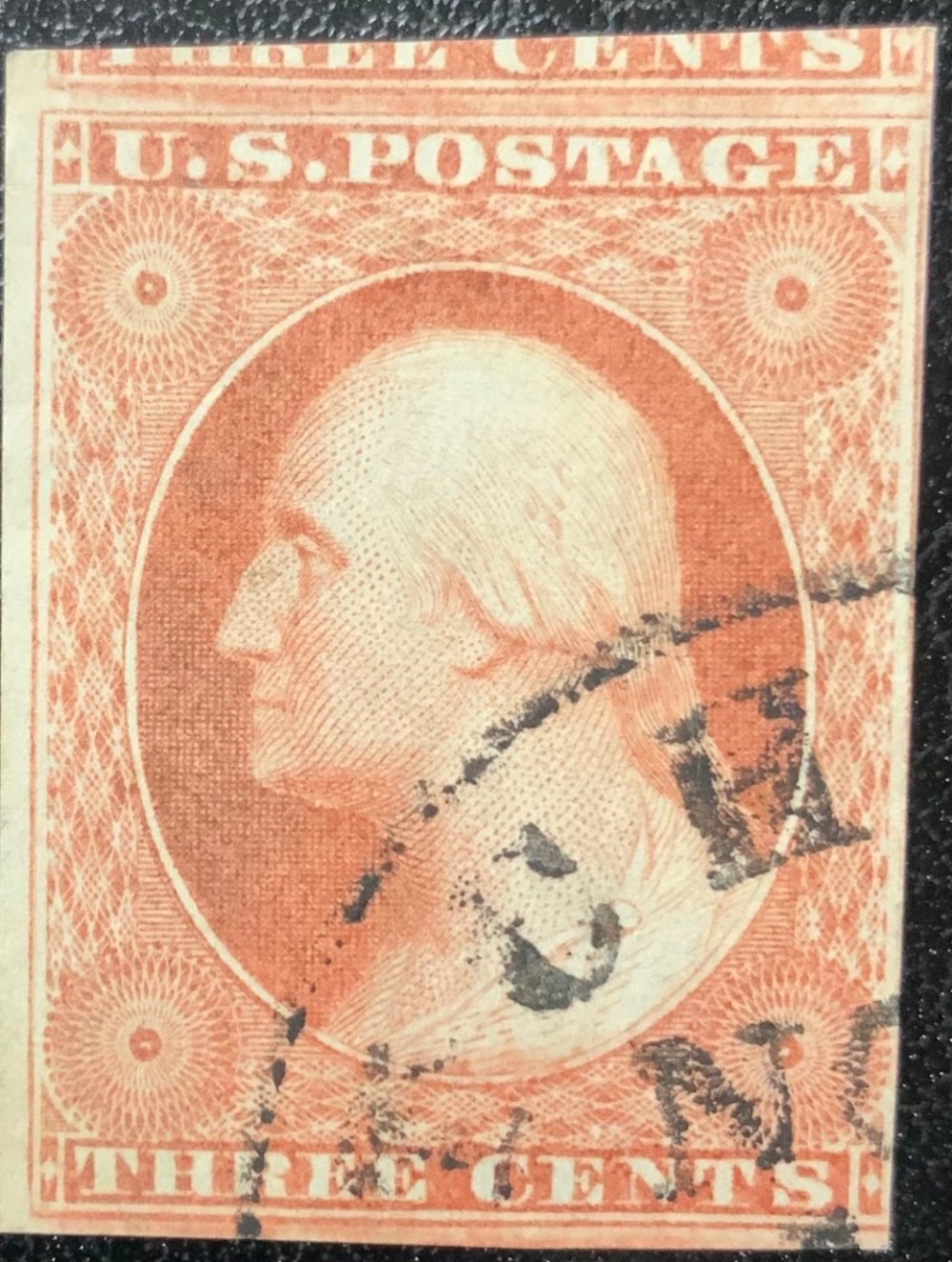
I remember a mention about color between stamps being a Plate 6 trait.
Am I remembering that correctly? Is it a consistent thing that can aid in plating.


Edit: I just now plated this stamp as 93R6 based on the guide dot of the stamp above it. If this is correct?!
The Stampplating.com 93R6 stamp does not show the extra color below the BFL.
The 83R6 stamp does show color below the BFL.
Send note to Staff  Go to Top of Page
Edited by stampcrow - 01/21/2024 8:26 pm
Pillar Of The Community
United States
614 Posts
Posted 01/21/2024   9:12 pm  Show Profile Bookmark this reply Add ioagoa to your friends list  Get a Link to this Reply
Hi StampCrow --

Your scan is a little fuzzy -- but your stamp looks like an A relief to me -- and those BFL's look awfully strong for plates 6 or 7. I checked 93R6 -- and I don't think that it is a match to your stamp. That said -- bottom row stamps from plates 6 and 7 do have stronger BFL's -- but in this case -- the stamp above also has a really strong BFL -- which is characteristic of plates 4 and 8.

I plated your stamp to 77L8. Pretty much the same approach you used -- (i.e., searched for a GD on the stamp above to nail down a short list of candidates). Check it out and what you think.

I do not really have any good input on that "plate wash" you asked about. I have run across it many times -- more on some plates versus others -- but I have seen it on just about all of the "dull red" plates from time to time. I think it is due to a combination of paper that is slightly too wet -- and insufficient wiping of the plate -- BUT -- that is only a guess on my part.

Regards // ioagoa


Send note to Staff  Go to Top of Page
Pillar Of The Community
United States
2944 Posts
Posted 01/21/2024   9:34 pm  Show Profile Bookmark this reply Add stampcrow to your friends list  Get a Link to this Reply
Ioagoa,
Thank you for the correct plate position.

Good info on the plate 6 and 7 BFL.
I need to learn to use Relief A, B or C identifications when plating.

I appreciate your thoughts on the color between the stamps also.
Send note to Staff  Go to Top of Page
Pillar Of The Community
Learn More...
United States
1829 Posts
Posted 02/01/2024   2:32 pm  Show Profile Bookmark this reply Add rlsny to your friends list  Get a Link to this Reply
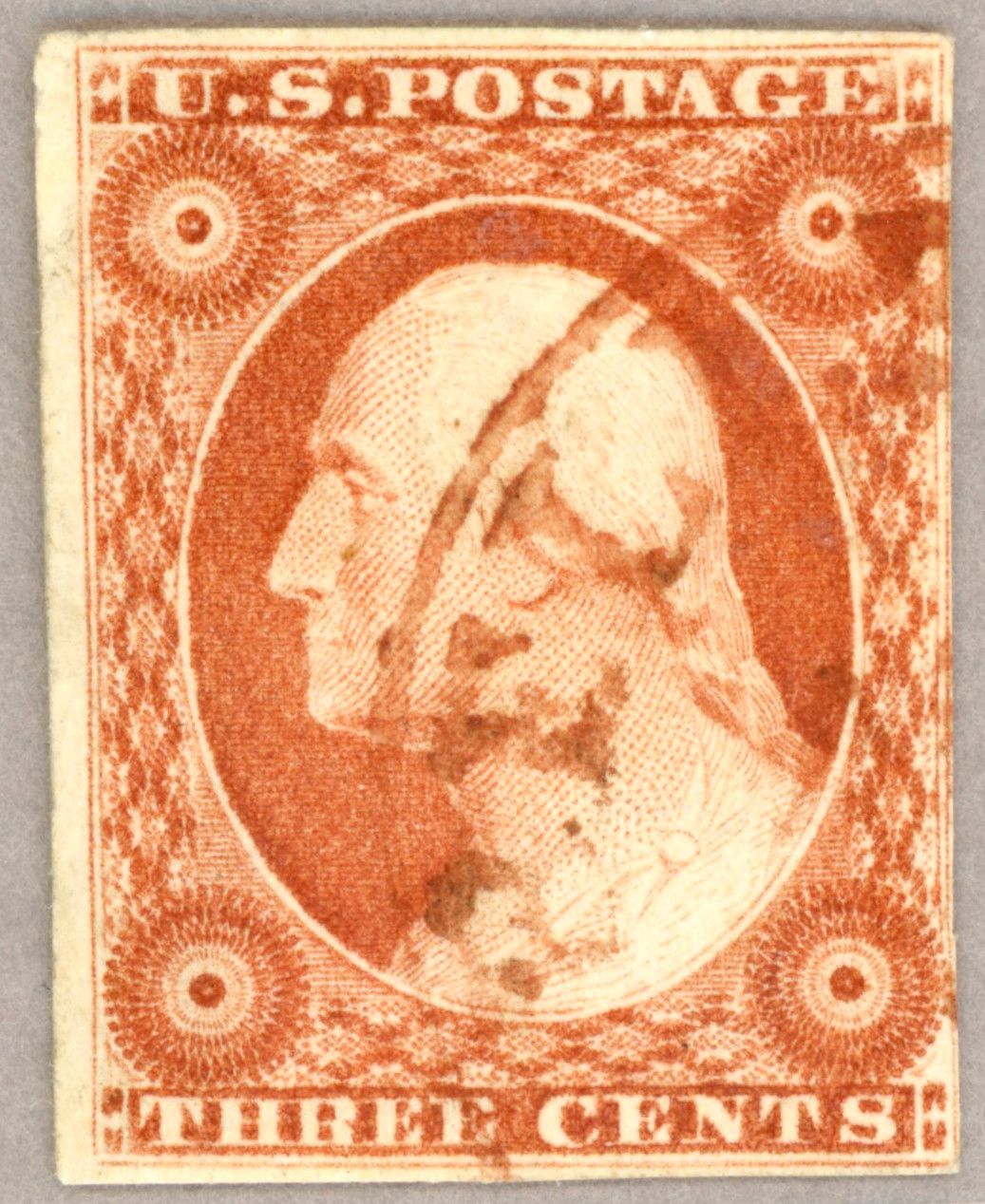
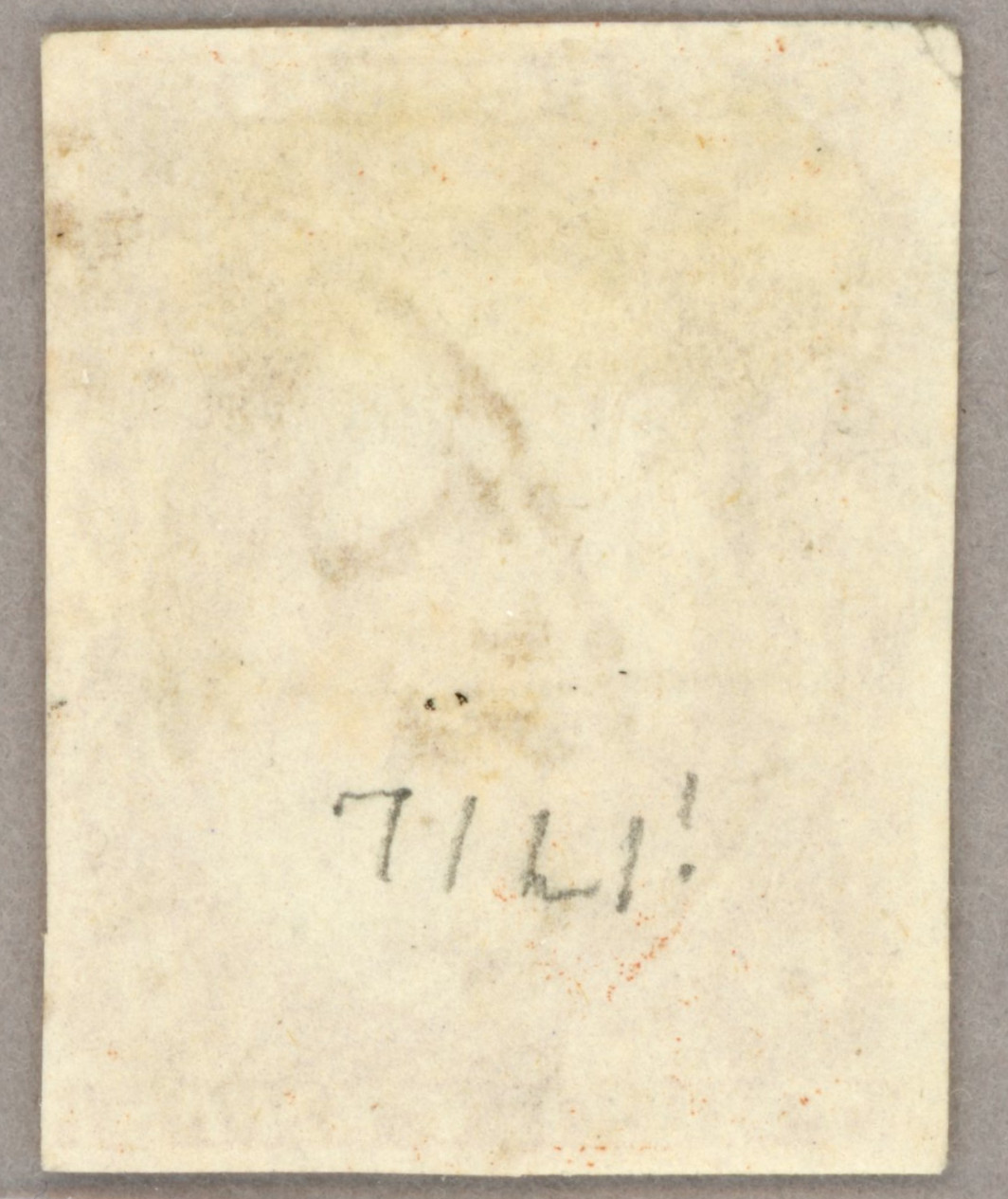
This stamp has 71L1! written on the back. The position appears correct. It appears to be either 1e or 1i. From the images online at stampsmarter and stampplating it looks like a 1e to me. RIL appears to run into the diamond block on one of the L1i images, so that has me leaning into 1e. But I can say with confidence that I am no expert on that.


Send note to Staff  Go to Top of Page
Edited by rlsny - 02/01/2024 3:01 pm
Pillar Of The Community
Learn More...
United States
1829 Posts
Posted 02/01/2024   3:02 pm  Show Profile Bookmark this reply Add rlsny to your friends list  Get a Link to this Reply
here's the back:
Send note to Staff  Go to Top of Page
Valued Member
United States
342 Posts
Posted 02/02/2024   8:30 pm  Show Profile Bookmark this reply Add stanshepp to your friends list  Get a Link to this Reply
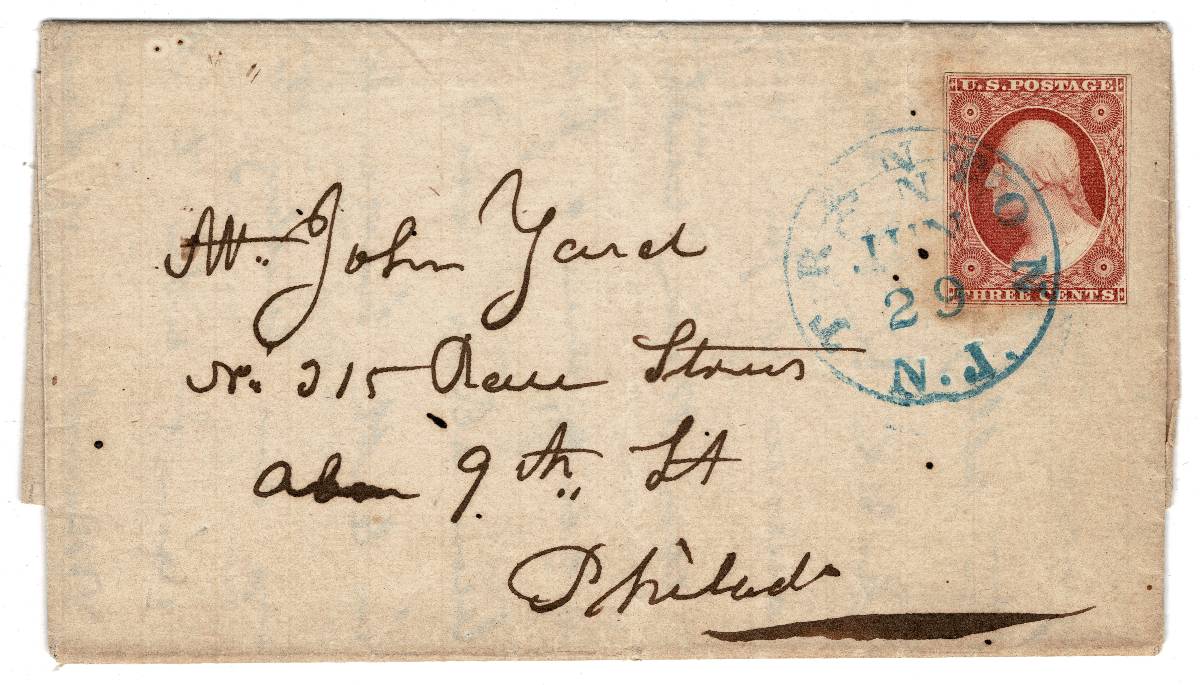
Hey all. Sharing a nice Scott #11A today.

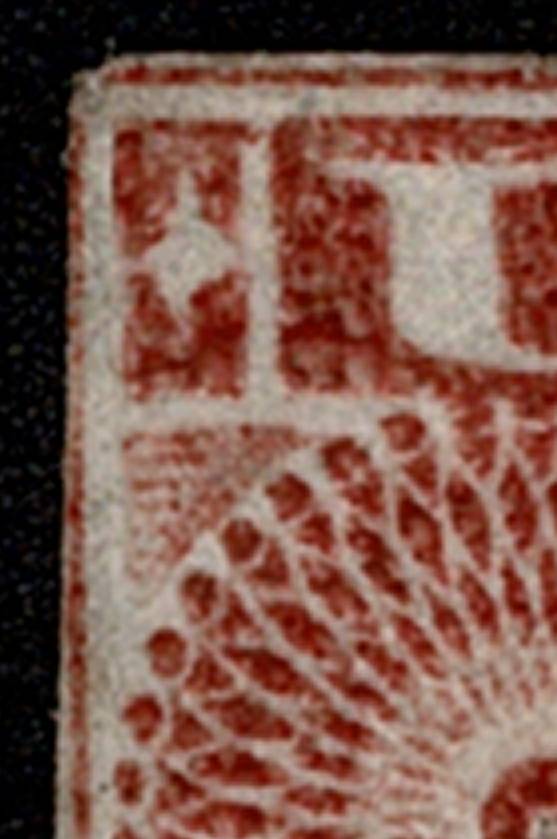
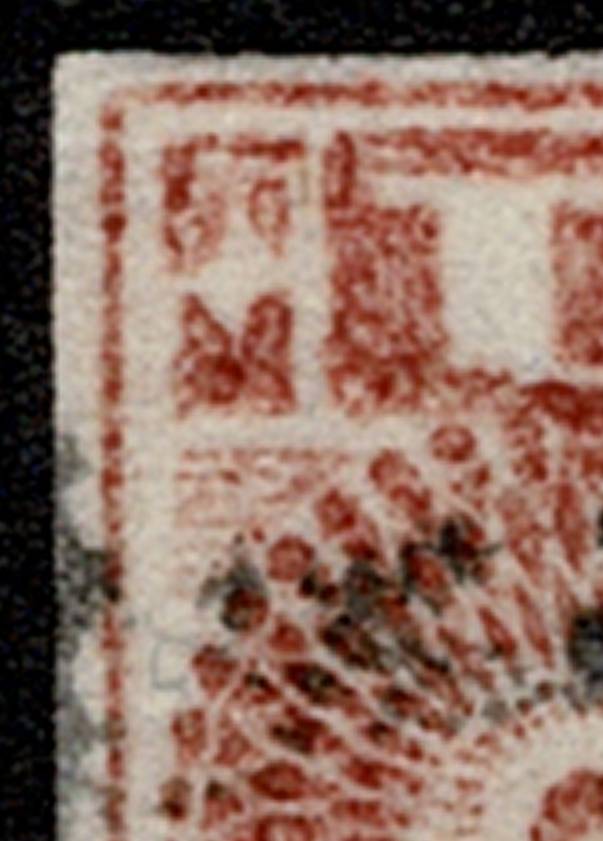
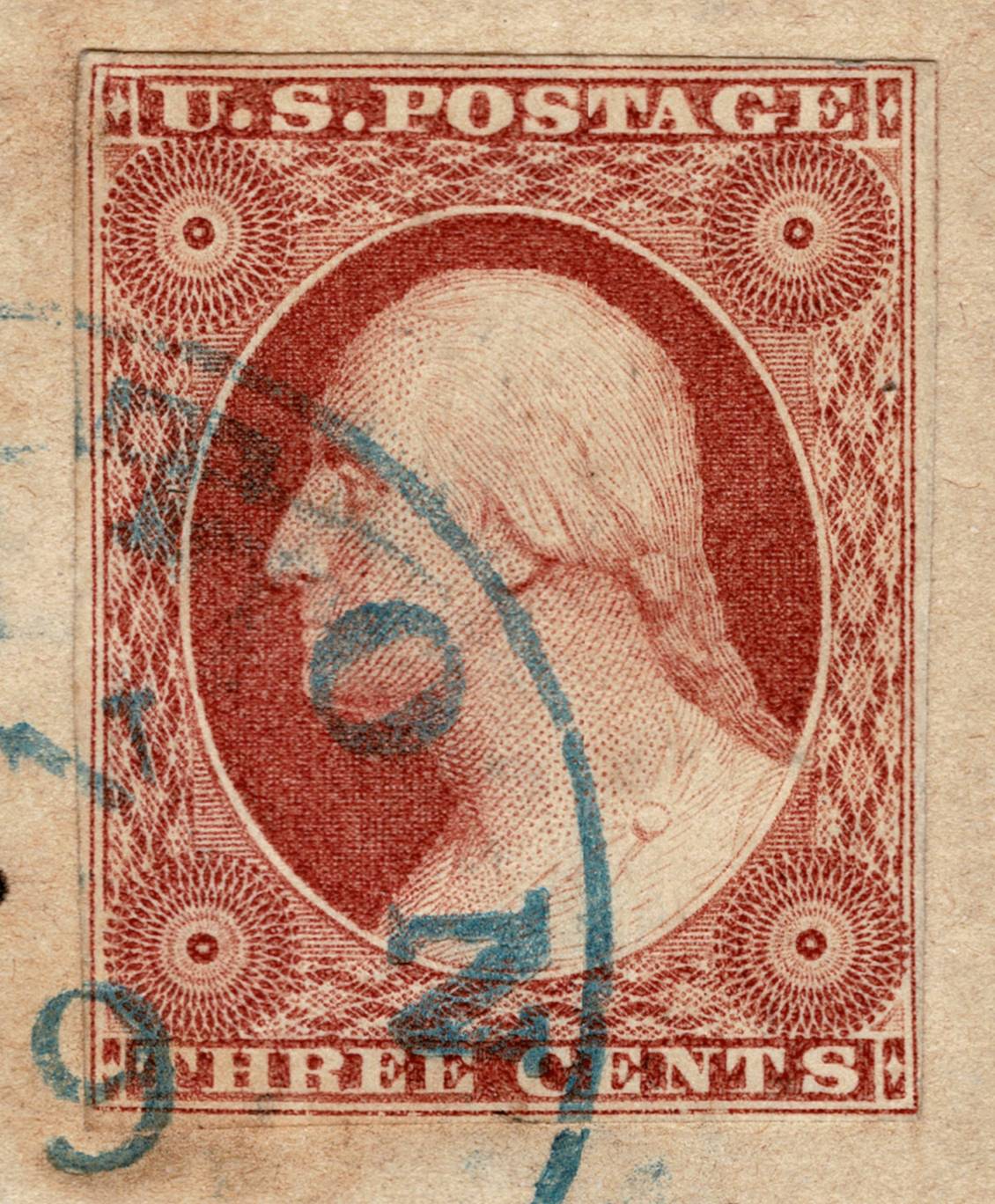
I have really enjoyed scanning and researching this folded letter sheet. Sent from Trenton, NJ to Philadelphia, PA on March 29, 1852. it bears a beautiful 4-margin, Brownish Carmine, Plate 1 Late, Scott #11A. Internally dated JUN 25, 1852 and post marked in Trenton, NJ on JUN 29 (1852)

I love the clarity of this early printing and use.

Plating it was fairly quick.

There weren't a whole lot of choices meeting this stamp's recut characteristics. The timing of the Scott #11A plates is as follows:

Plate 1 Late - EKU - OCT 12, 1851
Plate 2 Late - EKU - JAN 14, 1852
Plate 3 - EKU - MAR 9, 1852
Plate 5L - EKU - SEP 3, 1855

I entered the following into the plating wizard:
Plates 1Late, 2Late, & 3 (although I thought it was Plate 1 Late by 95%)
A-relief,
no guide dot
2 inner lines recut
right inner line goes down too far

There are only 2 positions out of the 600 from those 3 plates that meet that criteria. Both from Plate 1 Late -> 18L1L & 79L1L.

The right inner frame line of 18L1L goes all the way to the Lower Right Diamond Block. 79L1L is a match!

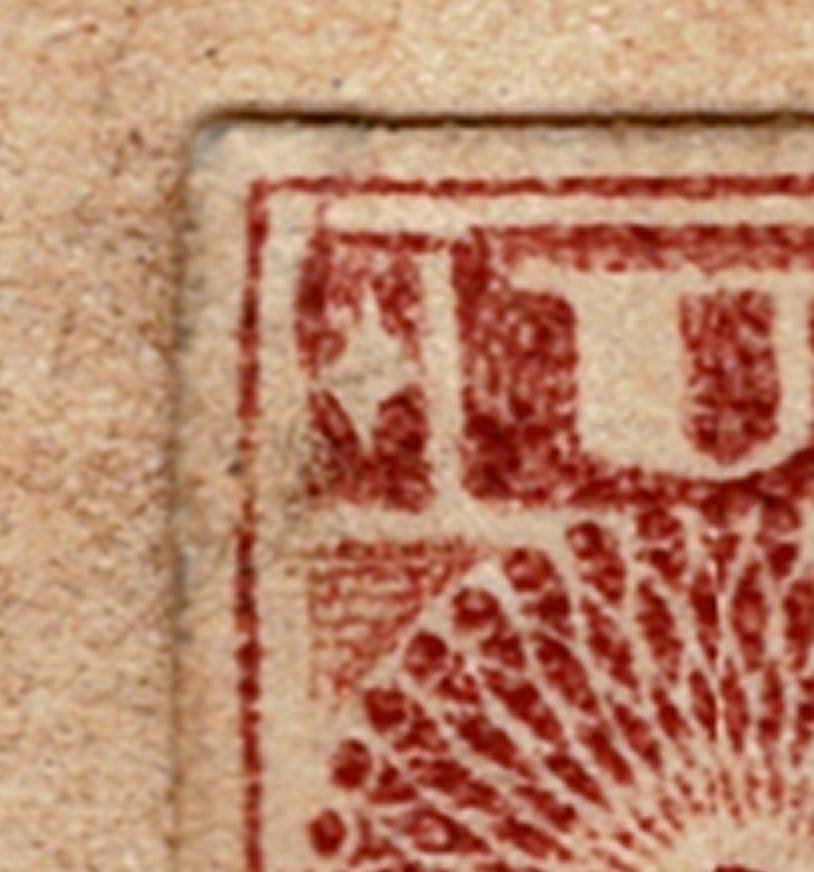
The Upper Left corner of the example on this cover appears to be torn and twisted. I zoomed in about as far as I could to try to determine what was goin on & I am still not sure of the soundness/unsoundess of that corner.
While examining it, I thought that the recut of the Upper Left corner of the Upper Left Diamond Block was odd.

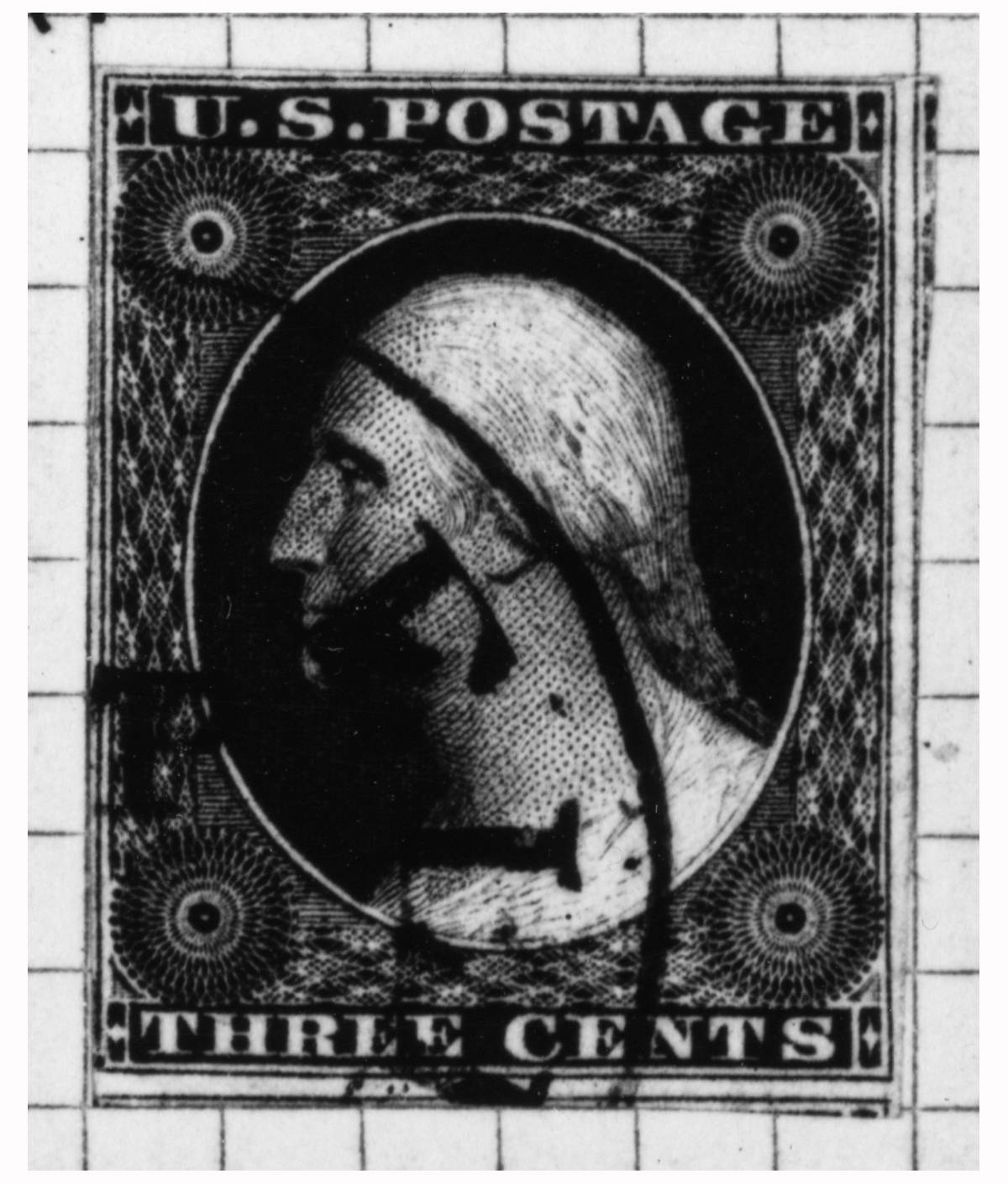
Chase's image shows it, but it is black and white and the scanning technology of today is 10,000x better than it was then - so it doesn't show clearly what is goin on up there.

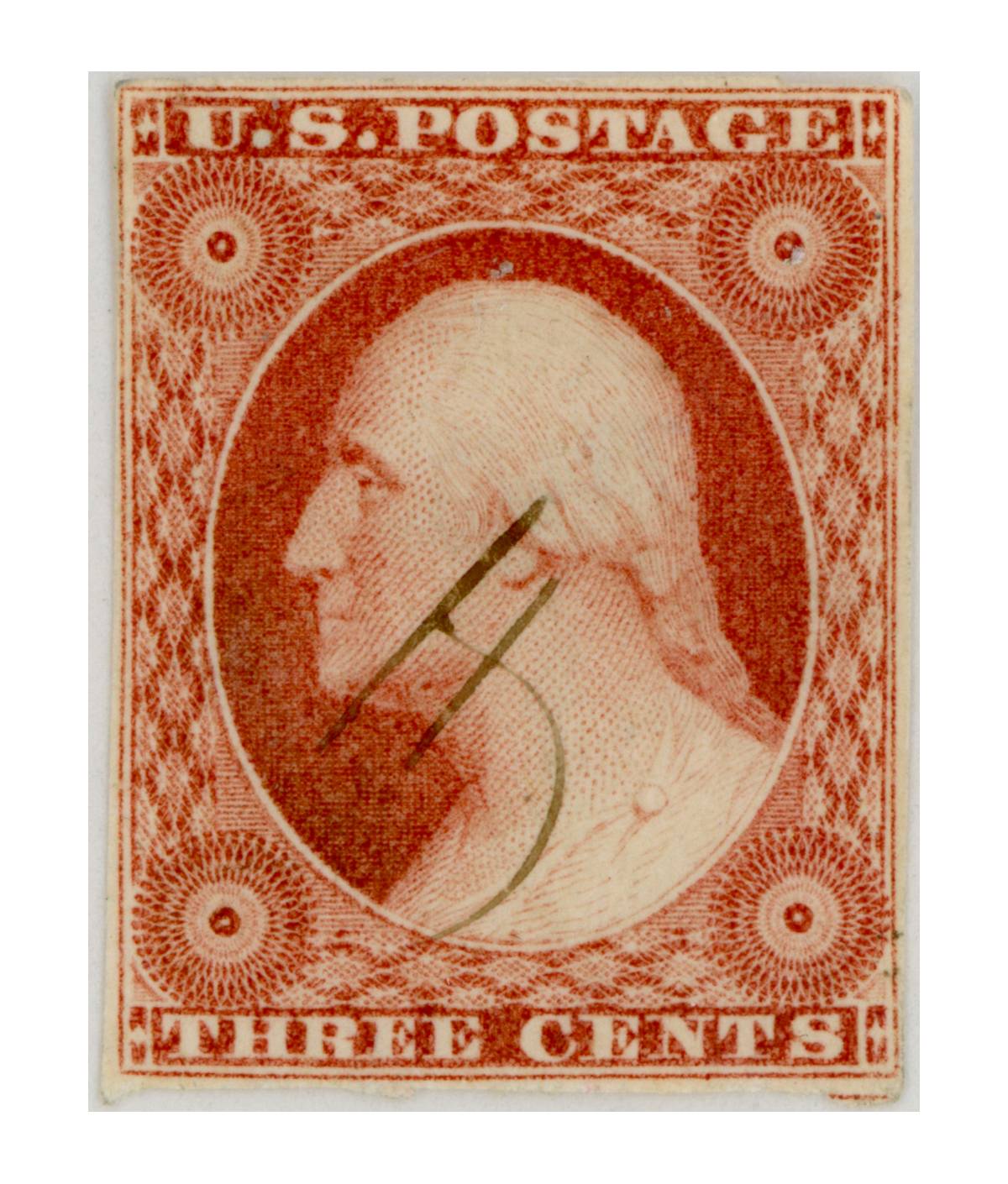
Lund's image shows it a little better, maybe.
(If you would like, you can also compare the 'Right Inner Line Going Down Too
Far' recut between my example and these two additional images.)

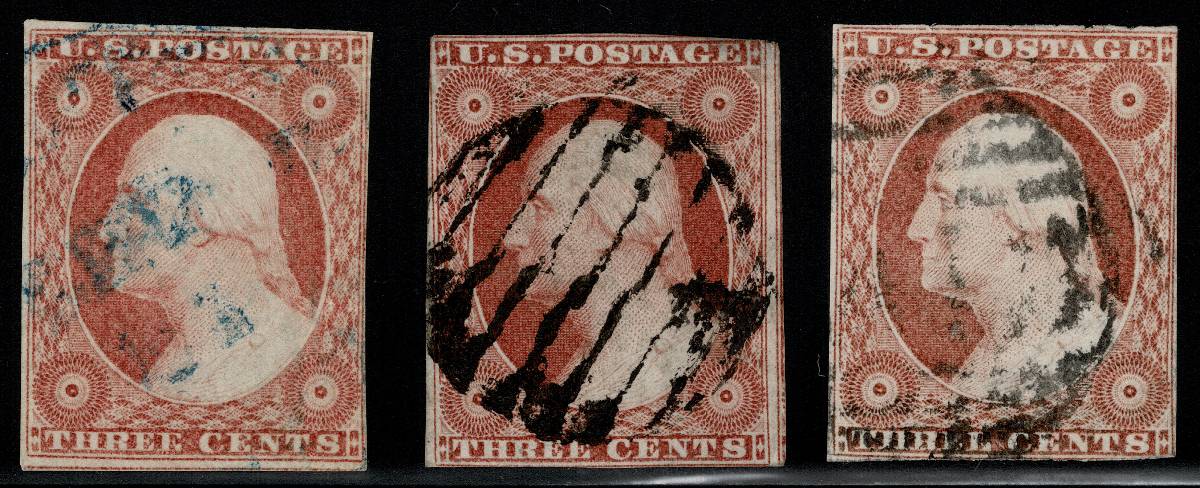
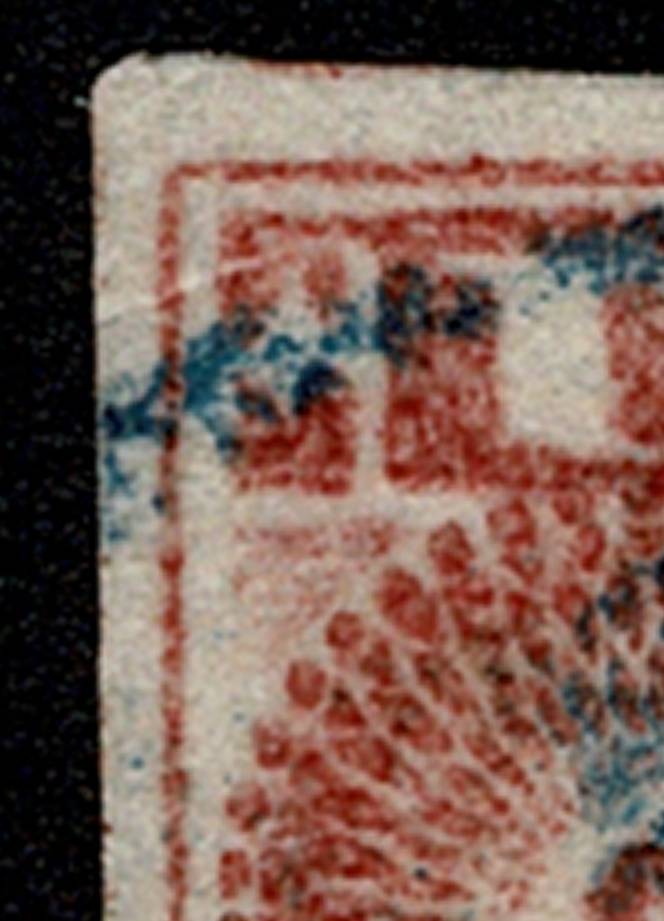
I dove into my platings and I happened to have 3 more examples of this position. I pulled them and scanned them. Those images are included here - along with their enlarged upper left corners.

An interesting recut for sure.

McDaniel's, on the Plating Wizard found at stampplating.com , includes recut #28 in his description - "TLbl~UL-DB" - or, "Top Label connected to Upper Left Diamond Block".

Not a new find for the plating community, but an interesting find for me. For today.

I was going to comment on the other three examples that I have for this position, but my time for stamps has passed for today. Take a look at those scans and say what you think.

Feel free to share scans of your 79L1L as well.

Enjoy!

Stan Shepp


Send note to Staff  Go to Top of Page
Stan Shepp
Pillar Of The Community
United States
2230 Posts
Posted 02/03/2024   9:53 pm  Show Profile Bookmark this reply Add Classic Coins to your friends list  Get a Link to this Reply
This #10a is from position 14R5e. It shows shifts in the lower rosettes, both label blocks, in the right half of the white oval, and along the right edge. Fortunately, the cancel is light, and doesn't obscure the double transfer in the label blocks.

Send note to Staff  Go to Top of Page
Valued Member
United States
342 Posts
Posted 02/07/2024   4:40 pm  Show Profile Bookmark this reply Add stanshepp to your friends list  Get a Link to this Reply
This stamp has a few distinguishing characteristics, but I cannot seem to plate it.

It is apparently from Plate 1 Early, but I swear that I looked at every stamp on those two panes - twice - and couldn't find it.

Anyone care to opine?

Thanks in Advance.

Send note to Staff  Go to Top of Page
Stan Shepp
Pillar Of The Community
United States
614 Posts
Posted 02/07/2024   5:44 pm  Show Profile Bookmark this reply Add ioagoa to your friends list  Get a Link to this Reply
Hi Stan --

Your stamp is not from plate 1E or plate 1i -- as there are no B relief stamps on either of those plates where the LFL is that close to the ULR, ULT, and ULDB.

Overall recutting and impression scream plate 2E -- which is where I would start hunting.

Should be pretty quick to eliminate candidates as the stamp is a B relief with a distinctive GD tucked into the LR corner, the upper end of the LFL almost up against the ULR, ULT, and ULDB, and the open corner at LL.

Regards // ioagoa
Send note to Staff  Go to Top of Page
Edited by ioagoa - 02/07/2024 5:45 pm
Pillar Of The Community
United States
3501 Posts
Posted 02/08/2024   11:30 am  Show Profile Bookmark this reply Add txstamp to your friends list  Get a Link to this Reply
classic - That 14R5e is a pretty neat stamp, and position. I was intrigued by the fact that the double transfer shows in both top and bottom labels, in addition to other areas in the stamp. Often on double transfers, they can be due to a partially rocked in misplaced original entry, and thus, you may only get the effect in the top or bottom part of the stamp. Alternatively, the original entry gets erased reasonably well, except for certain areas.

This clearly had a fully entered original entry. So then when one looks at 4R5e, also a double transfer, with a C relief gash, vs 5R5e, which does not have the C relief gash, it shows that they were not consistent in how they were entering these plates with the multiple relief transfer roll.

The top row 3c reliefs from these early plates, I think are still not a well understood subject. They were clearly learning how to use their new fangled multiple relief transfer rolls, with somewhat predictable results.
Send note to Staff  Go to Top of Page
Page: of 252 Previous TopicReplies: 3,775 / Views: 248,447Next Topic  
Previous Page | Next Page
 
To participate in the forum you must log in or register.

Go to Top of Page

Disclaimer: While a tremendous amount of effort goes into ensuring the accuracy of the information contained in this site, Stamp Community assumes no liability for errors. Copyright 2005 - 2026 Stamp Community Family - All rights reserved worldwide. Use of any images or content on this website without prior written permission of Stamp Community or the original lender is strictly prohibited.
Privacy Policy / Terms of Use    Advertise Here
Stamp Community Forum © 2007 - 2026 Stamp Community Forums
It took 0.36 seconds to lick this stamp. Powered By: Snitz Forums 2000 Version 3.4.05