| Author |
 Replies: 831 / Views: 75,812 Replies: 831 / Views: 75,812 |
|
|
|
Pillar Of The Community
United States
636 Posts |
|
|
Hi Stamps4Life --
You are welcome.
One thing to keep in mind about the Chase book -- is that Chase was the original trail blazer on studying these 3c stamps -- and it is amazing how few mistakes he made. That said -- one thing to keep in mind is that much has been learned since Chase wrote his book -- and that is where the USPCS Chronicle is an invaluable resource.
As an aside -- I sent a scan of your stamp to one of my plating buddies who is one of the leading experts on the 3c 1857–1860 type III and IV issues. I asked him to take a look at the stamp and let me know if he see's anything about it that is worth commenting on.
FYI -- My curiosity is because the side frame lines are father away from the design than seen on many of these stamps -- and I am thinking that maybe that would enable some additional feedback. If and when I hear back from him -- if there is anything to add, I will post it here as a follow-up.
Regards // ioagoa
|
Send note to Staff 
|
|
|
Pillar Of The Community
United States
636 Posts |
|
|
Further the discussion about varieties of recutting on Scott #26 -- here is an example of Chase's Type Q recut (as discussed in his book) -- the one and only example of a so-called "recut inner line" on any Scott #26. The recut is on the right side -- and although the literature describes it as a recut Right Inner Line (RIL) -- to my eye it looks more like the engraver missed recutting of the top half of the Right Frame Line (RFL) against the straight edge guide -- realized what he had done -- and to correct the error recut the top half of the RFL freehand with a graver -- but rather than stop where the freehand and straight edge segments of the RFL should have joined, continued the recutting inside of the RFL all the way down to the Lower Right Triangle (LRT) -- thus giving the appearance of a recut RIL. Of course that is only a guess. Either way -- a striking variety of recutting! The stamp is position 4R'S'. Scan of the stamp (resized to under 300k for SCF) is here: 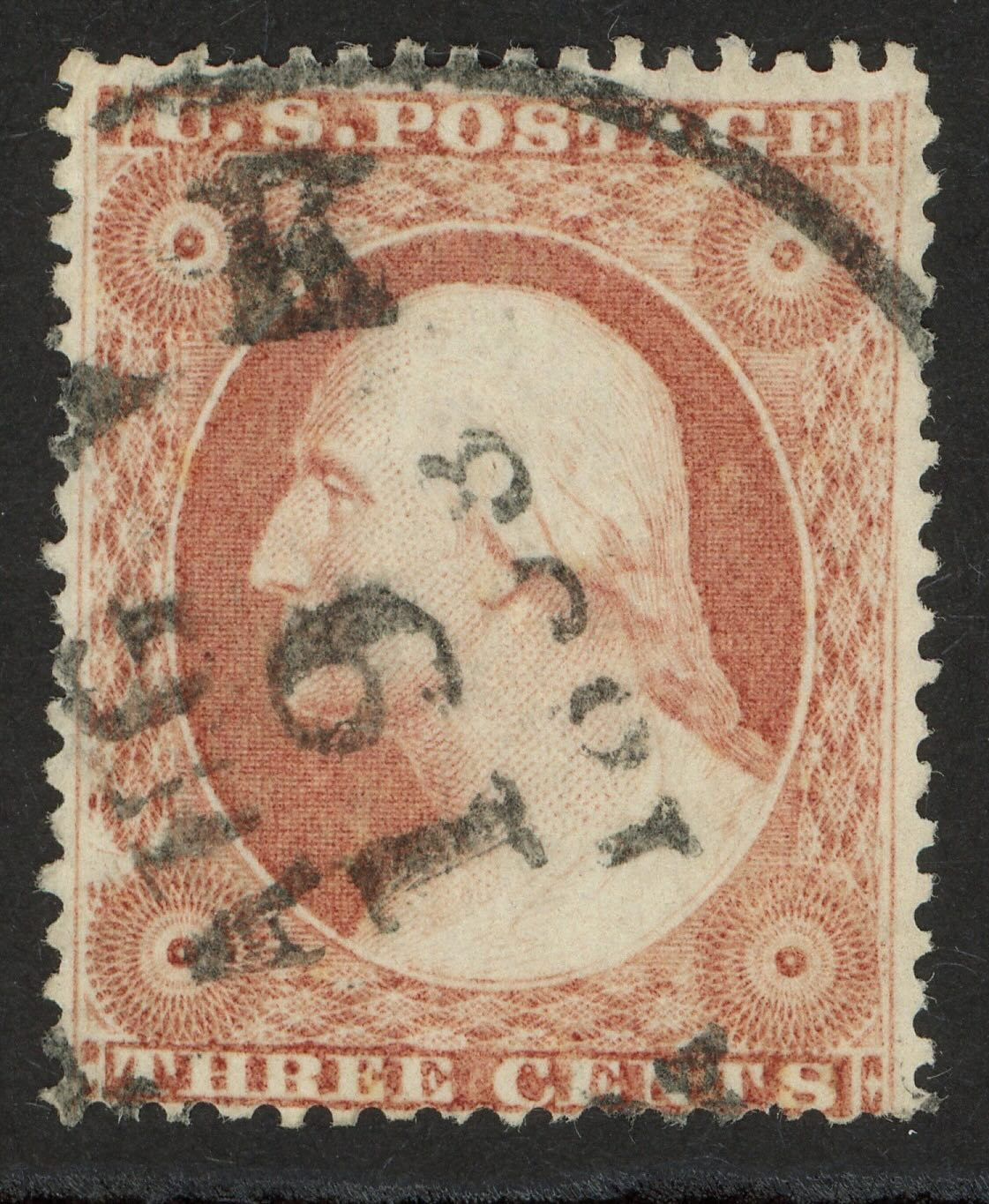 Scan at 1200dpi of the recut detail is here:  |
|
Send note to Staff
|
|
|
Pillar Of The Community
United States
811 Posts |
|
|
That is a very interesting variety - it also shows a damaged transfer roll / relief in the tessellation above the bottom left rosette. |
|
Send note to Staff
|
|
|
Pillar Of The Community

1312 Posts |
|
|
@ ioagoa - thanks again. I know from learnig about plating great britain QV ome penny, there is A LOT to pick up when it xomes to doing this…. For instance even trying to know when an inner frame line is broken vs no line at all? Thank you for sending it off. Continuing to read. I dont have a lot of these stamps , so I kind of zeroed in on this one! Sorry. |
|
Send note to Staff
|
All the best… |
|
|
Pillar Of The Community
United States
636 Posts |
|
|
One area of collecting the 1857–1860 3c perforated Scott #26 and 26A stamps that can be fun -- and done on a reasonable budget -- is plate flaws. Here is a link to the United States Philatelic Classics Society (USPCS) Chronicle article on plate flaws -- which lists 80 different flaws and includes hand drawn mats detailing each -- and many of which have been plated. In other words -- if you can find the stamp with the flaw -- it is essentially plated as well. https://chronicle.uspcs.org/PDF/Chr...05/17318.pdfThe fun thing about this area is that there are still plenty of these sitting in dealer stock books and listed on the various Internet selling venues with no premium attached -- mainly because many sellers do not know what they are. One of my side-bar collecting areas has been to compete an assemblage of the 80 listed flaws -- with the caveat of finding them all in the wild. I am about 60% of the way there. They definitely make for a nice showing. The Chronicle article was written in 1980 -- so 45 years ago -- and there have been many additional discoveries since. Again -- this is an area where one can specialize without breaking the bank. Here are a few examples of the listed flaws -- and again -- all of these were found in the wild for around 50% of catalogue for the basic stamp with no premium for the flaw. 18L28 -- Flaw #63 -- The so-called "quadruple flaw" 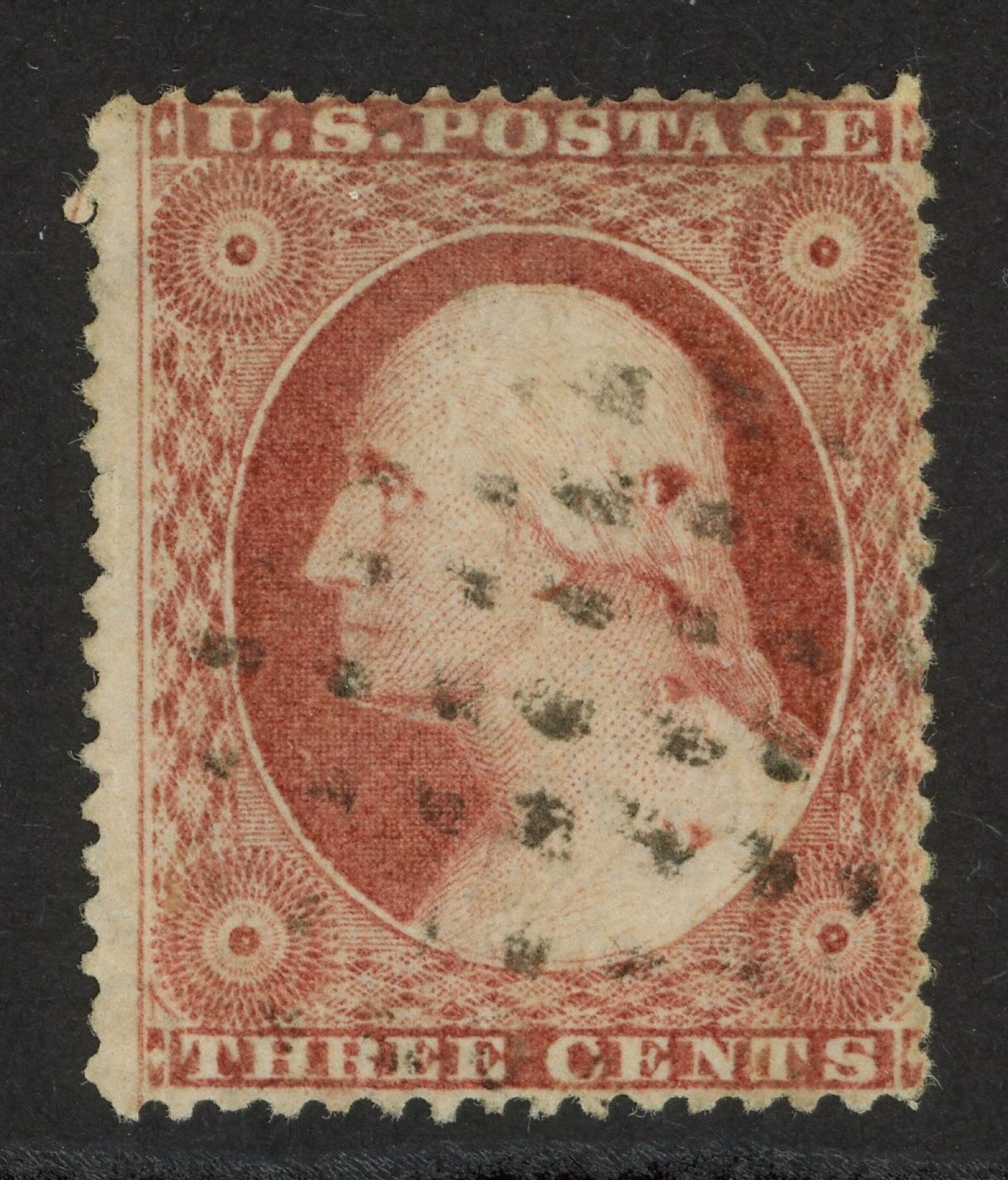 48R26 -- Flaw #80 -- the "cheek flaw" 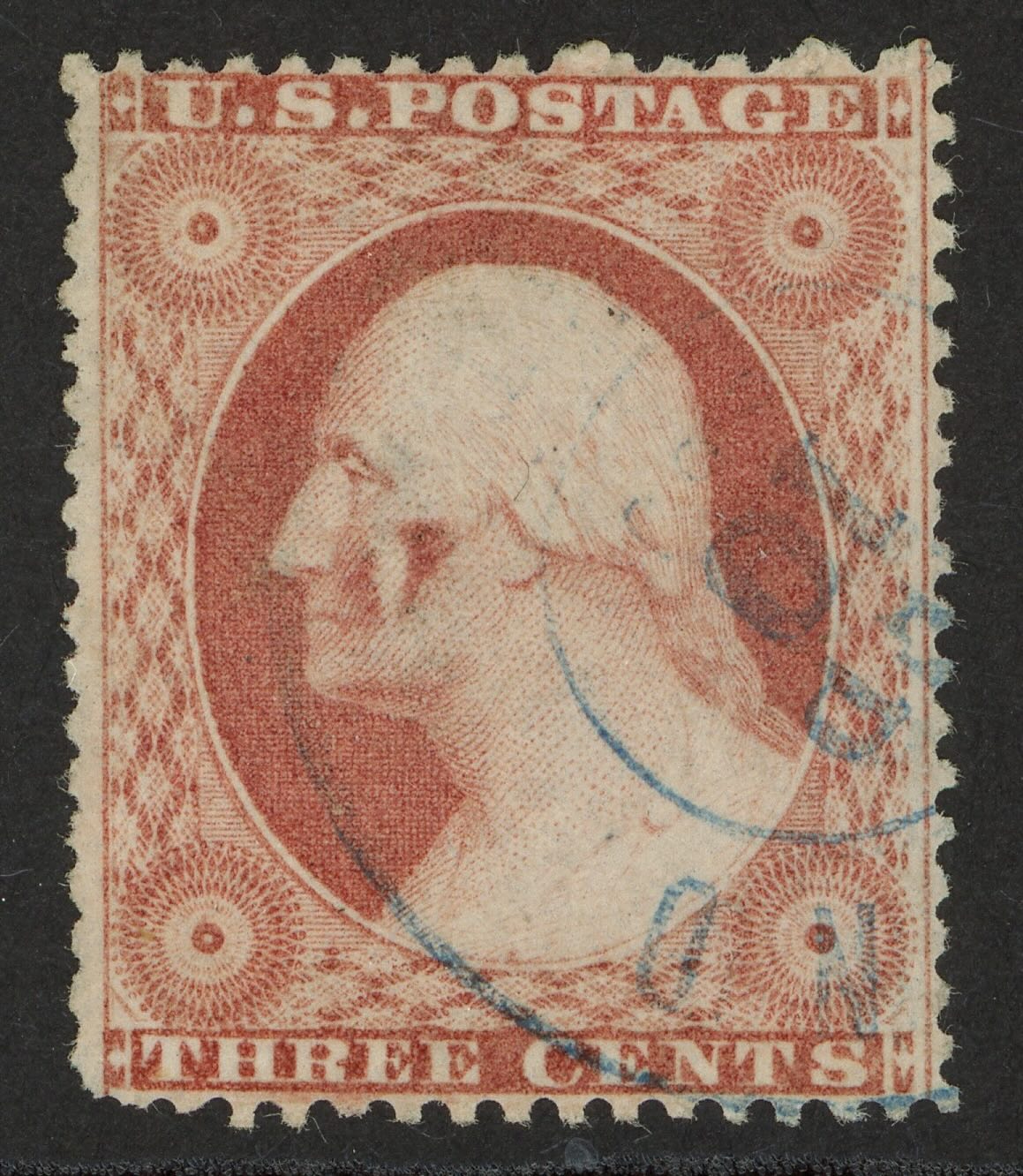 74R25 -- Flaw #60 -- the "double medallion flaw" (one above the head and another just below the jaw bone) 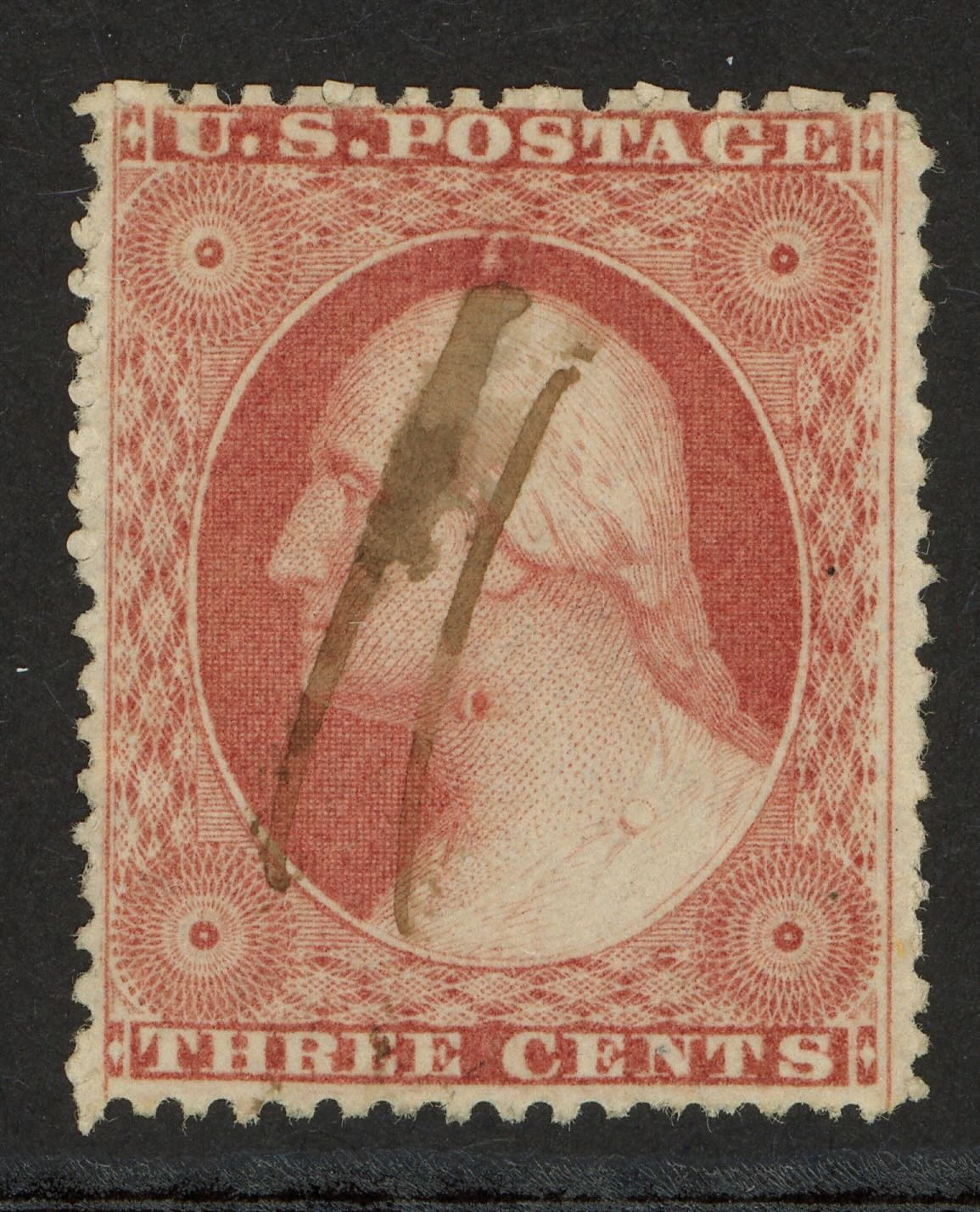 |
|
Send note to Staff
|
|
|
Pillar Of The Community
1312 Posts |
|
|
Quote:
As an aside -- I sent a scan of your stamp to one of my plating buddies who is one of the leading experts on the 3c 1857–1860 type III and IV issues. I asked him to take a look at the stamp and let me know if he see's anything about it that is worth commenting on. I know you said youd follow up if you head back on plate - just checking in…. On the road with time on my hands. Tks! |
|
Send note to Staff
|
All the best… |
|
|
Pillar Of The Community
United States
636 Posts |
|
|
Hi Stamps4Life -- Thank you for checking in -- but no word yet. FYI -- This person is currently traveling and I do not expect to hear anything for at least a few more weeks. If I do not hear anything by then, I will send him a nudge -- as I am still curious if both of those FL's being a little farther from the design point to any particular plate. // ioagoa |
|
Send note to Staff
|
|
|
Pillar Of The Community
United States
636 Posts |
|
|
Hi Stamps4Life -- Further your posting on 5/31 -- I finally heard back from my plating buddy who has specialized in Scott #26 / #26A for many, many years. For reference purposes, a link to your original post is here: https://goscf.com/t/72893&whichpage=45#831674Here is a direct quote -- in its entirety -- from the email I received regarding your stamp: "This has some characteristics of #26A frame lines but is definitely a #26. We see these finer lines on earlier plates so alpha is a distinct possibility. And, not every alpha plate example is in the distinctive dull yellow brown color. As for relief, it looks most like a C relief." That's the best I can do for you -- but at least the catalogue number of your stamp has been definitively confirmed as a type III, Scott #26. Regards // ioagoa |
|
Send note to Staff
|
|
|
Pillar Of The Community
1312 Posts |
|
|
Many thanks. I appreciate the added info / help….. I recently joined stamp ed - stampschool.stamps.org from aps , where I threw it up out curiuosity and I gal id'd as Sc26A. - but - did not say why. I replied when I got back in town asking what made her say so?? Waiting strictly for knowledge. Im comfy with your finding and above id. Tks again! |
|
Send note to Staff
|
All the best… |
|
|
Pillar Of The Community
United States
636 Posts |
|
|
Hi Again Stamps4Life --
That's interesting that somebody at the APS opined that your stamp is a type IV, Scott #26A.
I consider myself knowledgeable on the 1857-1860 3c stamps -- but by no means at the expert level. My initial assessment of your stamp was that it was a type III, Scott #26 -- which was confirmed for me by my "go-to" person for the issue. Likewise, Philazilla also took a look at your stamp and posted his opinion here as well.
My curiosity with regard to your stamp was if it was from one of the "alpha plates" -- which is why I sent it out for a second opinion. FYI, the alpha plates are those where Dr. Chase in his original plating work had not yet identified the plate number -- so he assigned letters as temporary placeholders. Some of these have since been identified, but not all. You can read about this in the USPCS Chronicle if you had a deeper interest.
In any event -- if your stamp were a Scott #26A, it would thus be from either plate 10 or plate 11 -- both of which exist in 3 states -- Early, Intermediate, and Late -- with the only difference between states being due to re-entry.
I am curious who "I gal" is at the APS -- and if you do hear back from her as to the basis on which she determined that your stamp is a type IV, Scott #26A, please do let us know.
In the meantime -- perhaps another 3c 1857-1860 specialist can weigh in (Winston)?
Looking forward to hearing what the APS comes back with on this one.
Regards // ioagoa
|
|
Send note to Staff
|
| Edited by ioagoa - 06/17/2025 11:43 pm |
|
|
Valued Member
United States
71 Posts |
|
|
Pillar Of The Community
1312 Posts |
|
|
Here ya go: 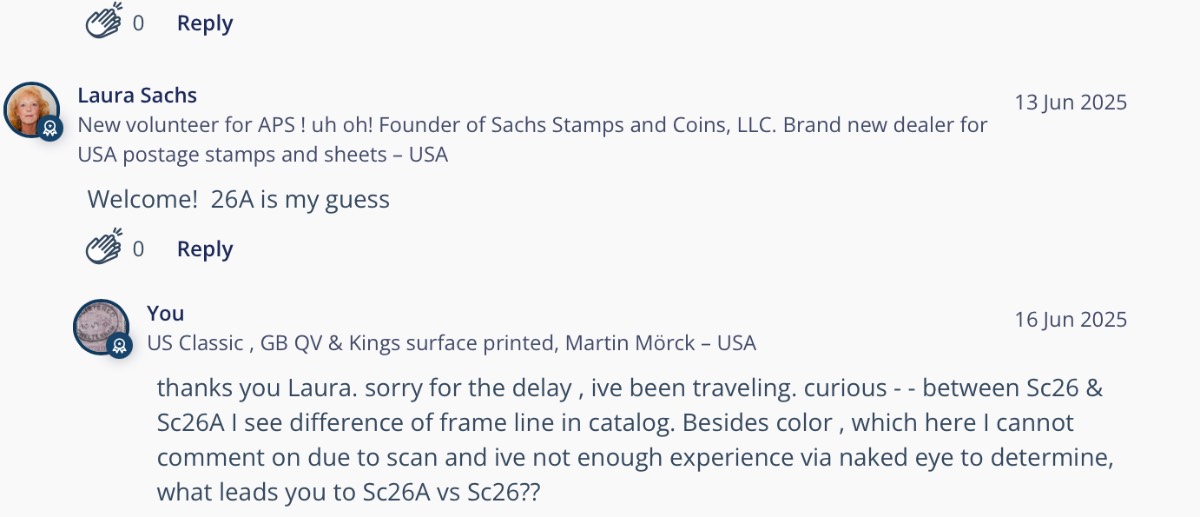 No reply from her as to why. I've marked it as discussed here. |
|
Send note to Staff
|
All the best… |
|
|
Pillar Of The Community
United States
811 Posts |
|
|
I would disregard her opinion. The people that have commented here are recognized experts or serious students in this issue. The volunteer at APS notes that she is a brand new dealer and that 26A is her "guess." Her website is inoperable, but the google preview says states: "Shop our curated selection of rare, vintage, and international stamps. Coin Offerings Coming Soon." A few red flags there: describing stamps as "vintage" is a word non-stamp-collectors use to sell stamps to inexperienced collectors. And the vast range of items offered: US Stamps, international stamps, and coins likely means that her experience is broad, but not deep. |
|
Send note to Staff
|
|
|
Pillar Of The Community
United States
3520 Posts |
|
|
I agree with @philazilla.
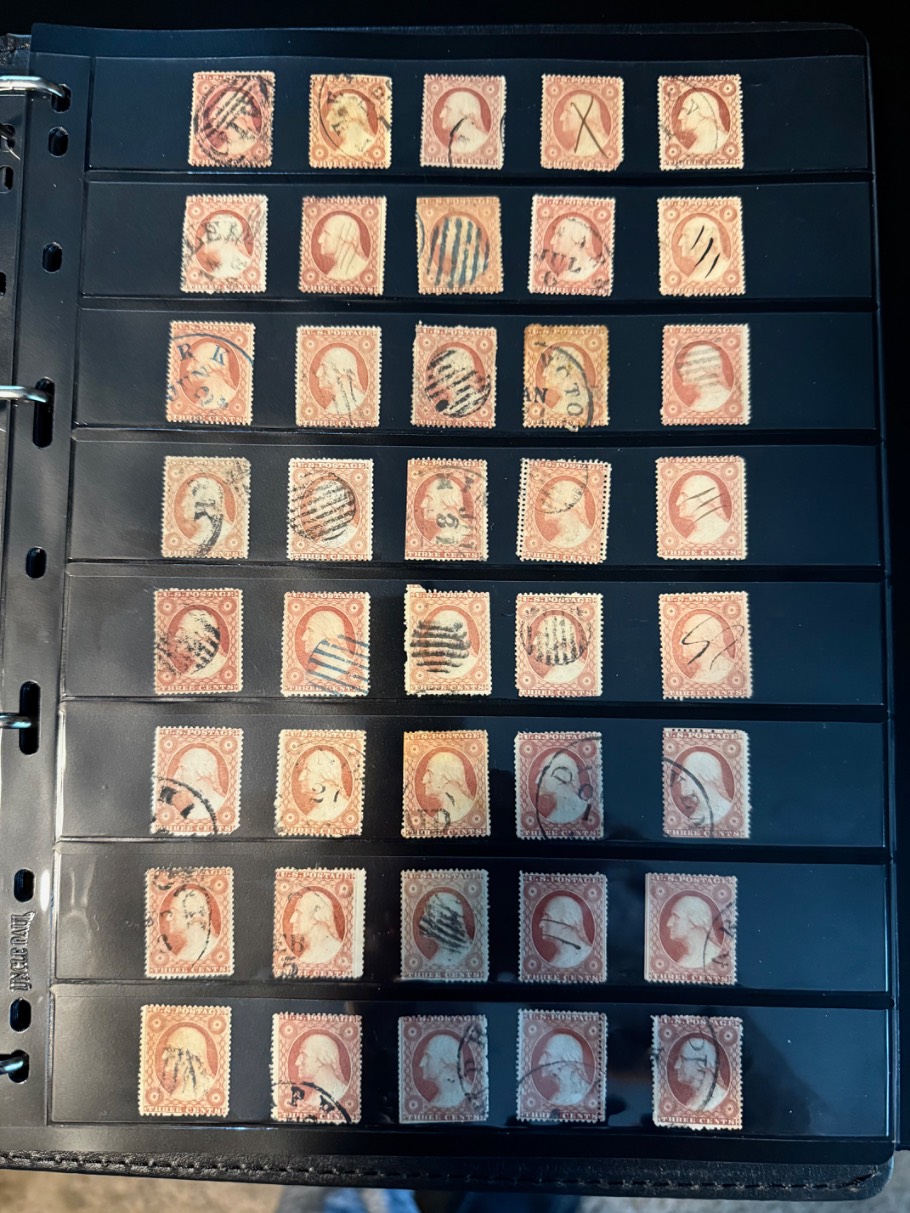
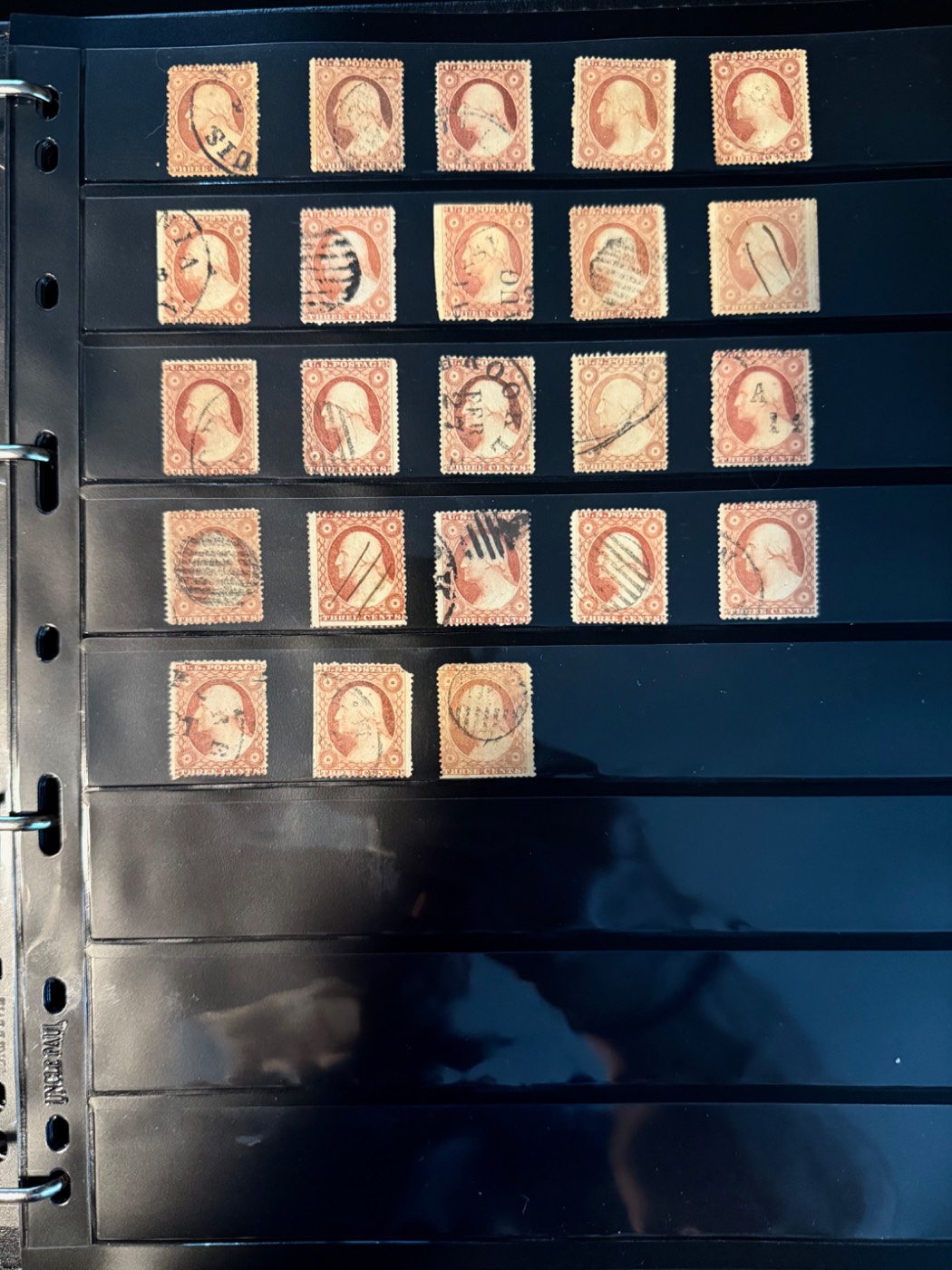
I'm sure I know who @ioagoa's source is (also a personal friend of mine) -- he is "the" expert on Ty III & IV. Since he opined that it is 'definitely' a Ty III, then, simply, it "is" a Ty III, #26, with respect to the lady at the APS.
@hwdear - you have a nice holding of 3c stamps there, congrats. |
|
Send note to Staff
|
|
|
Pillar Of The Community
1312 Posts |
|
|
Replies: 831 / Views: 75,812 |
|



 Posted 06/02/2025 11:39 pm