| Author |
 Replies: 831 / Views: 75,802 Replies: 831 / Views: 75,802 |
|
|
|
Pillar Of The Community
United States
2947 Posts |
|
|
I grabbed this cover, it's my first with a #24. Wasn't/not sure if the stamp is original to the cover but I liked the stamp for the imprint. 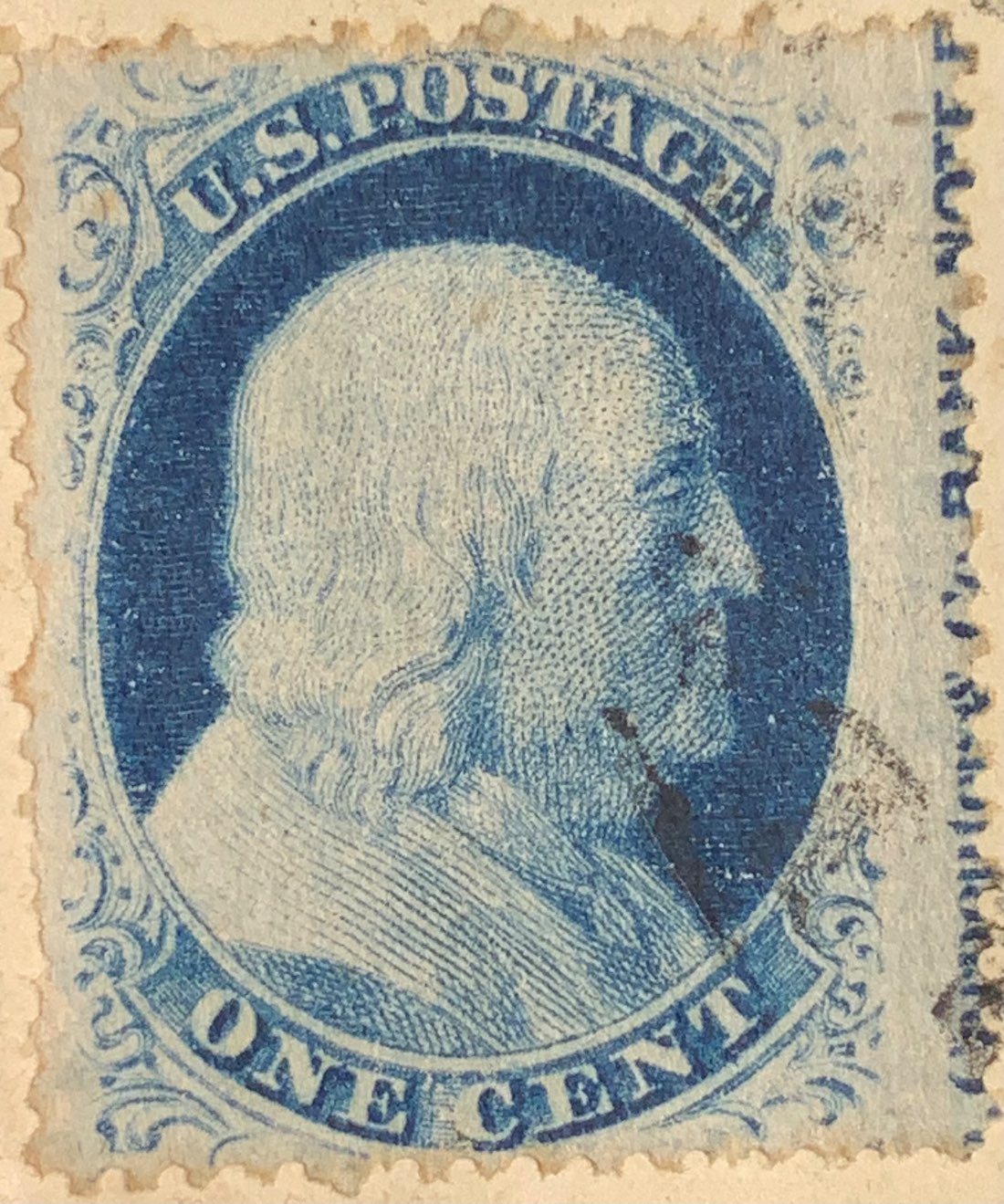  Edit to add: I believe the CDS is Schenectady, NY. So I would ask.., would 1c pay postage from there to Ohio? |
Send note to Staff 
|
| Edited by stampcrow - 11/21/2025 6:21 pm |
|
|
Bedrock Of The Community
United States
10824 Posts |
|
|
Pillar Of The Community
United States
2947 Posts |
|
|
I had thought the circular or drop rate was for short distances, more like a local delivery.
Thanks rev. |
|
Send note to Staff
|
|
|
Pillar Of The Community
United States
1817 Posts |
|
|
Pillar Of The Community
United States
3520 Posts |
|
|
Drop rate was local;
circulars were distance based only from 7/1/51-9/30/52.
Thats why distance based circulars are quite collectible - relatively short period.
Yours is after this period. |
|
Send note to Staff
|
|
|
Pillar Of The Community
United States
2947 Posts |
|
|
Excellent, I believe I understand now.
Thank you.
With that I believe the stamp is correct on this cover and I'm glad for that. For my eyes a faulty stamp looks better on a cover.
|
|
Send note to Staff
|
|
|
Pillar Of The Community
United States
1334 Posts |
|
|
Who knows how many plates there are for the 1851-60 3c perforated issues?
Are there plates 9 through 28? Are there plating diagrams for them? |
|
Send note to Staff
|
| Edited by jaxom100 - 12/04/2025 12:53 pm |
|
|
Pillar Of The Community
United States
636 Posts |
|
|
Hi Jaxom --
Going off memory here -- but YES -- the 1857 – 1860 3c perforated issues (i.e., Scott #26 and #26A) are comprised of plates 9 through 28 inclusive. That said -- plate 9 and alpha plate "Z" exist in two states (i.e., Early and Late) -- and plates 10 and 11 (the #26A plates) exist in 3 states -- (Early, Intermediate, and Late).
So while there are 20 plates -- if each state of a plate is counted as if it were a separate plate -- there are 26 plates -- each with 2 panes of 100 stamps -- so a total of 5,200 positions.
There are various plating diagrams, mats, and charts for some of these -- mostly published in the USPCS Chronicle over period of decades -- and mostly for things like top row positions with guide dots, center line copies, imprints, flaws, slips, major shifted transfers, recutting varieties, cracks, etc., etc.
I know of no publicly available comprehensive resource for a set of plating diagrams -- and in fact -- many of these stamps cannot be plated at all.
Again -- I am going off memory here -- but I am pretty sure I got it correct.
Happy to discuss further if you like.
Regards // ioagoa |
|
Send note to Staff
|
|
|
Valued Member
United States
71 Posts |
|
|
Pillar Of The Community
United States
1334 Posts |
|
|
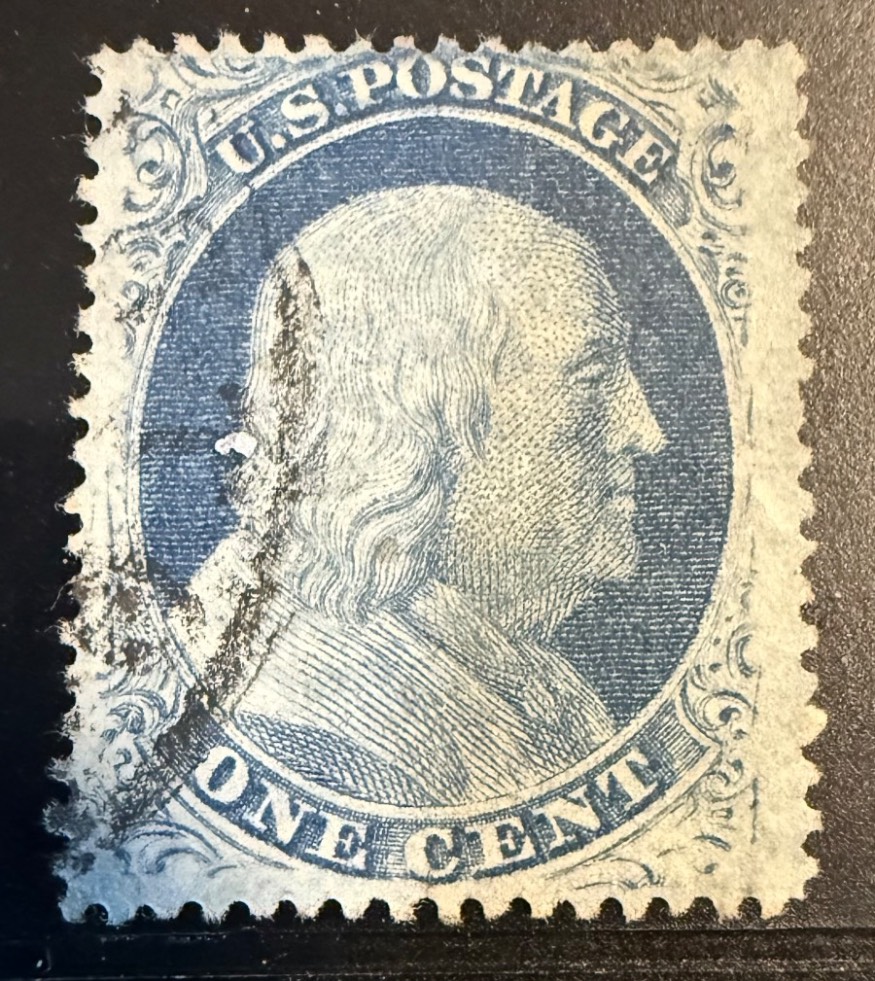
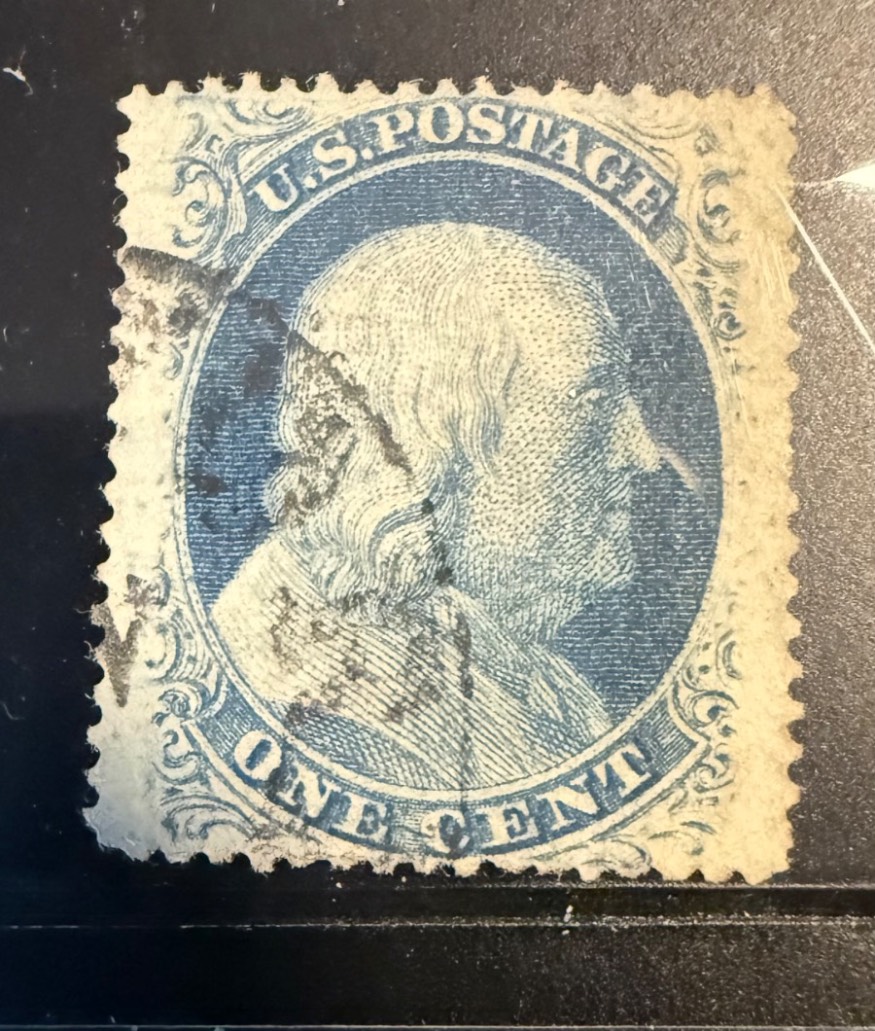
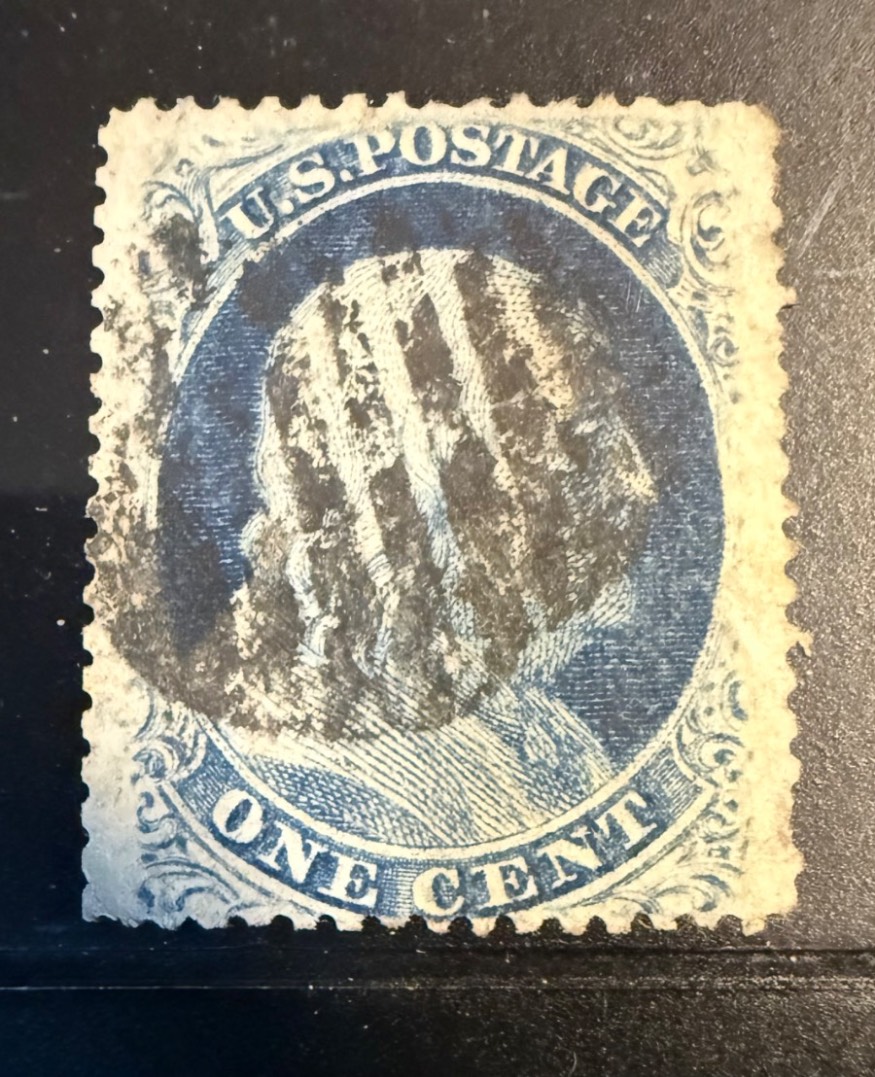
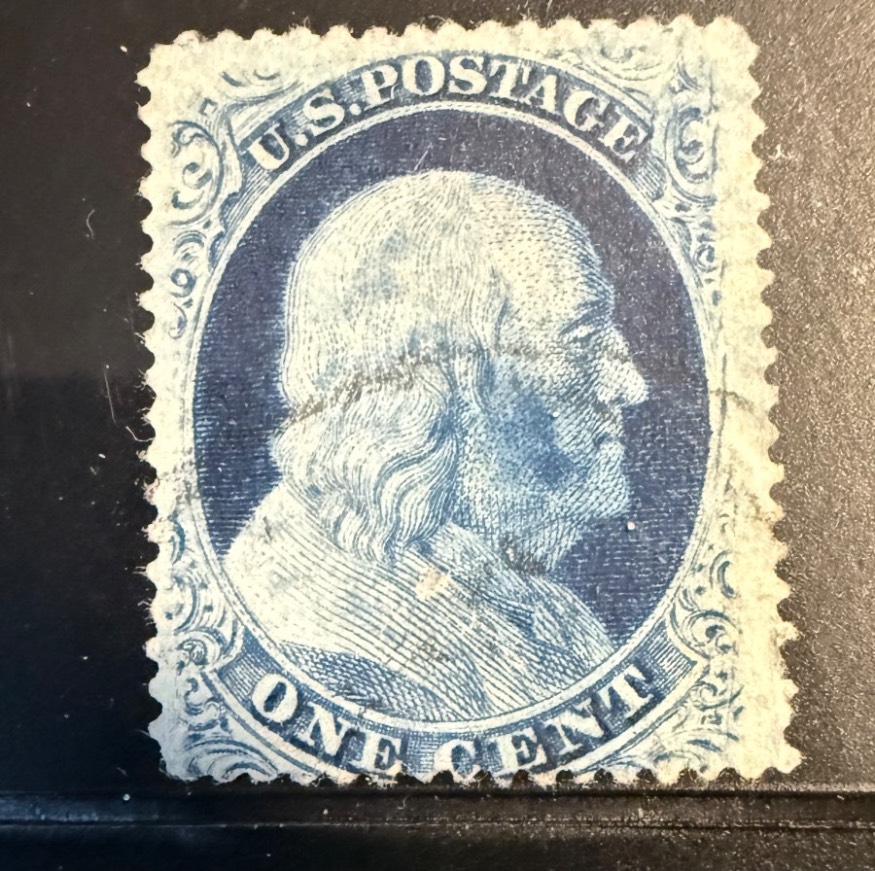
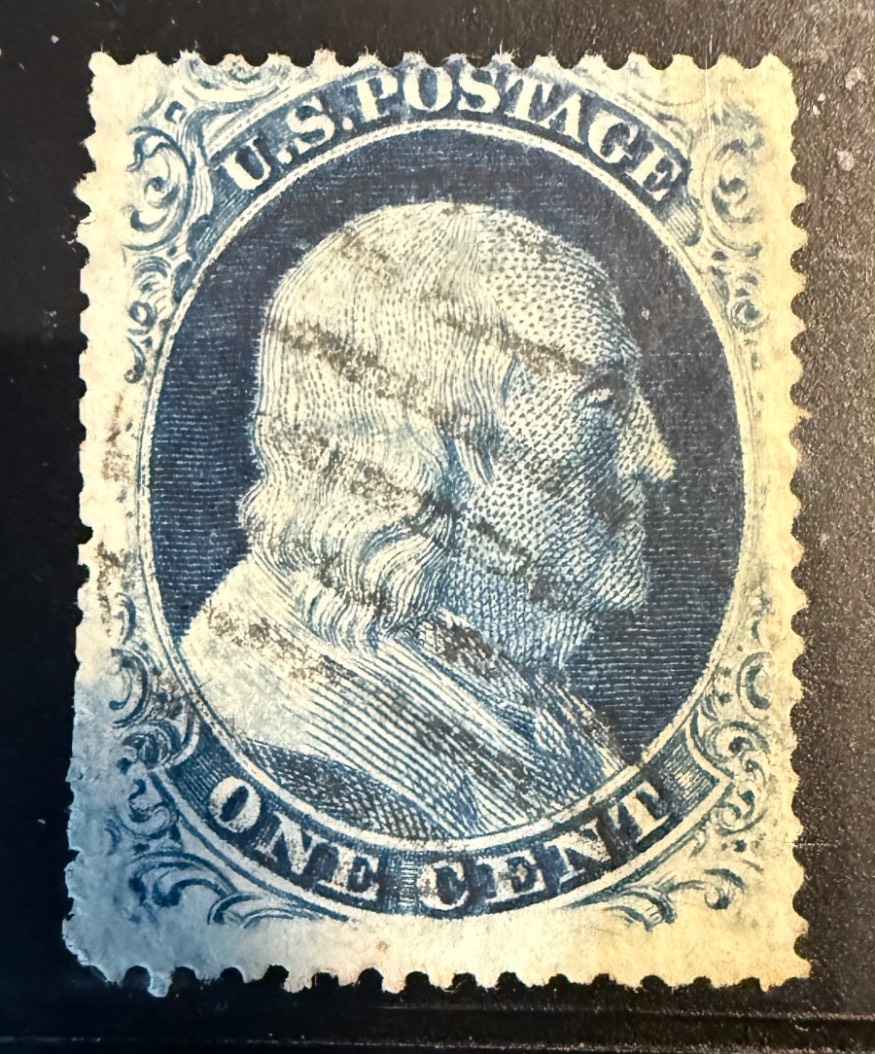
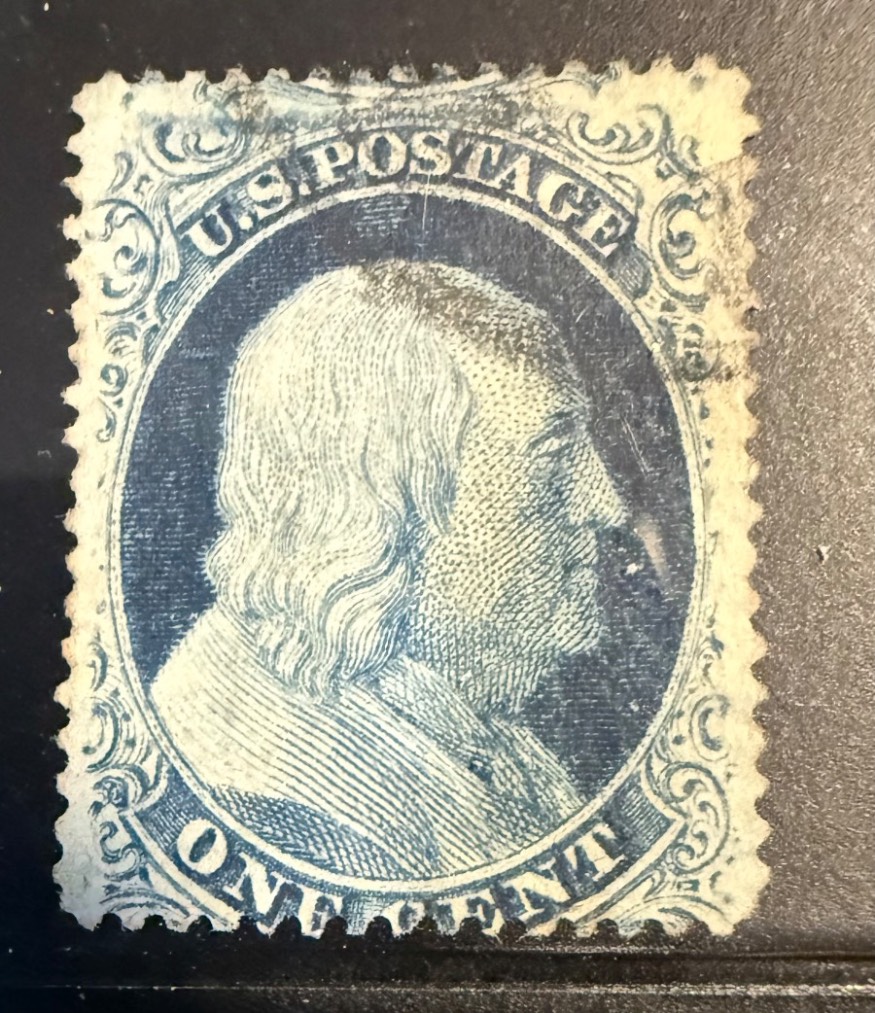
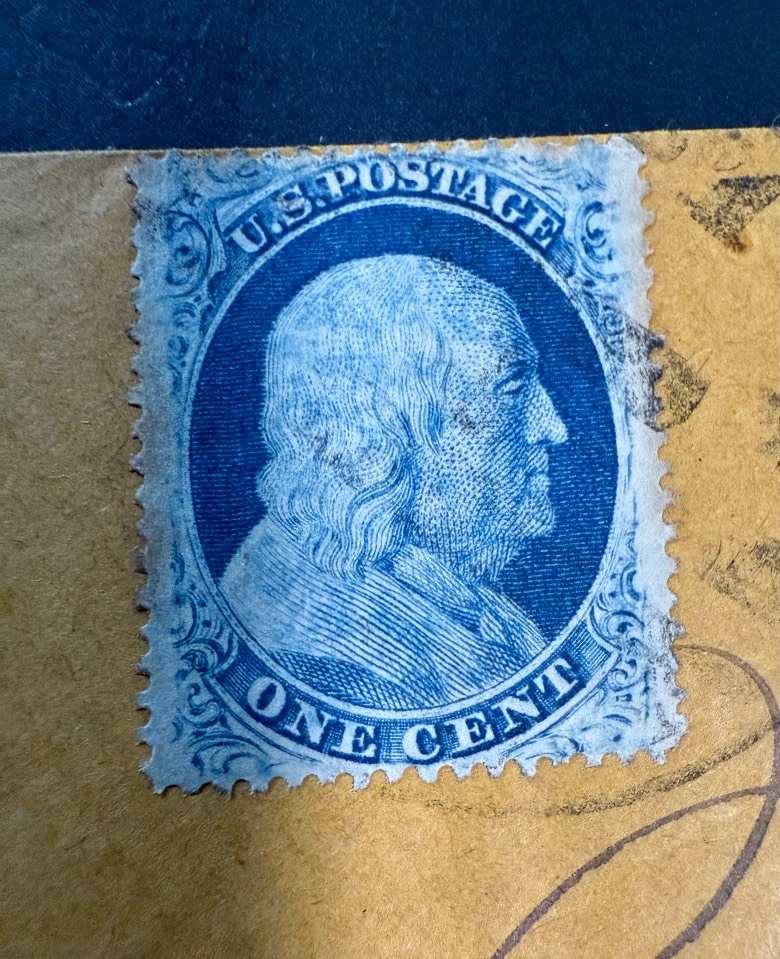
The first 5 are type V, Scott 24. The last image is a type IV, Scott 23. |
|
Send note to Staff
|
|
|
Valued Member
United States
71 Posts |
|
|
Thanks for identifying. I'm not so good at that yet hence why one of those was supposed to be an #18.#128514; |
|
Send note to Staff
|
|
|
Pillar Of The Community
United States
1817 Posts |
|
|
Scott #18 would have complete side ornaments and complete frame lines top and bottom. All the stamps pictured except the last have incomplete side ornaments and wide breaks in the frame lines, hence #24. jaxom, I think the last stamp is Type II, #20 from Plate 2. |
|
Send note to Staff
|
|
|
Valued Member
United States
71 Posts |
|
|
Wow! Thank you. The #20 was supposed to be an #18 so no biggie. I will eventually learn to identify these. Right now I'm working on the #10s 11s 25s and 26s. Much appreciated. |
|
Send note to Staff
|
|
|
Pillar Of The Community
United States
3520 Posts |
|
|
Valued Member
United States
71 Posts |
|
|
Replies: 831 / Views: 75,802 |
|




 Posted 11/21/2025 6:17 pm