| Author |
 Replies: 12 / Views: 830 Replies: 12 / Views: 830 |
|
|
Valued Member
85 Posts |
|
|
Have you ever bought a car and then all of a sudden you start noticing the same make car everywhere? I've been studying private die double transfers and looking through my stamps. Of course now I see them everywhere! I don't believe this is a double transfer, but the RO114 (images below) has something going on on the right side. It looks like the printing was smeared a bit to the left. It's most noticeable is on the N in CENT. What would cause this? 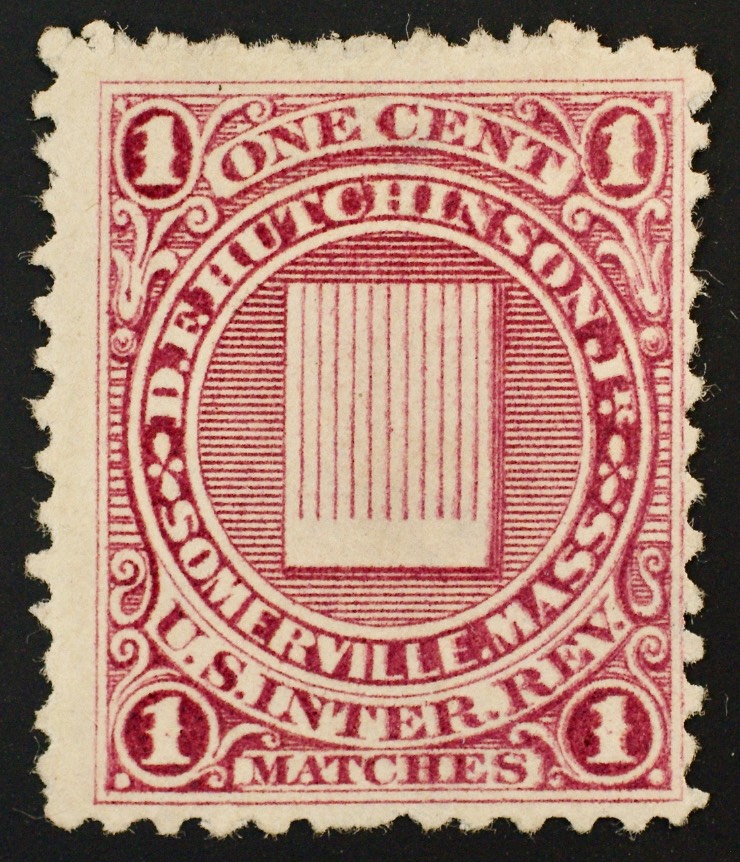 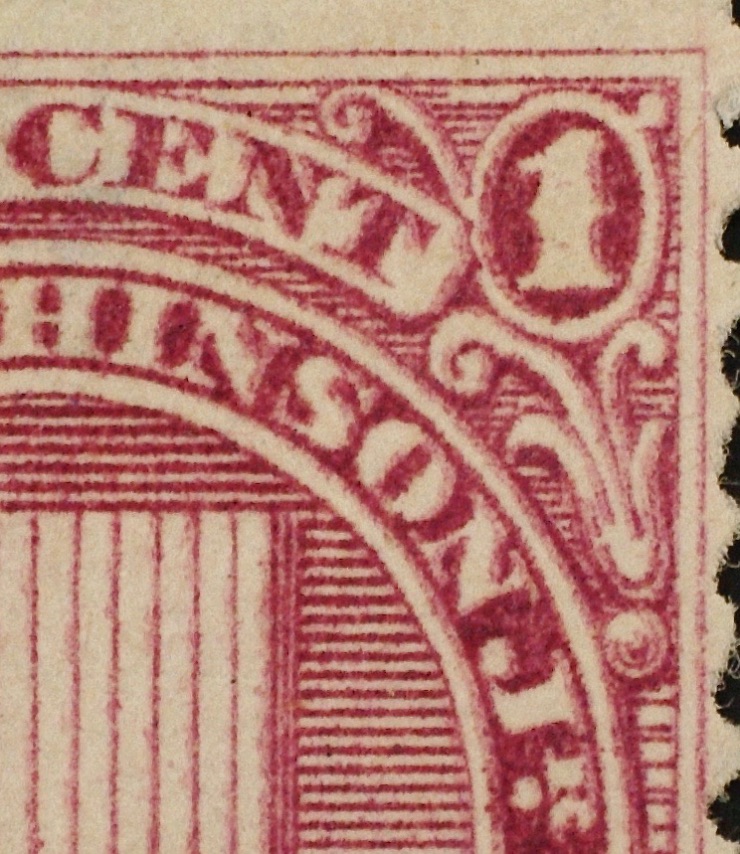 |
|
Send note to Staff
|
|
|
|
|
Pillar Of The Community
United States
796 Posts |
|
|
i am not quite sure if this is a double transfer or a kiss. all the displacement seems to go in the same direction. it could also be poor wiping of the plate. |
Send note to Staff 
|
|
|
Valued Member
United States
63 Posts |
|
|
I agree with m & m. It does have the appearance of a double transfer except the doubling seems blurry. So it could be a kiss print, which when it occurs over the entire stamp is called a double impression.
It does make me want to look more closely at mine! To me, finding an exact match to your stamp confirms it as a double transfer, at least the probability goes way up. |
|
Send note to Staff
|
|
|
Bedrock Of The Community
United States
10866 Posts |
|
|
I doubt that it is a double transfer, poor wiping seems much more likely. |
|
Send note to Staff
|
|
|
Valued Member
85 Posts |
|
|
Thanks all.
I assume "kiss" means the paper somehow came in contact with the plate more than once? |
|
Send note to Staff
|
|
|
Pillar Of The Community
United States
796 Posts |
|
|
yes this can occur when the sheet is removed from the plate after printing. on rotary press items this can happen press is stopped and rocks back a bit before coming to a complete stop.
|
|
Send note to Staff
|
|
|
Pillar Of The Community
6364 Posts |
|
|
Poor wiping: For those who are advocating "poor wiping", please explain exactly how this happens to produce the effect seen here? I am not convinced of that cause/effect. |
|
Send note to Staff
|
|
|
Bedrock Of The Community
United States
10866 Posts |
|
|
Remember, we are talking about 1880's technology. I doubt they did much work in really bright light. So if the plate was not wiped thoroughly and there was some excess ink left on the plate in a few spots it might not be noticed. And if the plate was getting just a bit worn, it might not take it exactly evenly sometimes. A double transfer would have sharper lines, and this close to the actual transfer lines could only be caused by a slippage; this appears too fuzzy for that event. Some searching will find other stamps of various companies that occasionally have this appearance. |
|
Send note to Staff
|
|
|
Pillar Of The Community
6364 Posts |
|
|
I'll be more specific. How can one produce the shadow effect of the "NT" of "CENT" with plate wiping? |
|
Send note to Staff
|
|
|
Pillar Of The Community
United States
796 Posts |
|
|
that shadow effect is evident throughout the entire right side of the stamp. the explanations given re poor wiping, plate wear kiss print or a combination of both are imo spot on. any extra lines in any design caused buy any of the above mentioned can give that illusion of depth. |
|
Send note to Staff
|
|
|
Pillar Of The Community
6364 Posts |
|
|
m and m, I agree with the idea of kiss print or slip print, but have heard no convincing explanation for any wiping theory. Exactly HOW can this effect be made by wiping technique? |
|
Send note to Staff
|
|
|
Pillar Of The Community
United States
796 Posts |
|
|
a combination of excess ink and over wet paper and or slight slippage could account for it. however I do not think wiping alone would cause this effect. |
|
Send note to Staff
|
|
|
Bedrock Of The Community
United States
10866 Posts |
|
|
The plate was not wiped completely before printing, so some extra ink remained on the plate when it was printed. It would not have been a whole lot, but it could have caused some fuzzy areas. |
|
Send note to Staff
|
|
| |
Replies: 12 / Views: 830 |
|




 Posted 09/03/2020 6:26 pm


