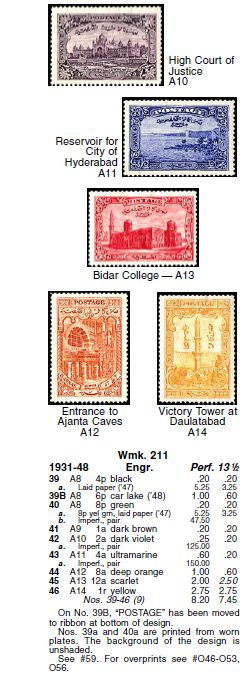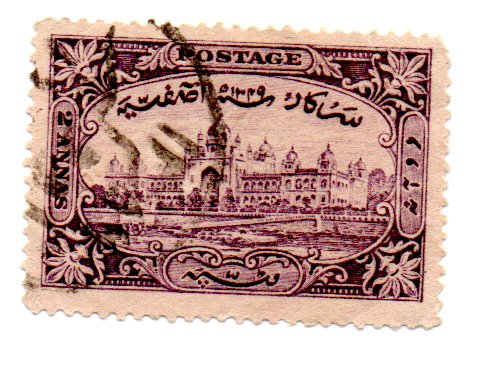
This is Haydarabad 1931 2A High Court of Justice at Haydarabad, Haydarabad deep mulberry SG 44/Sc 42.
The stamp is part of what is popularly called the 1931 Pictorial Series, issued on Nov 12,1931.
This stamp with perf. 13½, is printed on wove paper with
Sarkar Aafiyyah watermark in intaglio by Stamp Office, Haydarabad but the plates were prepared by Thomas de la Rue and Company, London, England.
The most basic criterion to identify Haydarabad stamps or stationery imprints is the omnipresent inscription
Sarkar Asafiyyah in Farsi or in Urdu, which is present in early issues of Haydarabad mostly in calligraphic manifestation in the formation of Tugra monogram.
Here the inscription
Sarkar Asafiyyah in Farsi is present in the upper panel.
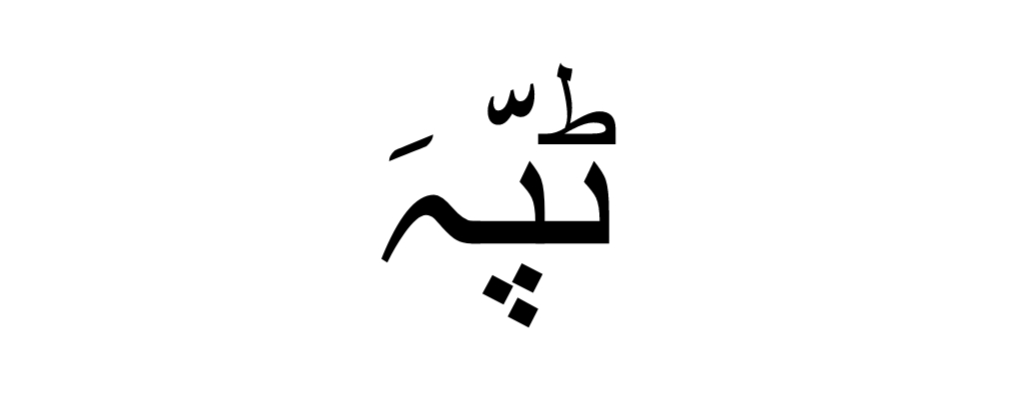
Since this site does not support Farsi/Urdu characters, I am posting the screenshot of the inscription typed in MS Word.
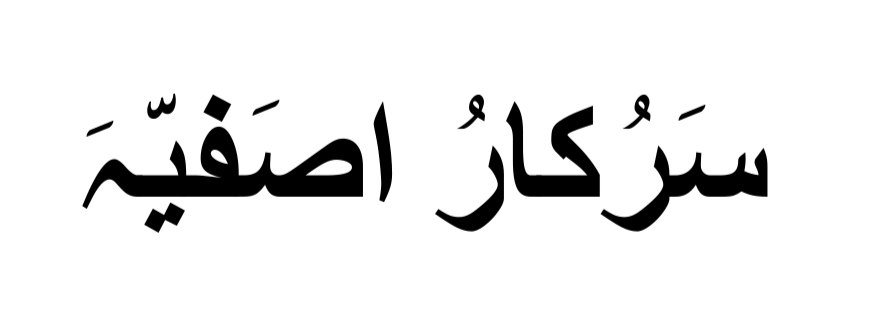 Sarkar Asafiyyah
 literally means "Government of Asaf" where
Asaf is the part of the hereditary title of the ruler.
In this case,
Sarkar Asafiyyah refers to the Government Asaf Jah VII, the official title of Usman Mahbub Ali Khan Siddiqi (1886-1967), the ruler (Nizam) of Haydarabad state (1911-1948).
Between the words
Sarkar and
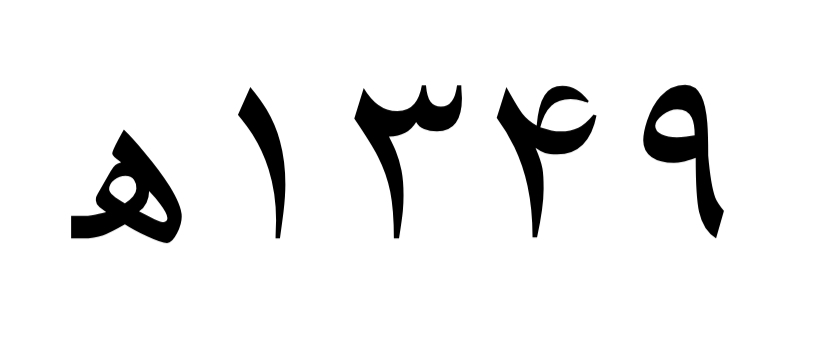
Asafiyyah, is the year of plate registration
1349H in Hijri calendar which corresponds to 1930. Here the initial of
Hijri is represented by the Urdu alphabet
Do Chashmi which literally means "spectacles-shaped" because of its appearance.
The lower panel shows the word
Tappah i.e. post.
The dextral panel shows the denomination
Du Ana i.e. Two Ana but in Urdu.

The High Court of Justice at Haydarabad was established on Apr 20,1920. It was/is infamous for its several one-sided biased judgements against Indian freedom fighters, to please the Nizam's British masters.





 Posted 11/08/2020 3:53 pm