| Author |
 Replies: 21 / Views: 4,466 Replies: 21 / Views: 4,466 |
|
Valued Member
United States
10 Posts |
|
|
|
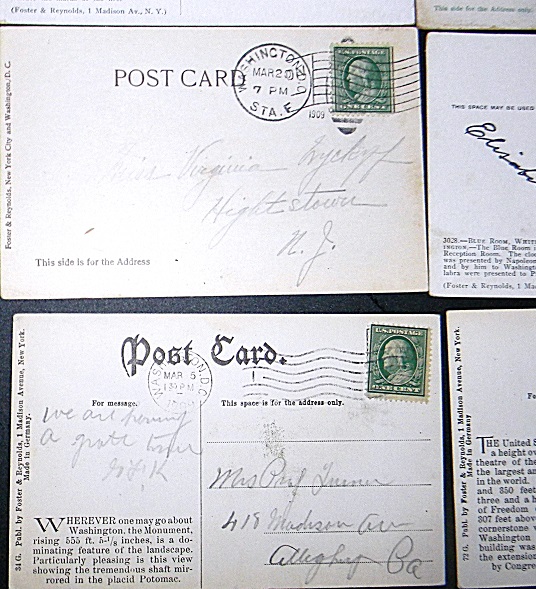
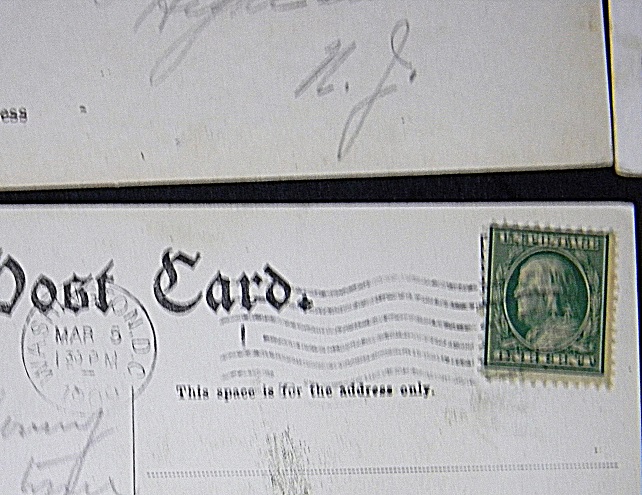
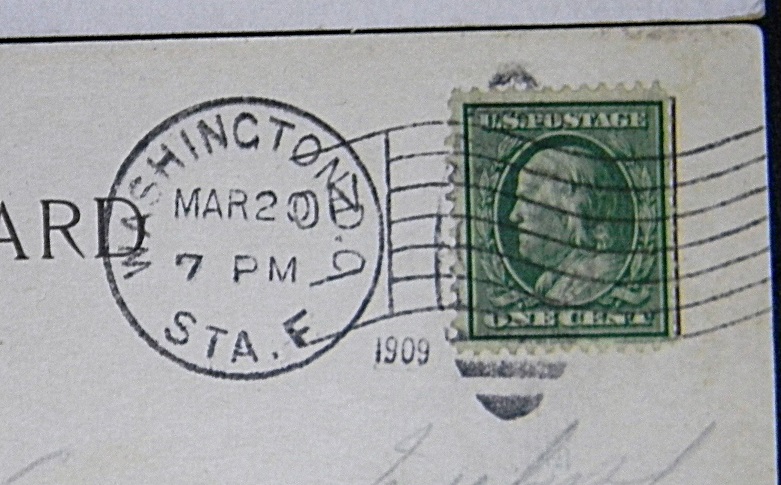
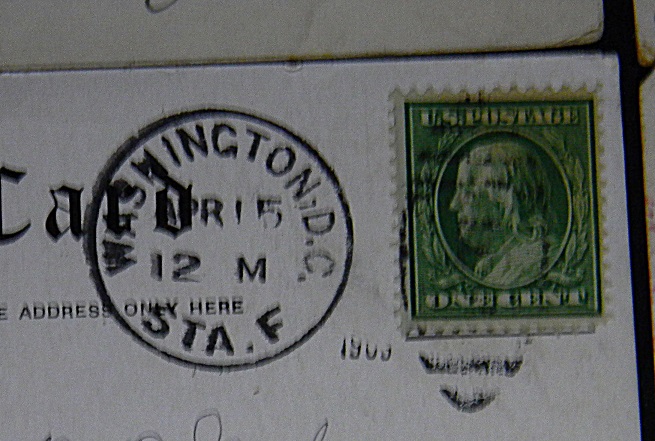
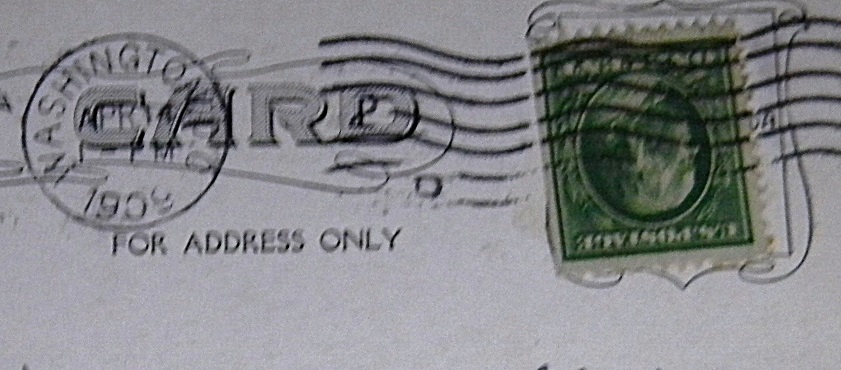
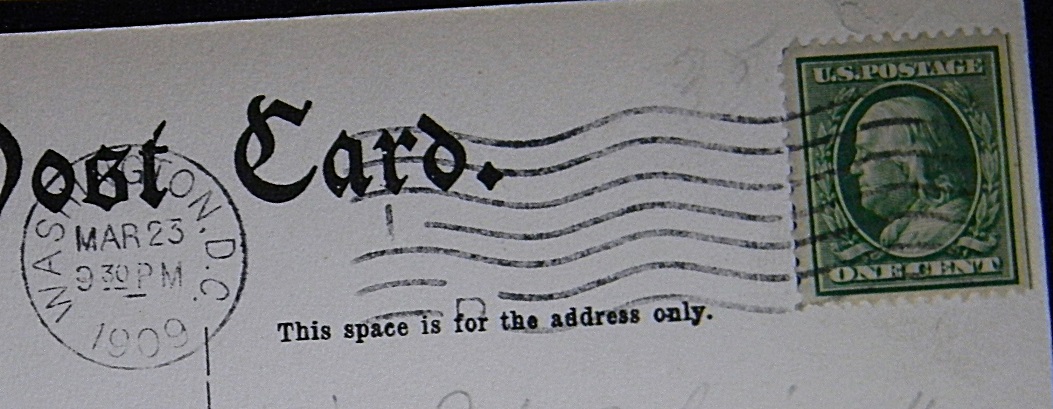
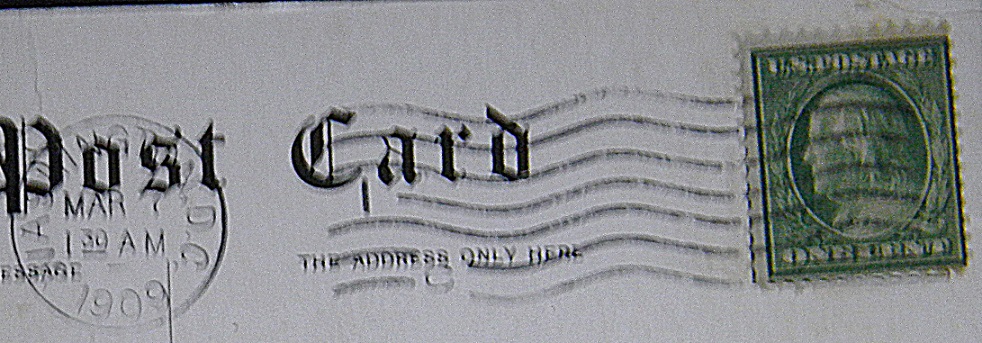
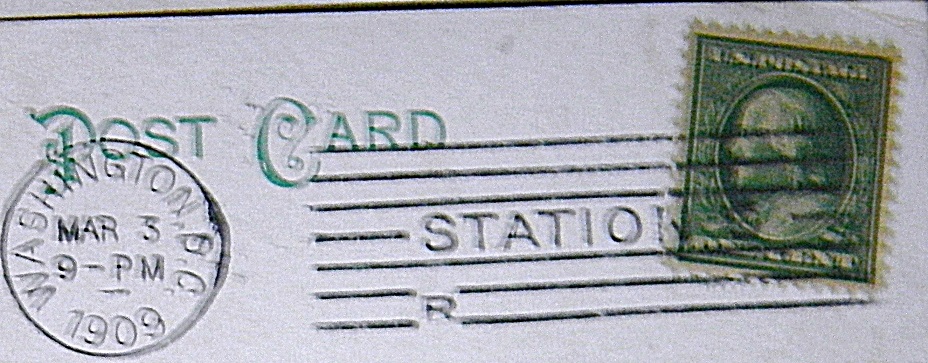
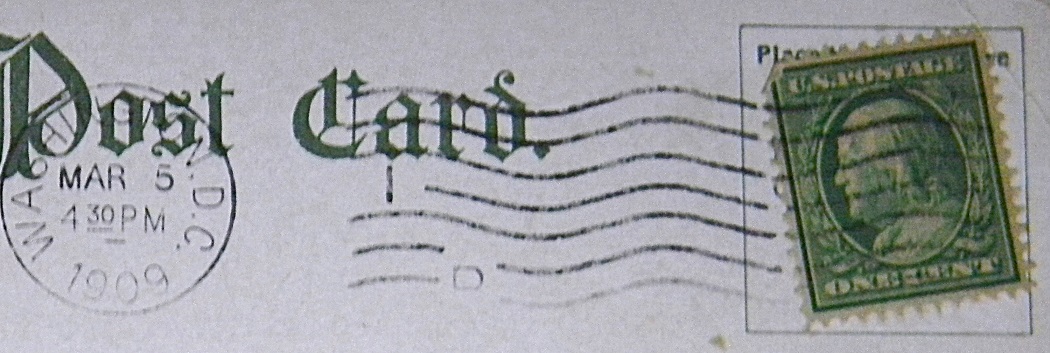
I have quite a few 1909 postcards postmarked between February 28 + May 20th Washington DC.
They all have the Ben Franklin $0.01 issue from the 1908 and 1912 series.
Is there a way to verify the bluish paper with the stamps still attached, if not is there a way, reliable way, to have the stamp removed from the postcard without damaging the postcard or the postmark for verification of bluish paper?
I have tried using blue light and UltraViolet blue and laser blue shining on the front of the attached stamp, does not appear to be any noticeable difference by using that.
I admit I love the mystery of knowing or not knowing, but I'm about over loving that mystery.
One more question: I understand that supposedly the one and two cent Benjamin and Washington series of blue issued papers were issued from the Washington DC post office the question I have is was it from more than one station of the Washington DC post office district, or just a single post office from Washington D.C.?
Thanks
Randy
|
|
Send note to Staff
|
|
|
|
|
Moderator

United States
5108 Posts |
|
|
Be sure not to double or triple post. You are asking the same question in several threads right now. Just wait for someone to see this post and answer your question. (I don't have an answer for you.) |
Send note to Staff 
|
|
|
Valued Member
United States
10 Posts |
|
|
Part time,. Thank you for that note on being careful how many post I have at different locations asking the same thing.
this was my first posting I got confused kept getting error so I may have posted in multiple locations. I'm not sure where those locations are but thank you for that information I'll try to be more thorough and read the procedures over again thanks.
Randy |
|
Send note to Staff
|
|
|
Valued Member
United States
10 Posts |
|
|
one thing that occurred to me that I'd like to get your feedback or anybody's feedback on the possibility or probability of this.
Since the bluish paper so-called bluish paper is supposed to be of anywhere from 10% to 35% rag stock my understanding is rag stock is a cotton combination, so we know that wood is more of a color resistant material than cotton would be. What I mean by that, cotton would Leach the ink or paint where as wood would tend to resist.
So what I'm thinking is that this so-called blue paper or grayish paper is really just the front color leaching into the material of that stamp since a good percentage of it is cotton. Now I haven't read anything that stated what the color of the paper was before they printed the front of the stamp, just what the color is afterwards and even then the color seems to be subjective, a bluish or a grayish.
I do know the combination of blue and green and purple make the color gray, it's called cool gray. It's a light gray. And the mix of green and blue gives a color kind of aqua color cyan color.
So if the rag material has a bluish tint and it would allow the green ink to bleed into it, I would think the result would be sort of a cyan color on the paper. And Franklin picture would be towards the greenish dark cyan color.
What do you guys think.
Randy |
|
Send note to Staff
|
|
|
Pillar Of The Community
6364 Posts |
|
|
Leaching theory = No.
Need to remove stamp to ID it = No. Don't.
Please show us a couple of your examples which you think are candidates for blue paper.
Have you searched to Forum here for other threads on blue paper stamps? |
|
Send note to Staff
|
|
|
Pillar Of The Community
United States
4465 Posts |
|
|
I don't know what your budget is, but you could get a low priced mint blue paper for color comparison, perhaps a 1 or 2 cent or Lincoln. Flaws make them cheap but good reference material. If your budget for stamps is flush, then get a good example for your collection.
My buddy, now dead and the collection dispersed, once showed me all the blues in sheets, or if unknown such, plate blocks, except of course, the four cent was only the strip and a plate inscription pair plus single. Covers as well. The color was noticeable.
I forget if that was before or after the strip of five of 489, with half of the line of a line pair. That has since been broken down.
Yet he got great joy peddling booklet panes via a Linn's classified.
|
|
Send note to Staff
|
|
|
Valued Member
United States
10 Posts |
|
|
John Becker & parcelPostGuy, thanks for replies.
Parcelpostguy, you mentioned in your reply to use a known verified blue paper stamp to compare are you suggesting that I can compare without taking stamp off the postcard?
John Becker, you mentioned in your reply that leaching of the ink is a no-go. Why would you say that? I would have assumed that cotton would have a tendency to allow ink to bleed or leach into the rag stock.
Yes I have looked at other forms dealing with the subject and one of the tools mentioned is to use a background of Orange and lay the stamp on that background, and the blue paper stamp back will show vividly versus a regular issue non blue paper stamp.
Using orange as a background is interesting, because green's opposite color on the color wheel is orange, green shows up most prominently against an orange background. So once again that would lead me to believe that the green has leached into the back of the stamp.
Thus, showing up most prominently against an orange background. |
|
Send note to Staff
|
|
|
Bedrock Of The Community
12774 Posts |
|
|
I always recommend what PPG said about a cheap blue paper. You could also cut a hole in orange paper and surround your on cover stamp. |
|
Send note to Staff
|
|
|
Pillar Of The Community
6364 Posts |
|
|
Riptide,
This is a characteristic of the paper, and has nothing to do with the inks, which are in several colors for the various denominations. Why would they all bleed to make blue paper? Sorry my replies are short, but I have other projects I have to complete today.
Again, please show us a few candidates from your collection. The more you show us, the better our replies can be. |
|
Send note to Staff
|
|
|
Valued Member
United States
10 Posts |
|
|
Pillar Of The Community
United States
4465 Posts |
|
|
Yes, Rip Tide, you can compare paper color while you stamps remain on cover (postcard). Also if you get an unused copy for comparison it will not have been subjected to the potential issues soaking can bring due to underlying color bleed from non-stamp papers in the soaking water.
As John Becker said the paper coloration is a function of the paper, not the ink. The paper looks the same no matter which denomination (color) or Lincoln (carmine) was printed on the paper. The paper's color is viewed not in a printed area but rather in the margins between the image and perforations or for the plate blocks and sheets I mentioned, the selvage. Now if your reference copy is without gum, then you also have the back side of the stamp to compare paper. Assuming good lighting and normal color perception, the paper color difference is not all that subtle. |
|
Send note to Staff
|
|
|
Valued Member
United States
10 Posts |
|
|
Parcel Post Guy, thanks for reply.
So if I understand you correctly, you are saying that my stamps on my postcards, as can be seen in the pictures, can be verified as blue-paper stamps by just comparing them side-by-side with a known blue-paper visually?
So your saying that the fact that the face of the stamps on postcards have been exposed to the environment, to some degree, for over 110 years would not be a concern, when making any such visual comparison. Ok, I wrongly assumed that would have been a concern.
Thank you. I will look into this.
Randy |
|
Send note to Staff
|
|
|
Pillar Of The Community
United States
4465 Posts |
|
|
First of all, EVERYTHING is exposed to the "environment" the moment it is created; that is not a unique to philately concept. Now if you should ID a blue paper stamp on your cards, it will still look different from the non-blue paper stamps on your other cards. Pre-covid and back when retail dealers had stores most collectors could visit, learning about blue verse non-blue as well as other comparison differences was just a visit away. Smart dealers knew an educated customer was generally a better customer. I do not see this SCF thread referenced here so here it is: https://www.stampcommunity.org/topi...OPIC_ID=6958Below is a card being offered by a reasonable dealer whom I have no reason to distrust. Mostly I am offering it for the cancellation on the 357.    |
|
Send note to Staff
|
|
|
Pillar Of The Community
6364 Posts |
|
|
Ok, a little more time today ... 1. Leachng: In this era, the paper was slightly dampened before printing. The ink has a natural oil or petroleum base. Oil and water do not mix. The ink will tend to stay where it is put as the solvent and paper both dry after printing. 2. Washington, DC.: I don't have any exact references before me, but it is generally accepted that most of these were sold in Washington, DC in the spring of 1909. Thus most were used there, but naturally they could be taken anywhere else for use. When I am looking for one, I will look first at the Washington, DC postcards at a card show. Additionally, they were only a small percent of the stamps sold during this time, thus only a small percent of covers/cards from Washington, DC will show blue paper. I do not think that any of the examples you have shown are blue paper. The paper is not dark enough. All that said, On the left are 3 blue papers used at Washington, DC in the spring of 1909. They were all bought at postcard shows for a buck or two. On the right are 3 normal white papers used elsewhere. Note the darkness of the paper on the left. They have a "look" and can be ID'd visually with experience - and the timing of the DC cancel helps confirm as a secondary characteristic.  |
|
Send note to Staff
|
|
|
Valued Member
United States
10 Posts |
|
|
Valued Member
United States
10 Posts |
|
|
John B.
Thanks for sharing those pictures of your three postcards.
if If I may ask, which service did you use to have those certified as being blue paper?
Randy |
|
Send note to Staff
|
|
|
Replies: 21 / Views: 4,466 |
|



 Posted 04/10/2021 1:06 pm