Quote:
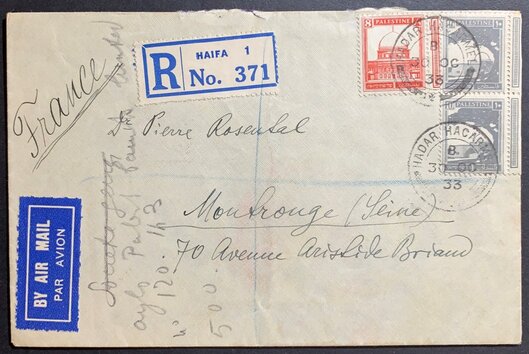
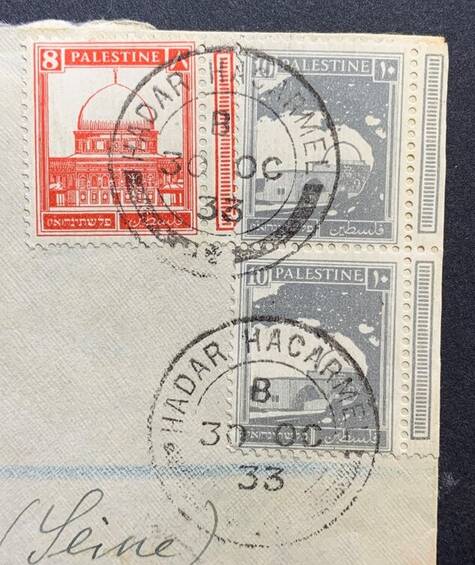
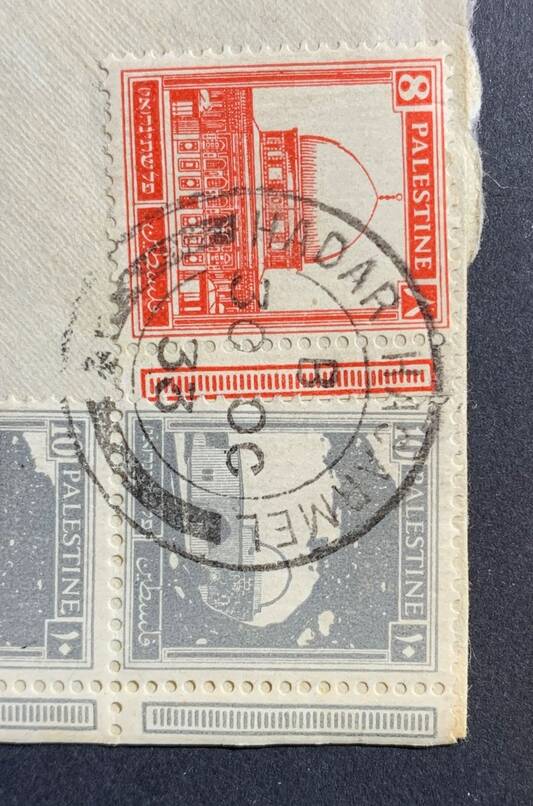
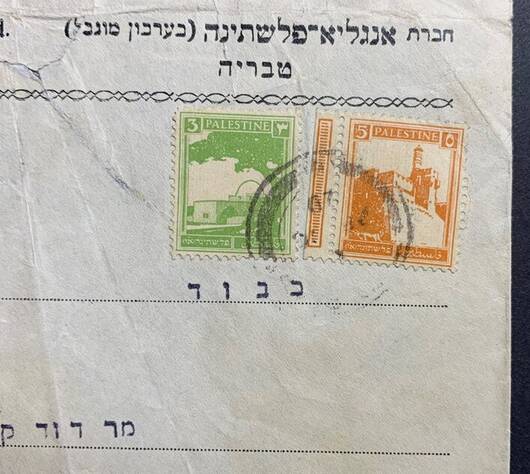
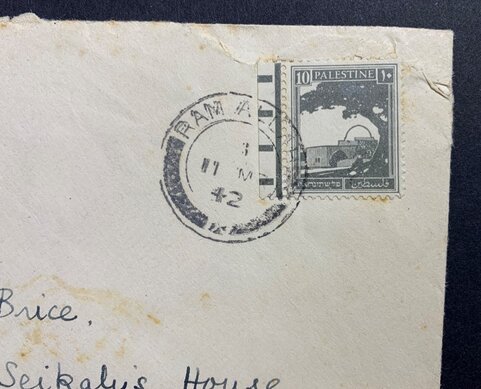
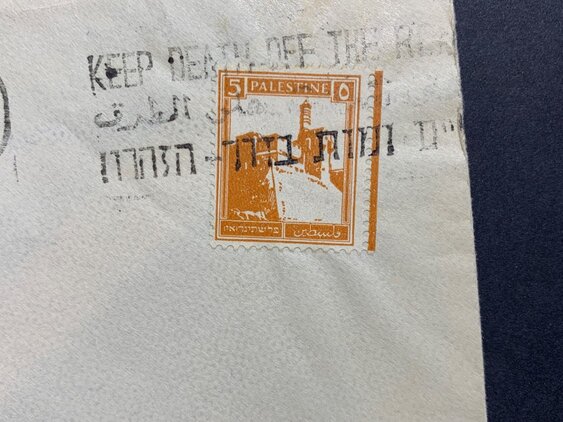
On this top example, is there any significance to the remnant of the perforations along the center of the vertical axis? Does it suggest how the stamp was detatched?
I'd still suggest cutting by scissors.
Remember, I am coming from Commonwealth postage stamp experience,
I have only basic knowledge of Palestine issues.
I have found the British verbiage, "Pillars" not ladders.
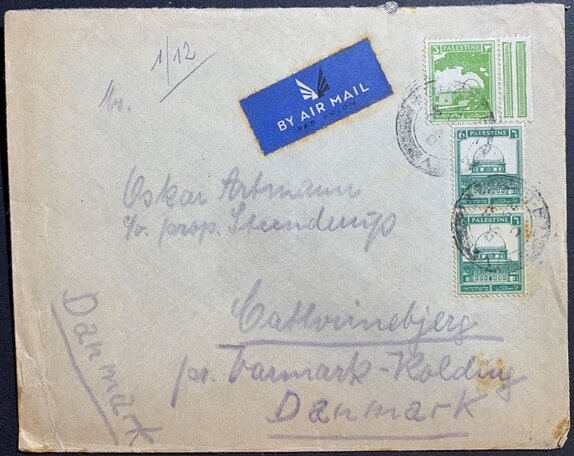
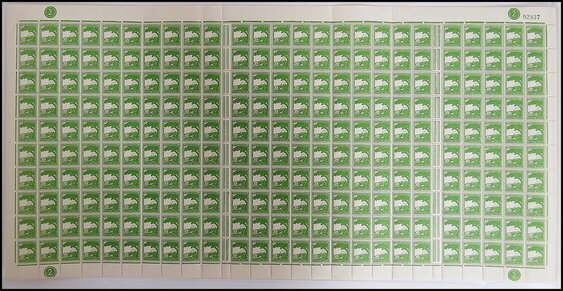
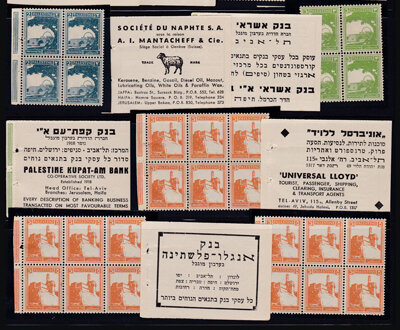
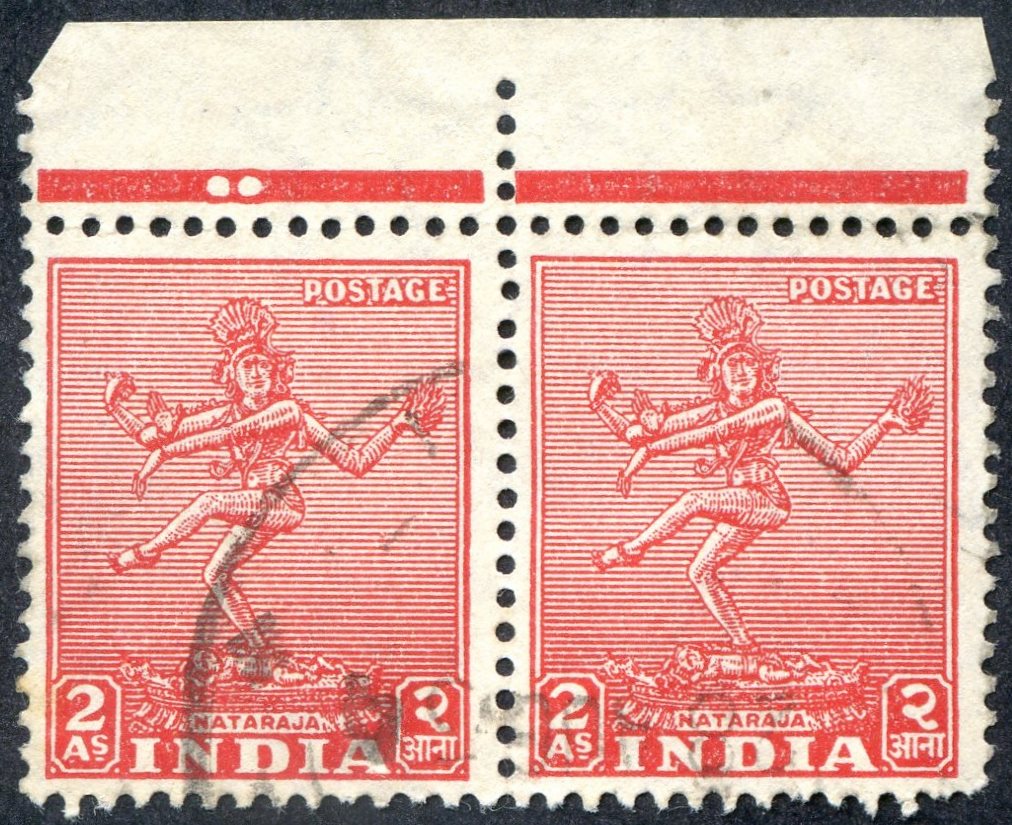
The bottom two examples, are beyond me, the "Marginal Rule Lines" suggest a differing plate design.
They do not correspond to the 3 mils plate.
I'll leave you with just my information, from a commonwealth perspective.
Jubilee: a special anniversary
Jubilee lines - These are also known as marginal rule lines. There are lines around the sheet margins of stamps and are so called because they were first used on the 'Jubilee' stamps of Queen Victoria in 1887.
To quote from Gibbons QV specialised,
" The " Jubilee " line is the uncoloured line extending round the pane outside the stamps. When the line is unbroken it is described as " continuous ", though in some plates the line has occasional
breaks. When the line is composed of short pieces with gaps exactly opposite the spaces between the stamps, it is termed " co-extensive ". The correct printing term for " Jubilee Lines " is " marginal
rule " and it was used to reduce pressure on the edges of the plate and so obtain clearer and better production.





 Posted 06/23/2021 07:58 am