| Author |
 Replies: 11 / Views: 756 Replies: 11 / Views: 756 |
|
|
Valued Member
United Kingdom
85 Posts |
|
|
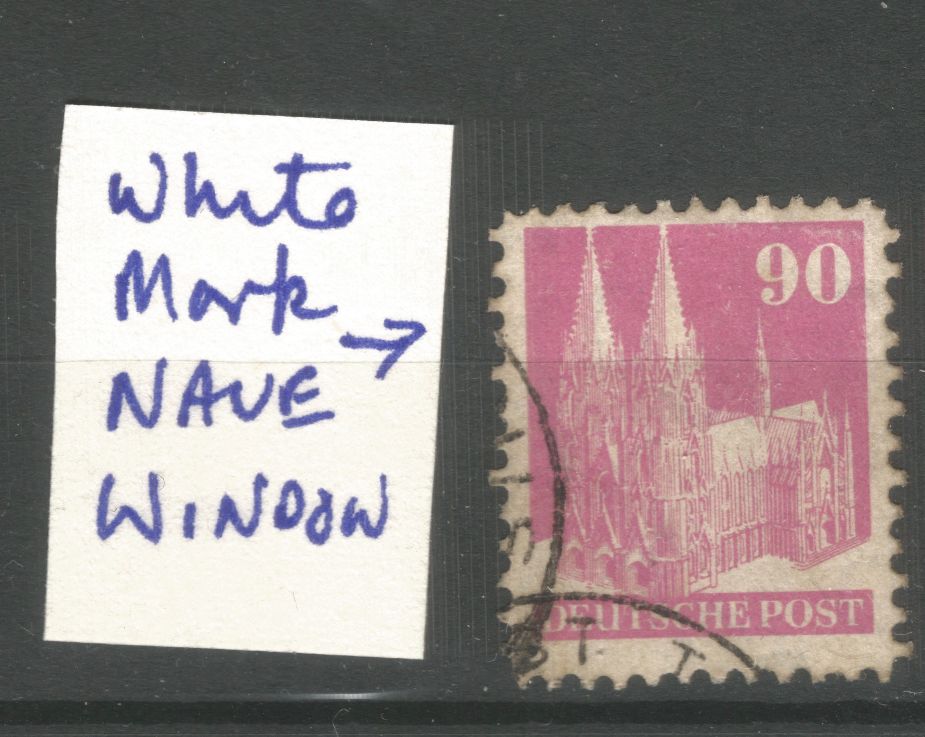
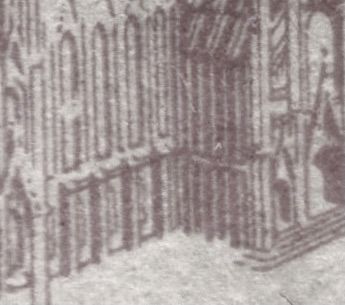
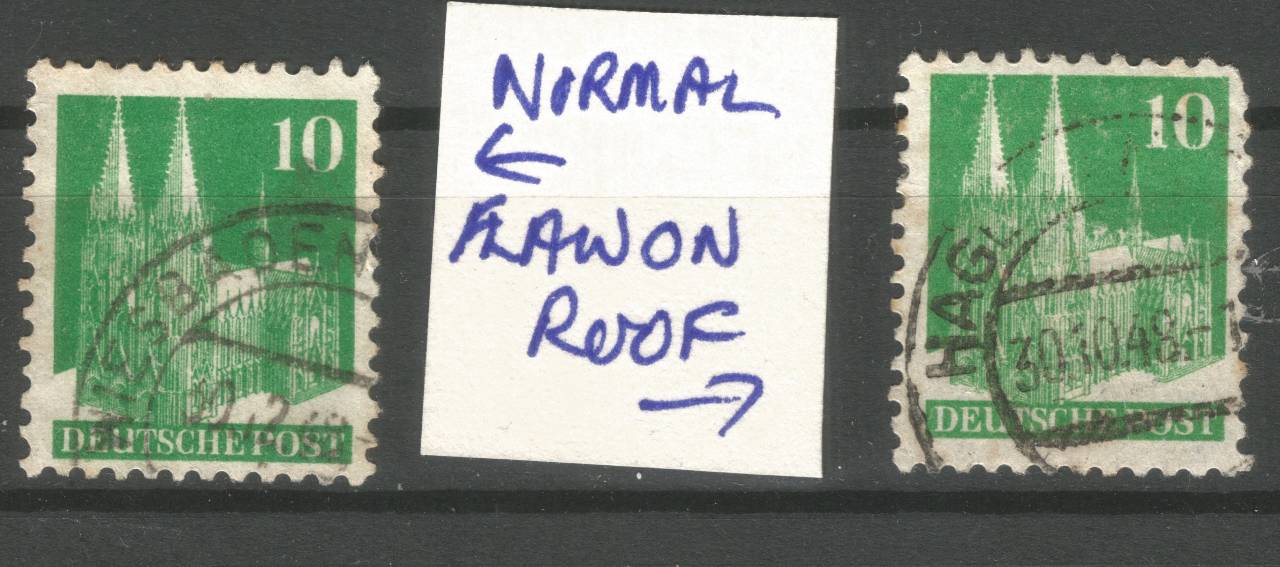
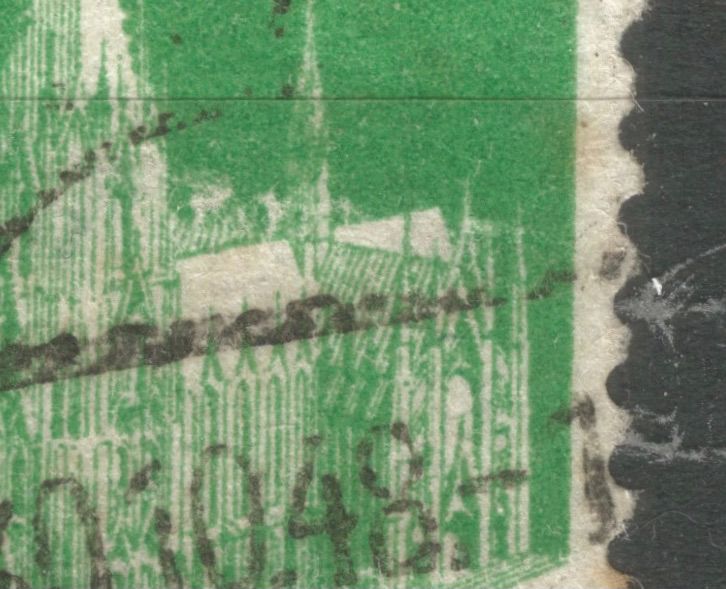
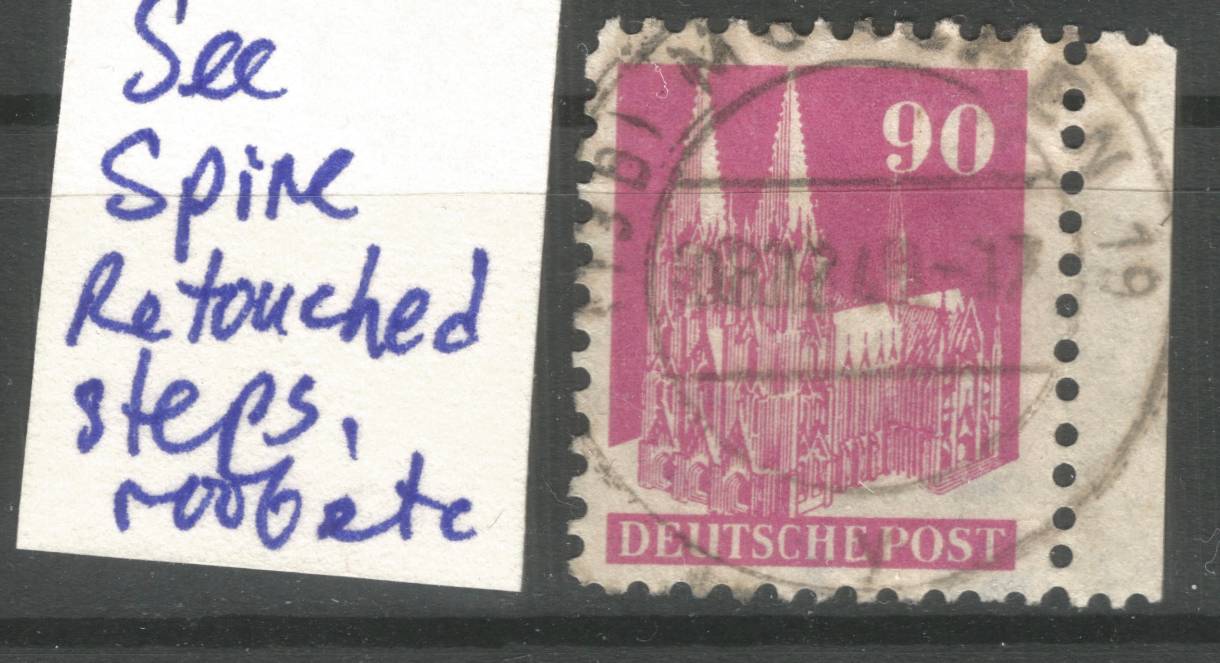
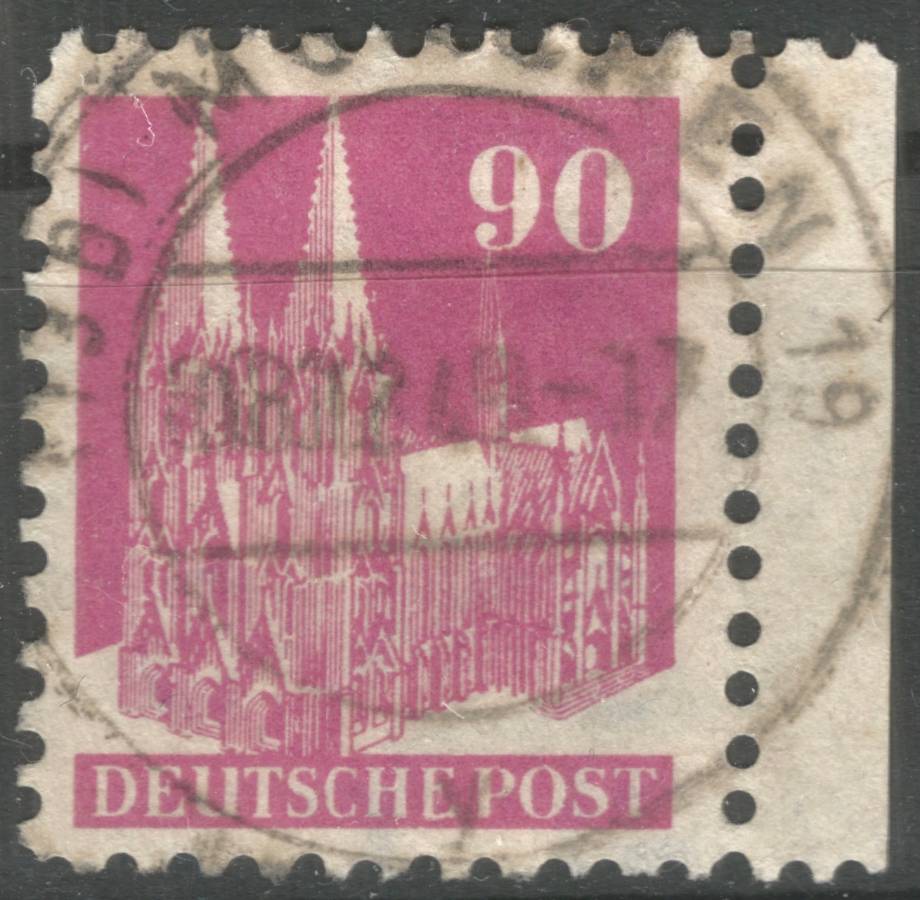
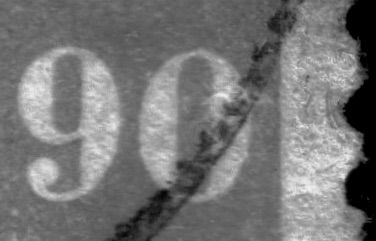
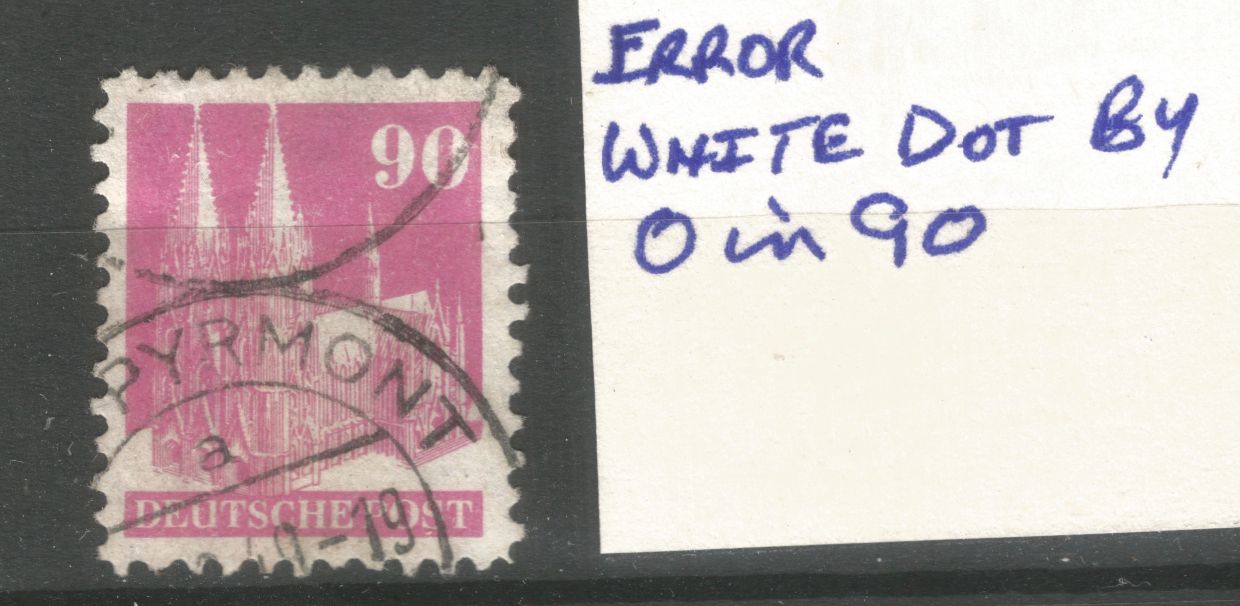
Hi all I did not want to hijack other threads with my more mundane examples! I bought a large collection of German stamps that did have a few paged of oddities, PF and errors. My Google Translate for Germany is not capable and the Michel-Spezial copy I have looks like a 10,000 piece puzzle in another language! So a little help would be greatly welcomed. To keep things separate I will do the grouping first and then the specific examples in separate replies so you can reply to the group or to one of the specific examples. As far as comment like "I hope you didn't pay too much" etc these were just extras and part of a larger group. The Descriptions were from the original collection/collector not my guesses. 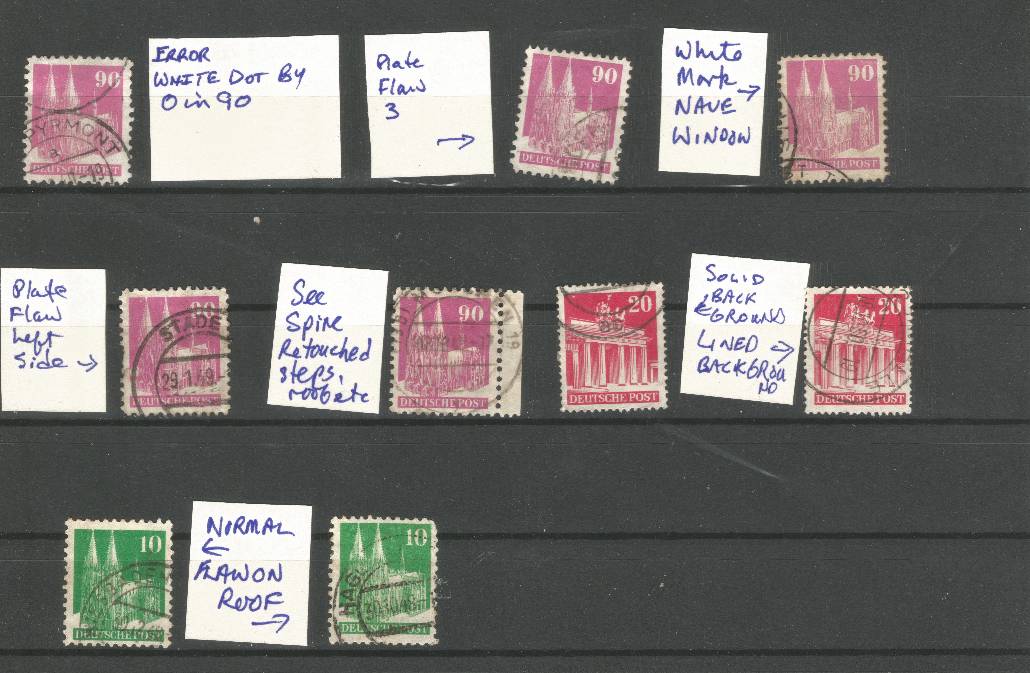 |
|
Send note to Staff
|
|
|
|
|
Valued Member
United Kingdom
85 Posts |
|
|
Valued Member
United Kingdom
85 Posts |
|
|
Valued Member
United Kingdom
85 Posts |
|
|
Valued Member
United Kingdom
85 Posts |
|
|
Pillar Of The Community
United States
775 Posts |
|
|
Valued Member
United Kingdom
85 Posts |
|
|
@germania Thanks for this link A very interesting site and it must have an English translation as it comes up for me in mainly English also.
|
Send note to Staff 
|
|
|
Moderator

United States
12330 Posts |
|
|
Valued Member
436 Posts |
|
|
Hi WillUK,
Without specialized book, you wont achieve identification of position charactéristics. Which are primary, secondary, tertiary and so on. You can spend all your time on this serie for the rest of your life.
First step, identification of type, go in Michel volume 2 and ident by type your stamps.
Second step, perforations for each type.
Third step, Watermark
Now you will have the exact stamp identification.
After you will start to think about position characteristics.
Salutations
Hornet
|
|
Send note to Staff
|
|
|
Pillar Of The Community

United States
809 Posts |
|
|
Pillar Of The Community
United States
7239 Posts |
|
|
Hornet's advice is good. Without a reference showing the actual flaw, a person is merely guessing.
When Michel lists plate flaws, they are listing the ones that expertizers will certify with an identifying marking on the stamp's reverse. Unfortunately, in most cases reference materials are not easily available to identify the plate flaws that Michel lists.
Personally, when I have sent suspected plate flaws to expertizers, sometimes they are confirmed, and sometimes the response is, "Yes, this mark is in the right place, but it is not the plate flaw"…and sometimes a nice photocopy showing the actual plate flaw has been returned with the stamps. |
|
Send note to Staff
|
|
|
Valued Member
436 Posts |
|
| |
Replies: 11 / Views: 756 |
|



 Posted 08/19/2021 07:42 am