| Author |
 Replies: 17 / Views: 1,470 Replies: 17 / Views: 1,470 |
|
Pillar Of The Community

United States
1837 Posts |
|
|
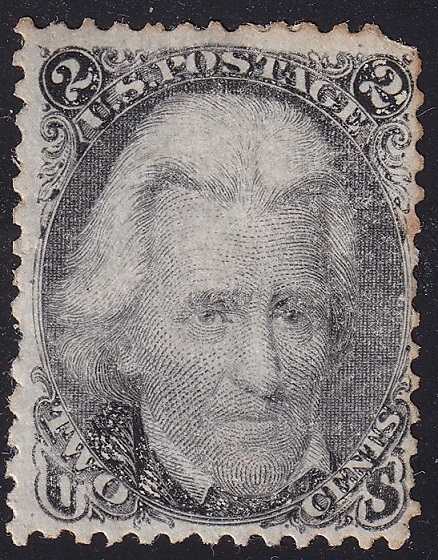
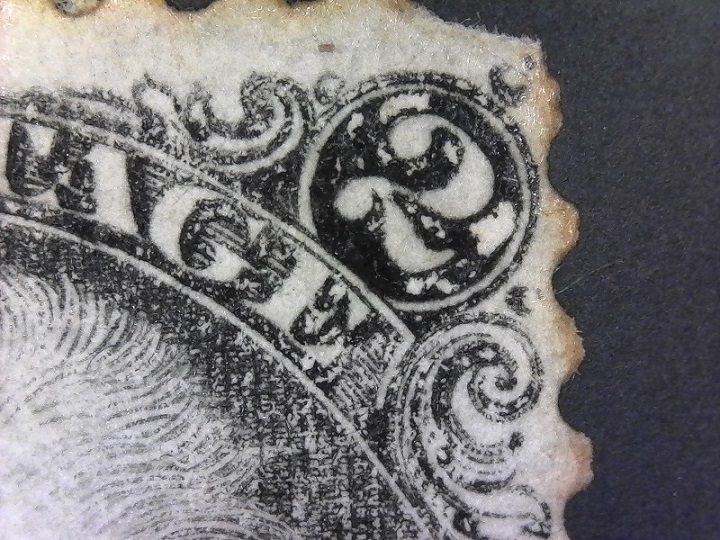
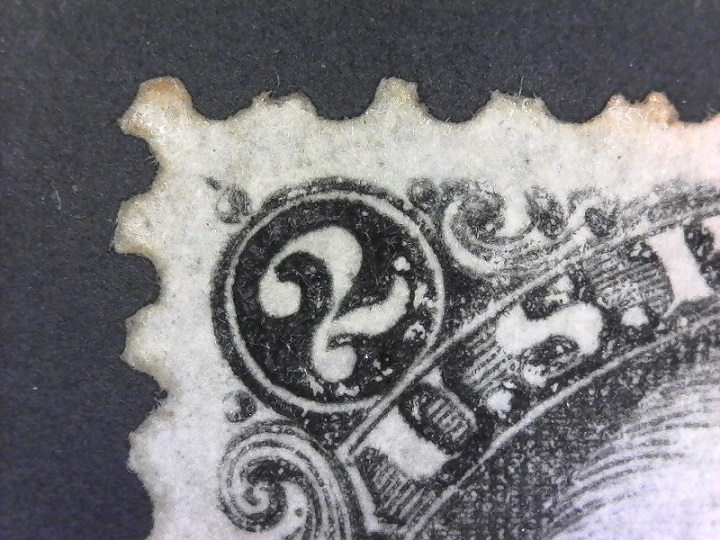
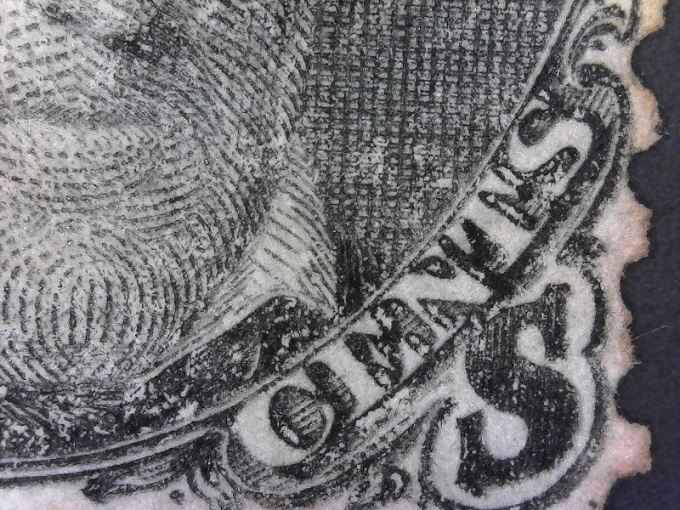
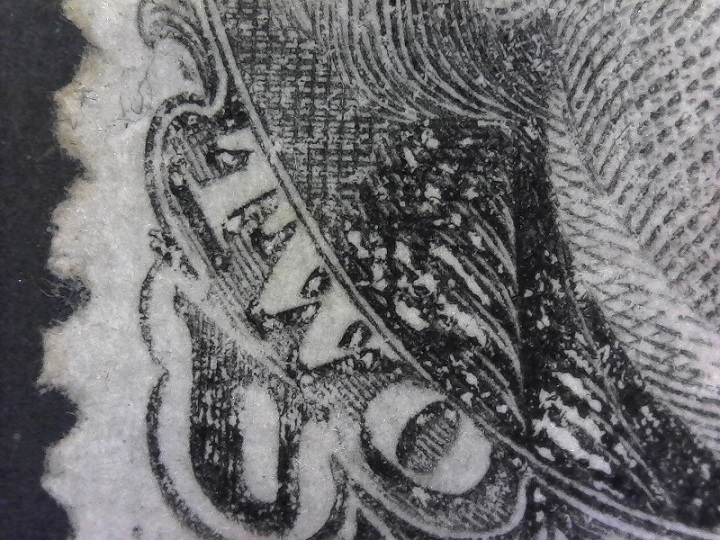
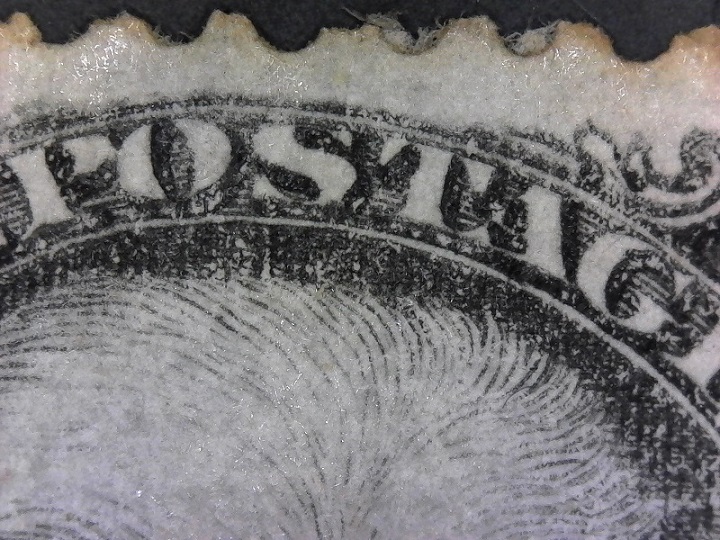
This stamp is ex-Langs. He claimed it was a dry print. Googling I see that there have been dry print Blackjacks sold by Siegel and others. They seem to be lighter printings that show less ink. I'm not sure if this was caused by paper that was accidentally drier than usual so the ink didn't stick as well or what. Is anyone able to look at this and determine if this appears to be a legit dry print? Thanks!  |
|
Send note to Staff
|
|
|
|
|
Pillar Of The Community
United States
571 Posts |
|
|
Valued Member
United States
101 Posts |
|
|
Pillar Of The Community
United States
901 Posts |
|
|
Pillar Of The Community
United States
1837 Posts |
|
|
I understand that the first intentional dry prints were much later and I had already read that stamp smarter page. But I've seen dry print blackjacks referenced in a couple places that I usually think of as reliable - namely Rumsey and Siegel. Here are the links. (Search for dry print on the page that comes up.) Rumsey: https://www.rumseyauctions.com/auct...apter/38/133Siegel: https://stampauctionnetwork.com/y/y118116.cfmSo before I turn this around I'd like to be more sure about what has caused this inking issue. Maybe "under inked" is more accurate than dry print; but I'm not there yet. |
Send note to Staff 
|
|
|
Pillar Of The Community
United States
1837 Posts |
|
|
ok, maybe this is the answer. I did a search for "dry print" in the Siegel power search not specifying any catalog number. It is clear they are using it a lot to mean under-inked. So I'm thinking that "dry print" has been used for older stamps that show signs of under inking. One could argue it is a misuse of the term since intentional dry-printing is a thing.
I'll mull this over a bit more and happy to get any further feedback.
Thanks as always.
I am going through a pile of ex-Langs stuff very carefully and trying to take nothing for granted. Mostly I'm happy with what I got, but he obviously overstates centering a lot, uses the word "var" way too much - for just a fancy cancel for example - and his prices for common material are insane. Everything is a "gem" and certs with faults have gone missing. It's a bit of a minefield, but I'm taking it slow. I'm sure I'll be back with more Langs mysteries in the future. |
|
Send note to Staff
|
|
|
Moderator

United States
12330 Posts |
|
|
I think these are two different things; 'dry print' in terms of an under inking and 'wet/dry print type' of the later years (and is what is discussed in Bob Allen's Stamp Smarter article).
Don |
|
Send note to Staff
|
|
|
|
Pillar Of The Community
United States
1820 Posts |
|
|
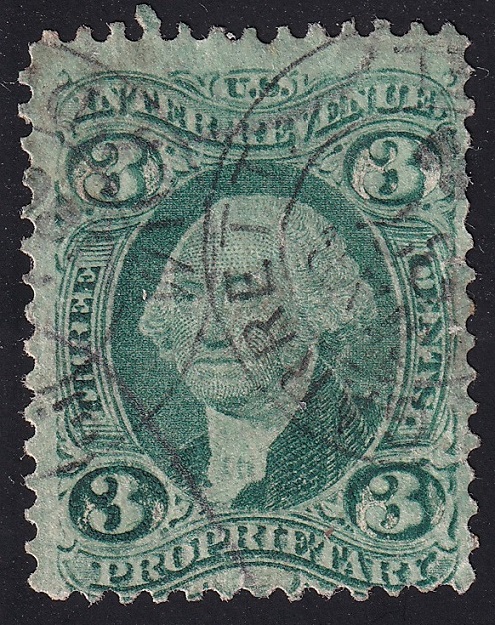
rlsny, you touched on the crux of the matter in your OP. Dry prints in the 19th century were caused by ink applied to paper that was too dry. So yes, they were underinked, but not because there was too little ink applied to the plate, rather the paper was insufficiently moist. Your example may or may not fall into this category, but gettinold's example certainly seems to. |
|
Send note to Staff
|
|
|
Pillar Of The Community
United States
571 Posts |
|
|
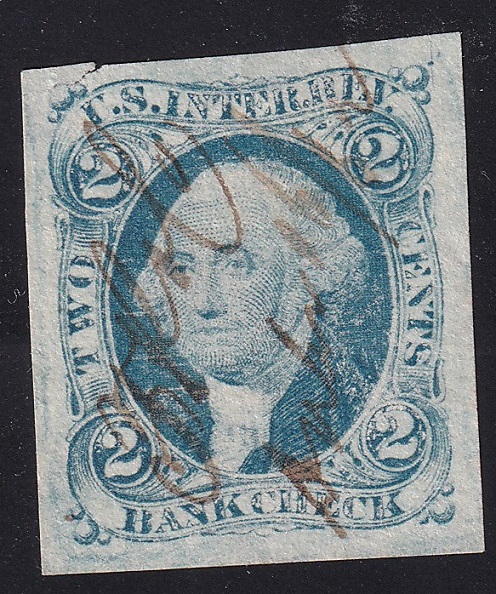
I think you're right Don, Quoted from the first document I referenced above "It would seem probable that this stamp came from the 10th row of a right pane, with only the narrow sheet margin beyond. The edge of the moistened paper had begun to dry, possibly late in the working day, and consequently the dried portion did not pull the impression from the inked plate as it should have. This theory is borne out by their regularity of the edge of the printed portion." This is just a possible explanation of how a "dry" printing of this issue may have occurred. attached is (poor) image of a dry printing from the same source.  |
|
Send note to Staff
|
|
|
Bedrock Of The Community
12759 Posts |
|
|
Pillar Of The Community
United States
2555 Posts |
|
|
Valued Member
United States
101 Posts |
|
|
I want to thank the staff for correcting the link information for me in my last post. I had no idea that the information was plagiarized. Thanks again. |
|
Send note to Staff
|
|
|
Pillar Of The Community
United States
1837 Posts |
|
|
Pillar Of The Community
United States
901 Posts |
|
|
Valued Member
United States
89 Posts |
|
|
Pillar Of The Community
United States
901 Posts |
|
|
stispidey Found this article from Linn's which goes into great detail: https://www.linns.com/news/us-stamp...duction.htmlI mistakenly believed dry prints were confined to a limited period of time. After a keyword search for "dry print" on the PF database I realized just how wrong I was. The search turned up 126 certificates where "dry print" was mentioned in the comments. The stamps ranged from Scott 1 to Scott 2920c printed in 1995. I got the impression from many of the certificates that a "dry print" is a defect. |
|
Send note to Staff
|
|
|
Replies: 17 / Views: 1,470 |
|




 Posted 09/18/2021 1:43 pm