| Author |
 Replies: 43 / Views: 18,509 Replies: 43 / Views: 18,509 |
|
|
|
Valued Member
United States
131 Posts |
|
|
As a question of terminology, I thought toning could also refer to coloration due to ink bleeding onto the stamp from an envelope or a cancellation. For example, red ink from aerogrammes transferred onto the stamp either from application or from soaking (removal), or soaking a pen-cancelled stamp and the ink running. Or any other color (ink) transfer from another source.
Or is there another term for this? |
Send note to Staff 
|
|
|
Pillar Of The Community
United States
6756 Posts |
|
|
I've also heard it used that way. Different circles, different terms. That's why explaining what you are referring to (as you have done) is often more important than the actual term. Otherwise, everybody just gets confused if we rely on the term itself, that has little or no universally agreed definition.
Toning is always a general term that refers to the coloring (or discoloring) of an item (usually paper, but also skin, hair...). You can't go wrong by using that word, but then there's always a question of what kind of toning are we talking about? I was replying to Spock1k's thread title based on what I knew he was probably inquiring about -- regarding stamp storage issues.
Regarding the fugitive ink problem you mentioned, I've heard it called many additional things -- ink bleed, color run, color staining, leeched colors... Does anybody know of a more "formal" name? Most people I know just grimace and frown when it happens. Maybe that's the proper term? |
|
Send note to Staff
|
| Edited by khj - 04/21/2010 2:43 pm |
|
|
Valued Member
United States
91 Posts |
|
|
Almost forty years ago, I bought some old comic books from a dealer, who used a de-acidification process to prolong the life of the paper. I think the product was VapoPaper, which was simply inserted between the pages and left there for several weeks. Is this or a similar process ever used on stamps?
I realize that comic books used cheap, low quality paper while stamps are printed on higher quality stock.
Lizardly,
halflizard
Never put off for tomorrow what you can get out of doing altogether. |
|
Send note to Staff
|
|
|
Pillar Of The Community
United States
6756 Posts |
|
|
There is a acid neutralizer spray commercially available for collectibles. The stamp collectors I know used on album pages/paper, not directly on the stamp.
I am not familiar with the exact chemistry of the product, so you would have to contact the manufacturer. You want to make sure it doesn't adversely affect any ink or chalk-surfaced paper. |
|
Send note to Staff
|
|
|
Pillar Of The Community
United States
2782 Posts |
|
|
Hopefully this is on topic, but for collector's of German mint stamps, be wary of Scott B68 and C57-C58. The gum has sulphuric acid in it and will damage the stamp and anything it comes into contact. Most collector's soak the gum off if it hasn't been done so already.
Sidenote, I've notices some issues from Italy, Vatican and San Marino from the late 1940's through the 1950's are really prone to toning. Anyone know what their problem could be?
Will |
|
Send note to Staff
|
|
|
Pillar Of The Community
United States
1721 Posts |
|
|
Spock Class is now in.
The following applies to USED Stamps ONLY. Also, Do NOT try this on Chalky Paper.
Foxing also known as "Brown Mold". Treatment is as simple as Chemestry 101. Get some chloramine T, Combine 2 Gramms with 100cc of Distilled Water. Lightly brush the face of the stamp with synthetic hobby brush let sit for NO MORE than a minute or 2. Mold is now dead. Wash with Distilled water. Repeat 2 or 3 times untill stain is gone.
Note..THIS IS A MILD BLEACHING PRODUCT. Start with less time and dont rush. If you do You will not be happy. |
|
Send note to Staff
|
|
|
Rest in Peace
Canada
5701 Posts |
|
|
Pillar Of The Community
2664 Posts |
|
|
okay guys lets be serious here for a second
i have now found white spores that cling on to stamps and they look like jelly fish or octopus but they are so small and they bring no discolotation to the stamps till mnay years later. can anyone confirm if they are spores or just a paper reaction
|
|
Send note to Staff
|
|
|
Pillar Of The Community
United States
1721 Posts |
|
|
Spock,
The process I described above done for about 1 min. will kill almost any Mold or Fungus inhabiting any paper. |
|
Send note to Staff
|
|
|
Pillar Of The Community
2664 Posts |
|
|
Pillar Of The Community
United States
1721 Posts |
|
|
There is asimmiler process that should work on MNH. I'll post it when I get home. |
|
Send note to Staff
|
|
|
Pillar Of The Community
2664 Posts |
|
|
if it works I will declare you the commander of the high council. I am going to rescue my $200 stamp so you better not be wrong :) |
|
Send note to Staff
|
|
|
Valued Member
Australia
5 Posts |
|
|
Could I get someones thoughts on this particular type of toning? I bought these recently and now worried about the small spots you see on the rear...are these enough to significantly devalue this block? Appreciate any feed back regards! 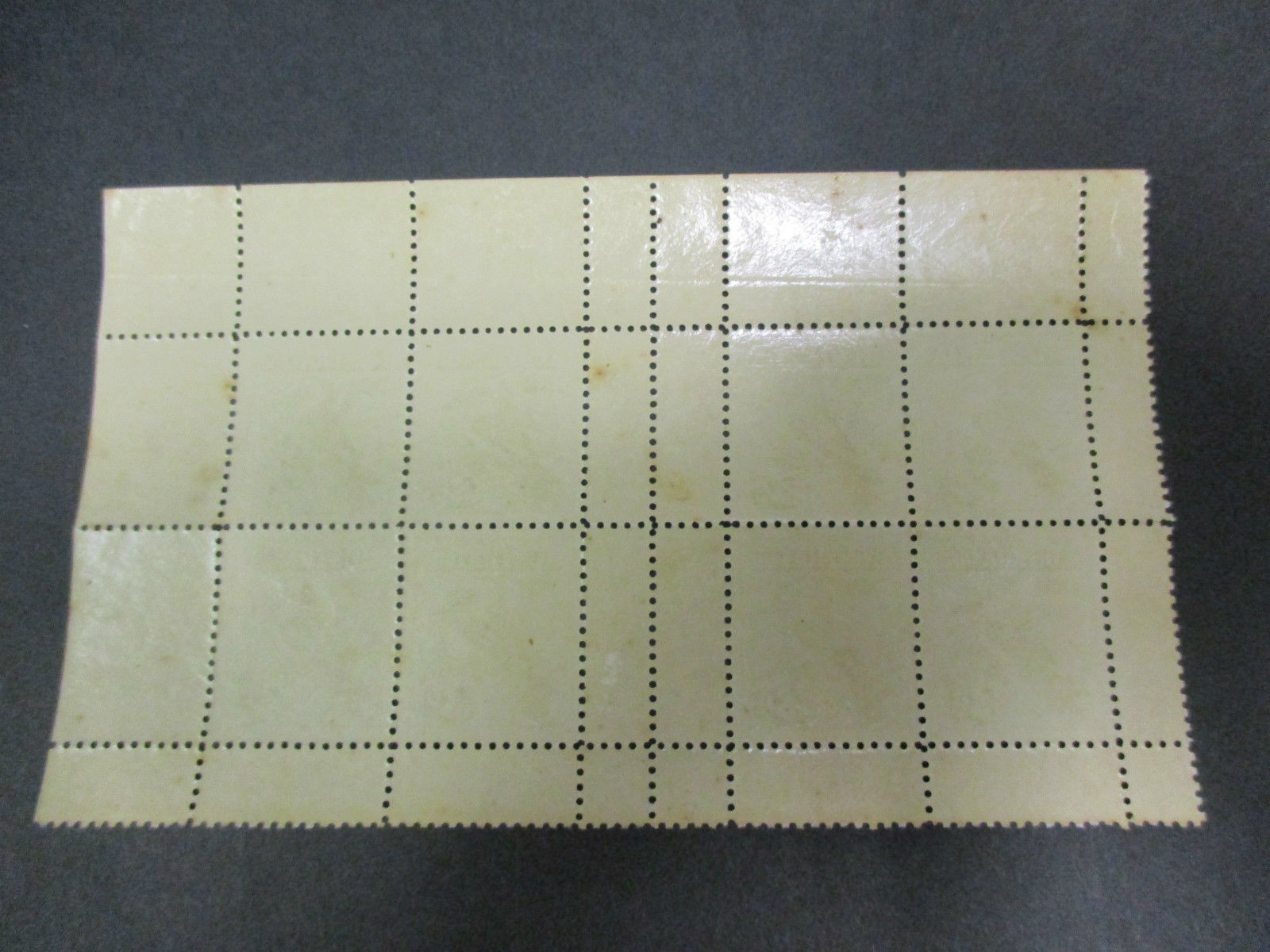 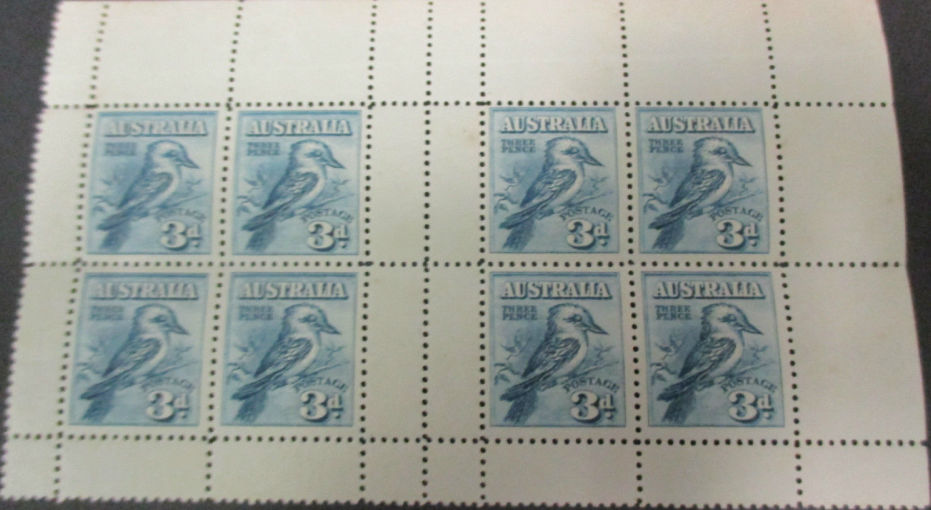 |
|
Send note to Staff
|
|
|
Pillar Of The Community
United Kingdom
8624 Posts |
|
|
Jason
Looks like foxing, unfortunately, which would have a material effect on value.
Geoff |
|
Send note to Staff
|
|
|
Moderator

United States
12330 Posts |
|
|
I concur, foxing is generally a fungus which is often found on gum.
Toning, on the other hand, is more of a paper issue. Most stamp and cover paper contains wood pulp, and in the wood pulp there something called lignin (lignin is an organic component that forms the cell walls in plants and trees). As the lignin breaks down in certain environments acid is formed and it is the acid which causes the toning of the paper.
Your stamps do not have toning, they have foxing.
Don |
|
Send note to Staff
|
|
|
Replies: 43 / Views: 18,509 |
|



 Posted 04/21/2010 1:39 pm


