| Author |
 Replies: 43 / Views: 18,510 Replies: 43 / Views: 18,510 |
|
|
|
Valued Member
Australia
5 Posts |
|
|
Ok thanks for your replies ....not super news!
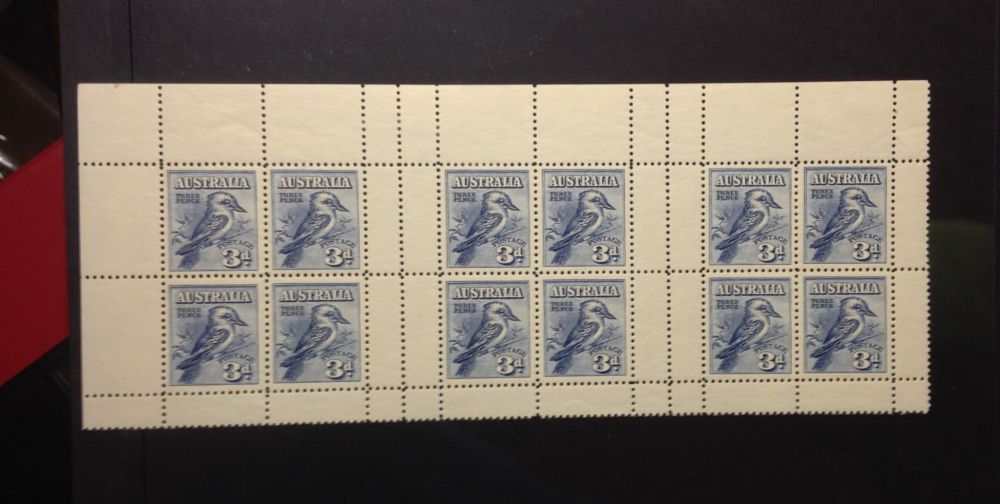
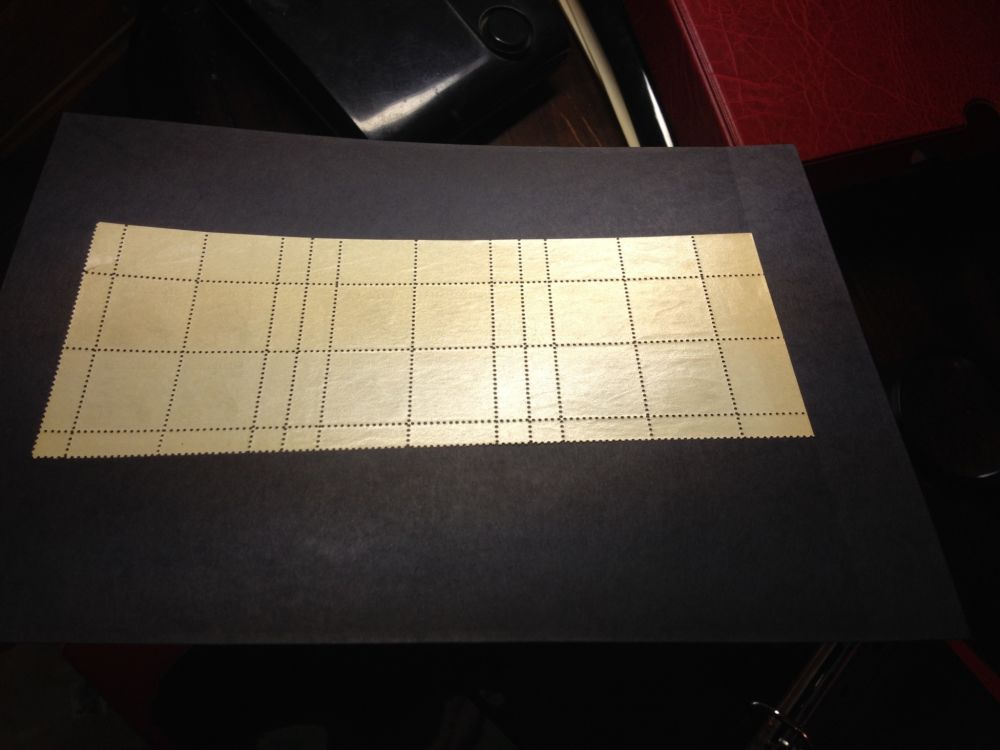
But these 1928 stamps are very rare in this combination so I might have to look at some way to treat the foxing that prevents its spread.
Open to any proven suggestions??
Out of interest I paid AU$680 so Im pretty keen to arrest its spread! |
Send note to Staff 
|
|
|
Pillar Of The Community
United States
1868 Posts |
|
|
The presence of foxing on gum basically rules out using chemicals to stop or reverse the effect, which can be used on paper, for example on rare books. Most likely your sole option is to store the item in a location with sustained relative humidity of less than 50%, as the mold cannot grow in that condition. In many cases, this will mean a sealed storage area or use of a dehumidifier. Research "How to reverse foxing" using an internet search engine. |
|
Send note to Staff
|
|
|
Pillar Of The Community
United Kingdom
8624 Posts |
|
|
Jason
Was the condition mentioned by the seller or was the back of the block shown? If nit, you may have some recourse. I've occasionally bought collections where a previous owner had plainly lived in a humid climate and had deliberately soaked the mint stamps to remove the gum, and thus preserve them. Drastic, but better than ending up with an album full of rust-coloured stamps!
Geoff |
|
Send note to Staff
|
|
|
Bedrock Of The Community
Australia
38679 Posts |
|
|
Valued Member
Australia
5 Posts |
|
|
Geoff the marks were pictured and the stamps where bought off ebay with a 7 day money back guarantee. As I've yet to receive them ,this option is still available which Im now considering. Unfortunate really as I've never seen this combination in a block before- rated Double Rare. Didnt realise the seriousness off the Foxing/Toning so its a bit of a bugger really! Maybe look at some of the preservation techniques Rod has supplied a link to. Thanks guys! |
|
Send note to Staff
|
|
|
Pillar Of The Community

United States
1951 Posts |
|
|
Jason,
Did the Seller post a picture of the back of the stamp? If so, it may be his ticket to avoid accepting the return. Please keep us posted.
Jack kelley |
|
Send note to Staff
|
|
|
Valued Member
Australia
5 Posts |
|
|
Well guys I spoke to the seller today and as they hadnt sent out the stamps yet they were happy to refund the money, ( havent received it yet so hope I have jinxed that !). So disapointing about not owning the block but in a bizzare turn of events I was picking up another block of four in Melbourne at a private residence (off ebay again) and low and behold this guy had another block of 12 MUH for sale, no foxing or toning.( it does have a slight tear in the sleavage on one cnr but that was it). I will have to post a picture because I think it is beautiful! The bizarre part was it was cheaper than what I was paying for the one with foxing. He was an older man in his 70s and is reasoning was he cant take them when he dies and his kids wouldnt know what the are worth! Sombre reasoning indeed but seeing as Im in my early 40s I should be able to enjoy them for another 30 years with any luck :) Anyway than you for all your replies regarding this matter! |
|
Send note to Staff
|
|
|
Valued Member
Australia
5 Posts |
|
|
Pillar Of The Community
United States
856 Posts |
|
|
Moderator

United States
12330 Posts |
|
|
Pillar Of The Community
United States
809 Posts |
|
|
OK, but what about the term "toned paper" that Scott uses to describe stamps intentionally printed on paper that's "off-white," distinguishing them from look-alikes printed on "white paper" (e.g., Bavaria #58 vs 58a, #60 vs 60a). I tear my hair trying to identify such stamps, since nearly all my older stamps are on paper that's no longer simply "white"? After 100 years or so even those that were printed only on white paper have a "brownish or buffish tinge" (L.N. Williams, Fundamentals of Philately)? How do others deal with this problem? |
|
Send note to Staff
|
|
|
Valued Member
United States
466 Posts |
|
|
Quote:
How do others deal with this problem? The same way I handle subtle color shades: get a bunch of examples of the stamps. When you have enough, you can usually start to see the difference in color of the stamp/paper, and then you can often group them accurately, even with the effects of aging, oxidation, etc. Experience and reference material together usually do the job. You might still have a few stamps that are indeterminate, just because they either look different from the rest, or they appear directly in-between two shades. Those you'll have to get more examples to identify, usually. EDIT to add: For more expensive stamps, you may need to build your reference group out of damaged/off-center examples. Space fillers can have a purpose in a serious collection. Or you can submit them for expert certification, of course. |
|
Send note to Staff
|
| Edited by codehappy - 02/24/2019 2:25 pm |
|
|
Pillar Of The Community
United States
809 Posts |
|
|
Good advice. I'd already started a reference collection for color. I'll start one now for toned paper issues as well. Biggest concern is when stamps that were issued only on white paper look more toned (i.e., have a "brownish or buffish tinge") than stamps that were issued only on toned paper. Hope that in time experience plus reference material can result in at least some positive IDs. (But really, "buffish tinge"? I already have trouble telling light blue from ultra.) |
|
Send note to Staff
|
|
|
Replies: 43 / Views: 18,510 |
|



 Posted 10/15/2016 8:33 pm