Just did some more research...took a bit more searching.
Found this link:
https://storiapostalefilatelia.weeb...ncatura.htmlPart of an article by Piga that seems to give an introduction about the cancel, had to use google translate though, but still seems understandable
Found this link:
http://www.lanternafilnum.it/%EF%BB...onio-a-piga/look like a presentation by Piga regarding the cancel
To summarize (if I interpreted it correctly):
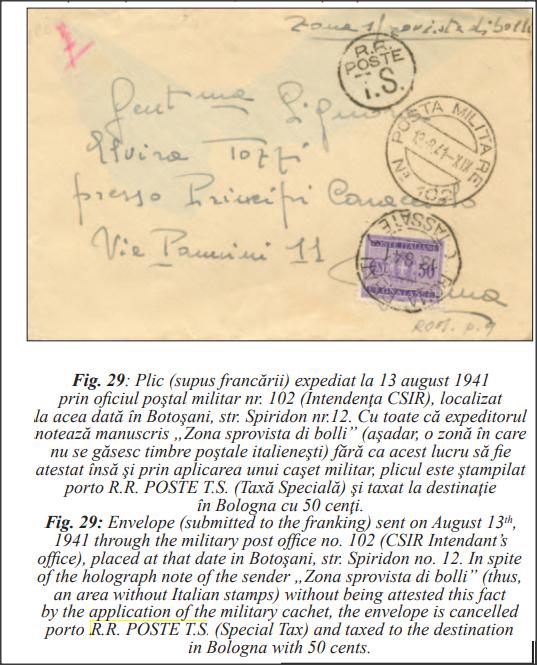
It's basically a postage due mark? Maybe originally used early in 20th century (first in 1906?) on some soldier mail that had insufficient postage. Then later it became used on mail with insufficient postage (that was posted in a mailing box, as opposed to being presented at a post office counter). During WWII, it was used in Italian Social Republic during the postal system confusion with changing governments and self-imposed stamp shortages (due to destroying stamps with kindom imagery). It seems it was also used along with postage as well, when there was insufficient postage.
Since my stamp is from the early 1950's, this practice must have continued after WWII. Since the mark appears on a stamp, this must be a case of partial payment of the postage, with the mark indicating that more must be paid.
In the "Postage Complements" section of the first link, it's interesting to note that Piga writes (after translation),
Quote:
"It is perhaps superfluous to point out the infrequency of these procedures, which make these documents particularly interesting for collectors."
This seems to indicate that this practice was not common.
Also, to quote a quoted postal bulletin from the first link(translated),
Quote:
"Postal officers tax the letters contained in the folds to the established extent, and in addition to the date stamp they affix the legend TS (special tax) on the letters themselves, with stamp or handwriting, as a recognition mark."
This seems to indicate the mark should be on the letter itself, probably not the stamp.
So not common practice, not common placement? Not sure exactly what the RR stands for, but I think one of them is "Regie", having to with the royal postal system or something. From above, T.S seems to stand for "Tax Special".
I welcome any thoughts on my analysis!





 Posted 12/18/2021 05:04 am