| Author |
 Replies: 11 / Views: 1,343 Replies: 11 / Views: 1,343 |
|
|
Valued Member
United States
22 Posts |
|
|
|
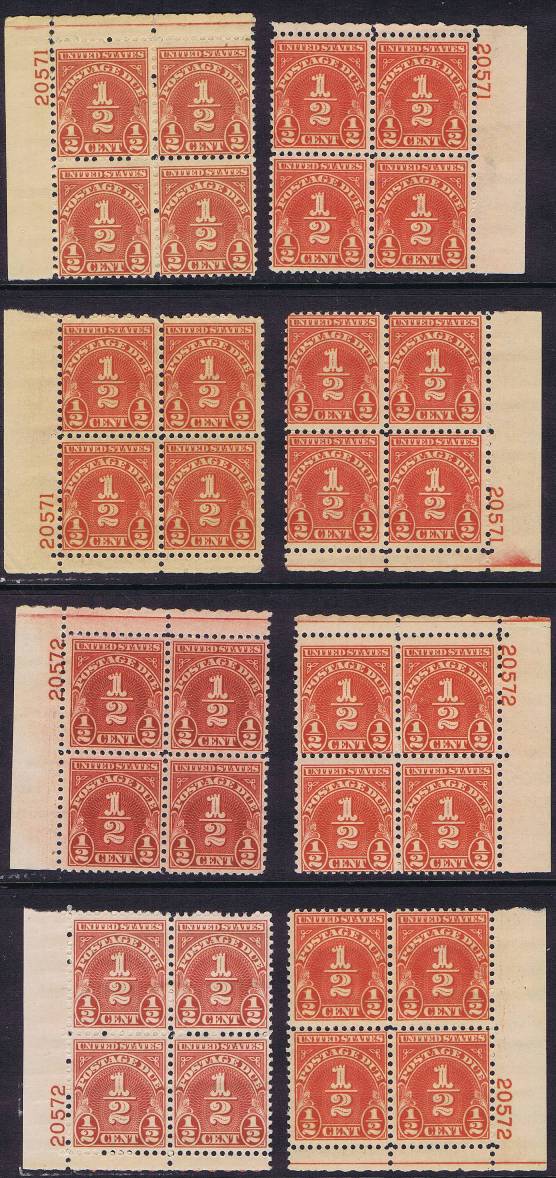
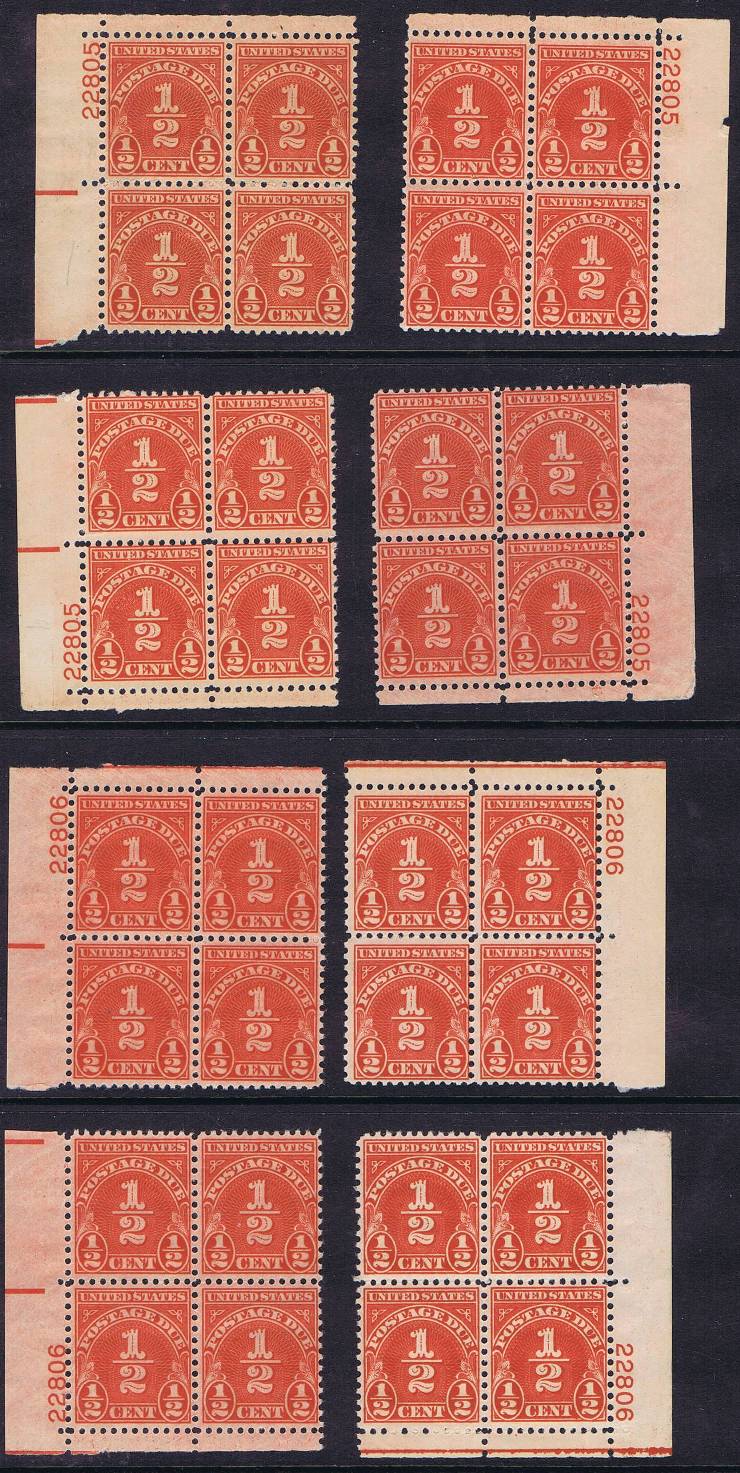
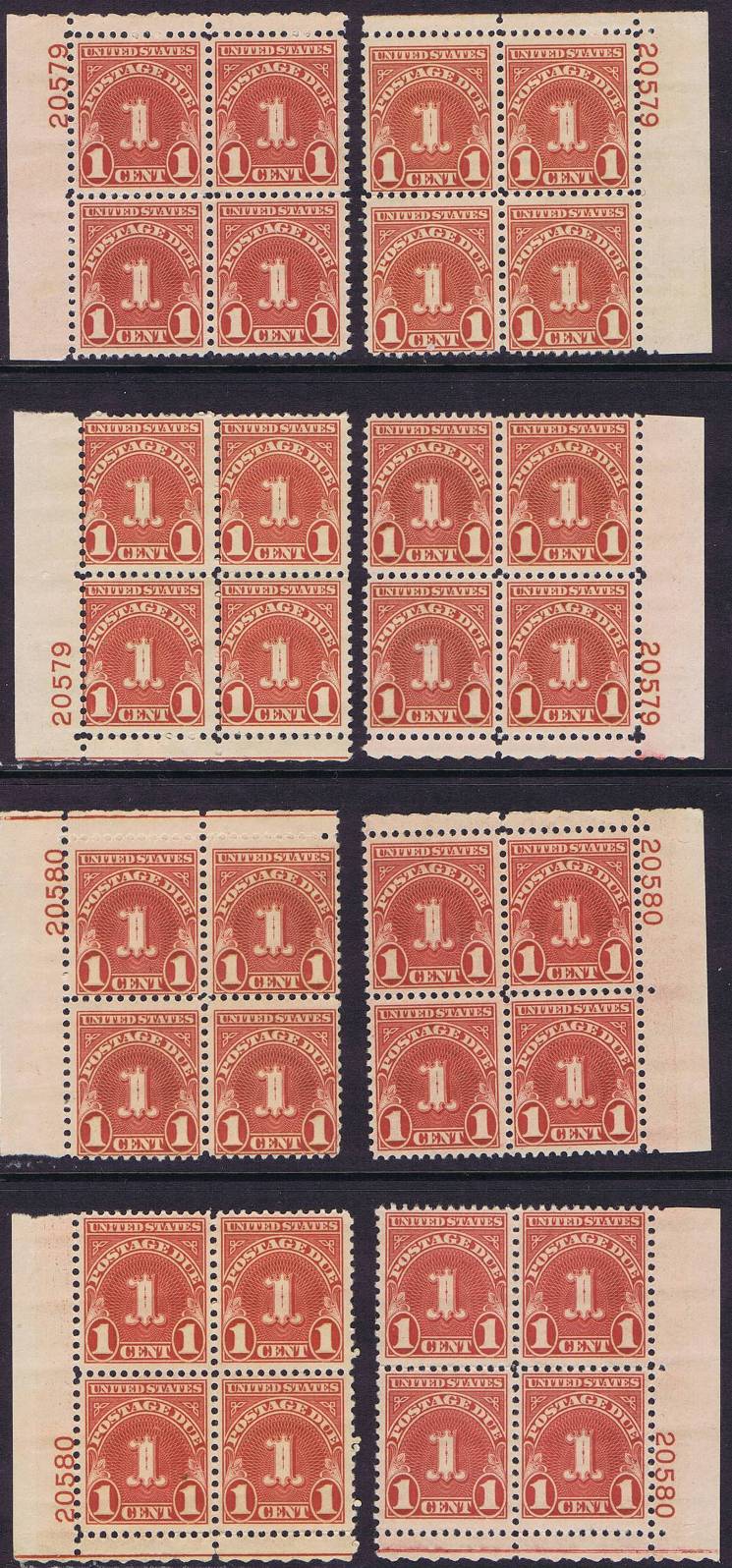
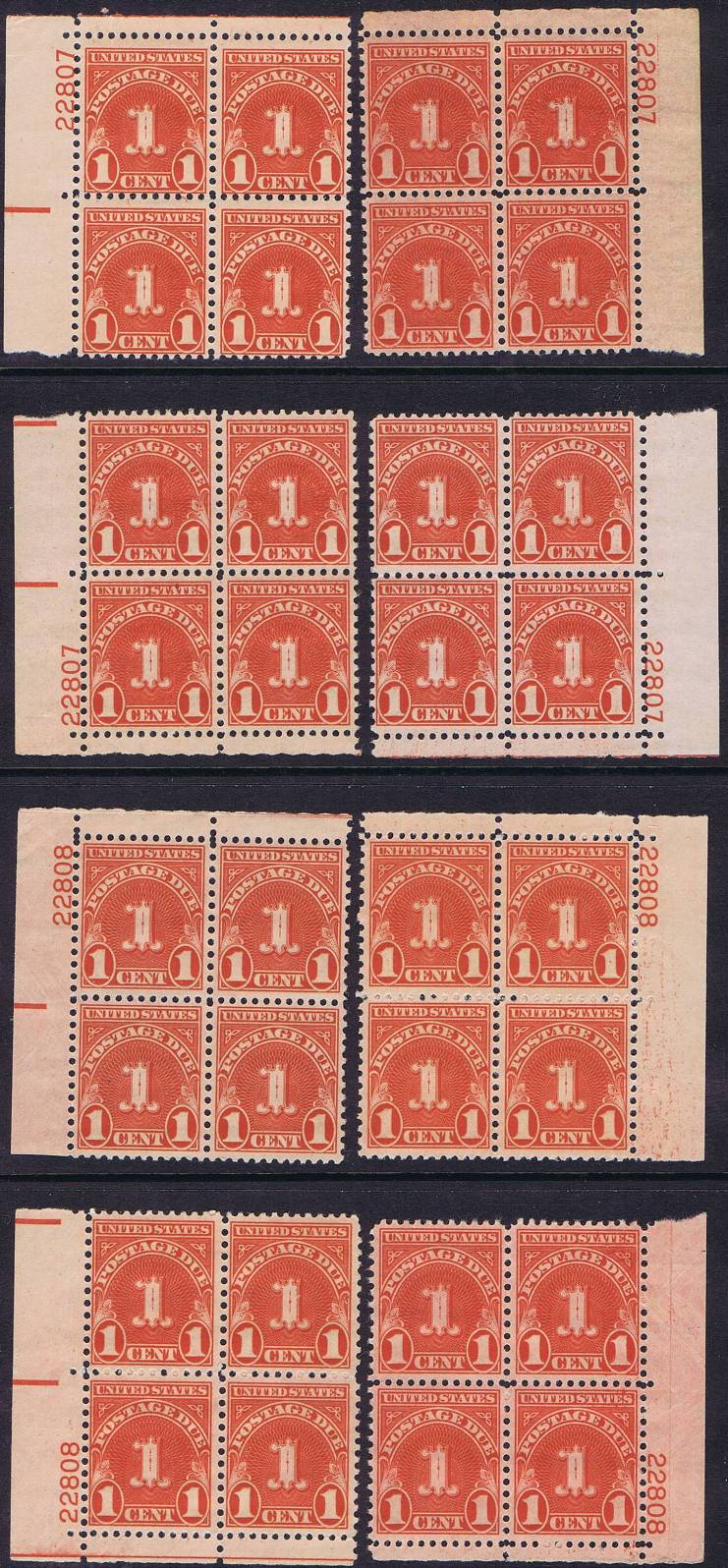
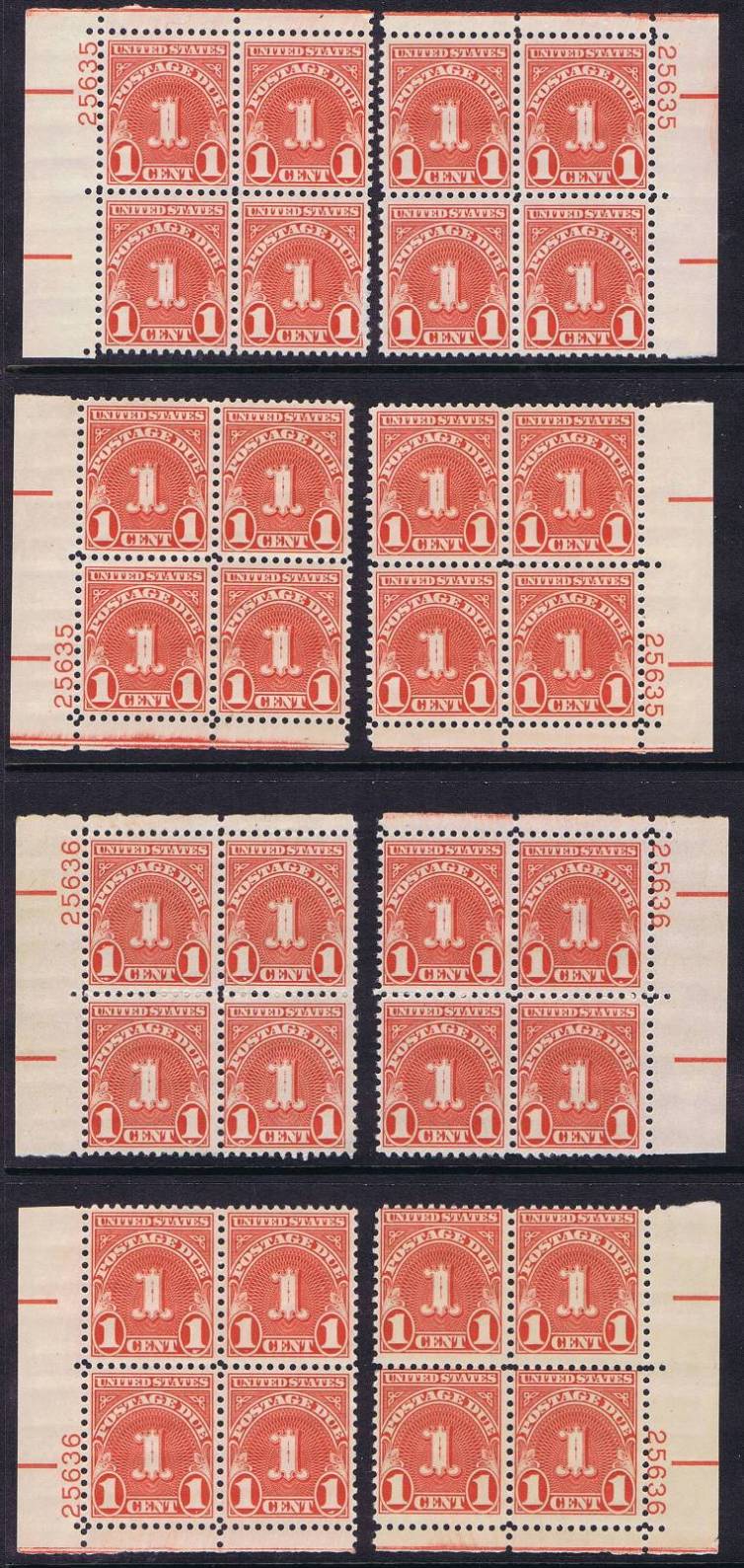
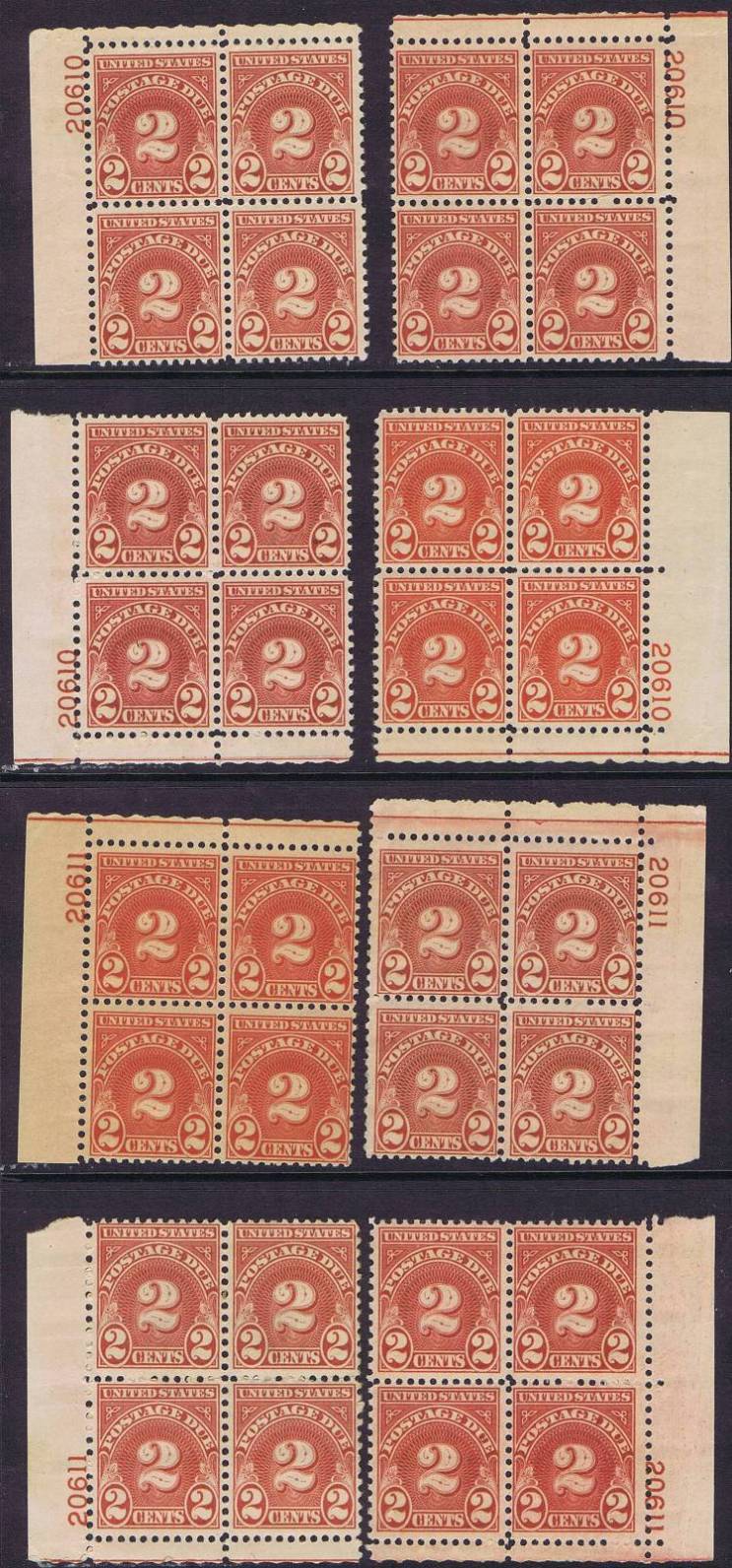
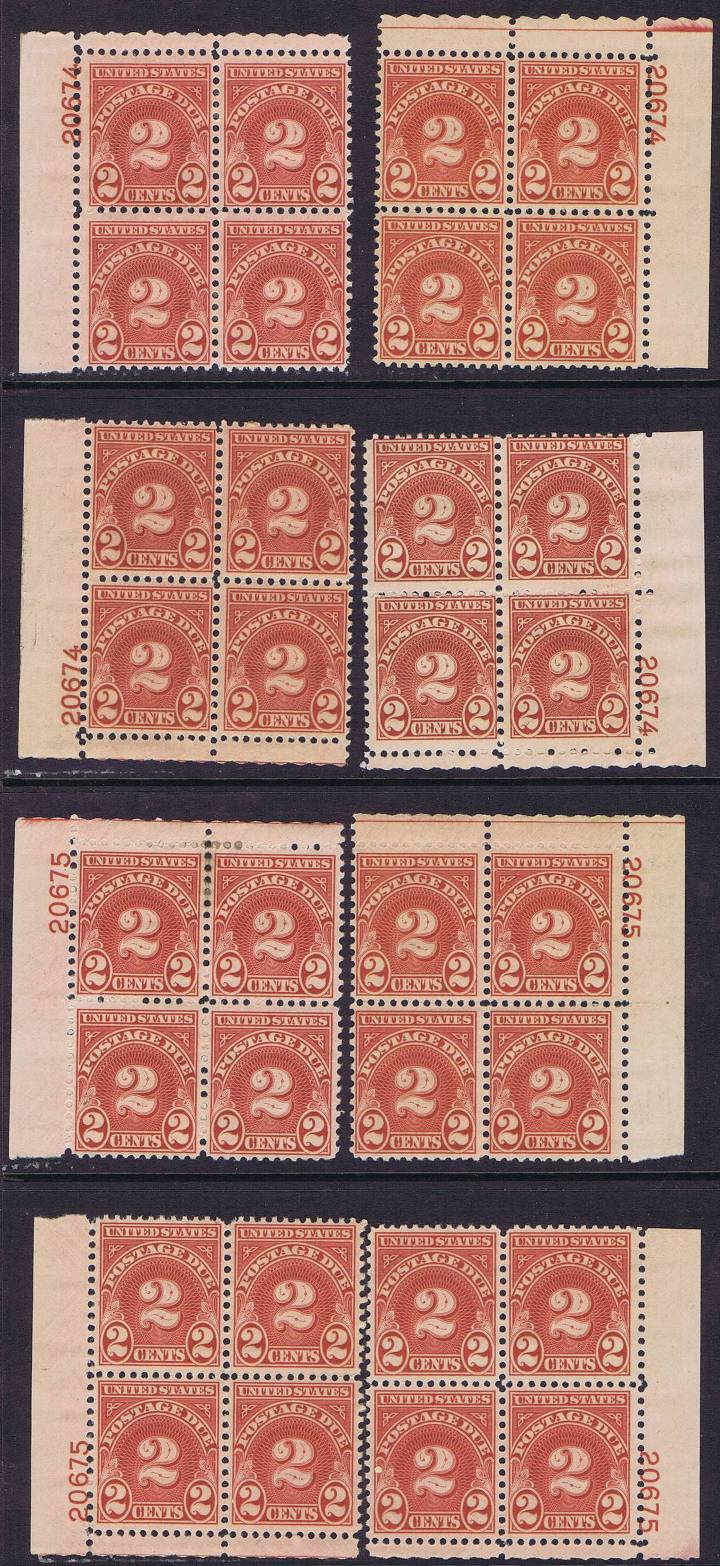
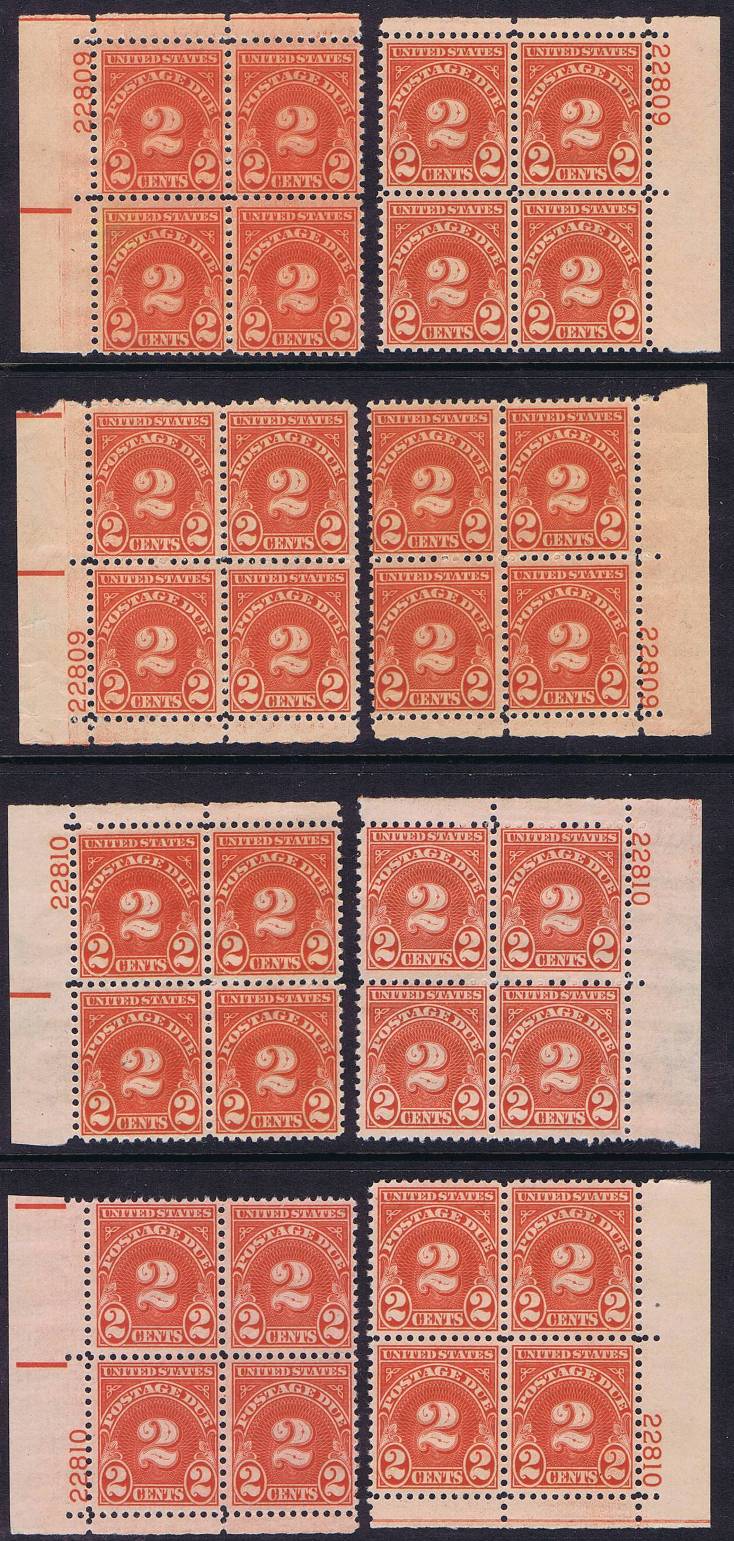
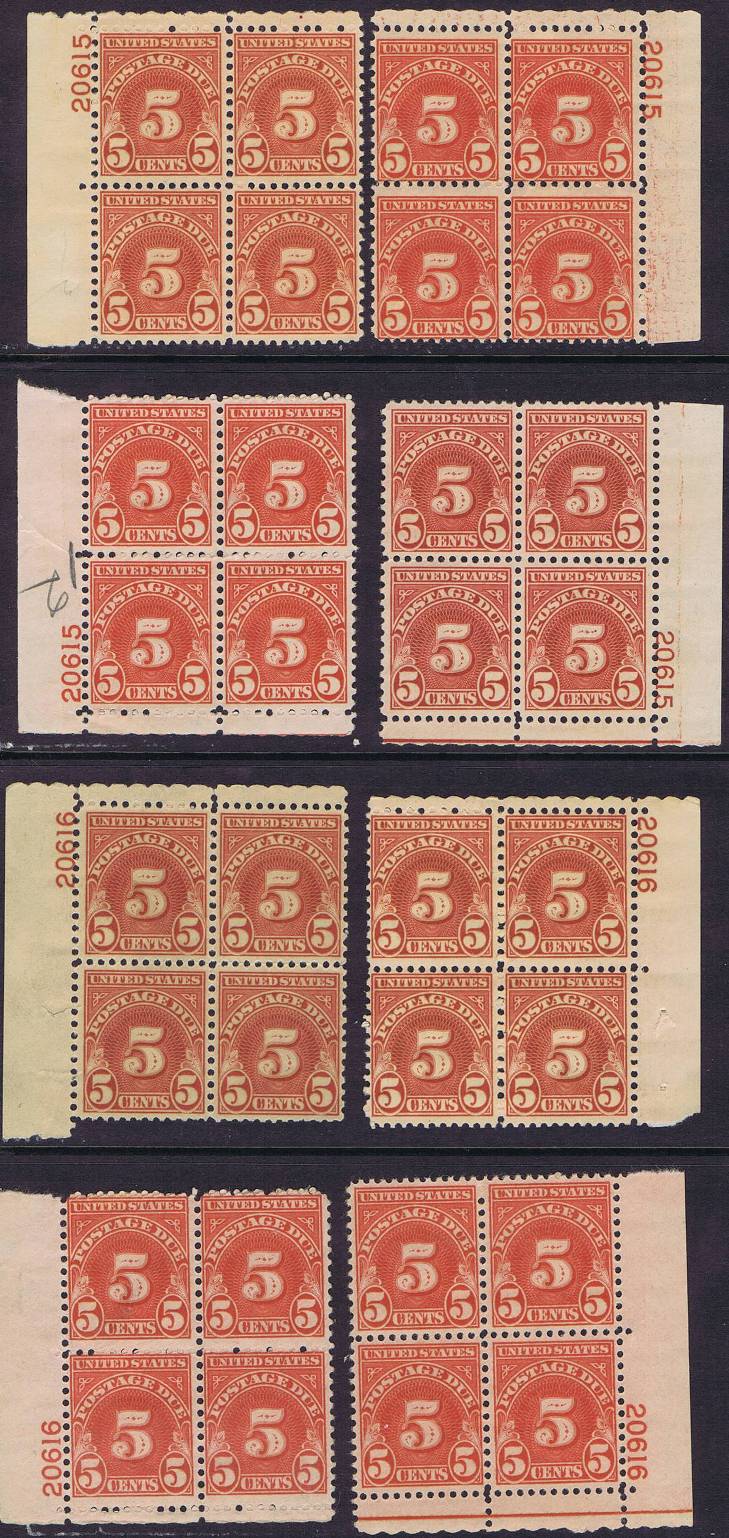
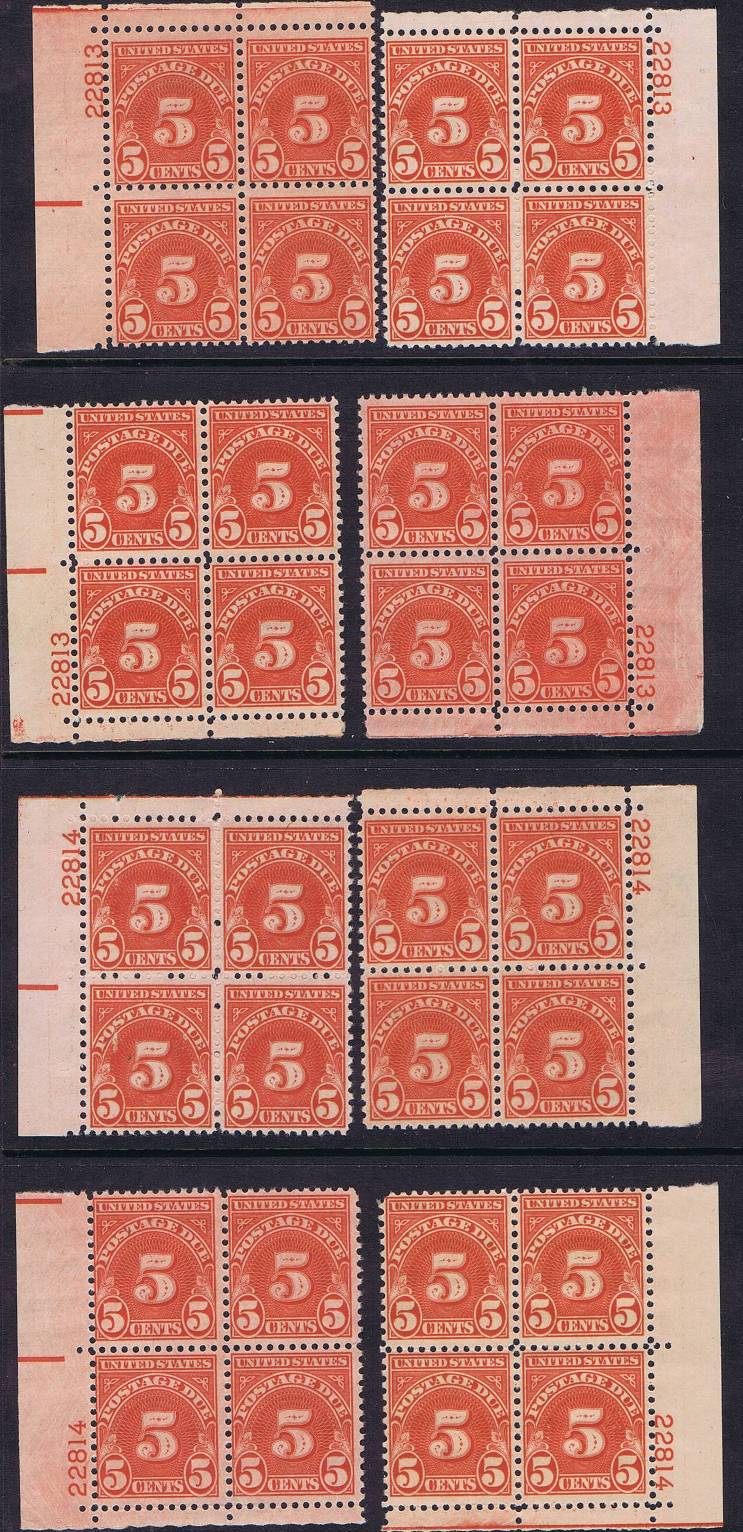
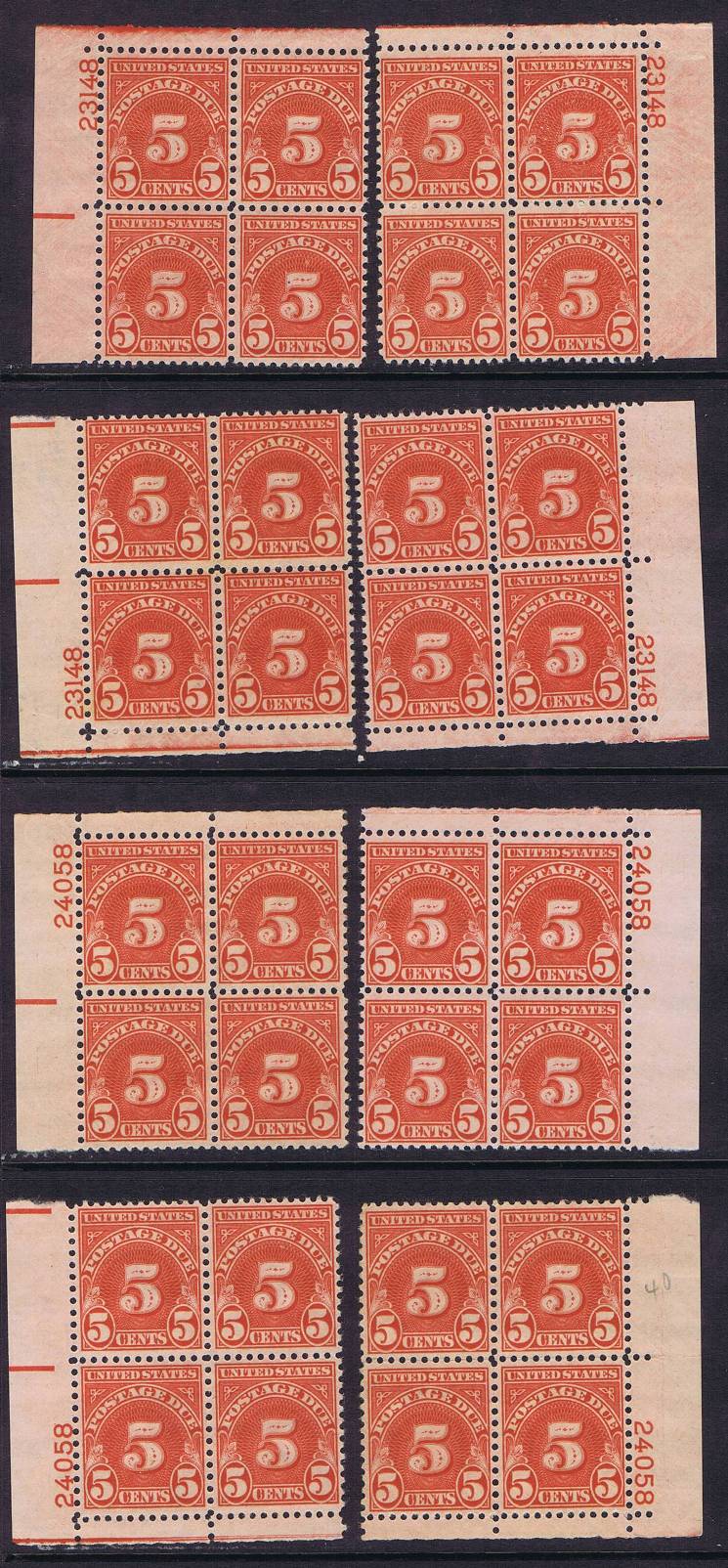
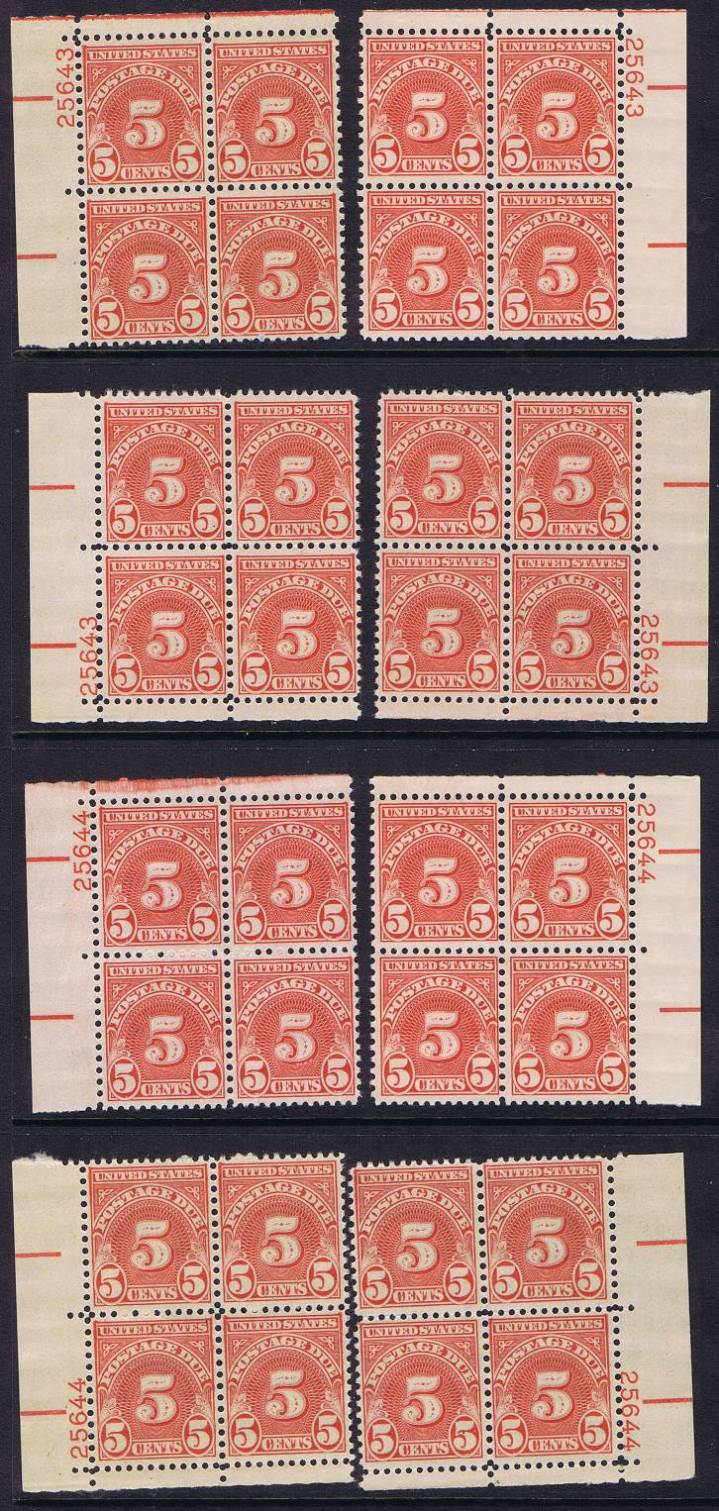
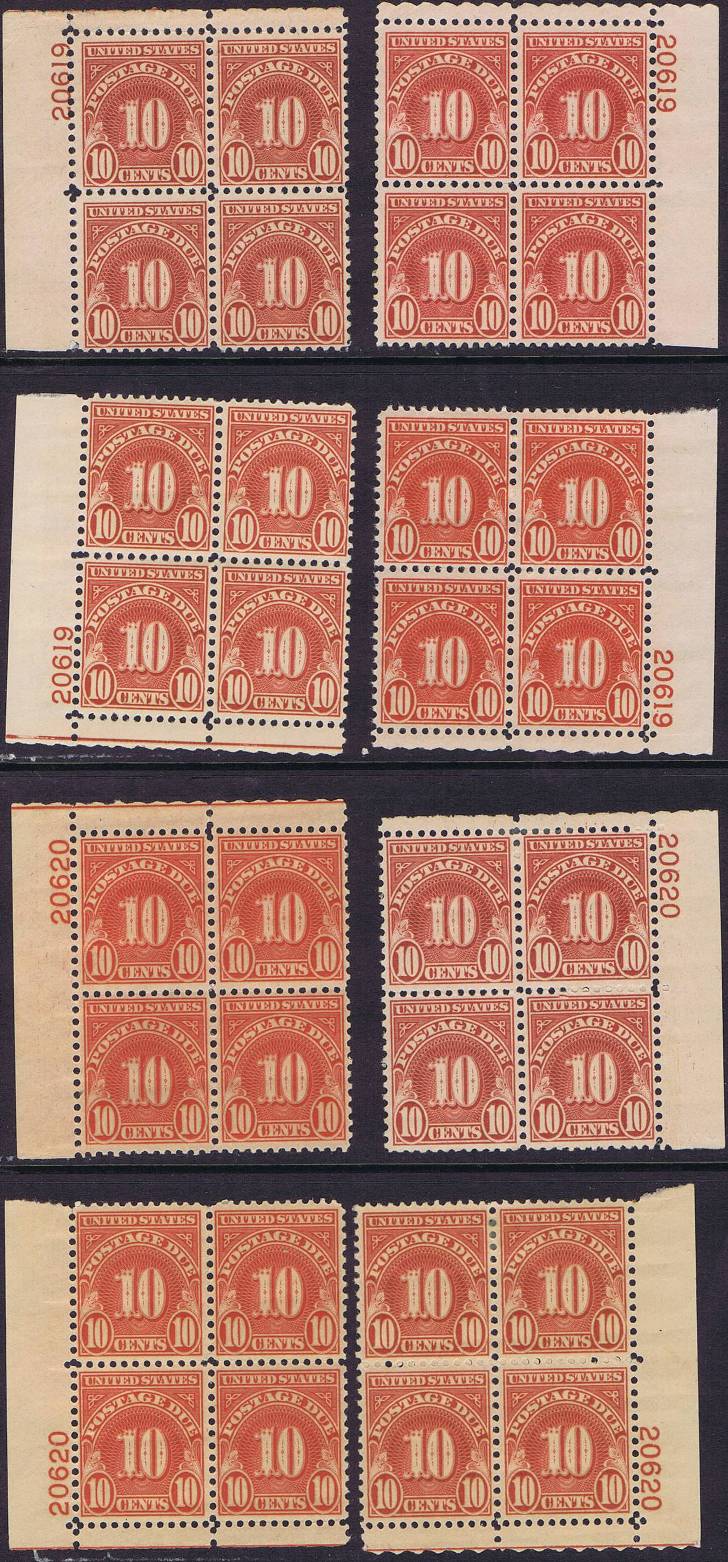
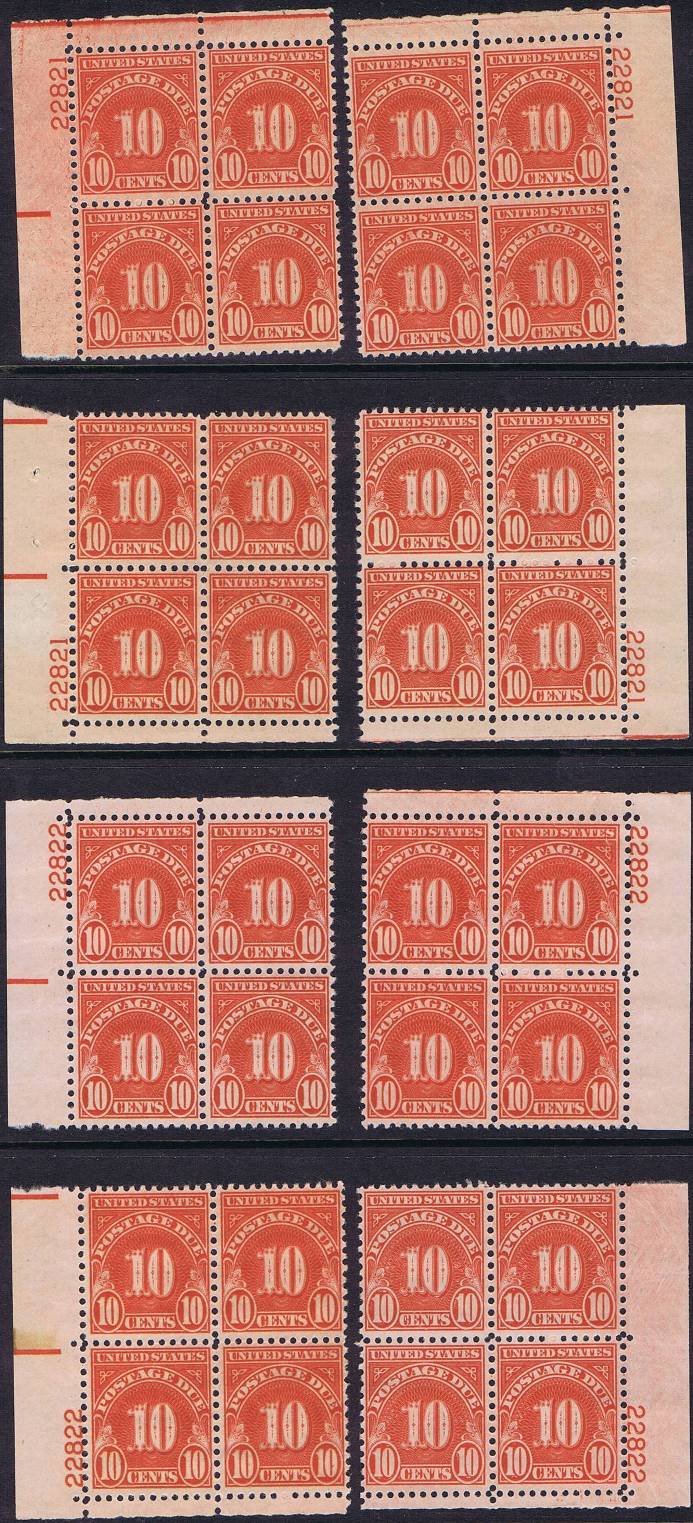
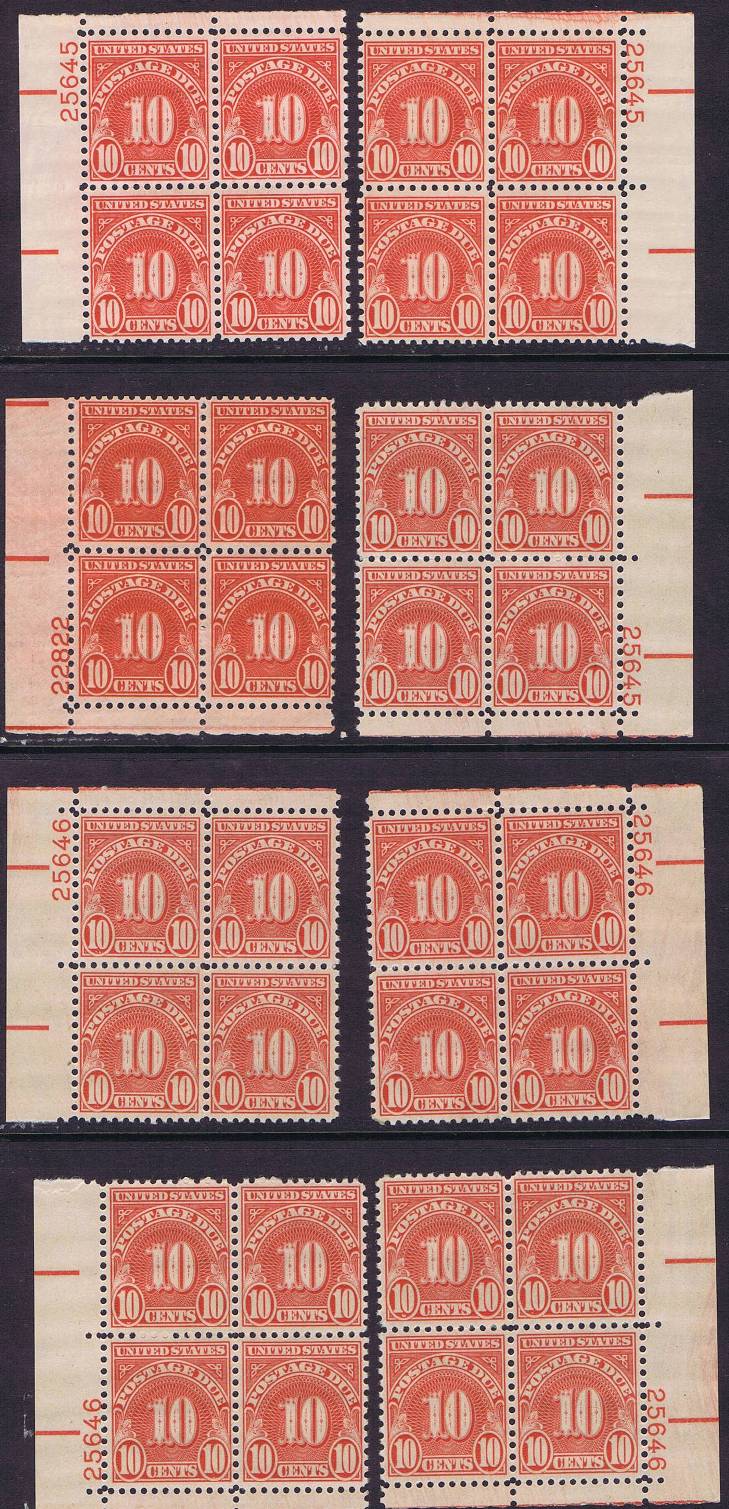
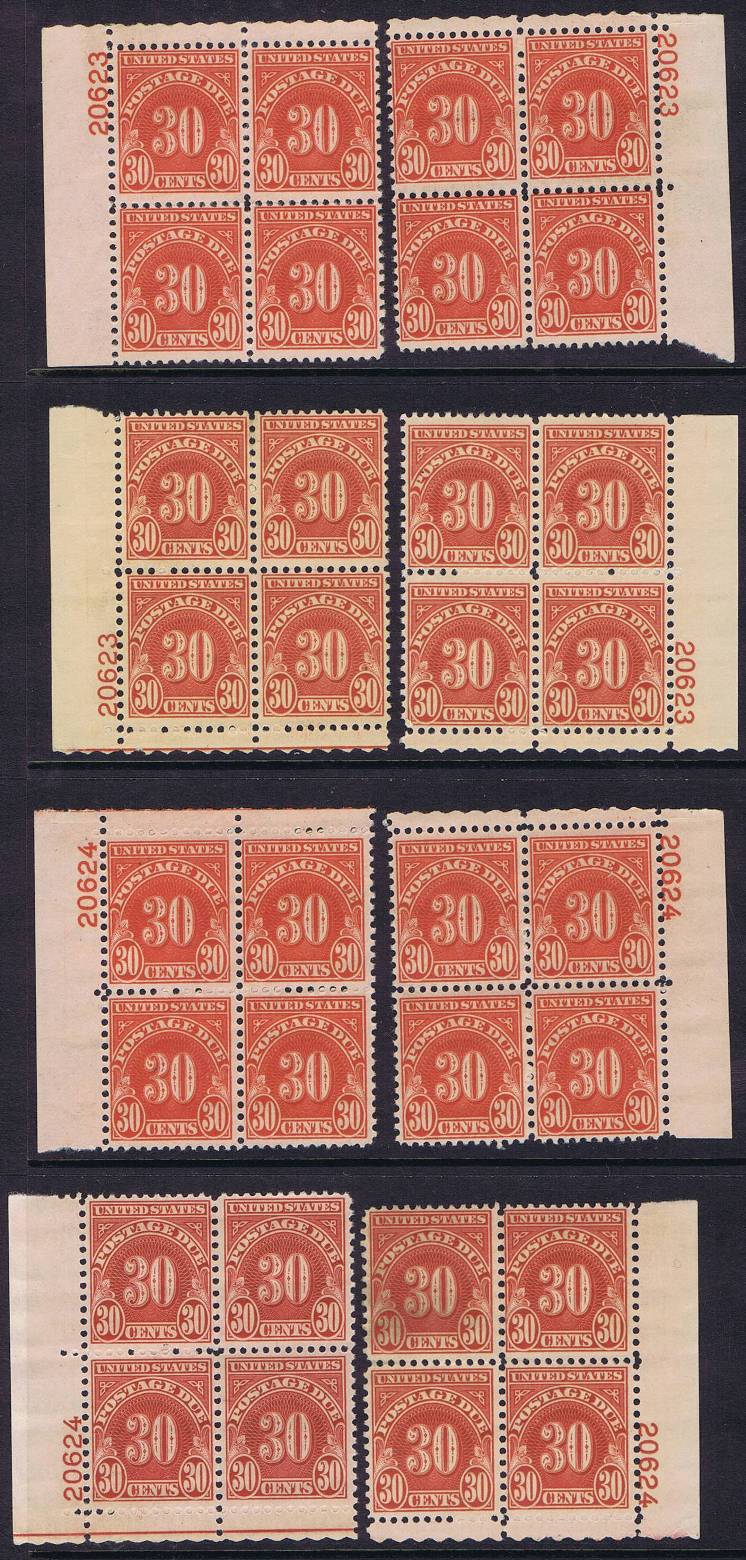
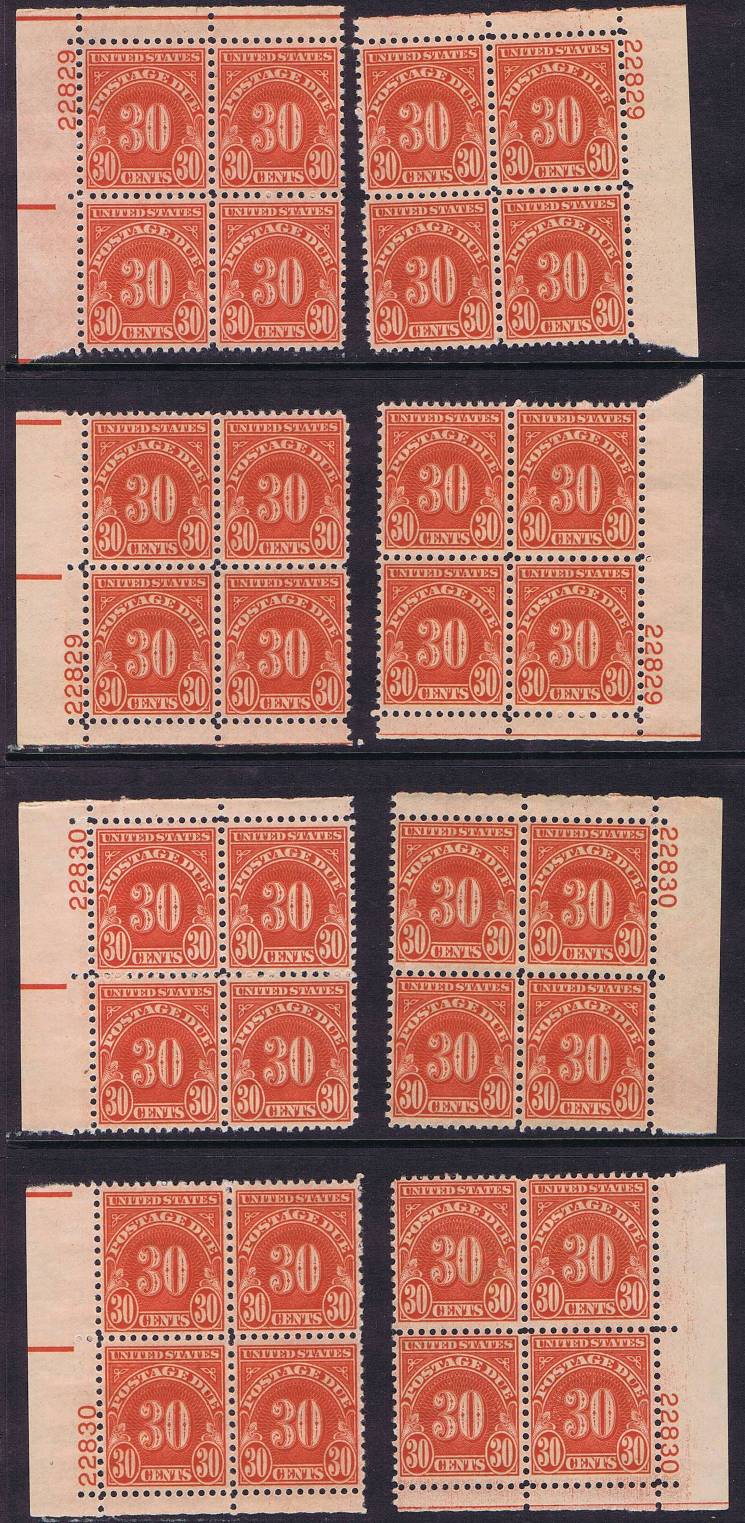
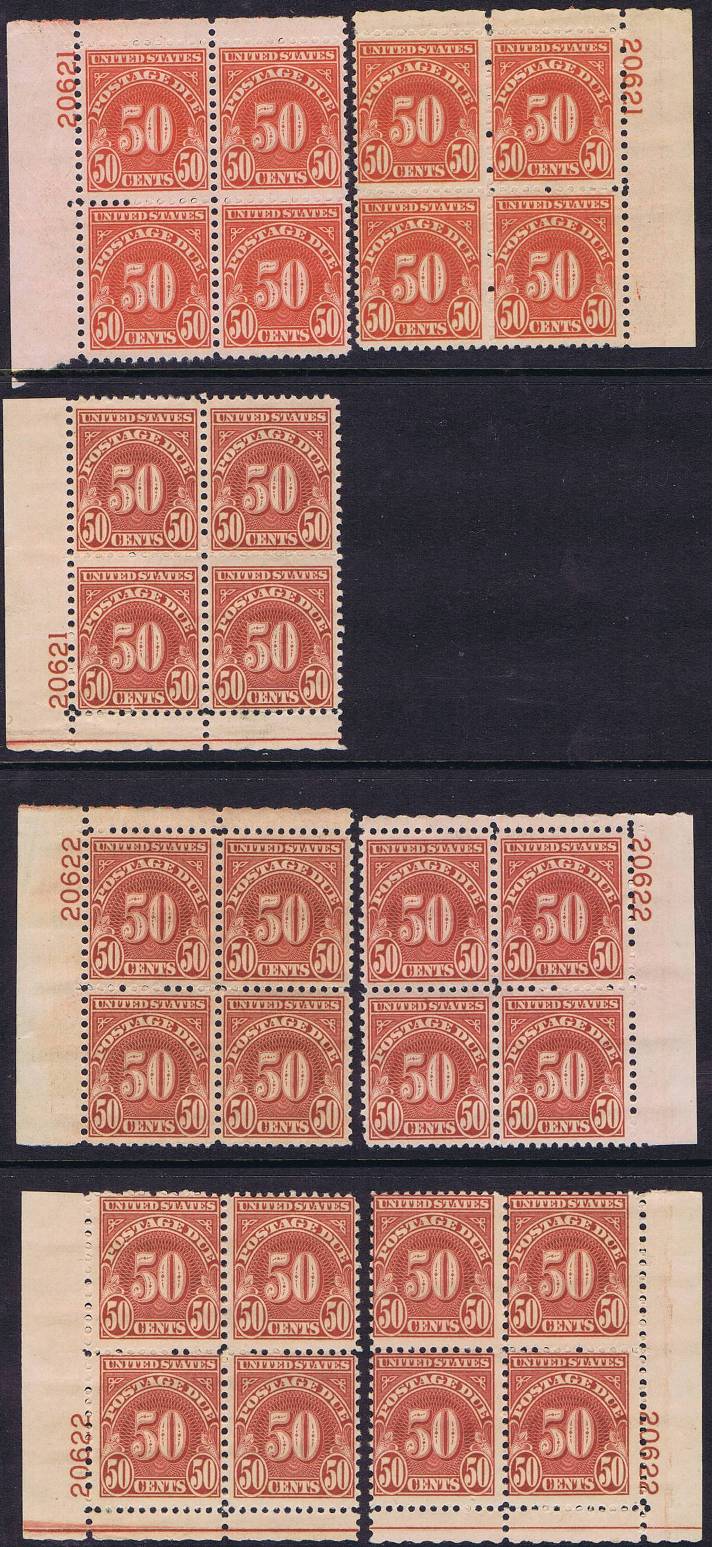
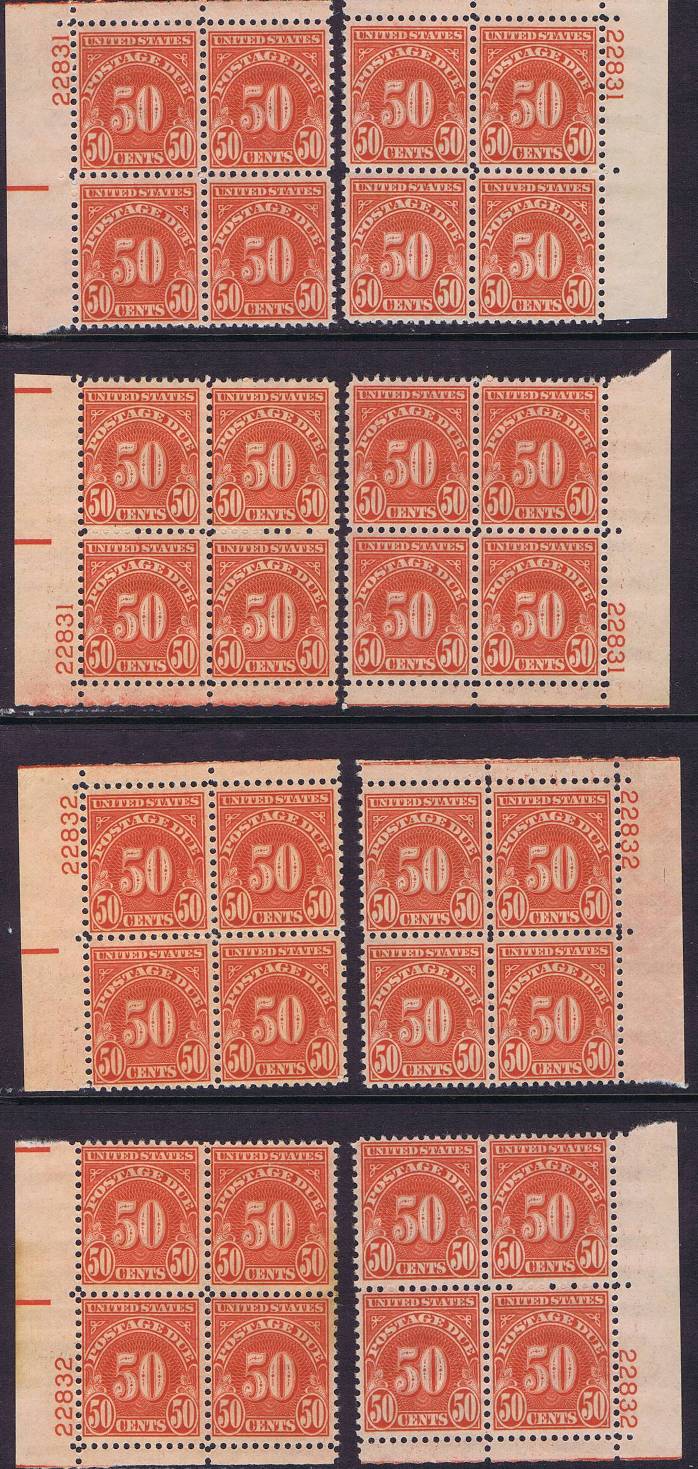
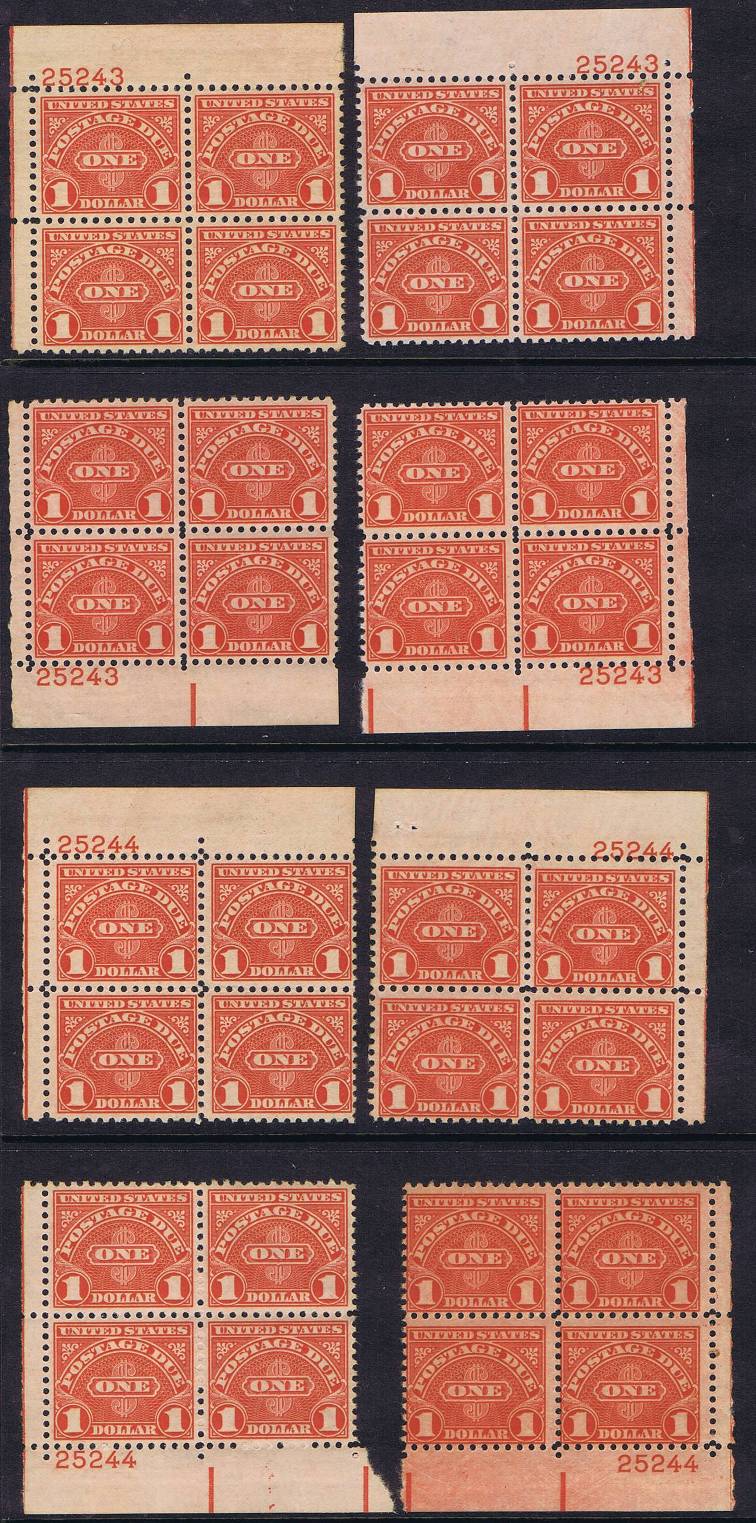
I am starting to look at collecting this issue series, but I have a question I hope someone can answer for me. I understand the Dry Printing editions and with the plate numbers those are easy. But the Wet varieties are the problem. There are "Dull Crimson", "Scarlet", "Pre-Electric Eye", and "Electric Eye" variations for some of the members of this series. So were all of the pre-electric eye issues the dull crimson, and all of the electric eye issues the scarlet, or were there dull crimson and scarlet varieties in both issue varieties. Just trying to figure out if I need to collect 2 or 4 examples of each issue that was both dull crimson and scarlet. So, is there a dull crimson AND a scarlet for both the pre-electric eye and the electric eye varieties?
*** Moved by Staff to a more appropriate forum. ***
|
|
Send note to Staff
|
|
|
|
|
Pillar Of The Community
United States
836 Posts |
|
|
Valued Member
United States
22 Posts |
|
|
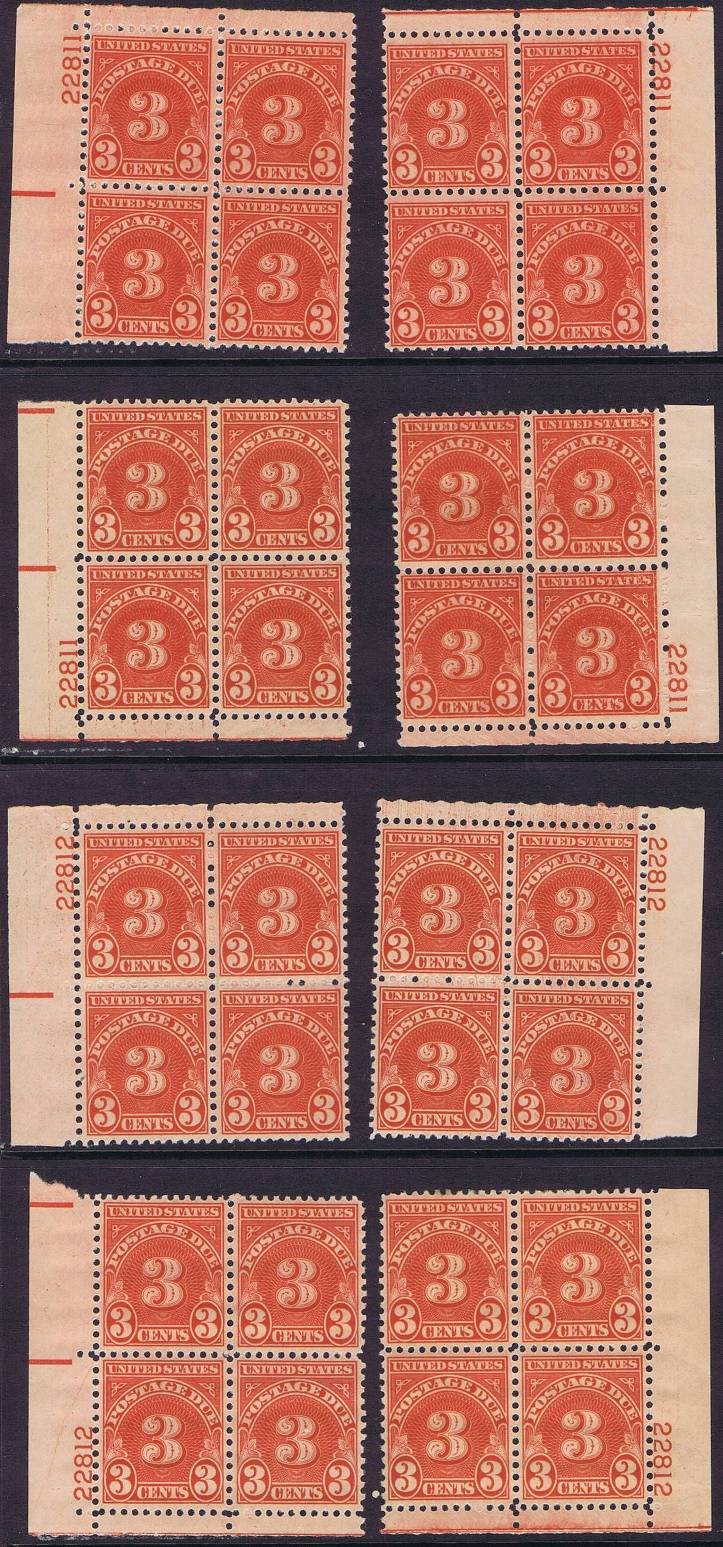
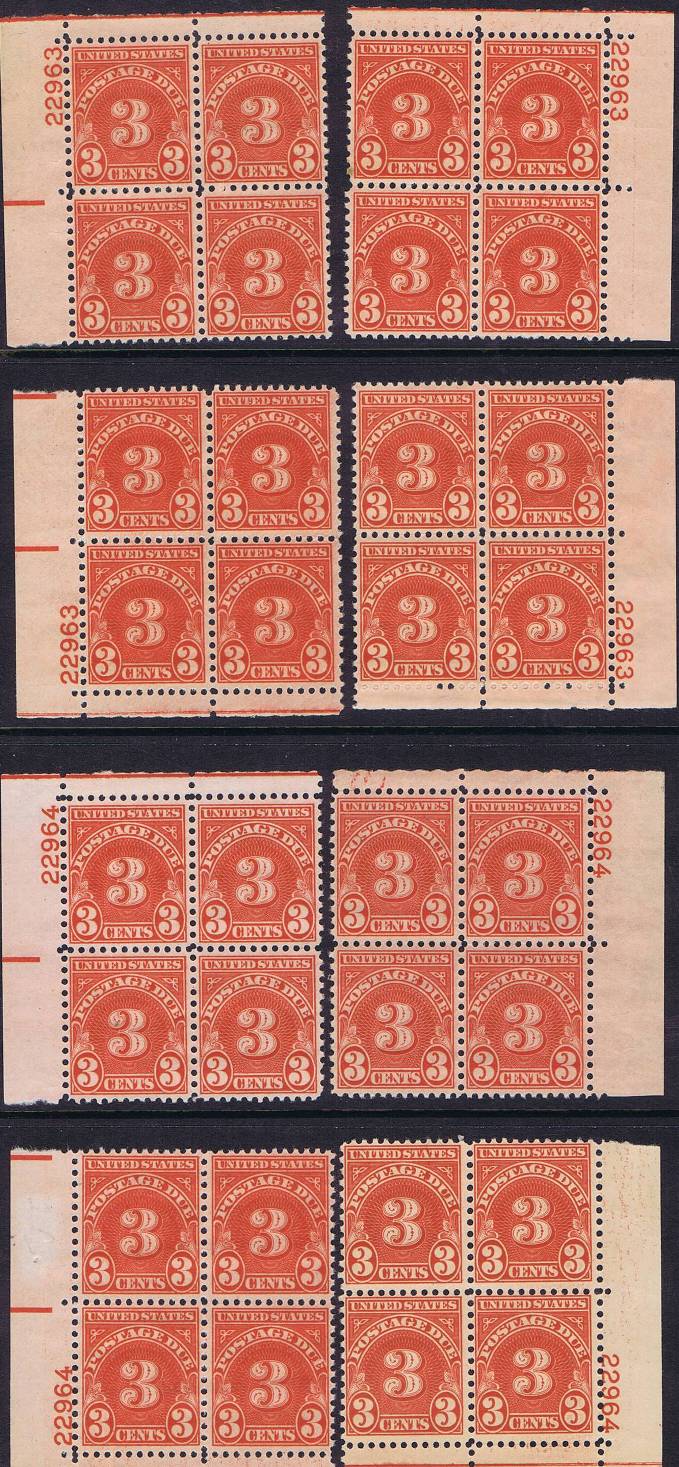
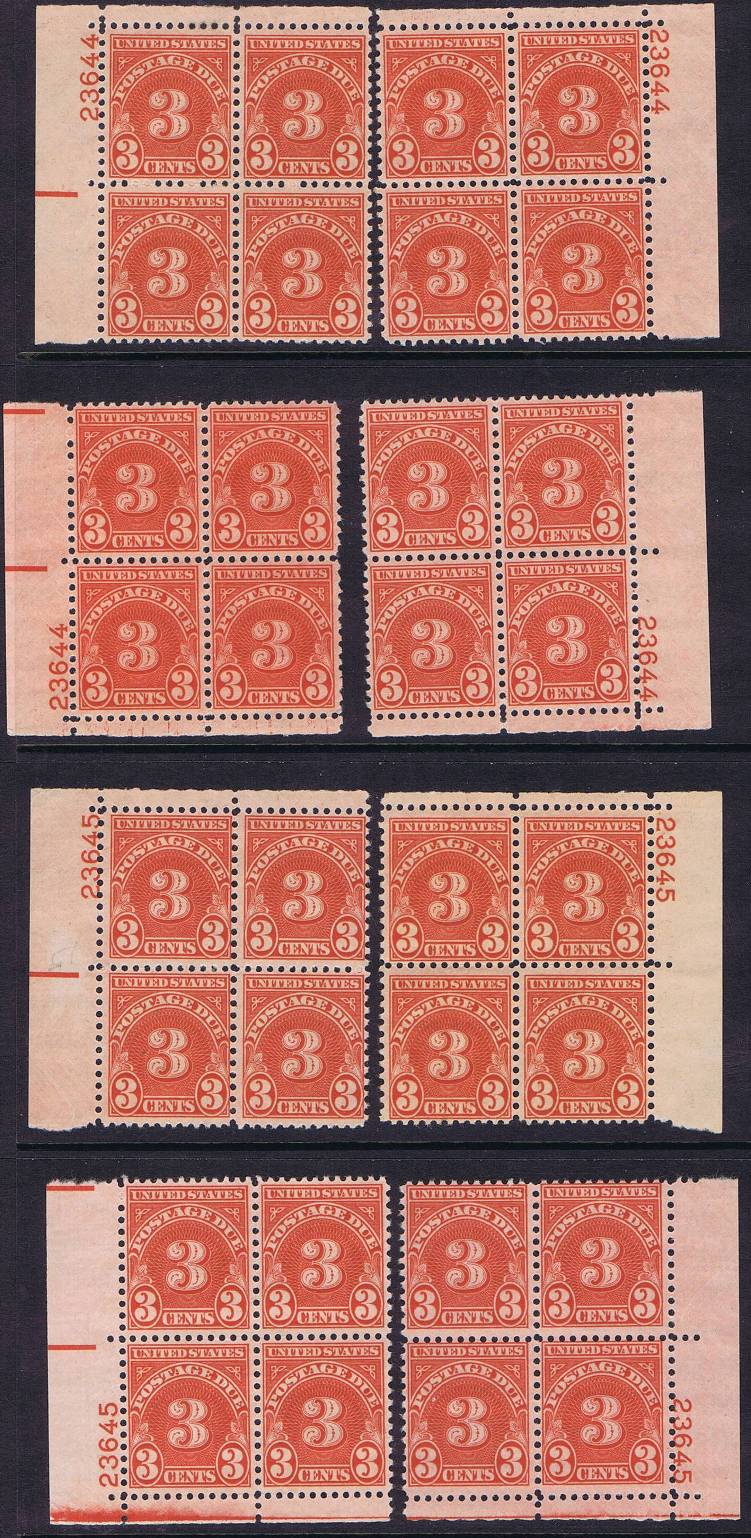
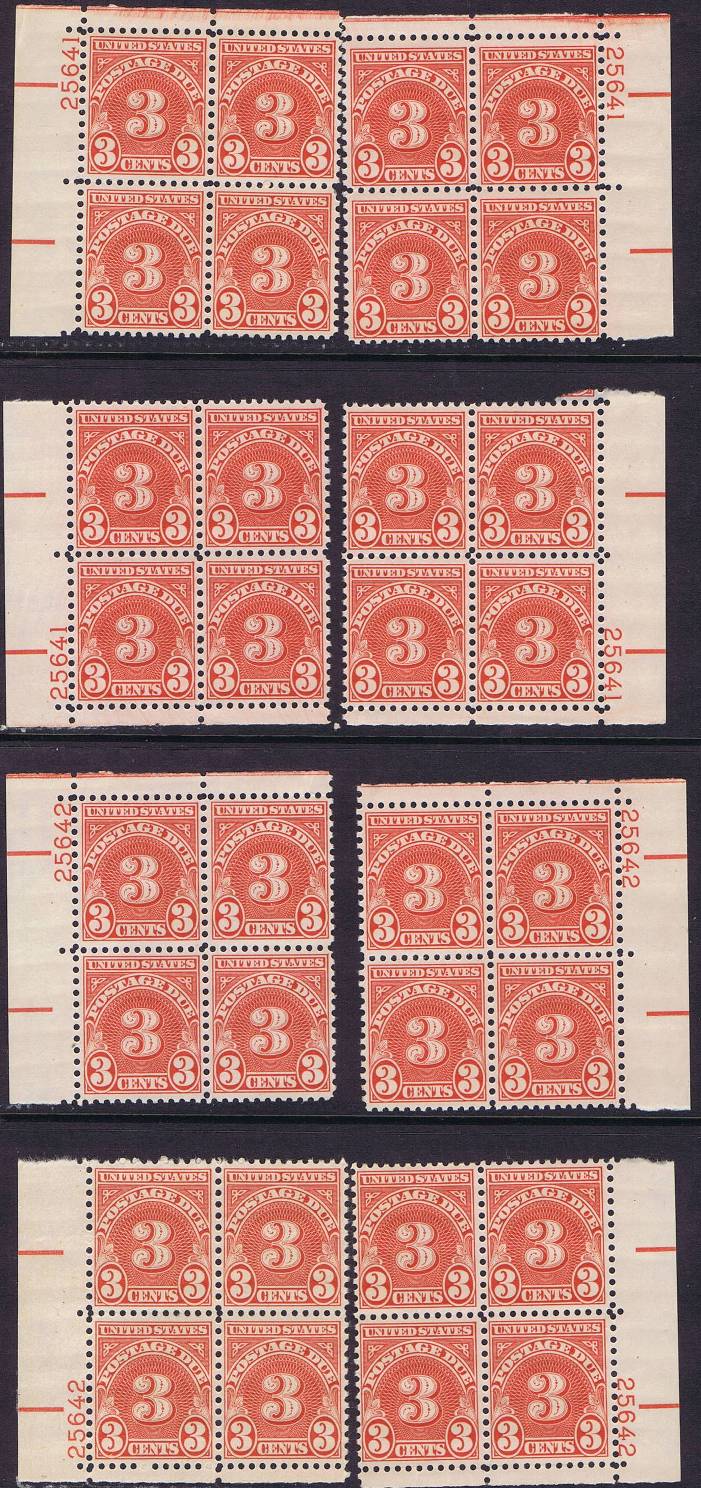
I was hoping you would be the one to answer. I agree that there are many variations in shades. That is part of the dilemma when color is involved. As I examine your selections, it is obvious to me that the dull crimson AND the scarlet colors (with variations of each) were prevalent on both the Pre-EE and the EE varieties. So in order to collect the series, I would need a candidate example for each of the 4 varieties. A dull crimson AND a scarlet for each Pre-EE and each EE issue. Does that about sum up what you displayed?? |
Send note to Staff 
|
|
|
Valued Member
262 Posts |
|
|
Awesome group of postage due matched sets there. Lots of work putting that together!
Bob |
|
Send note to Staff
|
|
|
Pillar Of The Community
6358 Posts |
|
|
The switch from dull carmine to scarlet occurred c1943. The Scott catalog renumbered these (correctly, imo) a couple of years ago in printing order to have the basic number be the dull carmine, the "a" suffix be the scarlet, and the "b" suffix be the dry printings. The catalog listings just prior to these changes were confusing and contain factual errors.
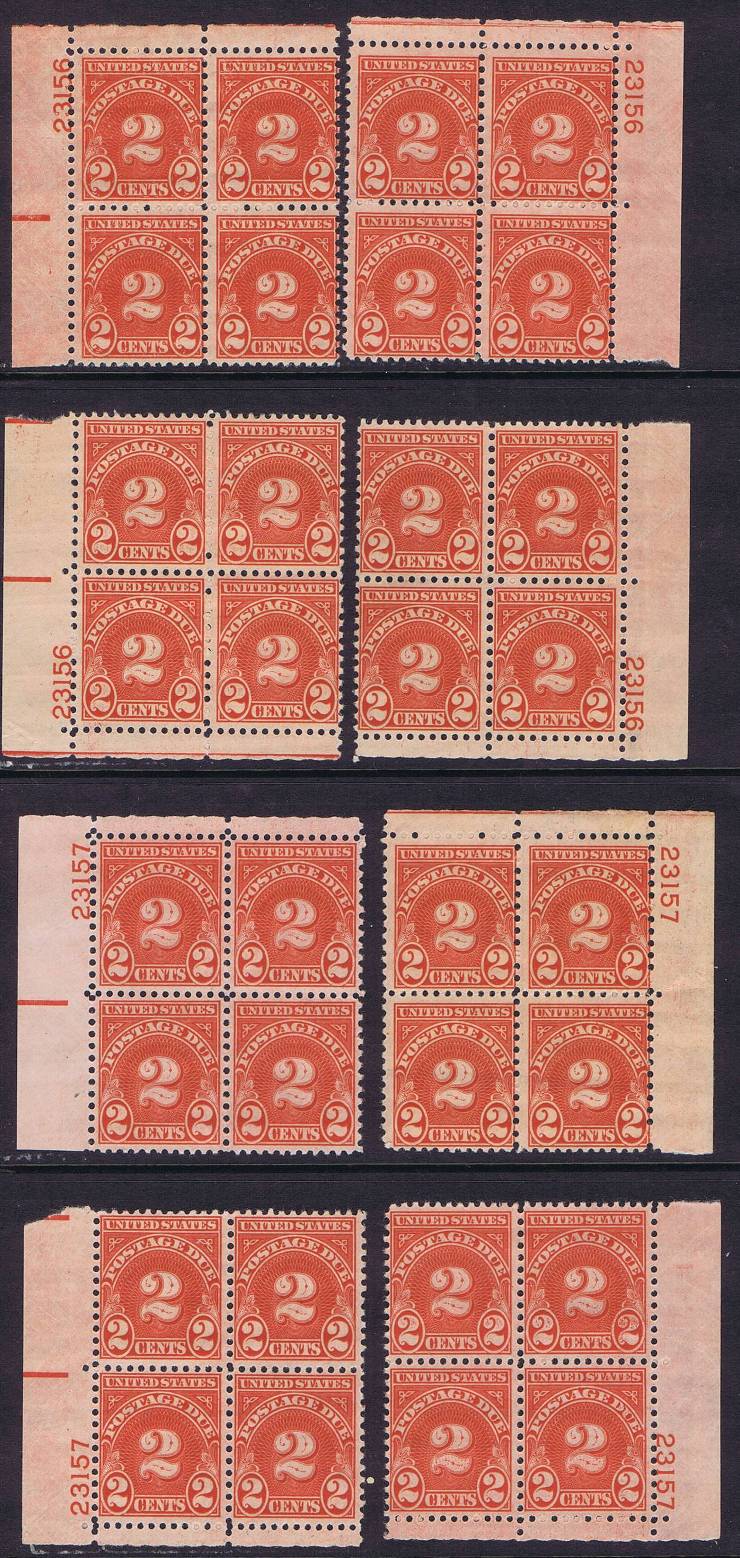
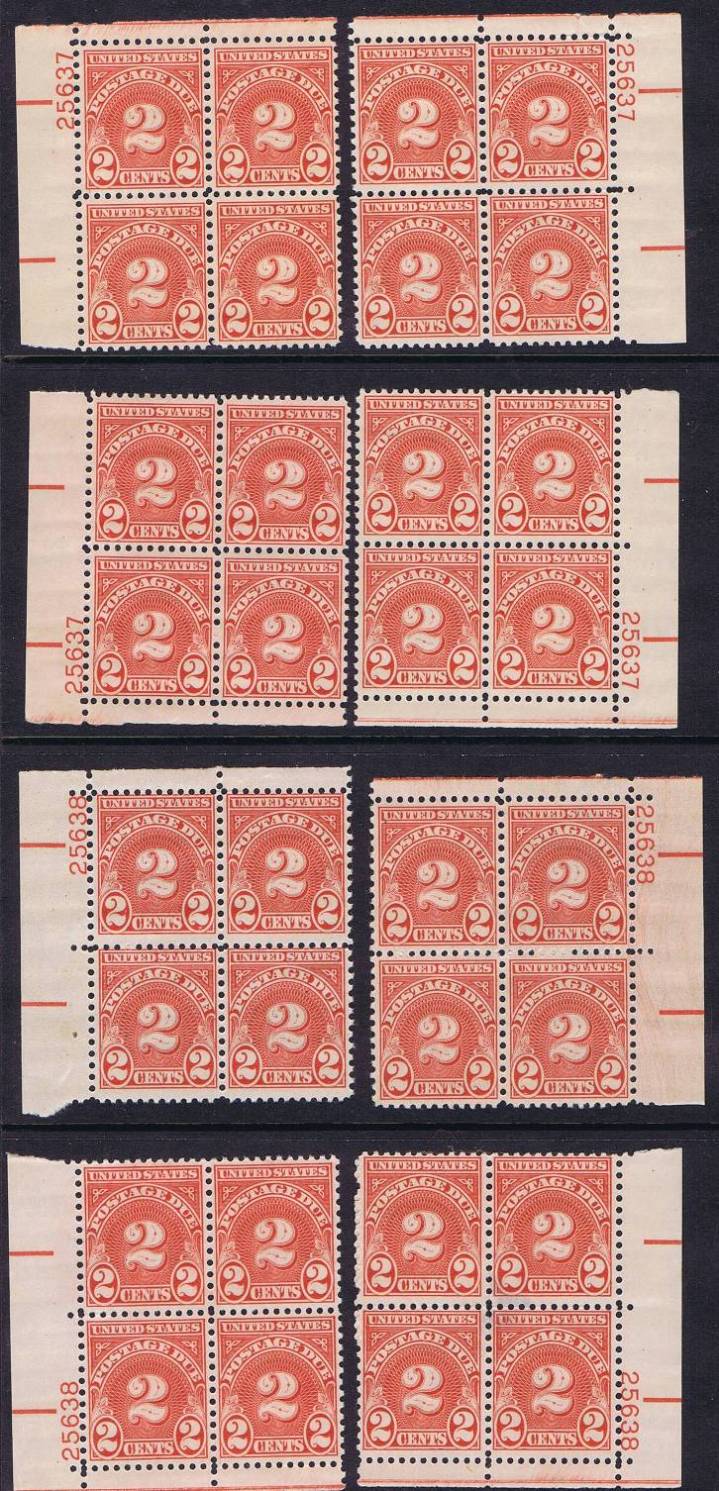
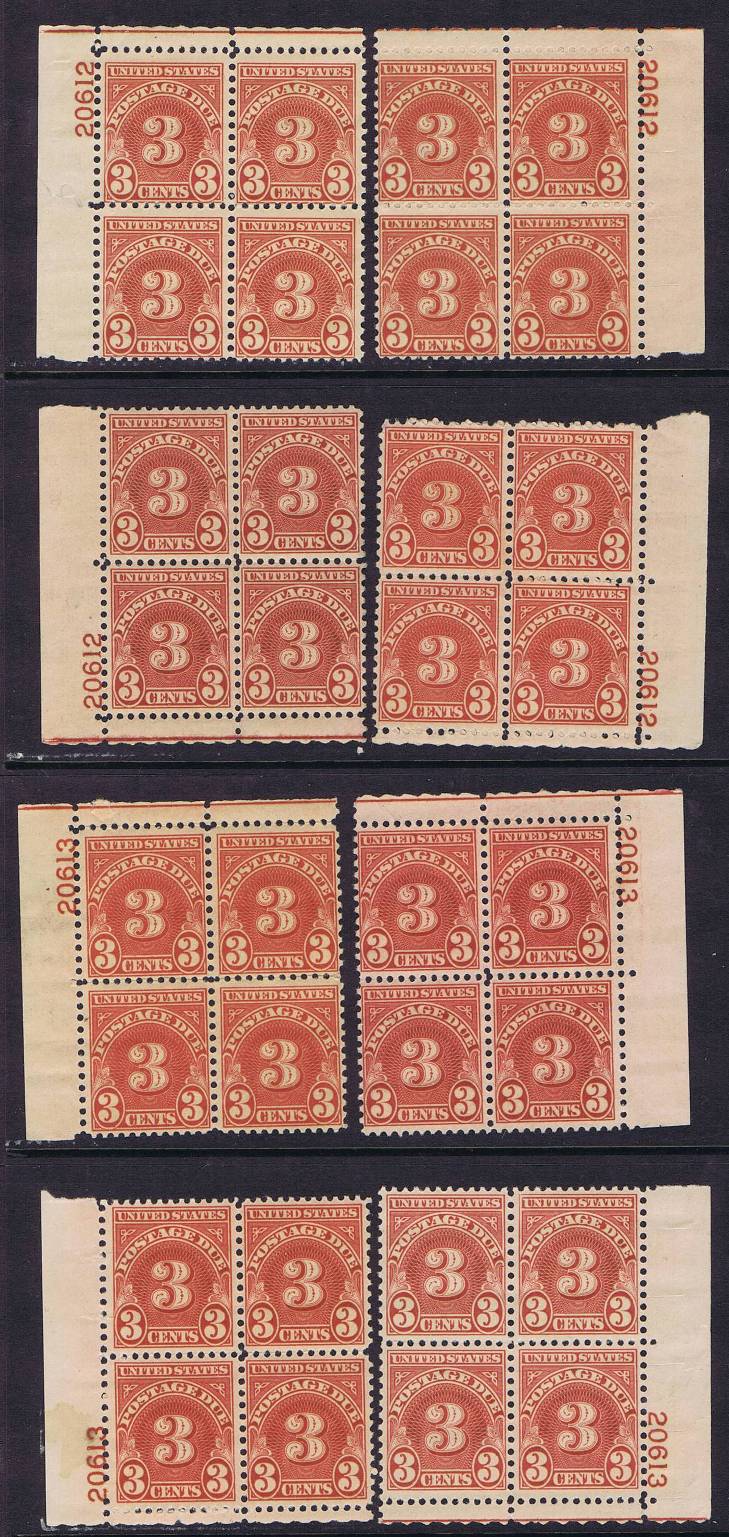
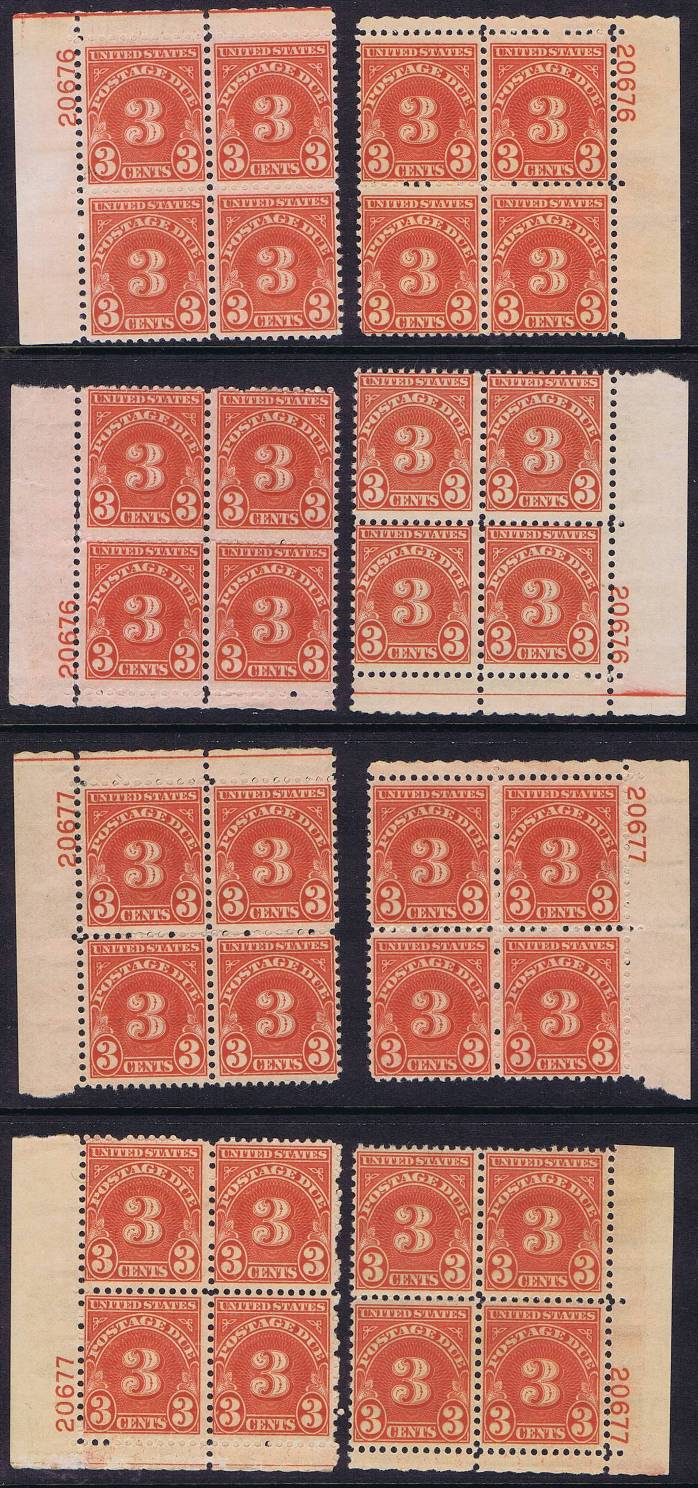
Postagedueguy, If I may rephrase part of bobw's question ... "Which ink variants were used with each plate?" Clearly, many were used with both inks, but the illustrations don't communicate this as clearly as a list might.
|
|
Send note to Staff
|
| Edited by John Becker - 03/22/2022 4:24 pm |
|
|
Valued Member
United States
22 Posts |
|
|
Taking another quick look at the display from postagedueguy today, I think I see (or want to see) a pattern that the plate numbers that start with 20xxx give a greater proportion of what would be considered the dull crimson, and the plate numbers that start with 22xxx or higher, are a bit brighter being the scarlet variety. Yes there are outliers that only confirm the rule that nothing is 100%. The plate numbers that start with 25xxx are the EE dry print varieties and those are supposed to be all scarlet (absent some color variation through the inking process.) Does this observation make sense to anyone?? |
|
Send note to Staff
|
|
|
Pillar Of The Community
6358 Posts |
|
|
Yes, all the 256xx plates are dry print. I sense you are adding a level of unnecessary confusion by worrying about electric eye or not. |
|
Send note to Staff
|
|
|
Pillar Of The Community
United States
836 Posts |
|
|
Yes, I think you have it correct, although there does seem to be a color variation in the 20xxx plates - darker carmine and a bit lighter one. J69 - J76 are easier since they are all only one color, but the plate blocks are much harder to find.  |
|
Send note to Staff
|
|
|
Valued Member
United States
22 Posts |
|
|
Thanks, everybody. I now have a formula and an equation that I can manage to determine what I need to do. The engineer in me is happy. I certainly appreciate the inputs from both of you. I am always in awe of people who have forgotten more than I know about almost everything. |
|
Send note to Staff
|
|
|
Pillar Of The Community

United States
1498 Posts |
|
|
I can recall struggling thru this series a few years ago. It was especially confusing at the time because Scott hadn't got the catalogue numbers straight yet. At the time, they still had the dull carmine as the dry printing. Now, according to Scott, there are three (occasionally only two) varieties of each ... two wet printings (dull carmine & scarlet) and one dry (scarlet). What I found was that the wet dull carmine seemed to all be pre-eye plates while the wet scarlet were all eye plates. Which makes id by plate number fairly easy. |
|
Send note to Staff
|
|
|
Pillar Of The Community
United States
836 Posts |
|
|
Quote:
Awesome group of postage due matched sets there. Lots of work putting that together!
Bob
Forty years and still working at it!!! |
|
Send note to Staff
|
|
|
Pillar Of The Community
6358 Posts |
|
|
Quote:
It was especially confusing at the time because Scott hadn't got the catalogue numbers straight yet. Indeed! I spent considerable time on this very topic at the Scott booth at the Omaha StampShow a few years ago. I left them a considerable set of photocopies correcting their errors and encouraging them to renumber these dues as they have now done, with the basic number being the dull (early) print, the "a" suffixes for the intermediate (brighter) print, and the "b suffix for the later dry printings. They had it this way in the mid 1950s before the dry printings came along, but messed it up in recent years. The listings could benefit from some additional footnotes, but they still are a vast improvement over a few years ago. |
|
Send note to Staff
|
|
| |
Replies: 11 / Views: 1,343 |
|



 Posted 03/17/2022 2:52 pm