| Author |
 Replies: 666 / Views: 103,509 Replies: 666 / Views: 103,509 |
|
|
|
Bedrock Of The Community
Australia
38679 Posts |
|
|
I took this from an Auction lot, I did not win. This may be helpful for those wanting early postage rates? I cannot read it of course, but hopefully there is something of value. if it is indeed readable.  |
Send note to Staff 
|
|
|
Valued Member
439 Posts |
|
|
Hello rod222
These are most common rates used from 01.01.1875 to 31.03.1900. It includes the 50g-100g(Grams) range "Drucksachen" (Printed matter) at 5 Pfennig that started on 01.06.1890. On 01.04.1900, the "briefe" (Letter) rate changed to 20g instead of 15g at the same 10 Pfennig rate.
So this card is in between 1890-1900.
Best regards
Hornet |
|
Send note to Staff
|
|
|
Bedrock Of The Community
Australia
38679 Posts |
|
|
Bedrock Of The Community
Australia
38679 Posts |
|
|
Pillar Of The Community
Netherlands
800 Posts |
|
|
Hello Rod,
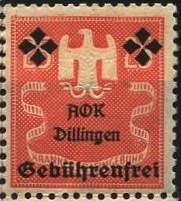
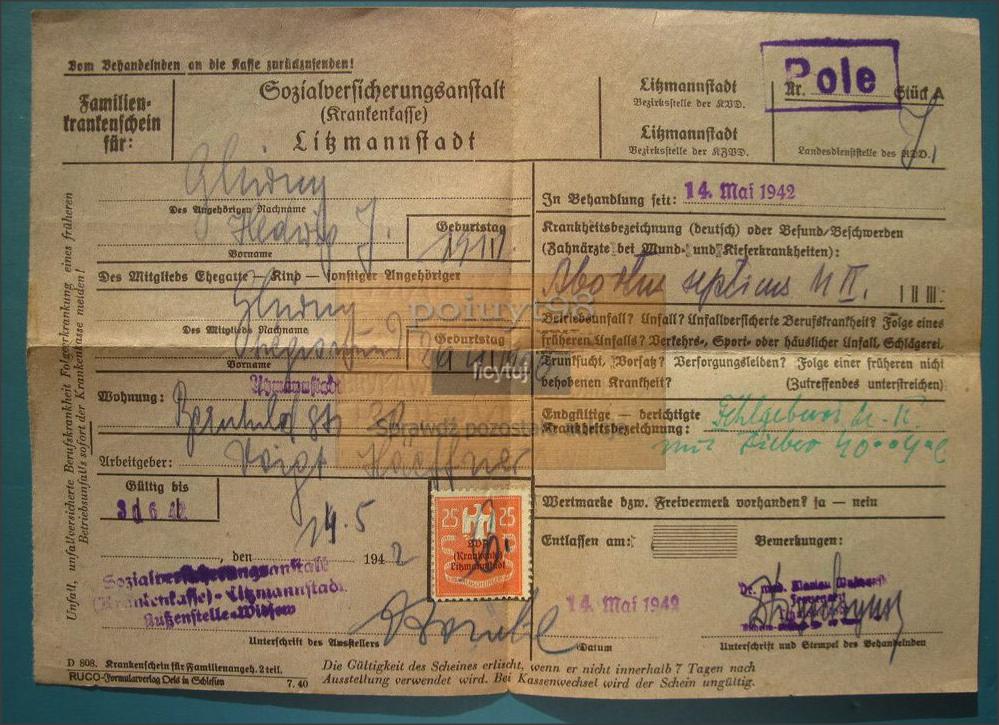
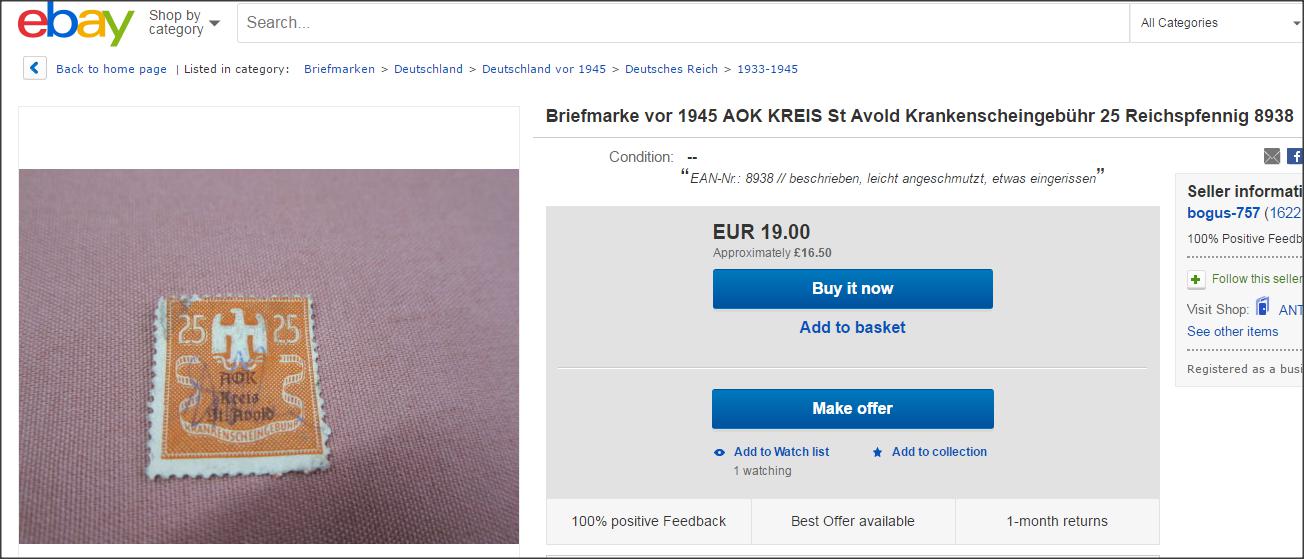
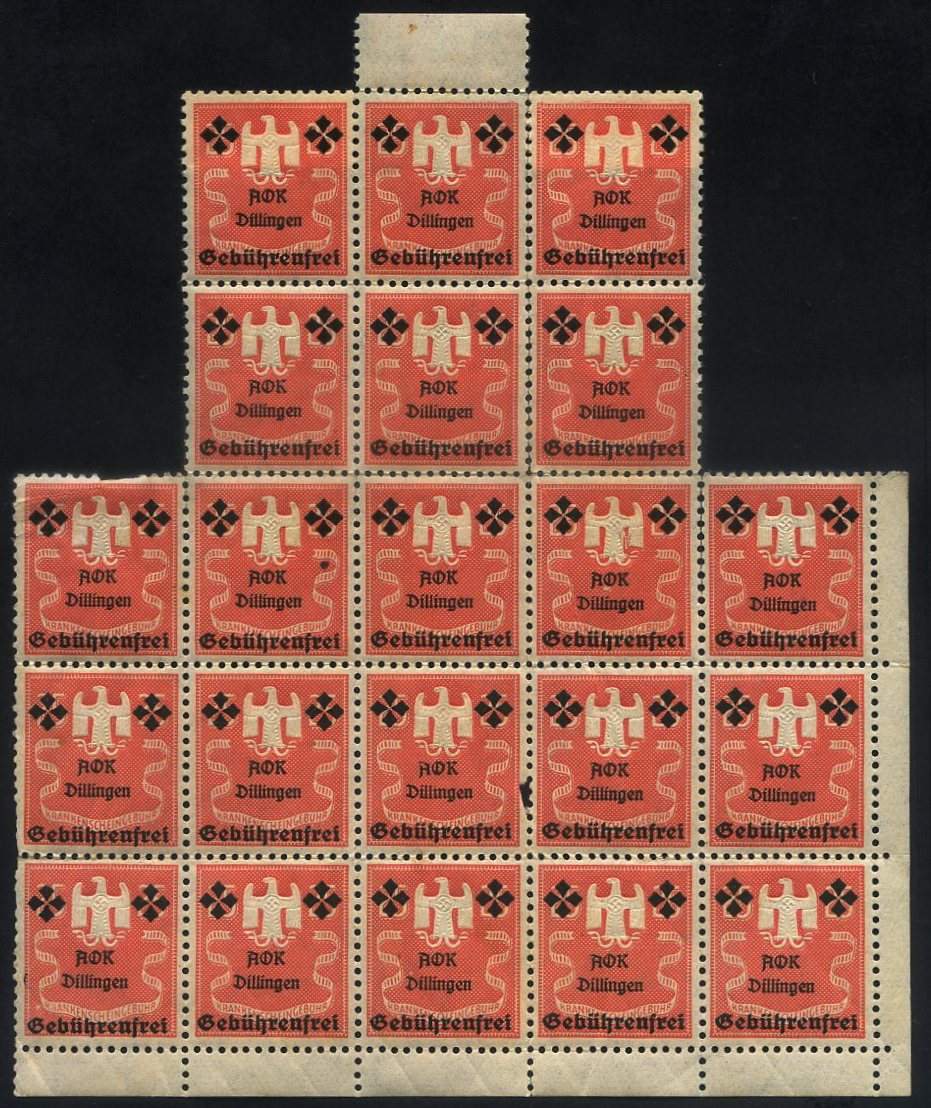
My best shot: It is a revenue stamp to be used on the card of your medical insurer. AOK Dillingen still exist as a medical insurer. Under Gebuhrenfrei one can still read: Krankenscheingebuhr(insurance card revenue) The gebuhren frei and the overprint of both the 25 indicates that no revenue had to be payed anymore. I have no clue to the reason. Maybe others a bit better informed in German language and revenues of this era can fill in the gaps. Kind regards, Johan. |
|
Send note to Staff
|
|
|
Bedrock Of The Community
Australia
38679 Posts |
|
|
Bedrock Of The Community
Australia
38679 Posts |
|
|
Bedrock Of The Community
Australia
38679 Posts |
|
|
German Cameroon query. I have this grungy issue under British Occupation. (Sc#54b?) I see a black Overprint- then again maybe blue  Opinions? Thanks.  |
|
Send note to Staff
|
|
|
Pillar Of The Community
United States
2941 Posts |
|
|
Rod,
It's tough to tell from a scan, but I lean toward blue. The black ink tends to be very dark black. |
|
Send note to Staff
|
|
|
|
Bedrock Of The Community
Australia
38679 Posts |
|
|
Thank you very much, Postmaster.
Blue it is.
The Sc# Catalogue also had lines indicating values, indicating dubious existence / sales ?
Perhaps you have seen the black.
|
|
Send note to Staff
|
|
|
Pillar Of The Community
United States
2941 Posts |
|
|
Rod, The standard overprint color of this denomination was blue, though black overprints are known. The exact quantity is unknown, as far as I can tell. Robert M. Gibbs' G.R.I. is a very detailed reference for the stamps of the British Occupation of German Colonies, going so far as to ID the plate positions of every minor overprint variation, and even it makes no mention of the black overprints other than a short acknowledgement that they are known to exist. Michel doesn't even mention them. I was able to find a scan of a copy online. This copy was expertized by Bothe from the BPP and Gibbs himself. It went unsold at Württembergisches Auktionshaus' March 2017 auction. Starting price was €1,200.  |
|
Send note to Staff
|
|
|
|
Valued Member
United States
125 Posts |
|
|
Bedrock Of The Community
Australia
38679 Posts |
|
|
Thank you very much Postmaster.
I'd also suggest the black overprint font differs.
1. The size of the period after "d"
2. The stroke of the fraction in between the 1 and the 2, is longer "behind" in the black print, and longer "in front" of my example.
(unless, of course, if they had a plate of type, to do numerous stamps)
Good stuff. Thanks for your time.
|
|
Send note to Staff
|
| Edited by rod222 - 04/16/2017 6:04 pm |
|
|
Pillar Of The Community
United States
2941 Posts |
|
|
Rod,
Those subtle differences are as a result of the plate position. Of the 100 stamps per sheet, 64 have the fraction numbers centered on the bar, 29 have the numbers shifted left, and 7 have the numbers shifted right. Aside from those larger, sheet-wide differences, Gibbs also lists 43 additional defects in the overprints that allow for plating of almost half the sheet. |
|
Send note to Staff
|
|
|
|
Bedrock Of The Community
Australia
38679 Posts |
|
|
Replies: 666 / Views: 103,509 |
|




 Posted 03/04/2017 9:37 pm