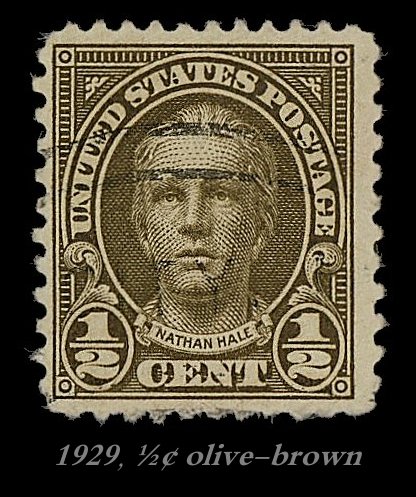
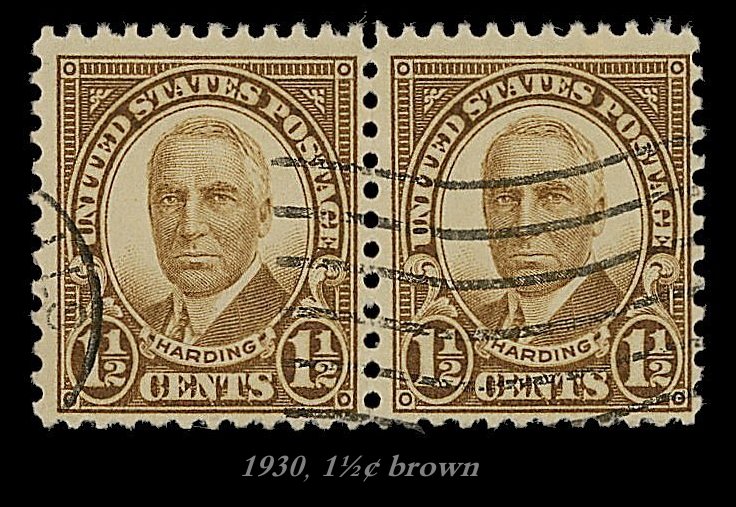
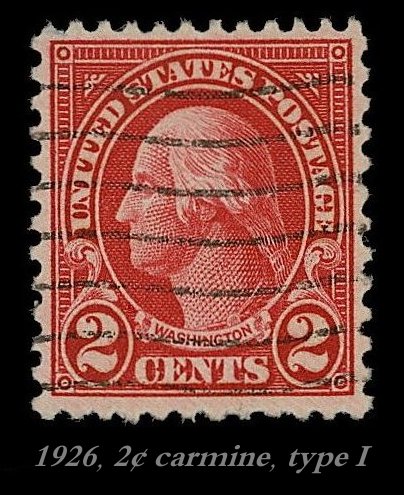
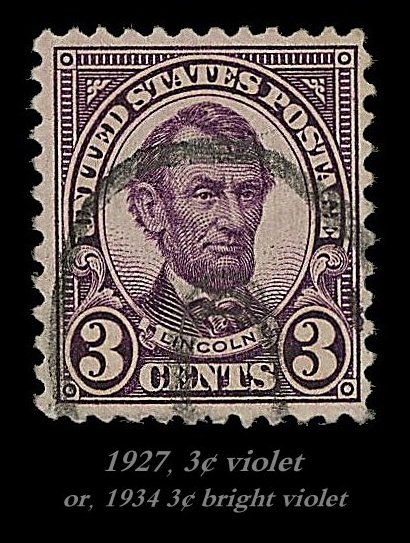
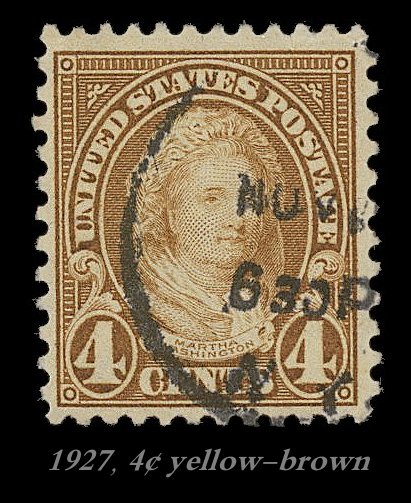
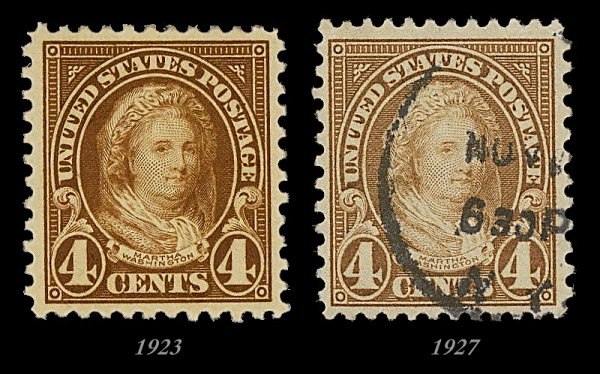
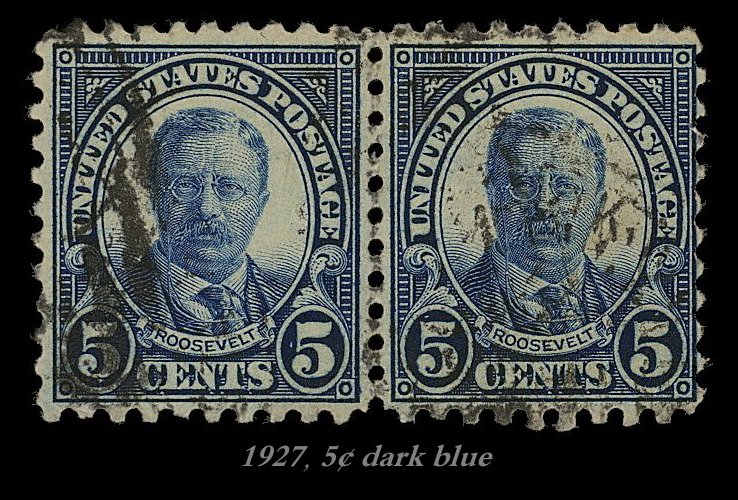
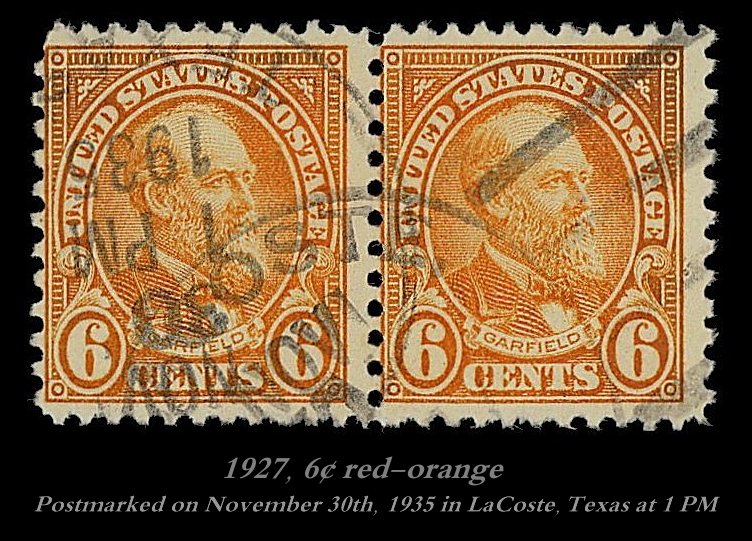
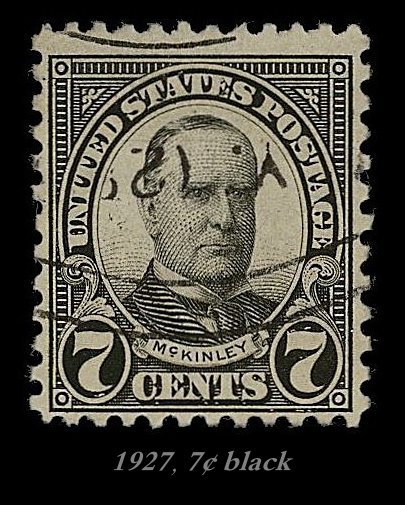
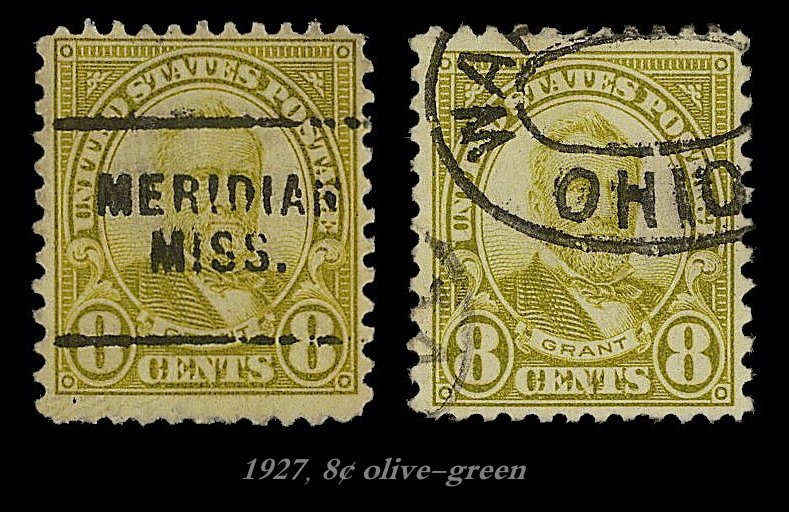
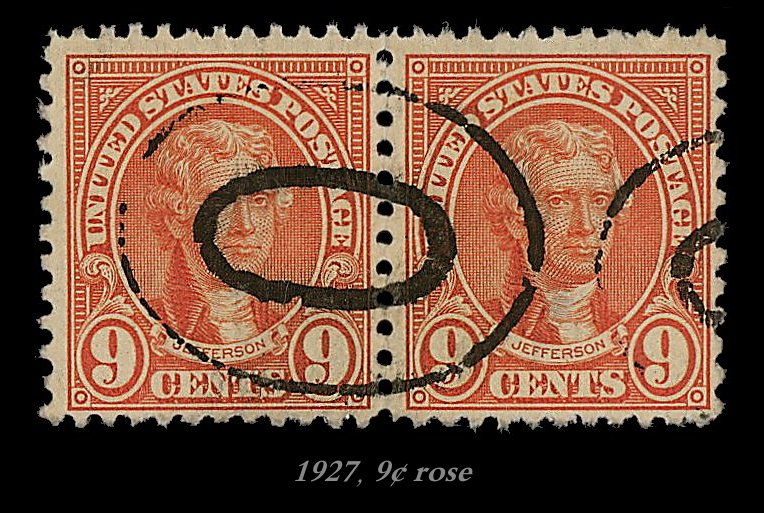
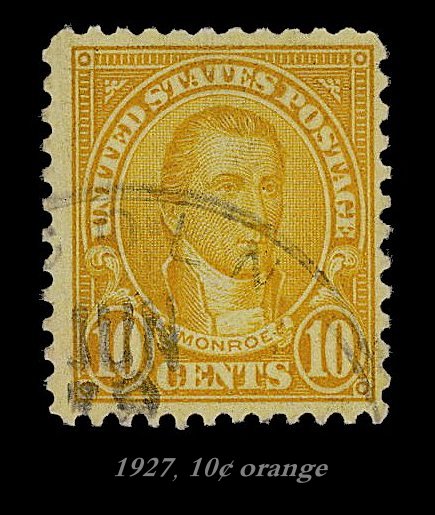
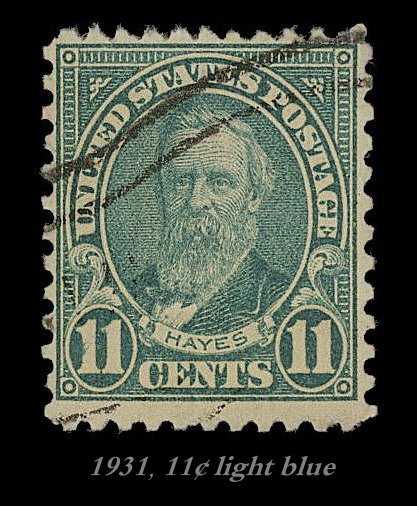
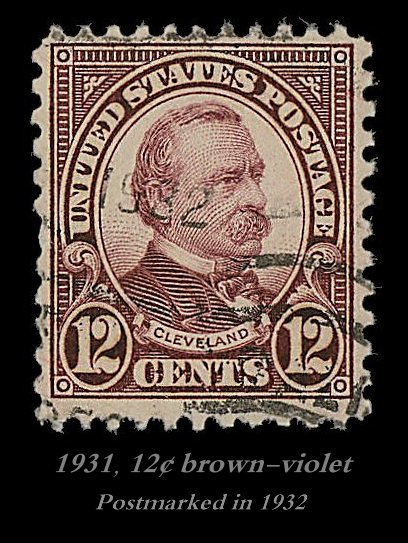
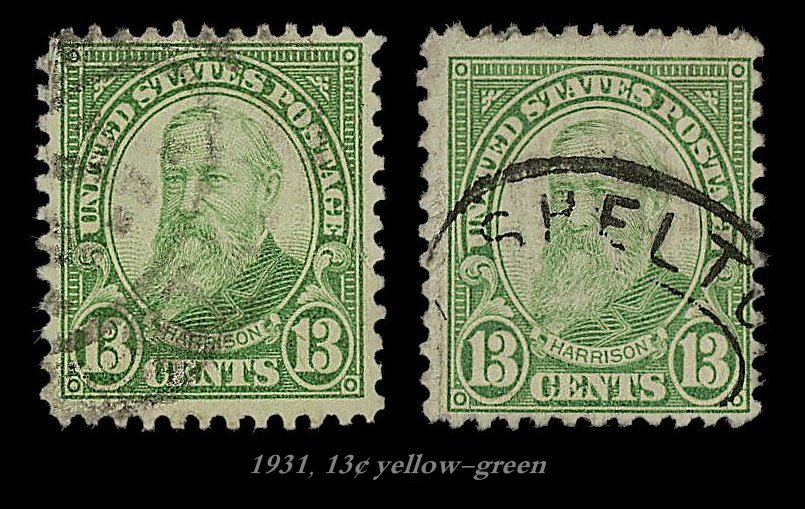
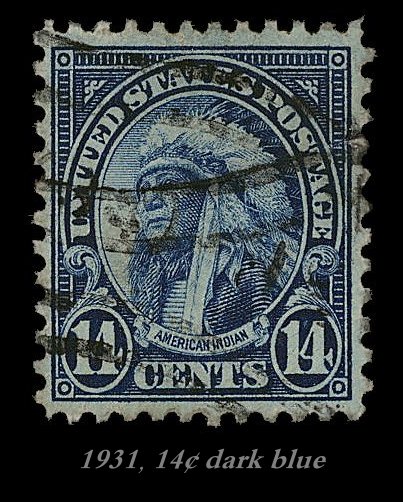
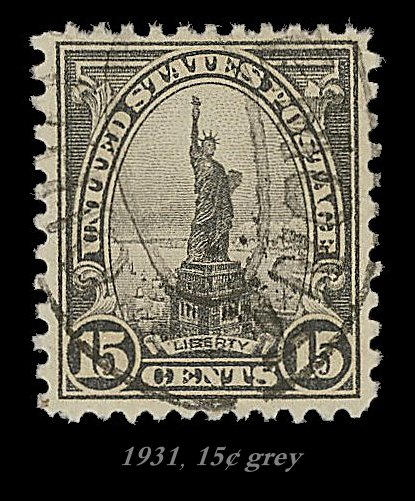
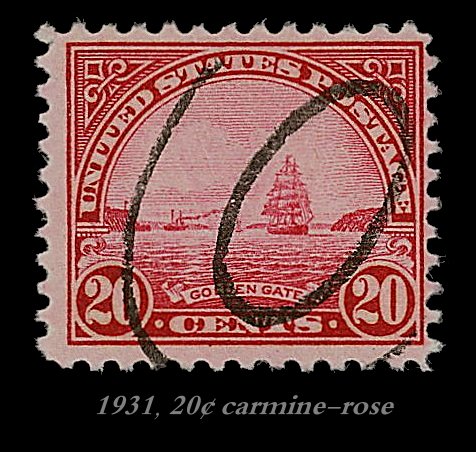
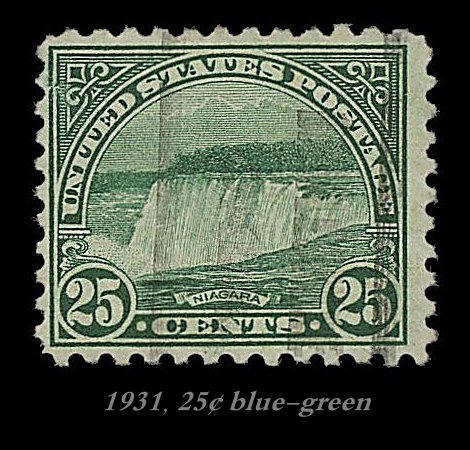
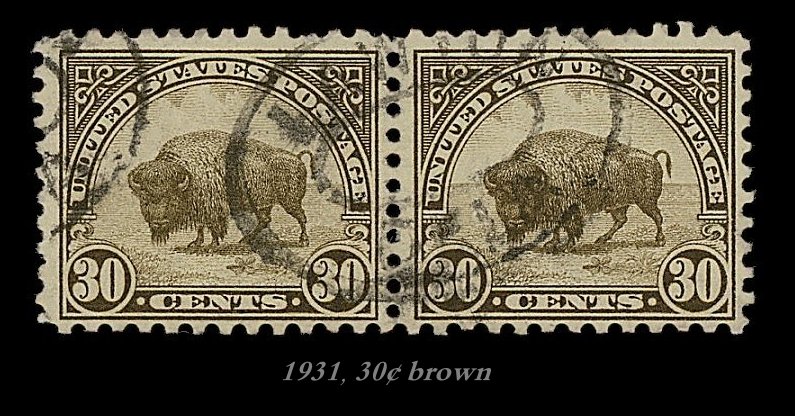
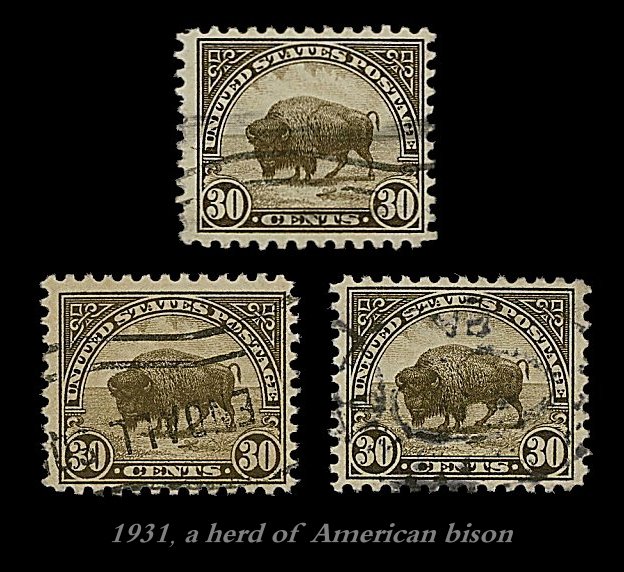
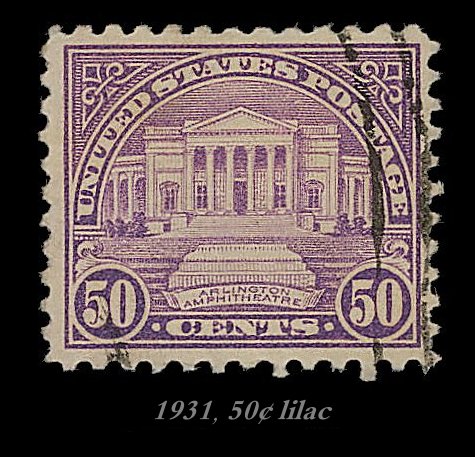
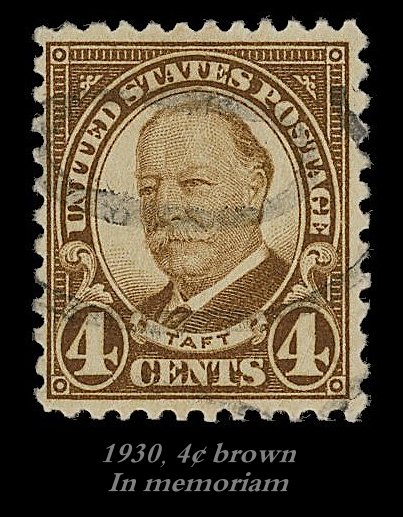
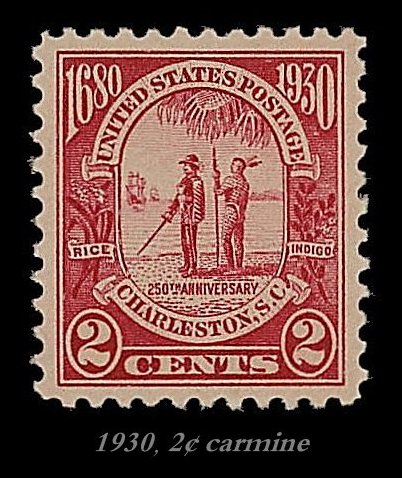
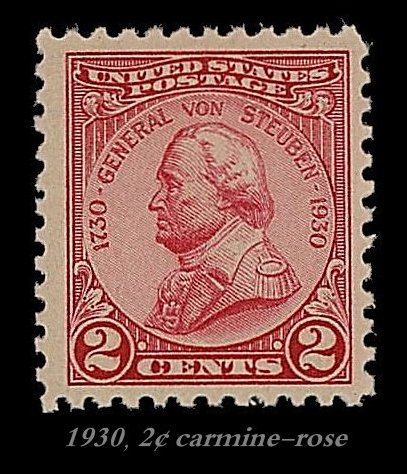
I thought it about high time, and to re-visit these little gems of an American experience. History oft repeats itself, so why not, for relevance is bliss. The definitives had to be used, and to convey at least a gist of what once was. They were sought out and purchased about two to three years ago. All have been restored, with clean backsides, and now appear at their very best. Some of these were printed before the Crash of 1929, and in enough numbers to satisfy demand until the debut of the Presidential issues of 1938. In addition, these definitives were the workhorses of their time, bearing straight faces to greet the nation, and the cosmopolitan.
When I had first pored over my father's stamp album, compiled in the late 1940s to early 1950s, in the 1970s, in my youth, there were a few of those definitives within, but many more commemoratives of the era instead, and all used as well. "Well, I took care of that", so I had thought, and purchased many of the catalogued commemoratives in mint, never-hinged condition, back in the early 1990s, at the two stamp shops I frequented in the big city, although I didn't get every last one issued. I may just see that city still, to the north, its artificial-light dome looming ever upwards, then to think about those golden days, yet days that in hindsight never were, so we've been told.
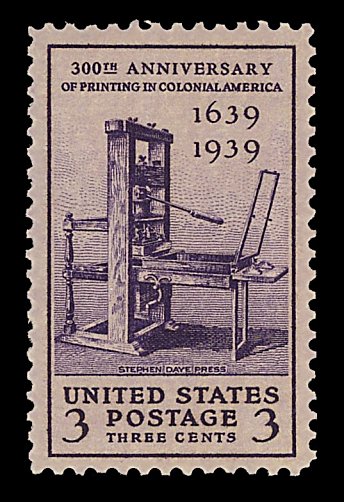
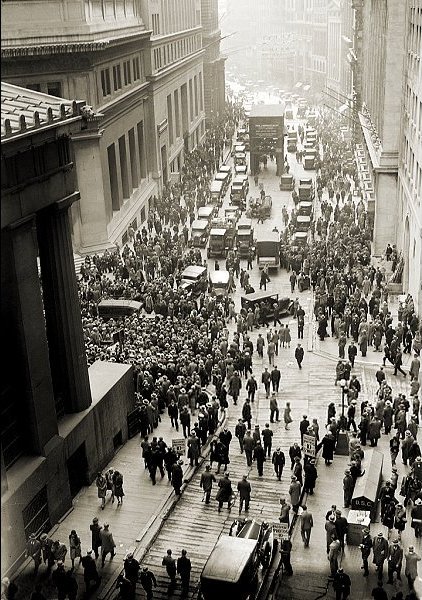
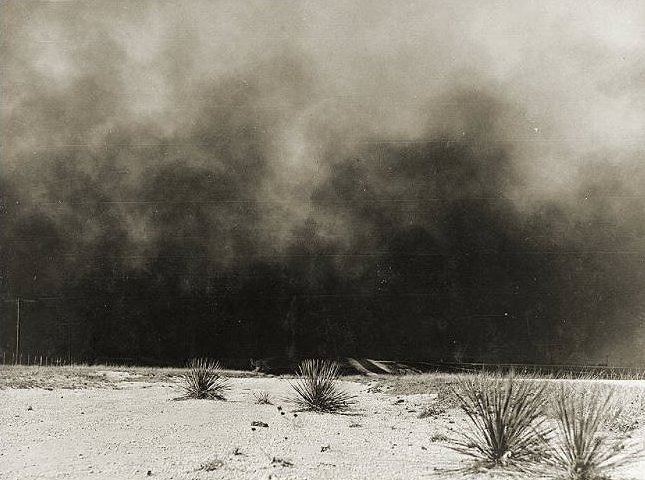
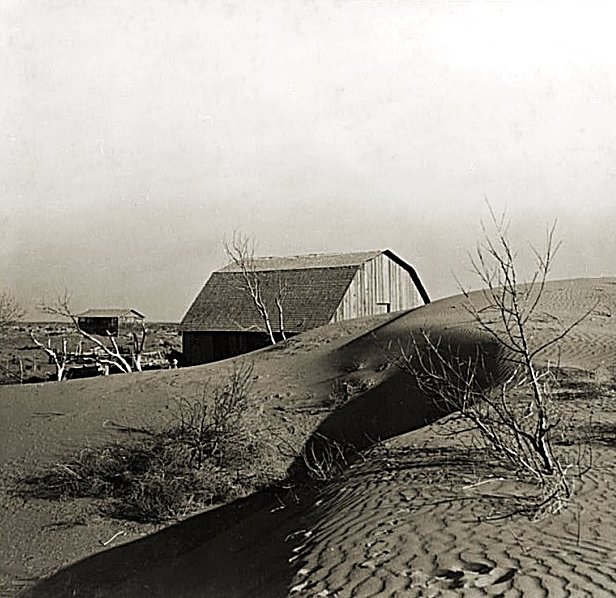
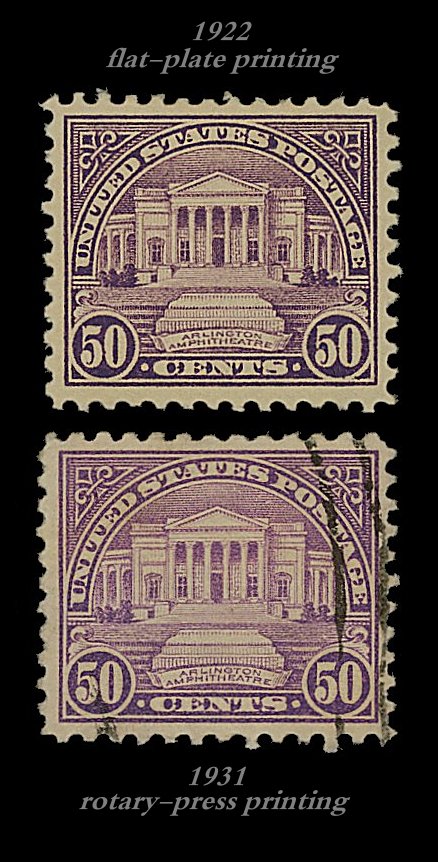
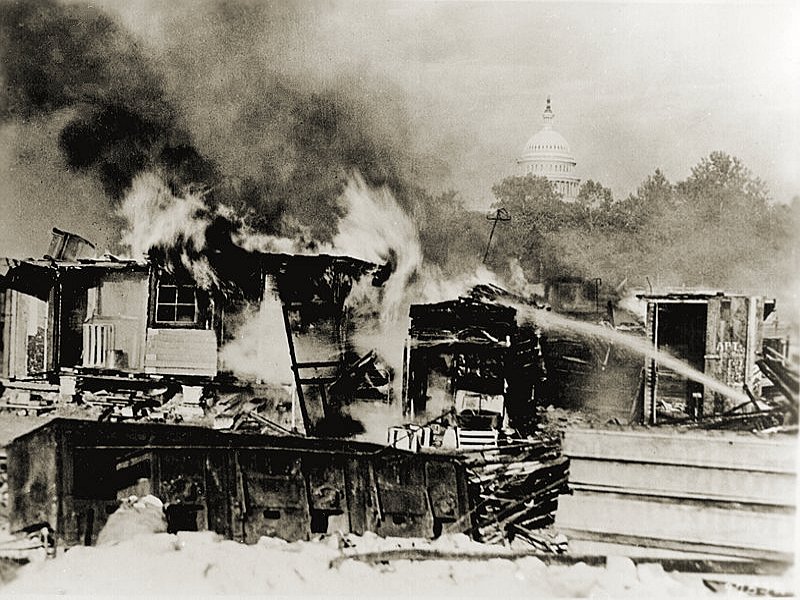
All of these stamps were printed via rotary-press, every last one, including this one, but of 1939, for by then the world had rebounded, more or less... Let's now see, what these must've seen... The day the world came crashing down...
TIRI3j25cJQ
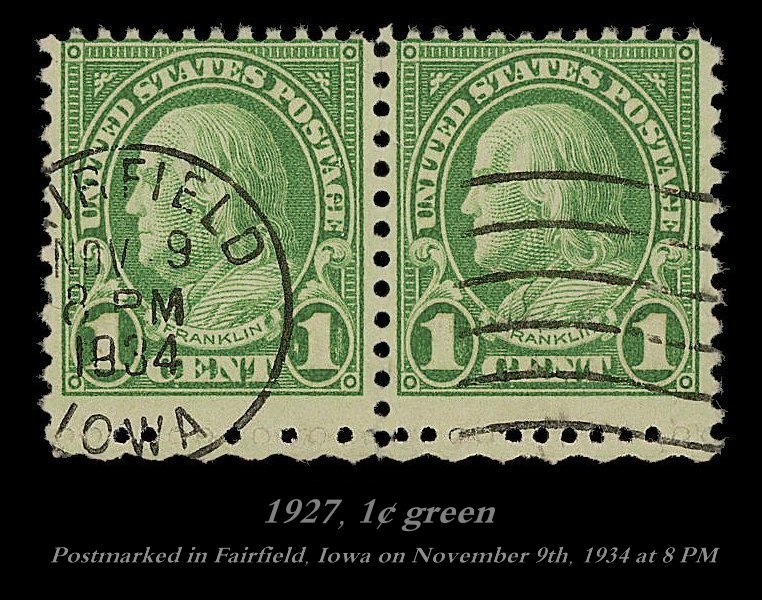
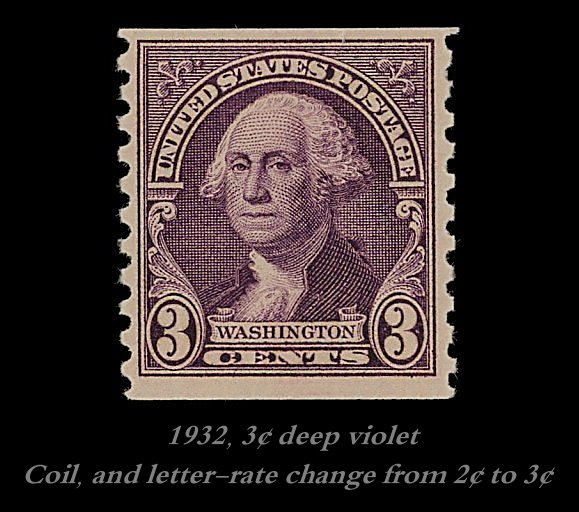
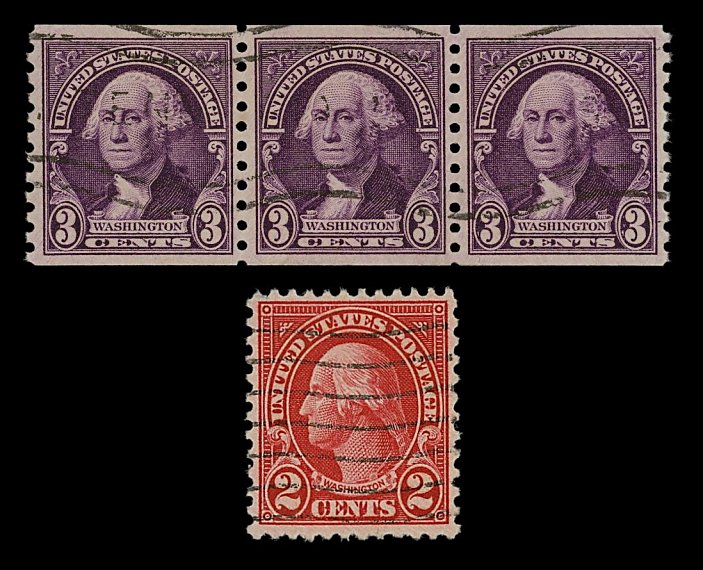
The letter-rate of the time... "Oobs and gobs" of those must've been printed.
Revcollector, that's a wonderful, informative document and resource. Thank you for sharing. I may have seen it before. Regarding the 1926 2-cent rotary...
"It was first issued at Washington, D. C., on December 10, 1926. Twenty million copies were also sent to New York for a practical test by postal clerks and large users of this denomination. This variety proved entirely satisfactory to these distributors and consumers and it was adopted as standard for all further issues of rotary press sheet stamps".
Twenty million to New York alone; just imagine the totality, frightening, however I saw no mention of the types within the .pdf. Either they were unknown at the time(1935), or I had missed it entirely.
The higher values... ...the one on the right was postmarked in Shelton, Connecticut, is my best guess. That issue is unique, its debut, although in 1926, and a continued need for a 13¢ rate apparently, long ago.
That was a whopping 25¢ if you wanted a nice, pretty, mint copy. Did you buy the stamp, placing it into your album, or a couple of loaves of bread instead for the nigh bare pantry?
The rotarised re-print of that philatelic icon... ...and nigh threatened today.
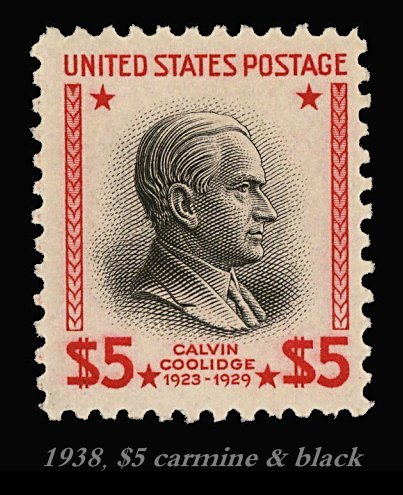
The highest value issued during the Great Depression... I imagine that the flat-plate, high-dollar values of 1923 satisfied the need for such throughout those years, until... ...and the last of the $5 flat-plate printings.
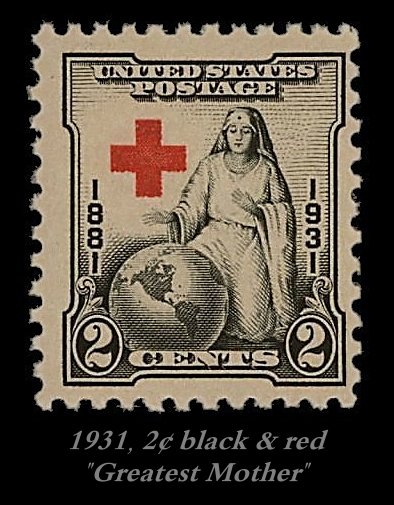
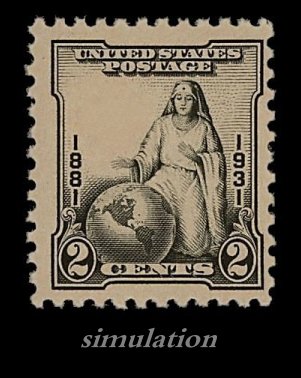
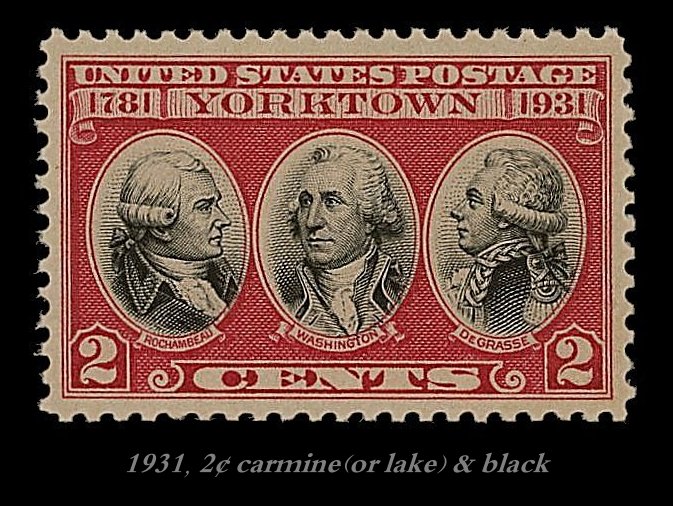
These commemoratives of the era, mint, rarely or never having seen the light of day, nor the winds and the falling rains, unlike those used, are instead a fresh, colourful and enduring window to the past. Then, I suppose, they were intended primarily for collecting, placing into one's stamp album or other, although they were used for mailing as well. Why, the Post Office loved the collector most of all, rather than the user, for those squirrelled away never a service to render. Two cents still wasn't a lot back then(38¢ in 2022), as opposed to a nickel or a dime, let alone a quarter... According to Scott, there is only one example known of the above that was printed without the red cross, and mint... Certainly there were others, for wouldn't there have been at least one sheet of the error printed? It's not valued as much as one might think at first, only $40,000 in 2010, then others might think that evaluation a bit excessive. You decide. Apparently, I don't know if that's carmine or lake. I will need to get a known carmine with which to compare, some day.
Hold the presses. A 2¢ letter-rate was old news in 1931, as the rate had remained unchanged since 1883, save for a penny-hike in 1917, then back down to 2¢ in 1919; probably something to do with the first world war(?).
There's no avoiding it. Just as there will always be death and taxes, so the prices going up and up and up, on everything under the Sun, the Moon, and the stars...
StampGuy. You are doing a lot of guessing and speculating in your posts. As examples, the Red Cross issue with the cross missing is clearly noted in Scott as being created by a fold over (FO); and yes, the 1917-19 increase was due to WWI. Things like these are well-documented in the philatelic literature.
StampGuy64 is one of several accounts here that contributes, in my opinion, quasi stream-of-consciousness posts that act as a frolicking wander through the wildflowers of the stamp world rather than serious pronouncements of factual information. Like a cocktail party of New York intellectuals with too many rounds of Paper Planes, one ends the session a bit giddy but not really sure what was the truth. I just say "whatever," at the end, and I'm not sure we need to factually sanitize these threads. One learns over time with the forum who is a reliable research source and who is a dabbler.
Disclaimer: While a tremendous amount of effort goes into ensuring the accuracy of the information contained in this site, Stamp Community assumes no liability for errors. Copyright 2005 - 2026 Stamp Community Family - All rights reserved worldwide. Use of any images or content on this website without prior written permission of Stamp Community or the original lender is strictly prohibited. Privacy Policy / Terms of UseAdvertise Here





 Posted 07/13/2022 9:51 pm