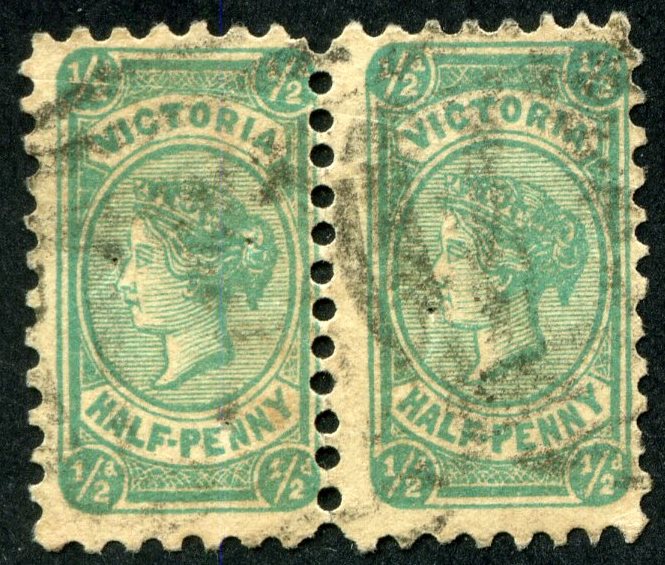
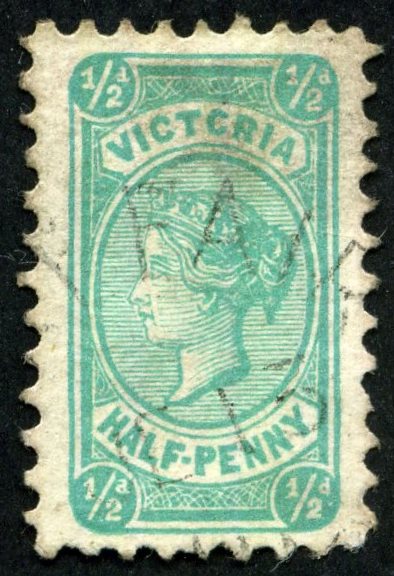
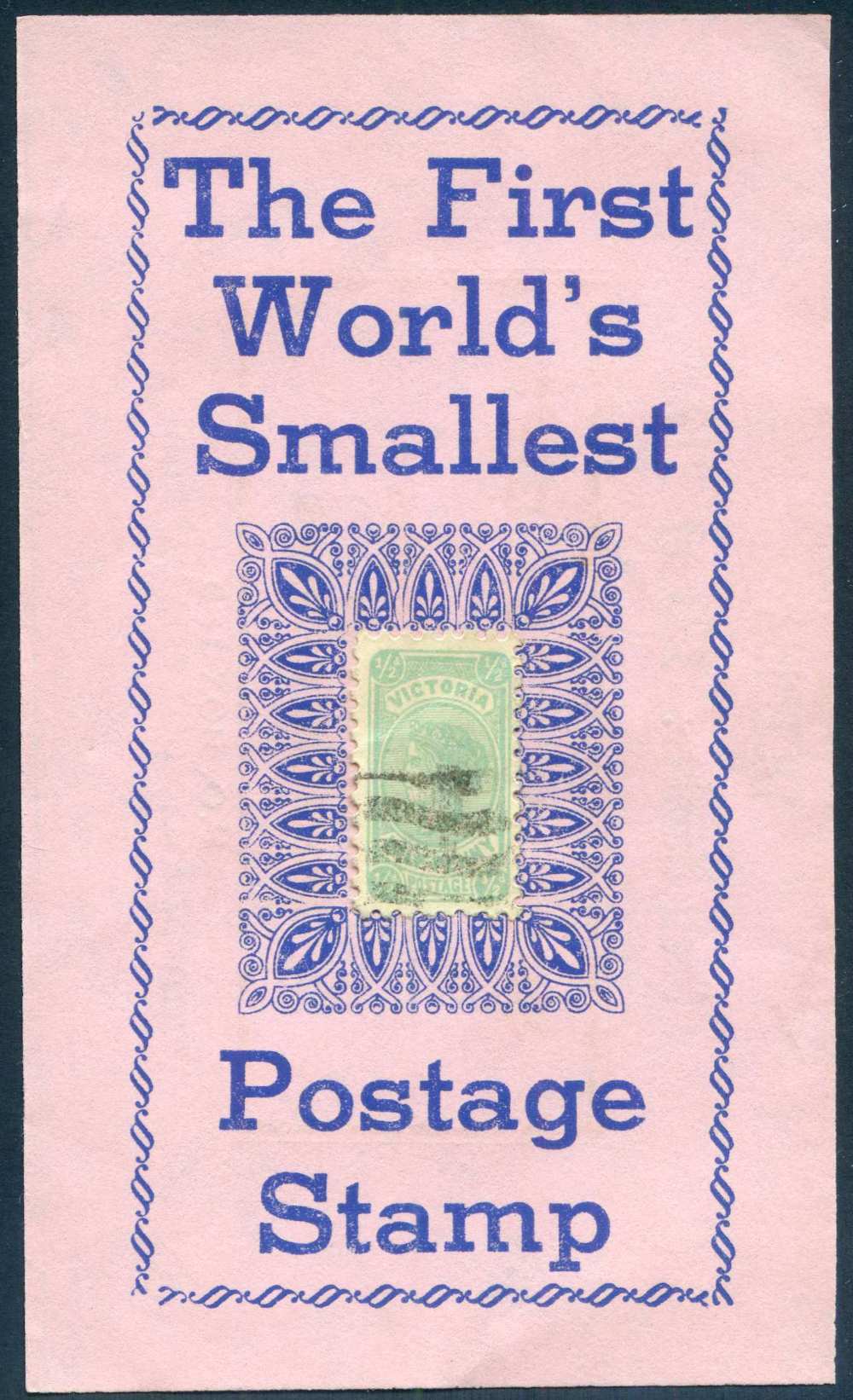
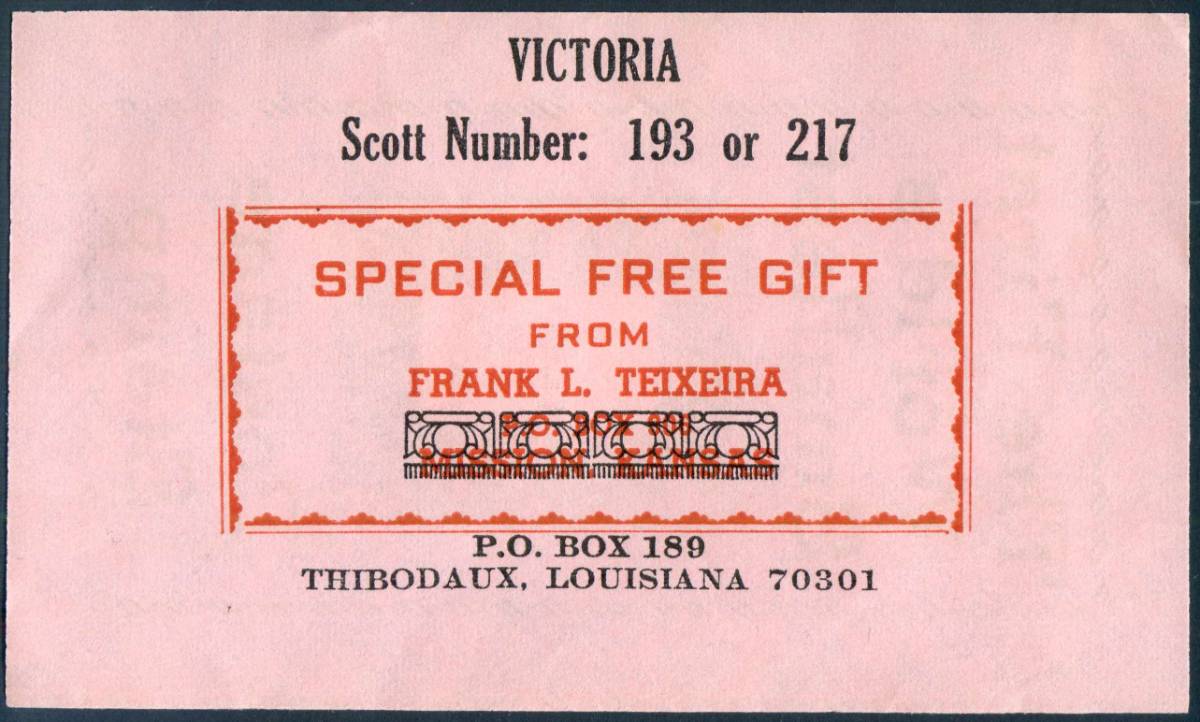
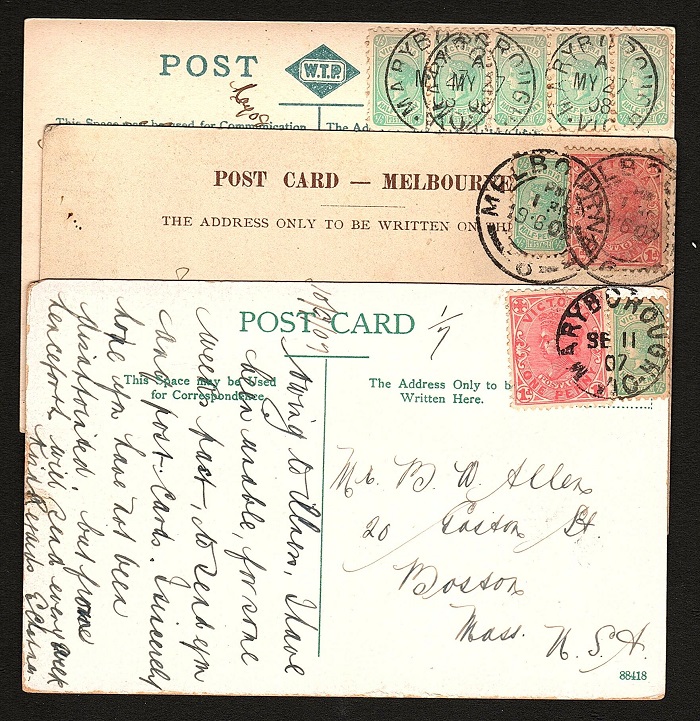
Scans of the stamp in my original post:
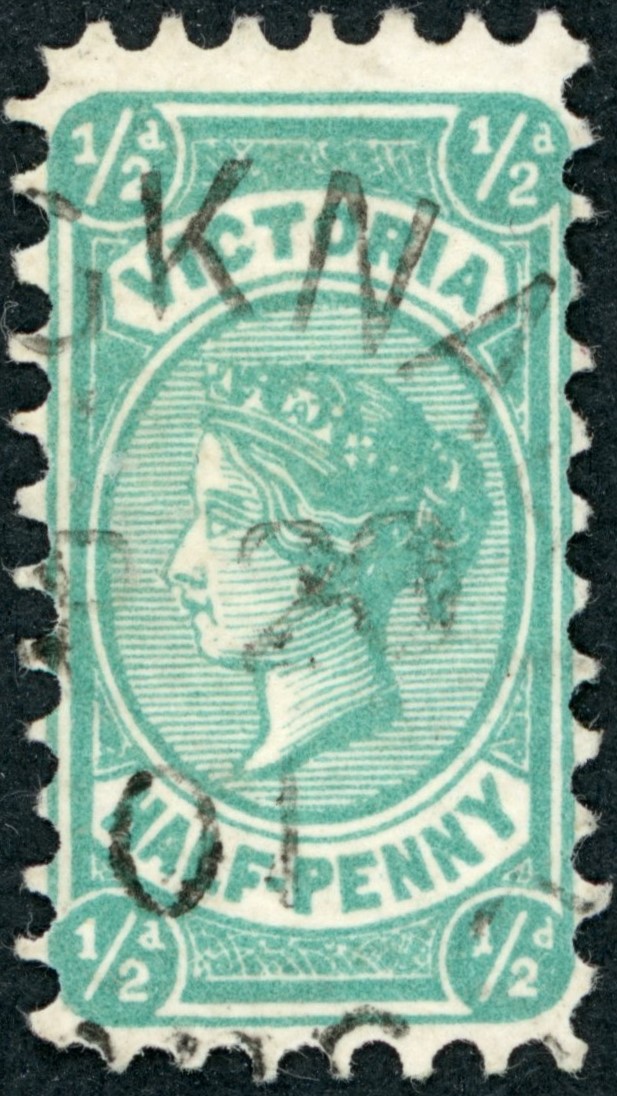
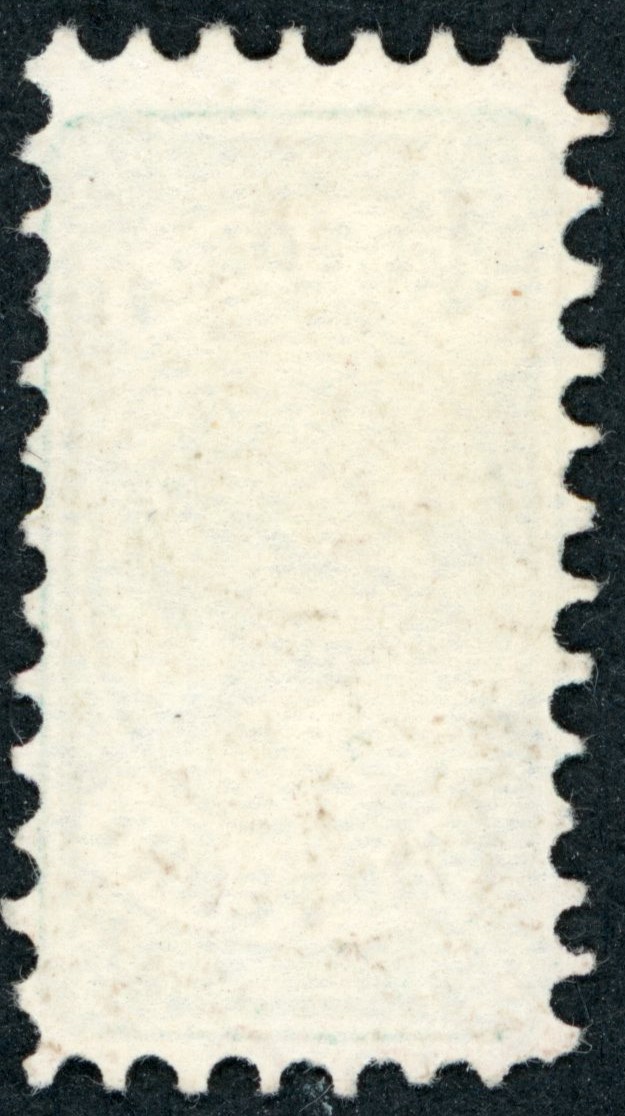
Watermark is sideways 'V', so presumably V over crown (W85 in SG). The paper is what I would call normal.
I thought I would compare with the only other one of these that I have; here is the side by side scan. Note the difference in size and shade.
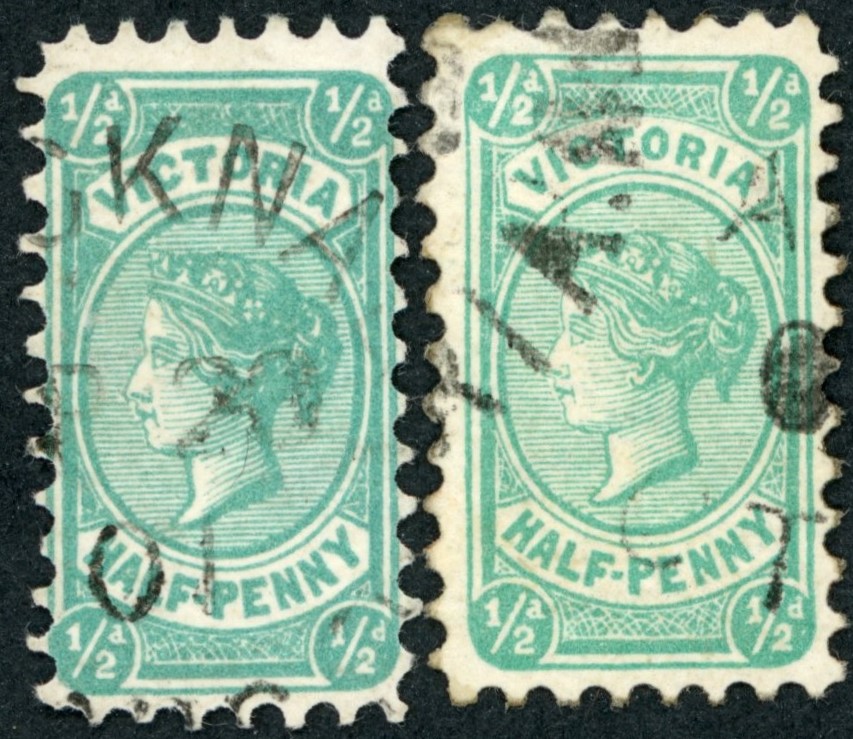
I thought I would make sure I was using the Instanta gauge correctly, and to my shame I wasn't, at least not so much as to be accurate to the 1/10th or so of a perf. I should have read the instructions.
I now know the correct approach is to line up the leftmost guide line so it goes through the middle of the tooth at the top left and bottom left, and then lines should go through top teeth, lining up with the last on the top right. However this moves my stamp's perfs even further away from Brusden's exact 12.2.
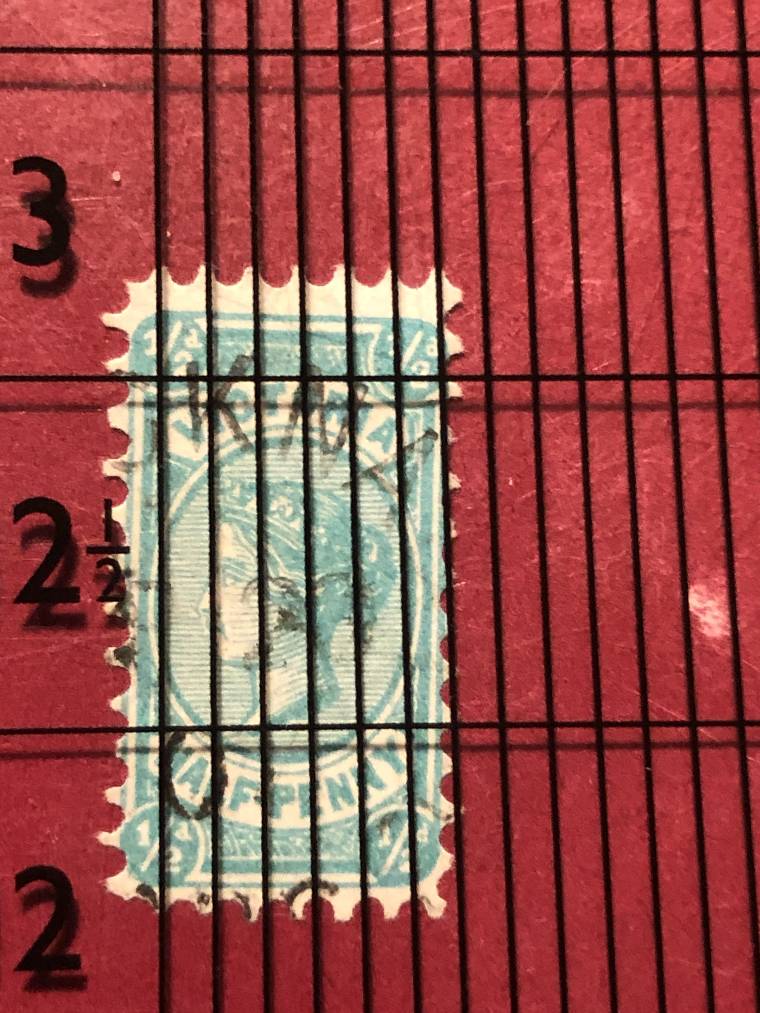
And here's the thing. The other stamp, blast it, doesn't have the 'right' perfs either.
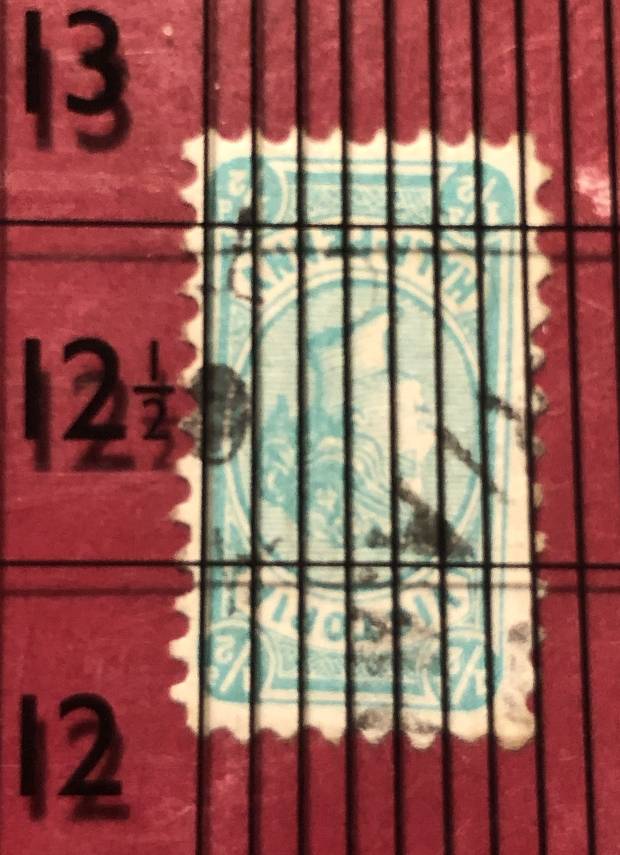
(Sorry for the blurred picture)
It's tricky to get the teeth lined up, and in the second example it shows misalignment with some of the first few, and alignment then comes back again to the later ones, showing that the pins were not perfectly placed. But neither are anywhere near 12.2. In fact now I look they seem closer to each other.
The fact that there two stamps with a differnt perf from that stated in the books means that:
a) I have coincidentally and highly improbably managed to find two stamps with previously unknown perforation types;
b) I am still making a fundamental error in how I am using the Instanta;
c) Brusden, Kellow and Stanley Gibbons are all wrong (or shall I say 'inexact'); and/or
d) As per the quote from Rod "Perforation is an inexact science", and in the case of this type of stamp, a
very inexact science; as my two stamps have different perfs, maybe it's just fairly common with these ones to have variations in perforations.
So I think $1 not $2500

Chris





 Posted 10/30/2022 8:01 pm