| Author |
 Replies: 9 / Views: 1,006 Replies: 9 / Views: 1,006 |
|
|
Valued Member
Japan
385 Posts |
|
|
So there's two 1882 varieties: yellowish brown and greyish brown. I know that it's a longshot because it's been stamped (probably unlikely for the greyish brown), but I can't help but notice the difference in detail as well. What are your thoughts? 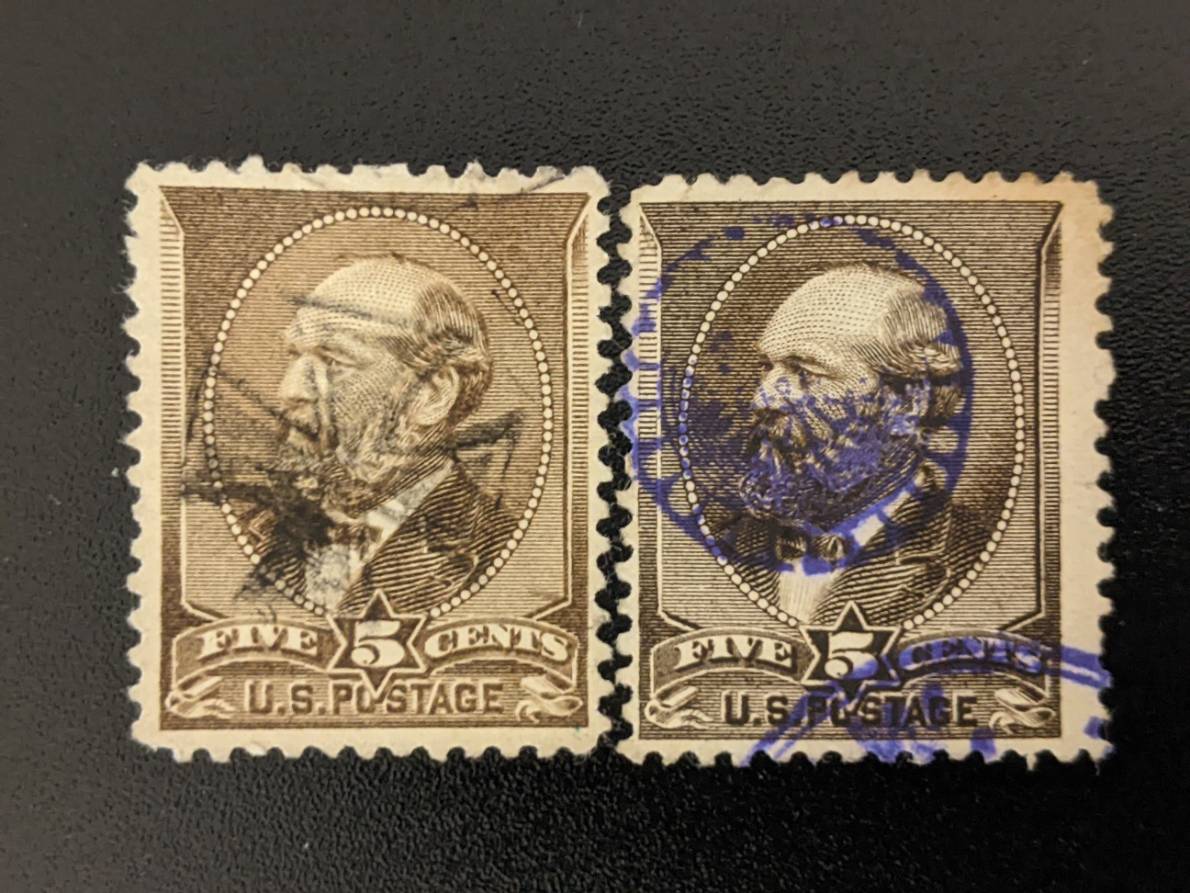 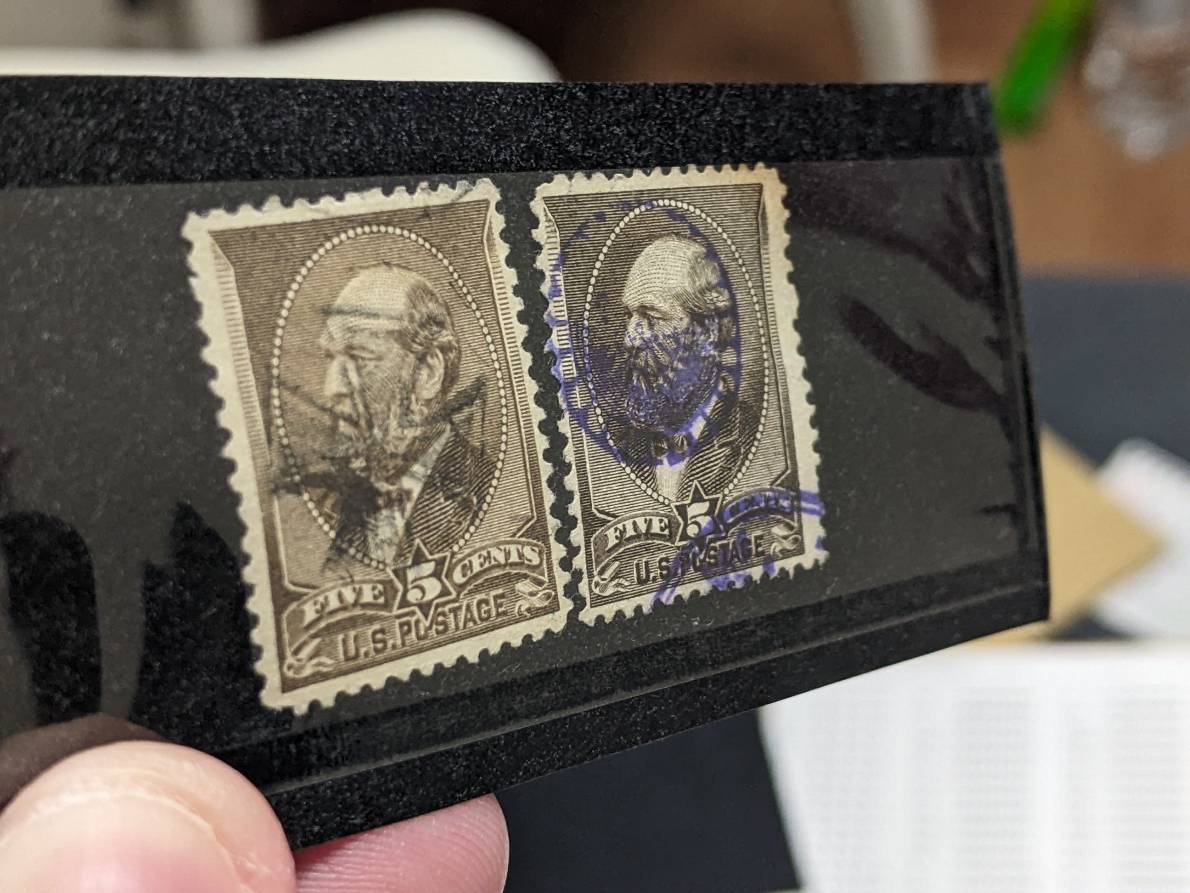 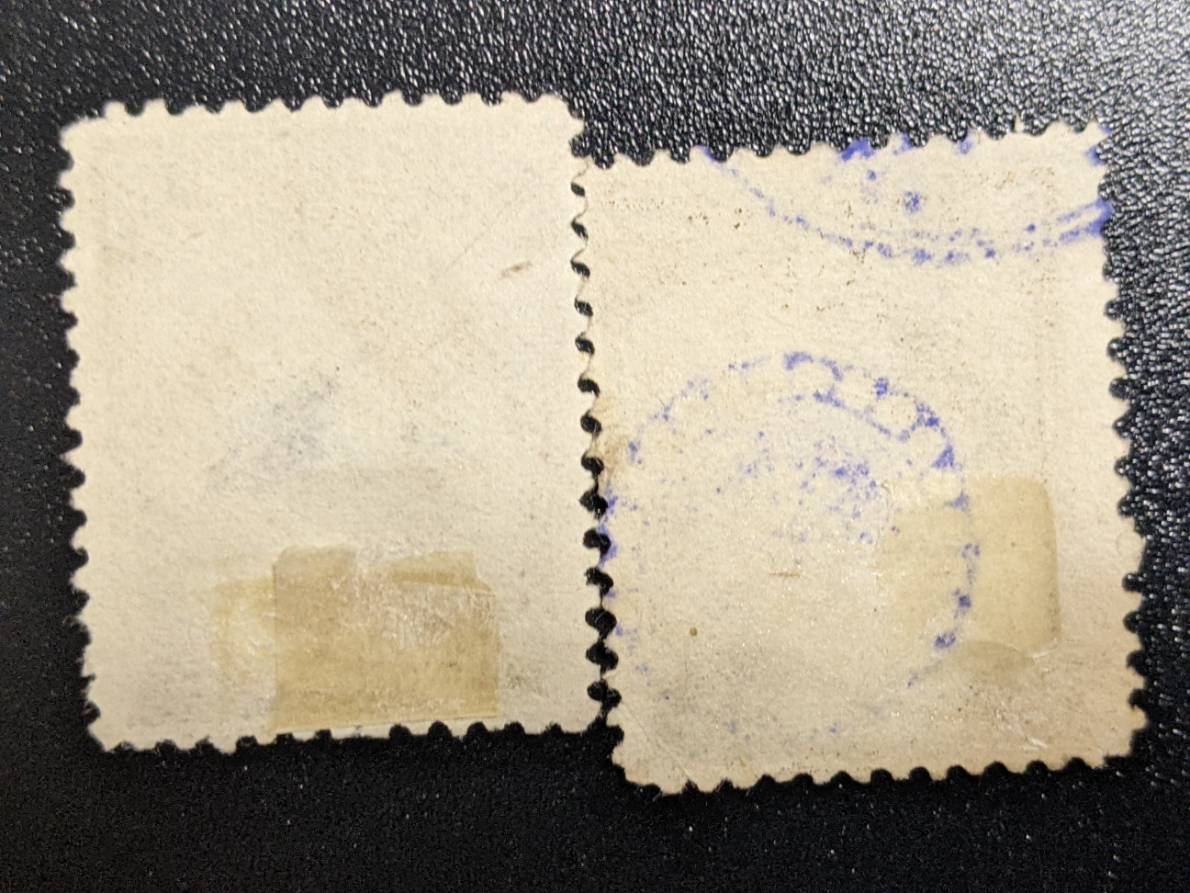 ***Mod fixed title*** ***Mod fixed title*** |
|
Send note to Staff
|
|
|
|
|
Pillar Of The Community
United States
8956 Posts |
|
|
Moderator

United States
12330 Posts |
|
|
Valued Member
Japan
385 Posts |
|
|
So I guess the only difference between the two would be "soft porous paper", because the "without gum" attribute is impossible to tell on a used stamp.
Need to find out what soft porous paper feels/looks like! |
Send note to Staff 
|
|
|
Pillar Of The Community
United States
8956 Posts |
|
|
Valued Member
Japan
385 Posts |
|
|
I like that stamp details of known variety are done in great detail on stampsmarter, but I hope they someday put a rarity meter on each type as well. That way collectors will have a better understanding on what to look for specifically without having to do extensive research on a type that isn't monetarily significant. |
|
Send note to Staff
|
|
|
Bedrock Of The Community
12778 Posts |
|
|
Quote:
Need to find out what soft porous paper feels/looks like! Explore Stamp Smarter and use this forum's search tool. The answers are within. (Excepting the feel part) |
|
Send note to Staff
|
|
|
Valued Member
Japan
385 Posts |
|
|
Oh thanks Peter! Sorry if I'm being repetitive... I just like Convo and especially with people that have extensive knowledge on the topic. I'll try to research more!
And that link was very helpful |
|
Send note to Staff
|
|
|
Moderator
United States
12330 Posts |
|
|
Best ID approach is to assume that 99.9% of the time you will have the more common variety.
Many folks here have been working with stamp for countless decades and never found a Special Printing and we never will. When you see something like 'they were issued only without gum' and you have a used one, asl yourself what the odds would be that someone put gum on one to use it in the mail? If you see that there are only a handful of a variety known but there were hundreds of millions of the common variety printed, you can safely assume that you do not have the rare variety. And keep in mind that the vast majority of this material has been looked through and picked over by countless others before us; the odds that they missed a rare variety is almost 0%.
Don
|
|
Send note to Staff
|
|
|
|
Bedrock Of The Community
United States
10869 Posts |
|
|
There were 170,894,020 examples printed on only two plates. So there was plenty of wear during the run of the issue, and many fine lines disappeared over time. Plus they were mixing ink by daylight, and they must have been refilling the previous day's leftovers with new ink fairly frequently. So shade varieties should be expected. |
|
Send note to Staff
|
|
| |
Replies: 9 / Views: 1,006 |
|




 Posted 11/06/2022 11:37 am


