| Author |
 Replies: 27 / Views: 1,380 Replies: 27 / Views: 1,380 |
|
Valued Member
Bulgaria
398 Posts |
|
|
There are green lines at the left margin and possibly a smudging at the base of this 5 öre ,Sweden 1873/03 stamp. May this be considered to be a variety or it's just a minor printing error ? 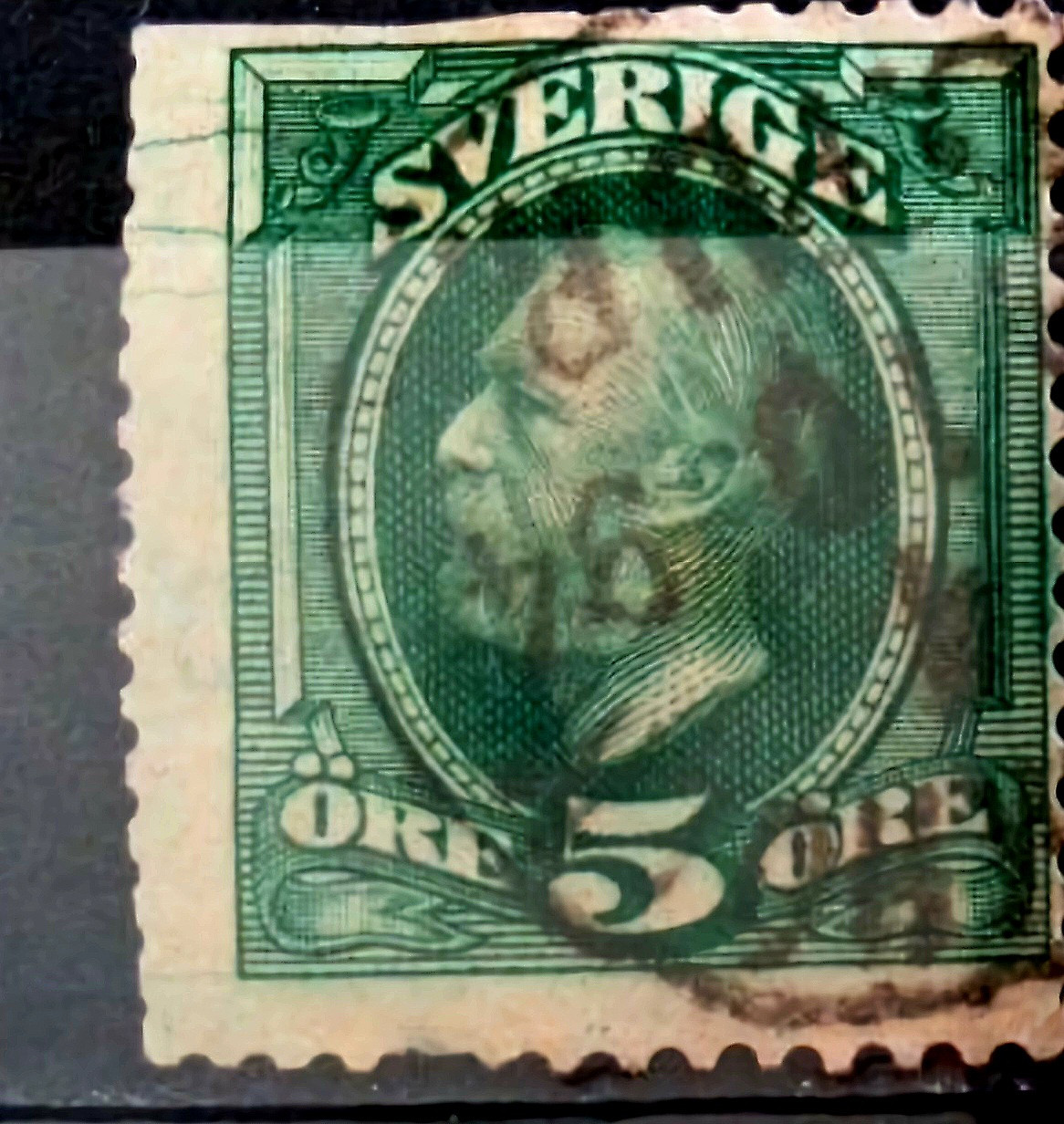 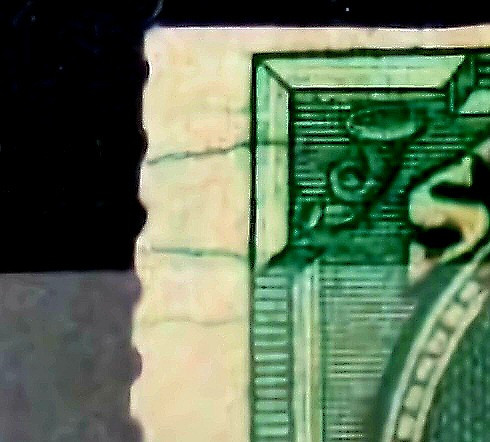 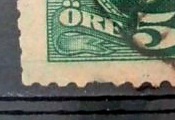 |
|
Send note to Staff
|
|
|
|
|
Pillar Of The Community
Netherlands
6639 Posts |
|
|
Bedrock Of The Community
Australia
38679 Posts |
|
|
Opinion:
Poor husbandry.
It looks as if the ink has run,
I have read on this forum, some members soaking their stamps in boiling water.
This could be an example of the result.
Are they little tears?
|
Send note to Staff 
|
|
|
Pillar Of The Community
United States
3224 Posts |
|
|
The smudge is from ink running from badly done soaking; it's over the whole stamp.
There is a plate crack reported for this stamp but that might be only the variety in the lower right corner. Are the dark lines raised up over the surface of the paper like the stamp design? |
|
Send note to Staff
|
|
|
Pillar Of The Community
France, Metropolitan
3753 Posts |
|
|
These are sheet metal cracks that are colored lines that run out into the margin.
Result of worn plates.The cracks can be found in different areas of the margin. |
|
Send note to Staff
|
|
|
Pillar Of The Community
Canada
1462 Posts |
|
|
Definitely collectible - called "hairlines" when found on Canadian stamps. Found on some issues of the 1900s/1910s. See right margin on this 1908 1c Quebec Tercentenary - 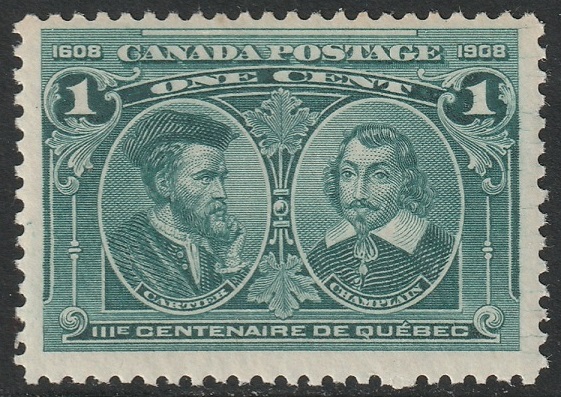 |
|
Send note to Staff
|
| Edited by gmot - 03/02/2023 08:24 am |
|
|
Bedrock Of The Community
12704 Posts |
|
|
Valued Member
Bulgaria
398 Posts |
|
|
As far I can say the stamp was not soaked in to a boiling water or at least I didn't used this unusual technique.
I can't imagine why would someone do such thing at all. There are no thears on the stamp itself,only those green colored lines running through this particular area . They look very much a cracked plate . The lines are at the same level as the design.
The smudging and the lines are on the left side of the stamp. I can't say wath caused the smudging,but the lines are clearly visible there.
|
|
Send note to Staff
|
| Edited by post_pe - 03/02/2023 08:48 am |
|
|
Valued Member
Bulgaria
398 Posts |
|
|
Hy -brasil .
Could you please say, wath catalog were you referring when you wrote about the variety which has a plate cracks only in the lower right corner?
|
|
Send note to Staff
|
| Edited by post_pe - 03/02/2023 09:02 am |
|
|
Valued Member
Bulgaria
398 Posts |
|
|
Pillar Of The Community
United States
3224 Posts |
|
|
post_pe, it is the FACIT catalog, #52v10, which says "plate crack".
We are not accusing you of soaking this stamp in boiling water. But unless you have owned the stamp since it was taken off its envelope in the 1890s-1900s, you cannot say what happened to it before you owned it. It is already faulty as it stands.
If the margin lines are absolutely not raised, they're not plate cracks. |
|
Send note to Staff
|
|
|
Bedrock Of The Community
Australia
38679 Posts |
|
|
All that matters is the truth.
Granted there are hairline on Canadians, but that is comparing apples with oranges.
Cracks on Canadians are generally resultant from plates being bent to fit the circular rotary press.
If the Swedish stamp is indeed "hairline cracks" then they are extraordinary.
Surely they would have appeared in catalogues?
You have heard both arguments, for and against, (which is the object of a good forum) you can accept one or the other.
Or, for truth, get it expertised.
|
|
Send note to Staff
|
| Edited by rod222 - 03/02/2023 5:30 pm |
|
|
Pillar Of The Community
Israel
1237 Posts |
|
|
Quote:
this 5 öre ,Sweden 1873/03 stamp Why do you think it's 1873? According to stampworld and SG this stamp was first issued in 1891. |
|
Send note to Staff
|
|
|
Pillar Of The Community
Canada
1462 Posts |
|
|
Quote:
Granted there are hairline on Canadians, but that is comparing apples with oranges.
Cracks on Canadians are generally resultant from plates being bent to fit the circular rotary press. Yes, thanks for clarifying rod - should have mentioned that with my earlier comment & not muddied the waters. |
|
Send note to Staff
|
|
|
Bedrock Of The Community
Australia
38679 Posts |
|
|
All's good Greg, My query on the stamp, comes partly from ignorance, as I see it, plate cracks, would normally be evidenced in "cliches" that is, impressions built from processes other than steel. Do we know of plate crack of Intaglio plates? I know the "Jubilee Lines" on Brit stamps, were introduced to give more strength to the plate, but I fail to recall plate cracks other than the Canadians, and the Australian King George V Educate me, people  To correct myself already, I guess as the Swedish Catalogue lists a Hairline crack, I guess this series is one example ! |
|
Send note to Staff
|
| Edited by rod222 - 03/02/2023 10:07 pm |
|
|
Pillar Of The Community
United States
3224 Posts |
|
|
Intaglio/recess/engraving plate cracks: gmot's example is certainly one example. Not spectacular, perhaps, but there they are. And like any engraved line, a crack will fill with ink and print. A flashier one in the bottom two stamps here: https://bid.siegelauctions.com/lots...rack-11a-varUS Washington-Franklins, classic Canada have engraved stamps that can have plate cracks, major to minor. Ink flow: this much ink would not be preserved as such in engraved printing. It would be flattened and spread into a smear, enough that the print would be rejected, I'm sure. Here's one of two current examples online at the moment stated to be 52v10, this from a specialist dealer: 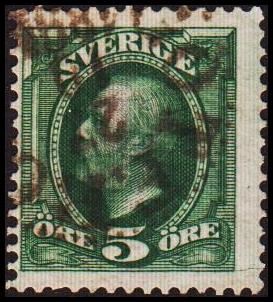 |
|
Send note to Staff
|
| Edited by hy-brasil - 03/02/2023 11:05 pm |
|
|
Replies: 27 / Views: 1,380 |
|



 Posted 03/02/2023 03:49 am


