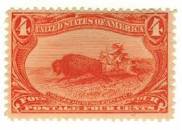
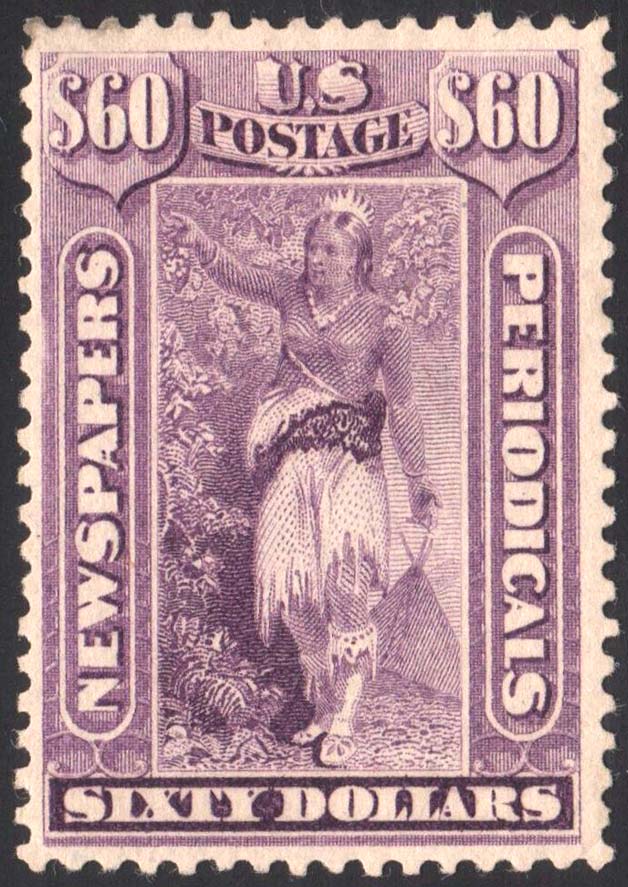
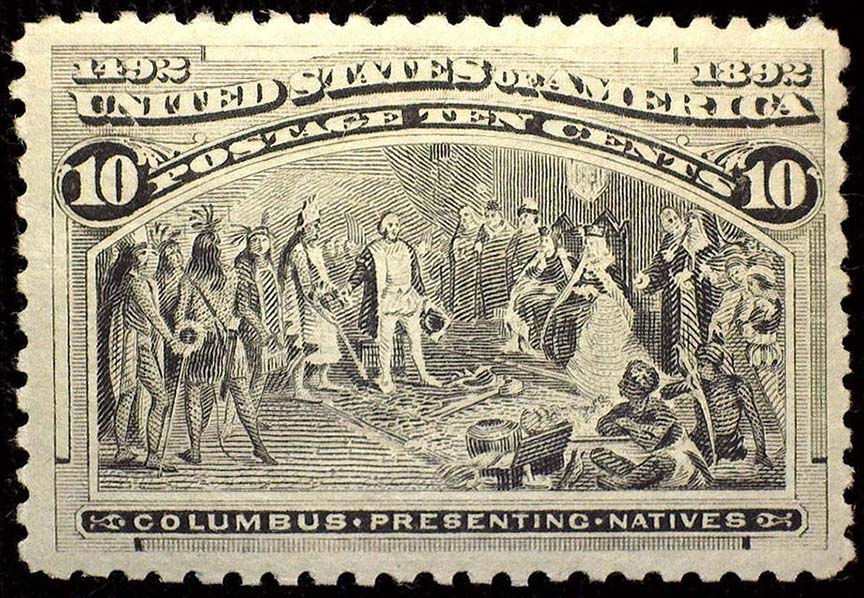
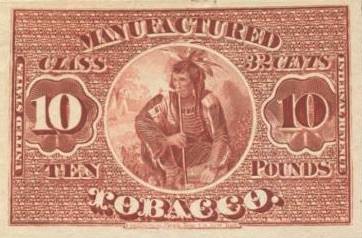
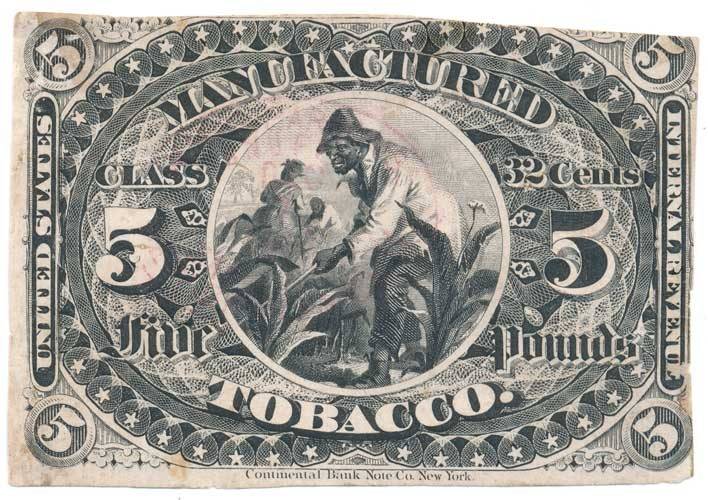
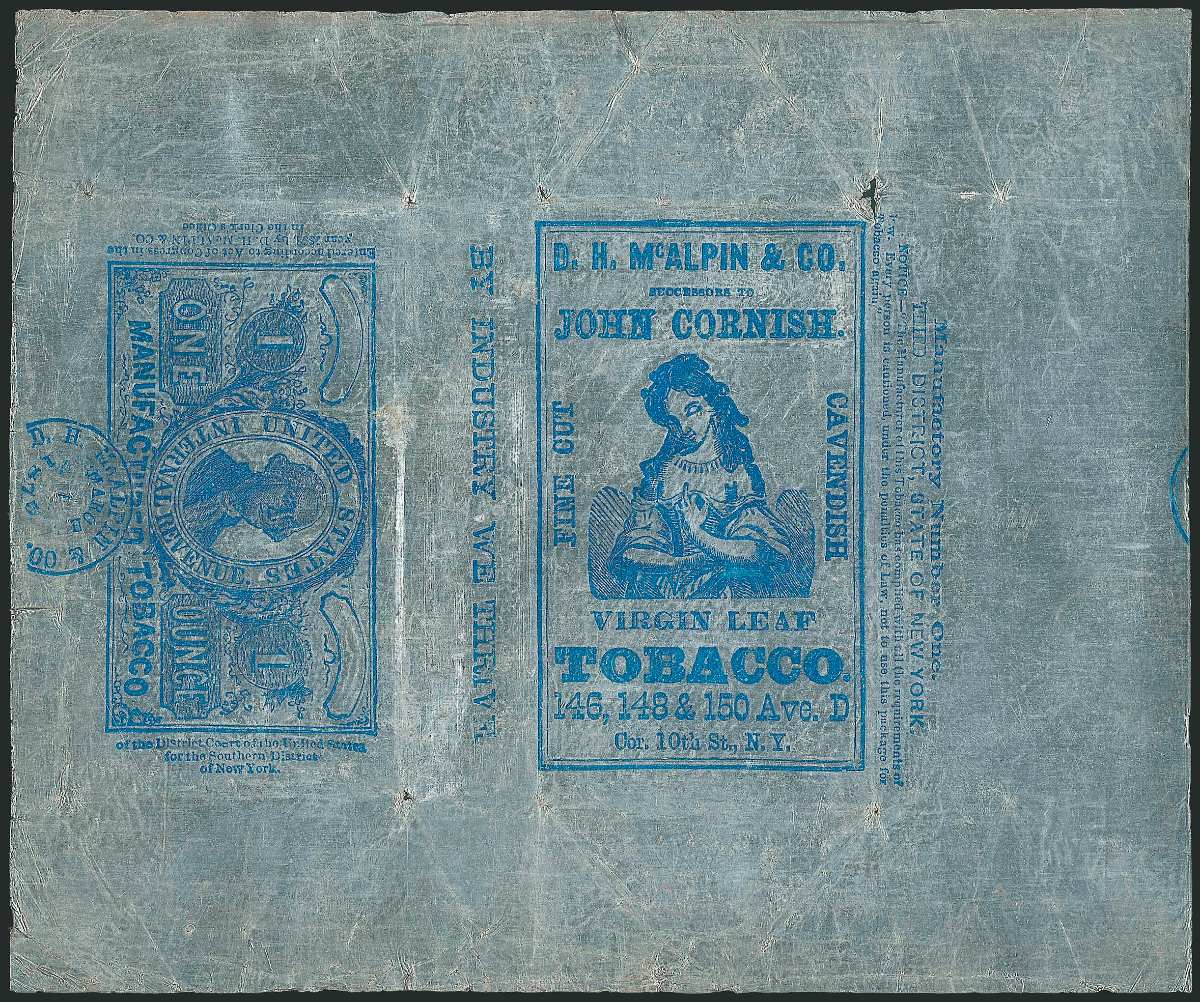
The Capitol's Statue of Freedom was not based upon an Native American. I mention this because it was cited here, shown, then removed then removed. The text remains. In fact the design was not even created in the USA.
1913 saw the first name known Native American on coinage, Iron Tail, was his name and appeared on the so called Buffalo Nickle. The so called Indian Head Penny (1859-1909) was not an native American, rather it was Lady Liberty in an Indian Headdress.
While it is important that
we, the USA did show native Americans early in our history of official materials, actually showing a real known person is more significant in my opinion.
Quote:
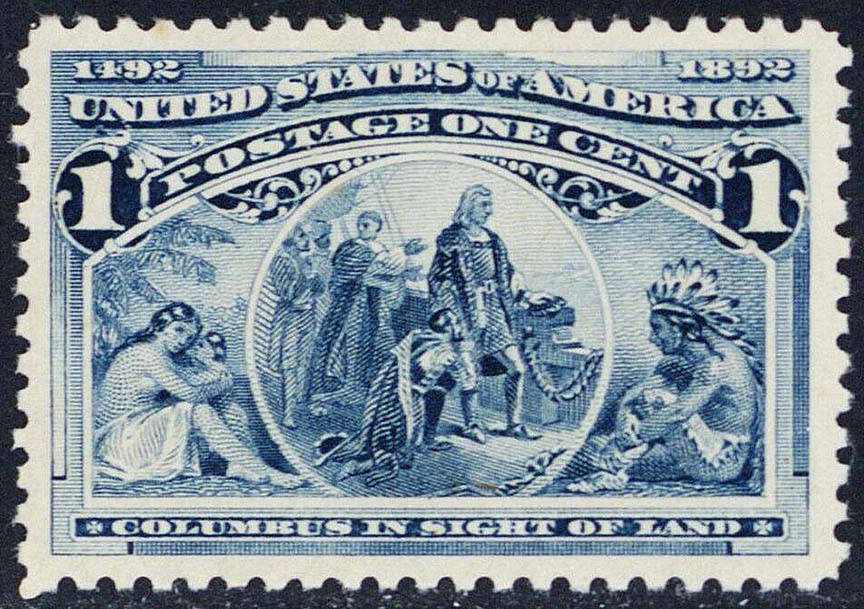
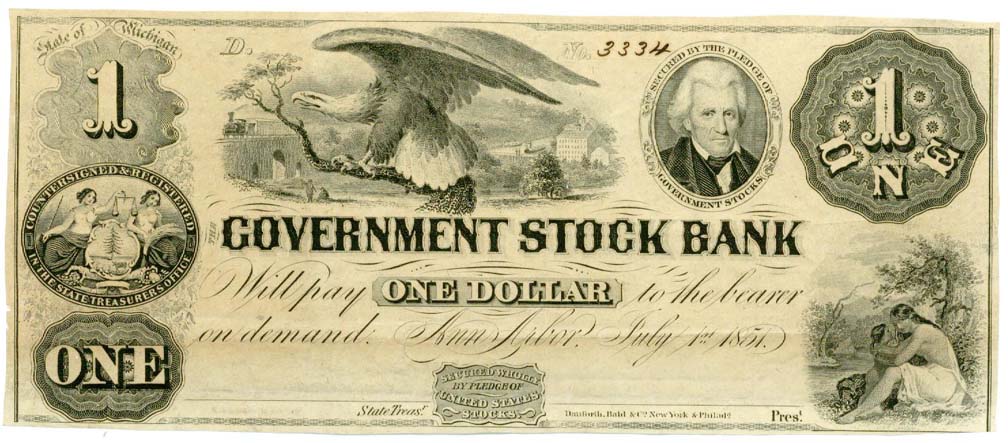
It's interesting that Native Americans appeared on U.S. currency much earlier, as far back as the 1830s. Here is a banknote from 1851, from which American Bank Note Co. copied the Indian mother and child that was used on the 1¢ Columbian.
Currency in circulation , but not Federally Issued Currency. The first showing of a Native American on Federally issued currency occurred in 1899:
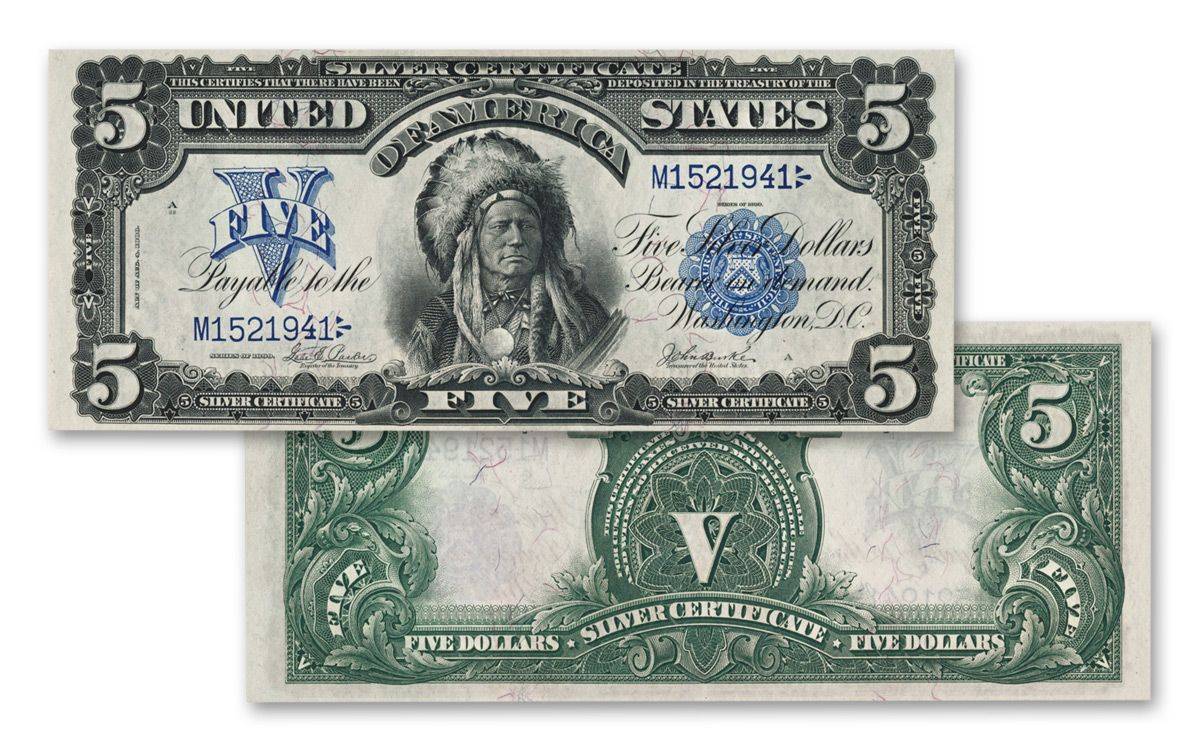
The image is of Running Antelope, 1821-1896, he did not live to see the note.
Boy did this note create a controversy, but not one you would expect.
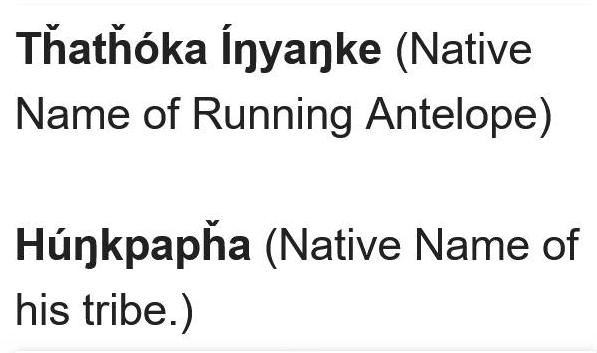
T#543;at#543;óka Í#331;ya#331;ke (see below image), a Chief of the Onepapa
(Hú#331;kpap#543;a) (see below image) Lakota Sioux was shown in a Pawnee headdress as the correct Lakota headdress was too tall to fit into the image wanted. The BEP made the change without understanding the Pawnee and Lakota were mortal enemies.
.





 Posted 06/28/2023 12:11 am