Stamp Community Family of Web Sites
Thousands of stamps, consistently graded, competitively priced and hundreds of in-depth blog posts to read


Stamp Community Forum
 
Username:
Password:
Save Password
Forgot your Password?

This page may contain links that result in small commissions to keep this free site up and running.

Welcome Guest! Registering and/or logging in will remove the anchor (bottom) ads. It's Free!

APS 24c Banknote For Certification

Previous Page | Next Page    
 
To participate in the forum you must log in or register.
Author Previous TopicReplies: 34 / Views: 2,910Next Topic
Page: of 3
Valued Member
Japan
385 Posts
Posted 08/08/2023   11:14 am  Show Profile Bookmark this reply Add Stephen-P to your friends list  Get a Link to this Reply
Searched long and hard in the PF's database but it was never found. That's kind of surprising. Seems like they would also want the PF's opinion after a result like that. Who knows.

The reason I brought it up in the first place was because I have one showing the same horizontal pattern.
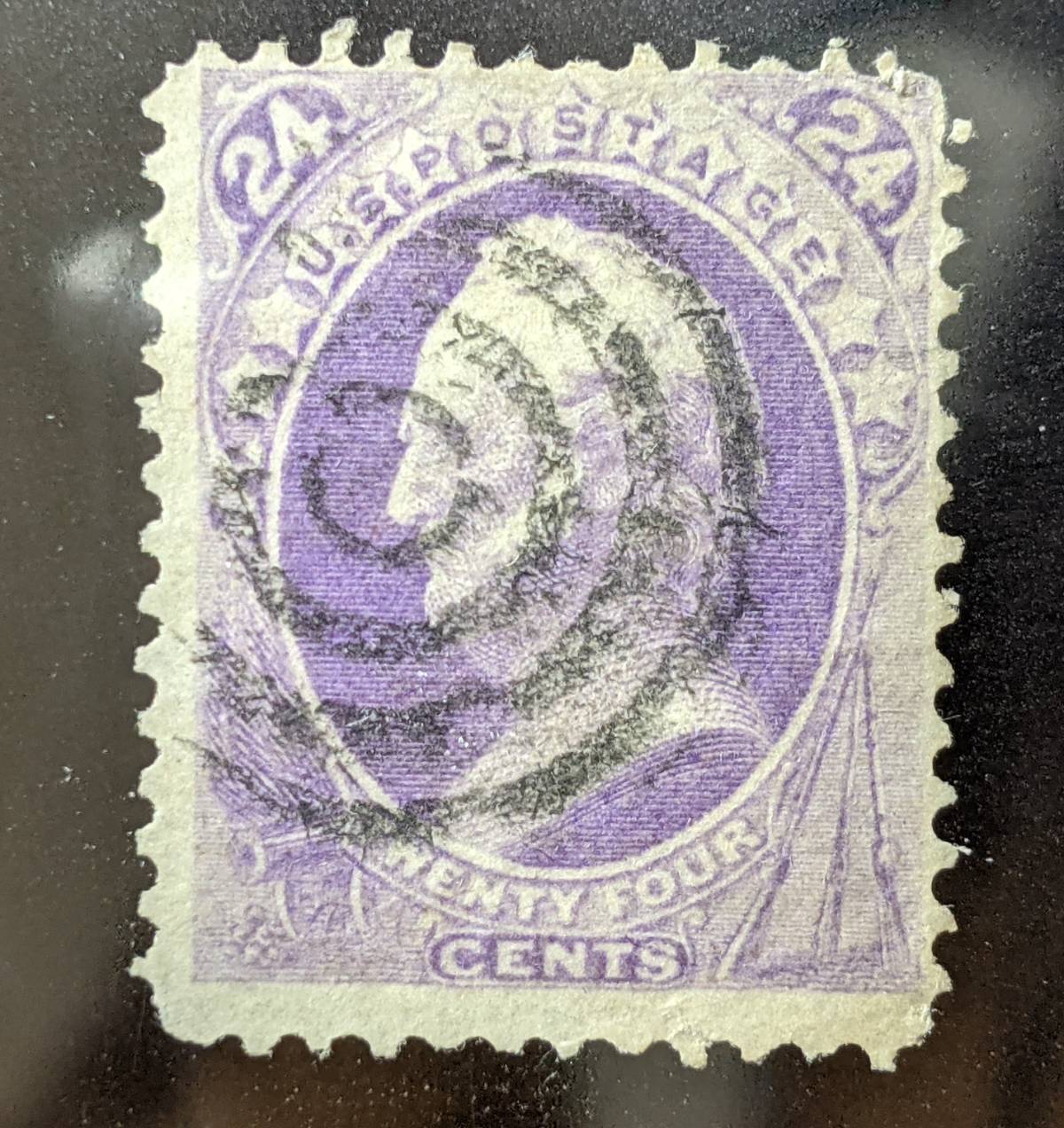
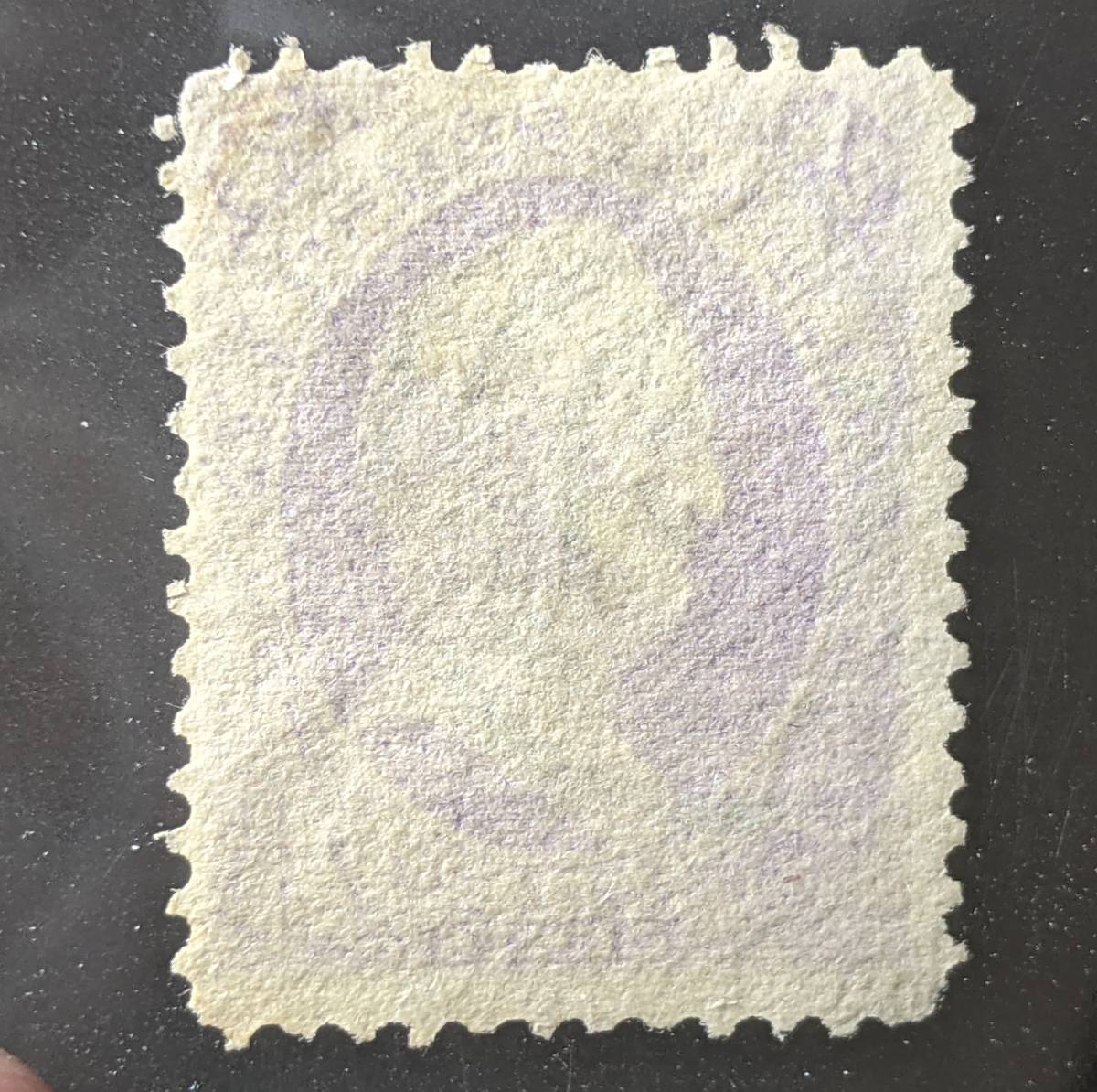


I also have some questions for the professionals here about the differences between National and Continental paper. According to this article:
https://www.angelfire.com/wa/andyhi...aperFAQ.html
Steele was on a push towards cheaper alternatives during his stint at the CNbc. This led to many experiments, as well as a standard

Quote:
hard white wove cotton rag paper with a "yellowish" cast to the paper. More heavely calendered, the short fibers tended to "cluster" into little "islands" of short fibers surrounded by areas of less dense concentrations of pulp fiber.


This, as opposed to a more uniform paper with a "dirty dishwater gray" tone found on the Nationals.

When I compare the 24c here with my other 153s + Nationals (that are easily identifiable without "Secret Marks"), the texture and coloring are just as described in what's stated above and according to Steele himself.
In your opinions, would the ribbed paper variety honestly be the only way to determine authenticity of a 164? What about silk fibers, double paper, intermediate paper, or the multitude of other recognized varieties within Continental's experimental phase?

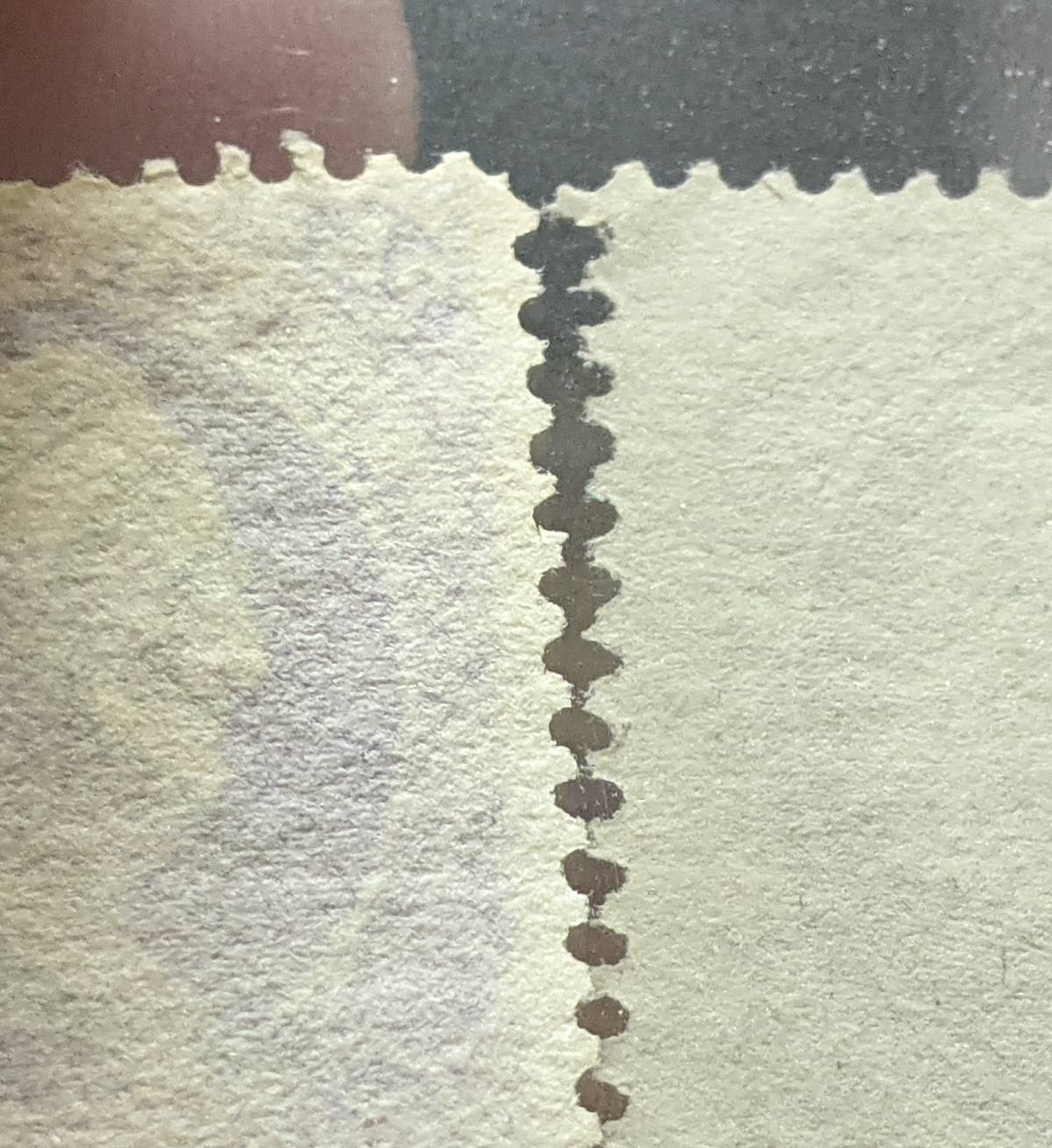
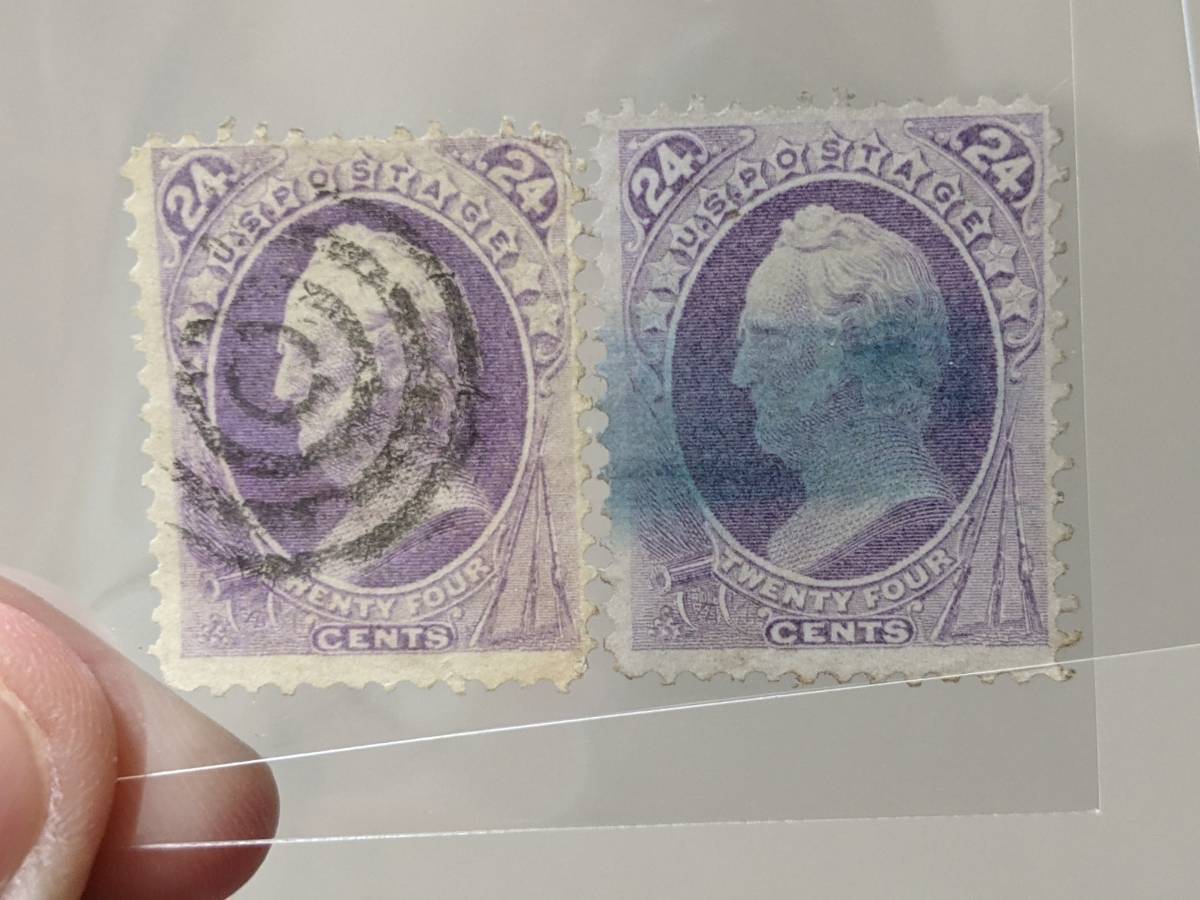
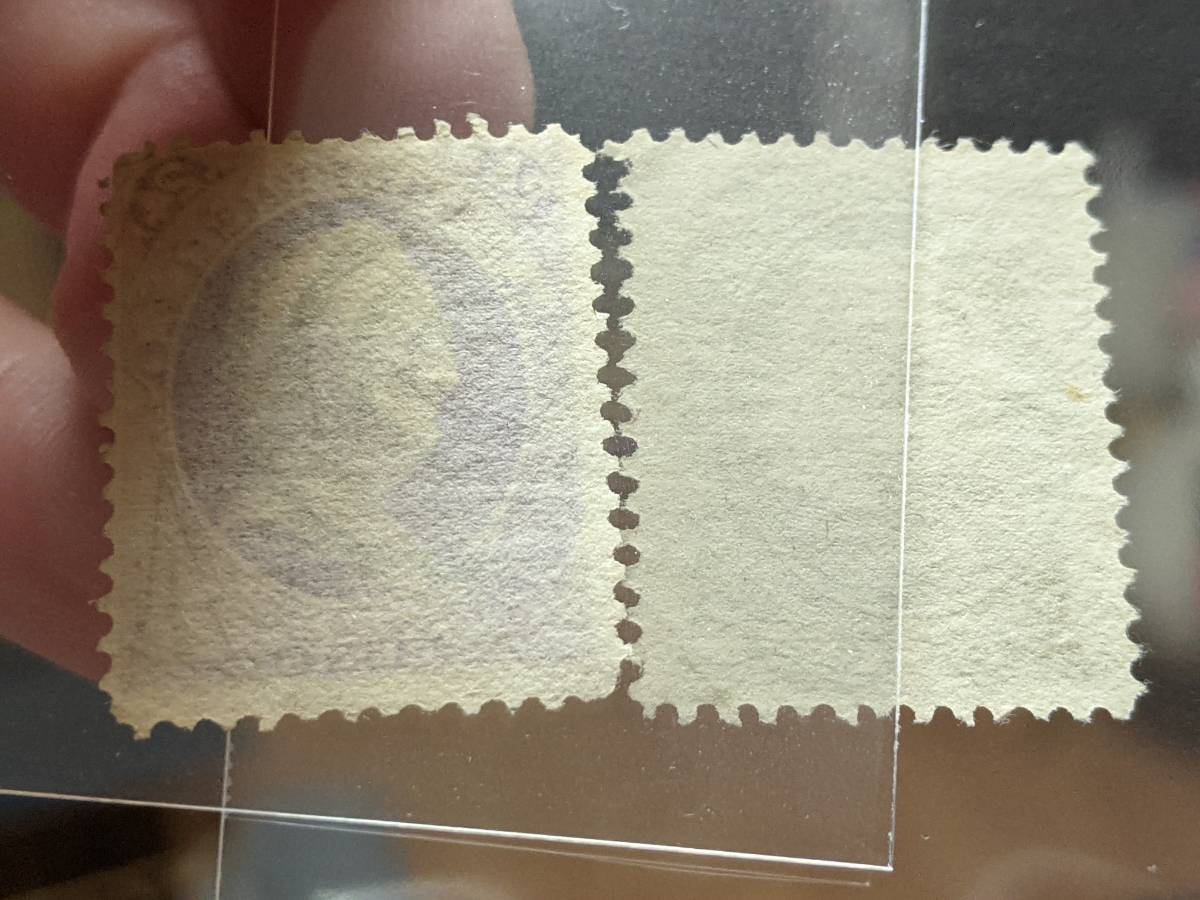
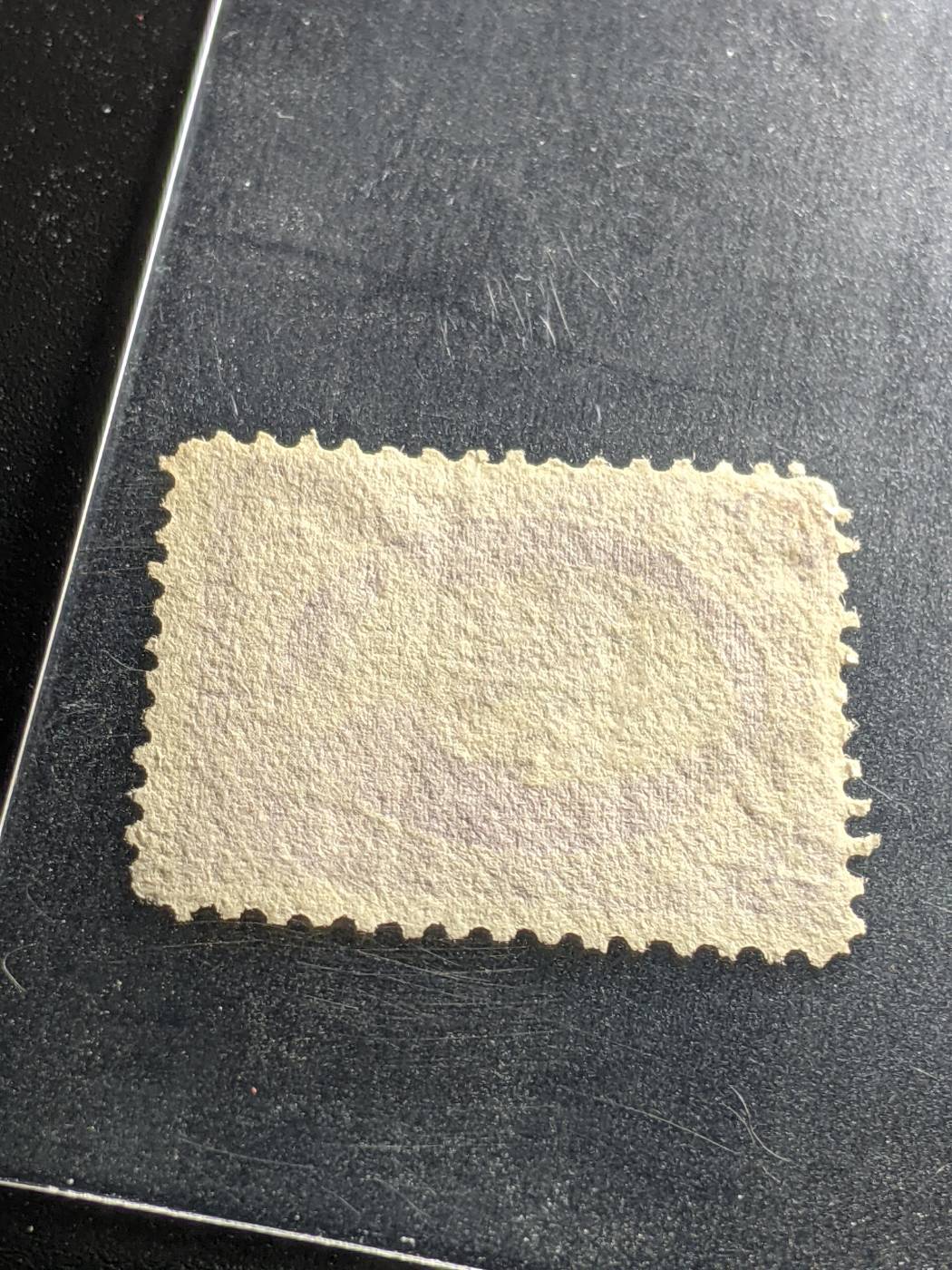
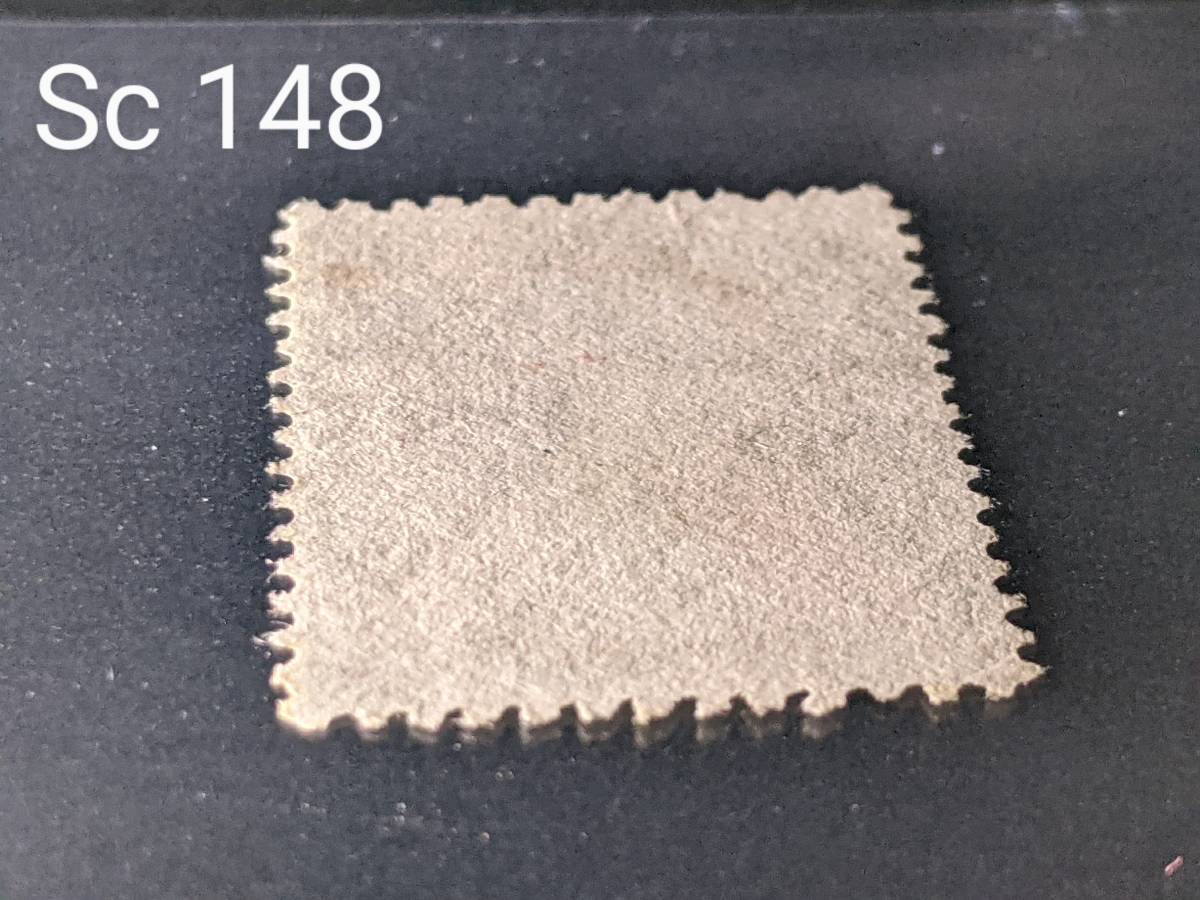
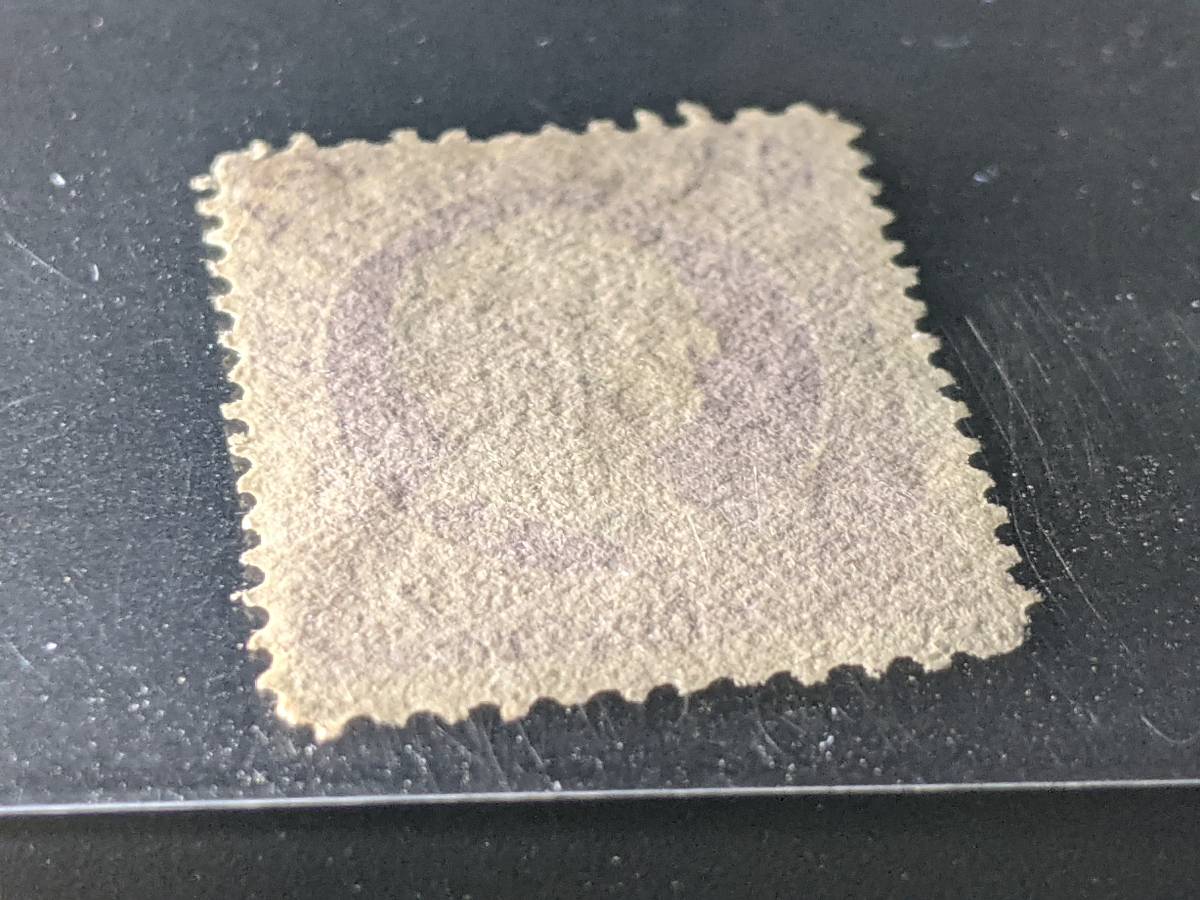
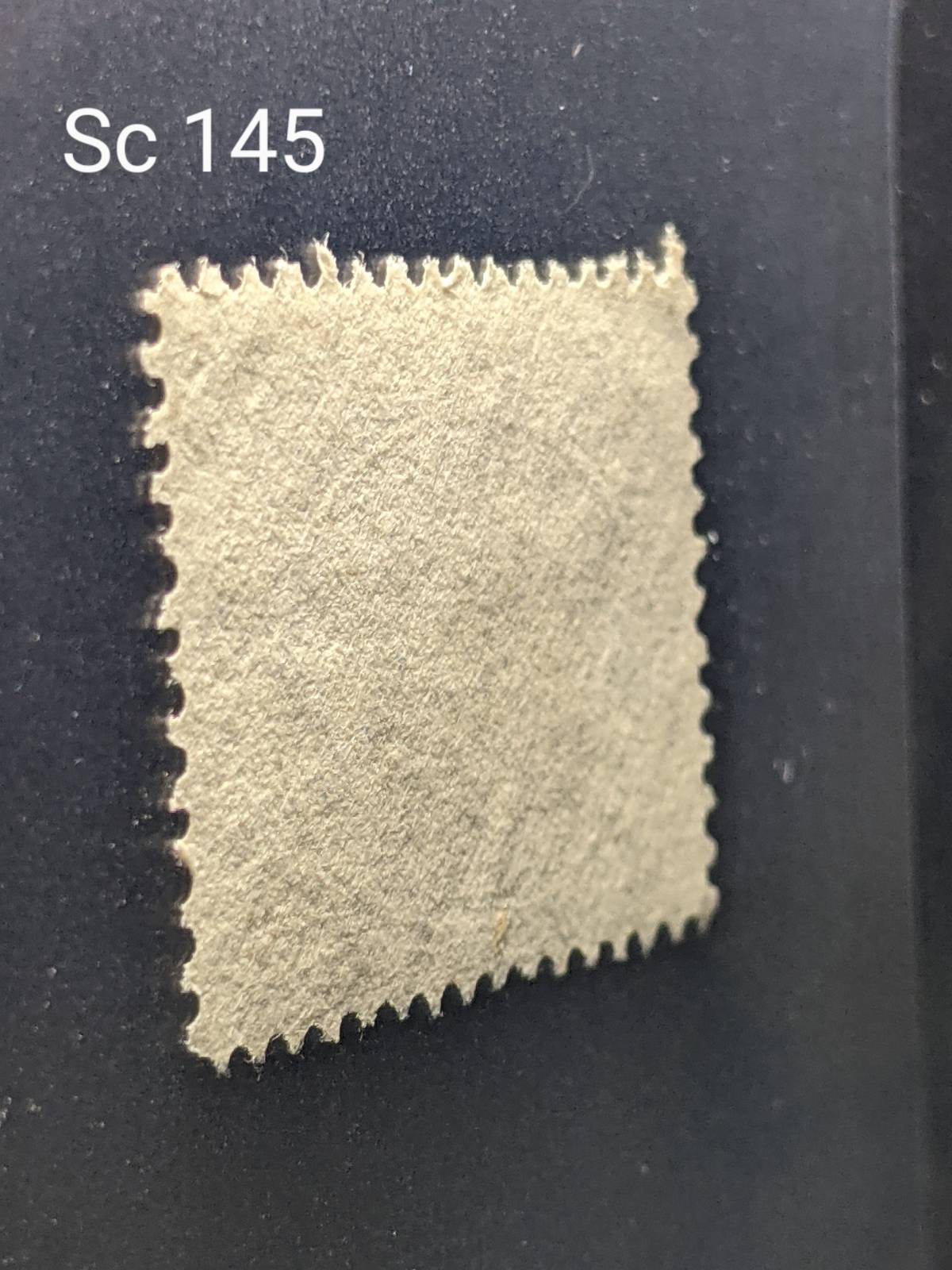
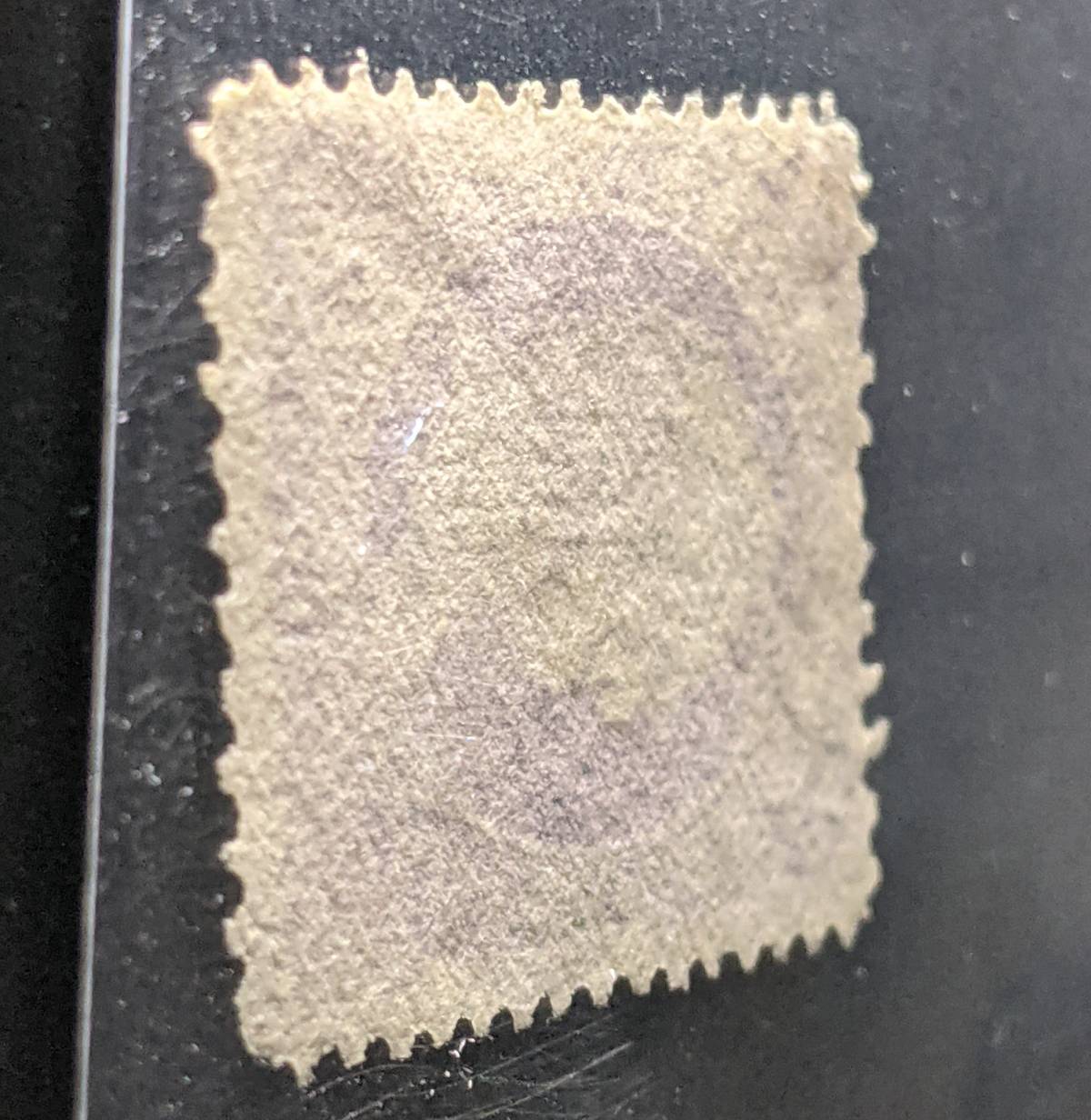
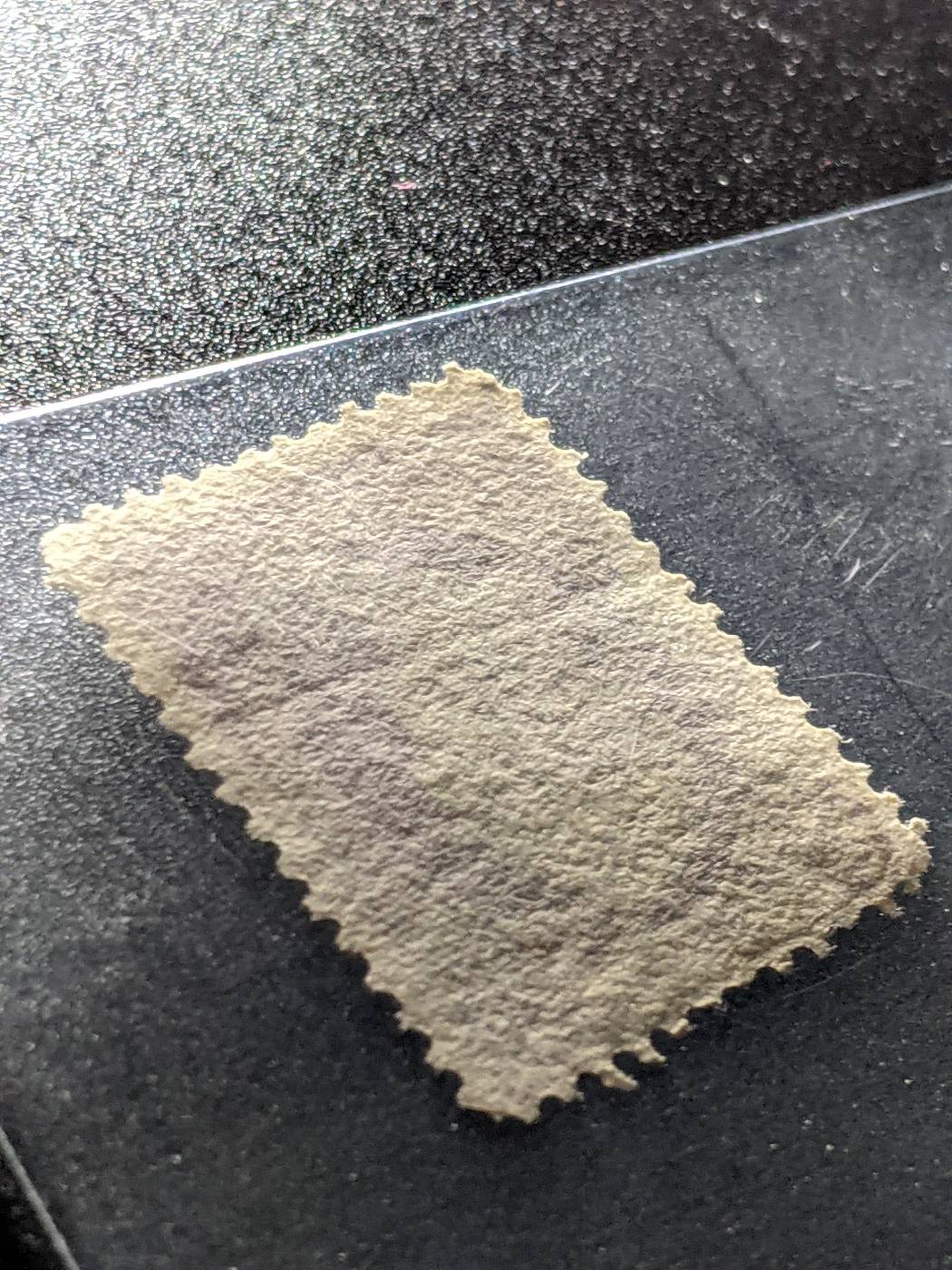
Here's some photos under different angles + lighting and comparison shots.
It's so mottled that the pattern shifts completely with a slight turn.
If a piece has text in it, it's showing you a different stamp (issued by National) under the same lighting:

Send note to Staff  Go to Top of Page
Pillar Of The Community
Learn More...
Netherlands
641 Posts
Posted 08/08/2023   11:28 am  Show Profile Bookmark this reply Add Dutch US Stamp Collector to your friends list  Get a Link to this Reply
i am not seeing it
Send note to Staff  Go to Top of Page
Bedrock Of The Community
12552 Posts
Posted 08/08/2023   12:06 pm  Show Profile Bookmark this reply Add rogdcam to your friends list  Get a Link to this Reply
Nor am I.
Send note to Staff  Go to Top of Page
Valued Member
Japan
385 Posts
Posted 08/08/2023   12:23 pm  Show Profile Bookmark this reply Add Stephen-P to your friends list  Get a Link to this Reply
Certainly doesn't show up as perfectly as the one above, but there are lines and mesh similar to that seen on soft paper. Just curious what people here think about the info/link I posted as well.


Send note to Staff  Go to Top of Page
Bedrock Of The Community
12552 Posts
Posted 08/08/2023   1:34 pm  Show Profile Bookmark this reply Add rogdcam to your friends list  Get a Link to this Reply
When these things come up there needs to be a revisit to how the paper was produced for these classic stamps.
Send note to Staff  Go to Top of Page
Valued Member
Japan
385 Posts
Posted 08/09/2023   08:44 am  Show Profile Bookmark this reply Add Stephen-P to your friends list  Get a Link to this Reply

Quote:
When these things come up there needs to be a revisit to how the paper was produced for these classic stamps.


I agree, Rog.
Ribbing, double paper, silk (black) fibers, blue and purple fibers, linen finish, varying degrees of both hard and soft wove papers, etc. etc...
I absolutely love the distinctness of variety in the Banknotes, and don't know why the series isn't more popular.

To reiterate my question from before, why is "ribbed paper" the only way to validate a potential 164 despite the sea of potential differences found within continental printings?
Send note to Staff  Go to Top of Page
Bedrock Of The Community
United States
10587 Posts
Posted 08/09/2023   12:12 pm  Show Profile Bookmark this reply Add revcollector to your friends list  Get a Link to this Reply
My understanding is that only CBN used ribbed paper.
Send note to Staff  Go to Top of Page
Pillar Of The Community
United States
1942 Posts
Posted 09/13/2023   6:22 pm  Show Profile Bookmark this reply Add essayk to your friends list  Get a Link to this Reply

Quote:
Just curious what people here think about the info/link I posted as well.


From 1998-99 he blends factual info with creative speculation that is unreliable. Case in point, in his page on silk paper he details four types of fibers, all of which consist of red and/or blue fibers. These have been discredited by lab analysis since his writing. But more to the point, he completely overlooks the tiny black fibers which are the surest marker for silk paper on postage stamps of CNBCo.

Use caution when reading his remarks.
Send note to Staff  Go to Top of Page
Valued Member
495 Posts
Posted 09/13/2023   7:43 pm  Show Profile Bookmark this reply Add canyoneer to your friends list  Get a Link to this Reply
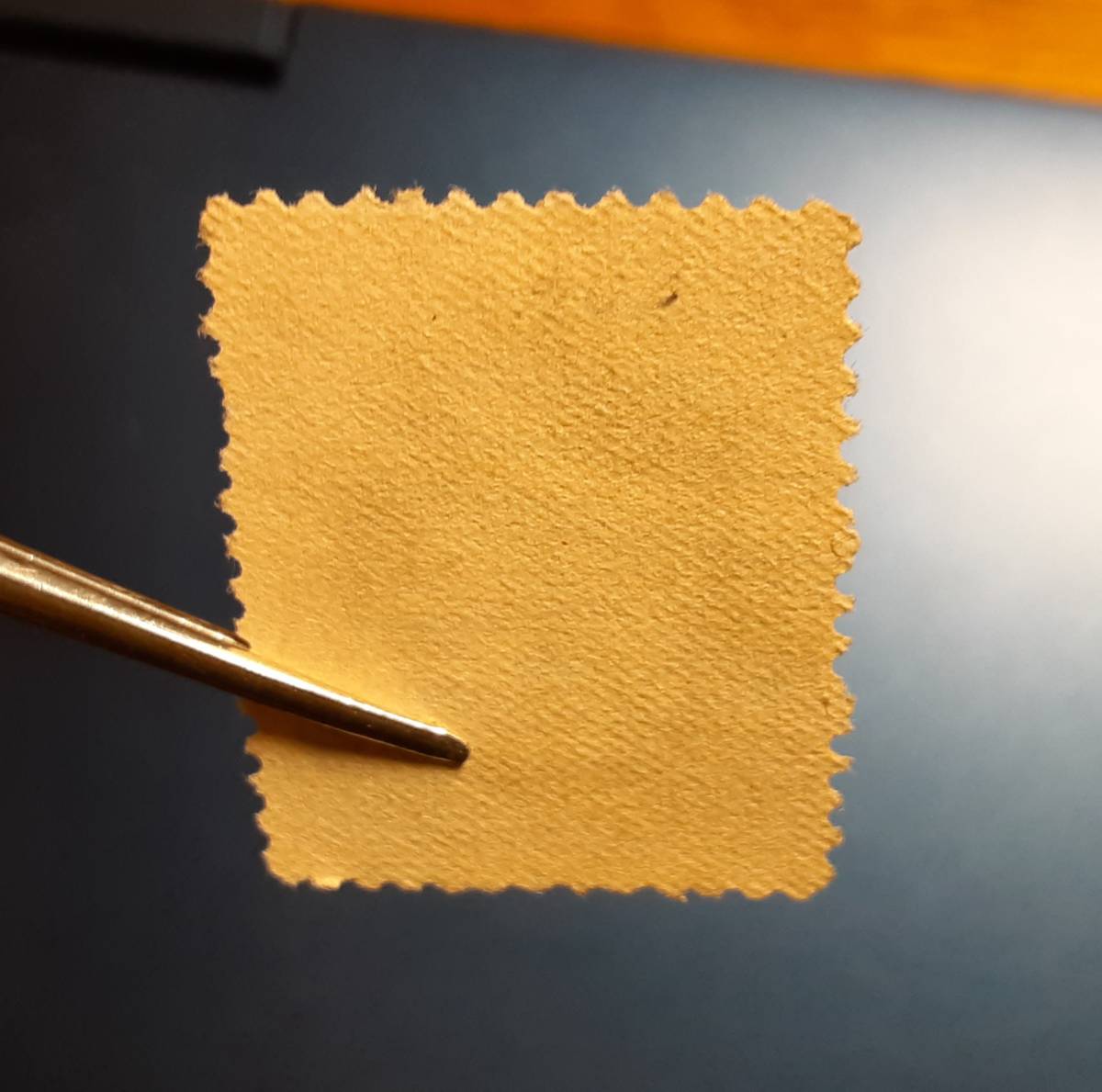
I'll throw a crazy theory out here. I use a Thor Stamp Press after soaking when removing old hinges from stamps. When I used the blotter pads/plastic interleaves that came with it, those would leave a texture similar to what I see on your stamp (especially if too much pressure was used). I ended up replacing those with non-textured blotter and interleaves. From that point on everything was nice and smooth.
Send note to Staff  Go to Top of Page
Bedrock Of The Community
12552 Posts
Posted 09/13/2023   7:57 pm  Show Profile Bookmark this reply Add rogdcam to your friends list  Get a Link to this Reply
Now that you mention it the pattern strongly resembles that of a paper towel such as Bounty in the old days. Hmmmmm
Send note to Staff  Go to Top of Page
Pillar Of The Community
United States
790 Posts
Posted 09/14/2023   07:39 am  Show Profile Bookmark this reply Add m and m to your friends list  Get a Link to this Reply
the thought that comes to mind is that it is an impression of the surface of the material used to dry the newly made paper. as for the variety in the papers I would repeat my earlier statement:

imo the fibers are most often from the jute or sisal bags that were added along with rags into the mix. they appear as dark brown or black rather than blue or red of the silk type experimental or regularly issued papers. they could also be shreds of tree bark.
Send note to Staff  Go to Top of Page
Moderator
Learn More...
United States
5094 Posts
Posted 09/14/2023   11:30 am  Show Profile Bookmark this reply Add Partime to your friends list  Get a Link to this Reply
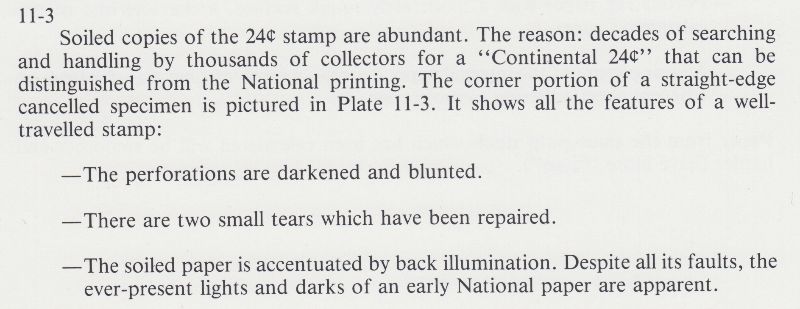
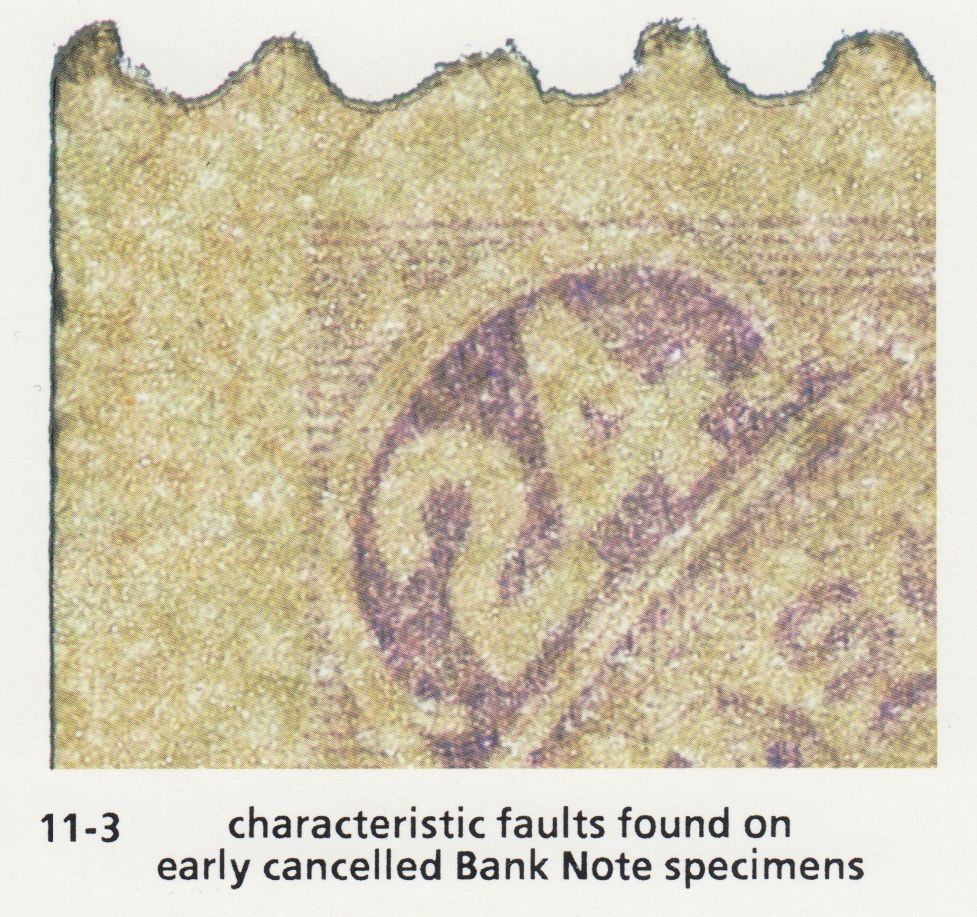
Not an expert by any means, but I do have the book, "The papers and gums of United States postage stamps, 1847-1909" by R.H. White. In such book, he states that the National paper varieties are easily distinguished as such (Plate 11-3):


Hence, it appears that a (sort of) simple way of detecting the National Paper is through the presence of light and dark areas.
Send note to Staff  Go to Top of Page
Valued Member
Japan
385 Posts
Posted 09/14/2023   10:37 pm  Show Profile Bookmark this reply Add Stephen-P to your friends list  Get a Link to this Reply
Very interesting Partime. Is Mr. White implying that Continentals do not have a similar spread of light/dark areas under backlight? Or perhaps that they can be told apart by this method?

*edit* If so, does the book have the same type of image, but with a continental paper rather than an early National that lays out specifically what to look for when making the distinction?
Send note to Staff  Go to Top of Page
Edited by Stephen-P - 09/14/2023 10:47 pm
Valued Member
Japan
385 Posts
Posted 09/14/2023   10:44 pm  Show Profile Bookmark this reply Add Stephen-P to your friends list  Get a Link to this Reply

Quote:
those would leave a texture similar to what I see on your stamp


Makes sense, Canyoneer. Could you show us one for the sake of reference?


Quote:
But more to the point, he completely overlooks the tiny black fibers which are the surest marker for silk paper on postage stamps of CNBCo.


Yes, this is a problem. The little black fibers aren't the only difference in the overall stamp, and you can tell them apart many times by their color alone. He must have not had any experience with them, or didn't bother taking the claims seriously enough to study them.
Send note to Staff  Go to Top of Page
Valued Member
495 Posts
Posted 09/15/2023   06:54 am  Show Profile Bookmark this reply Add canyoneer to your friends list  Get a Link to this Reply
Stephen, here's an example of the pattern left by the stamp press on an American Banknote 1c.


Send note to Staff  Go to Top of Page
Page: of 3 Previous TopicReplies: 34 / Views: 2,910Next Topic  
Previous Page | Next Page
 
To participate in the forum you must log in or register.

Go to Top of Page

Disclaimer: While a tremendous amount of effort goes into ensuring the accuracy of the information contained in this site, Stamp Community assumes no liability for errors. Copyright 2005 - 2026 Stamp Community Family - All rights reserved worldwide. Use of any images or content on this website without prior written permission of Stamp Community or the original lender is strictly prohibited.
Privacy Policy / Terms of Use    Advertise Here
Stamp Community Forum © 2007 - 2026 Stamp Community Forums
It took 0.3 seconds to lick this stamp. Powered By: Snitz Forums 2000 Version 3.4.05