Quote:
How can you see mine are different from the video?
That is not the correct question. The question is how can you see those in the video are different from yours?
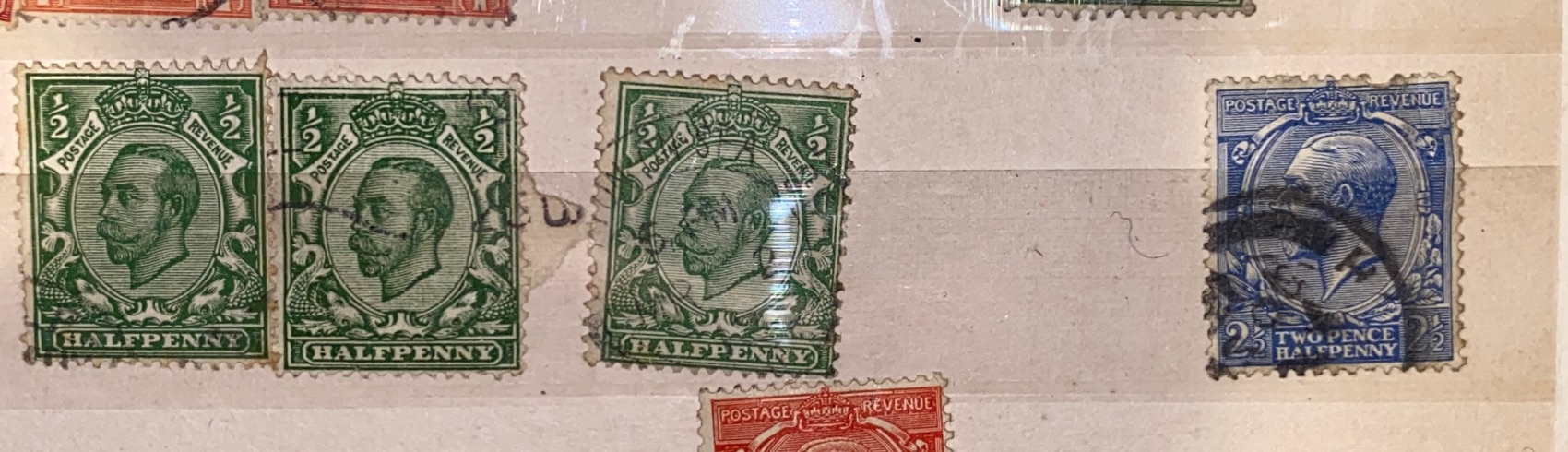
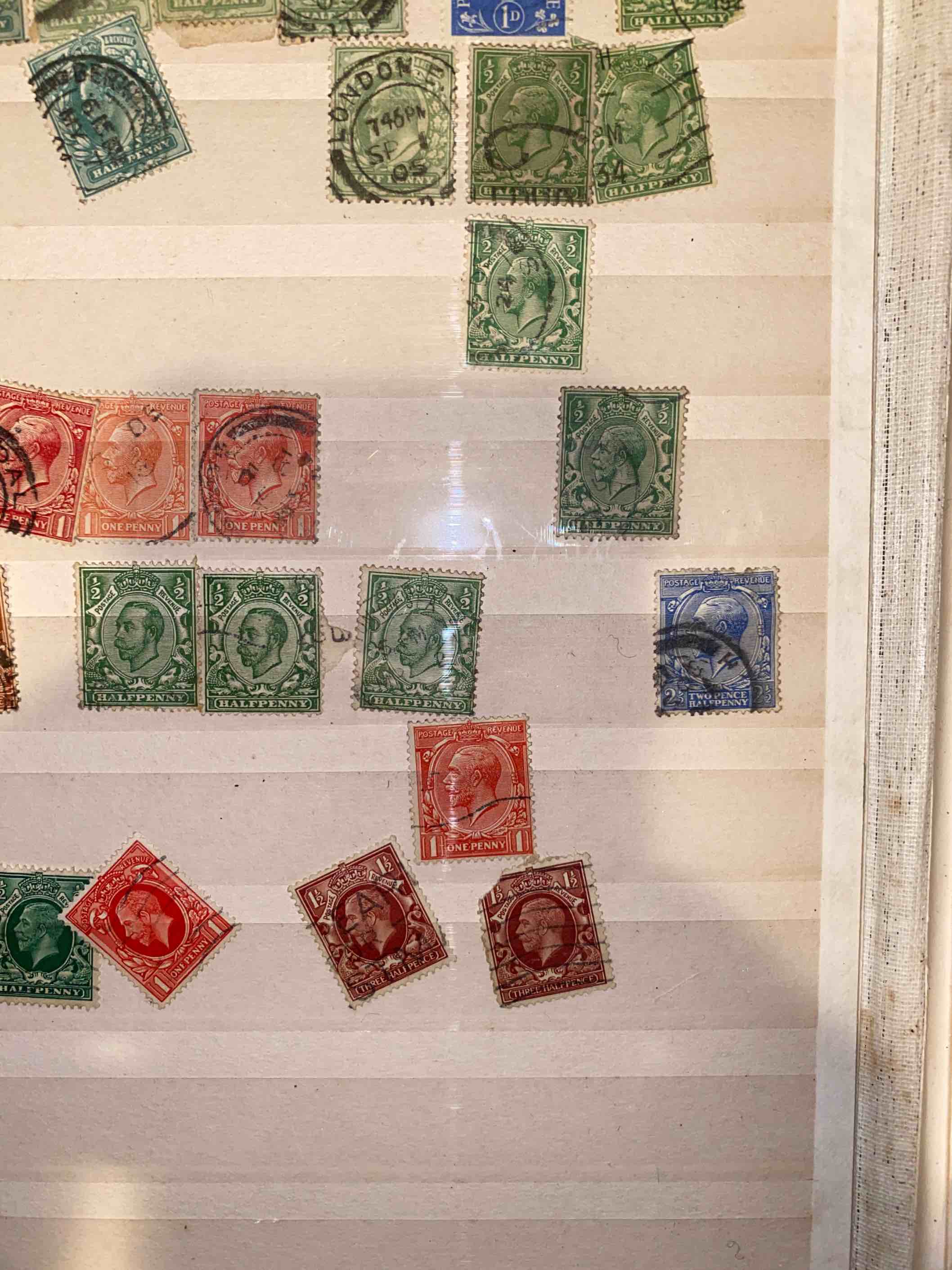
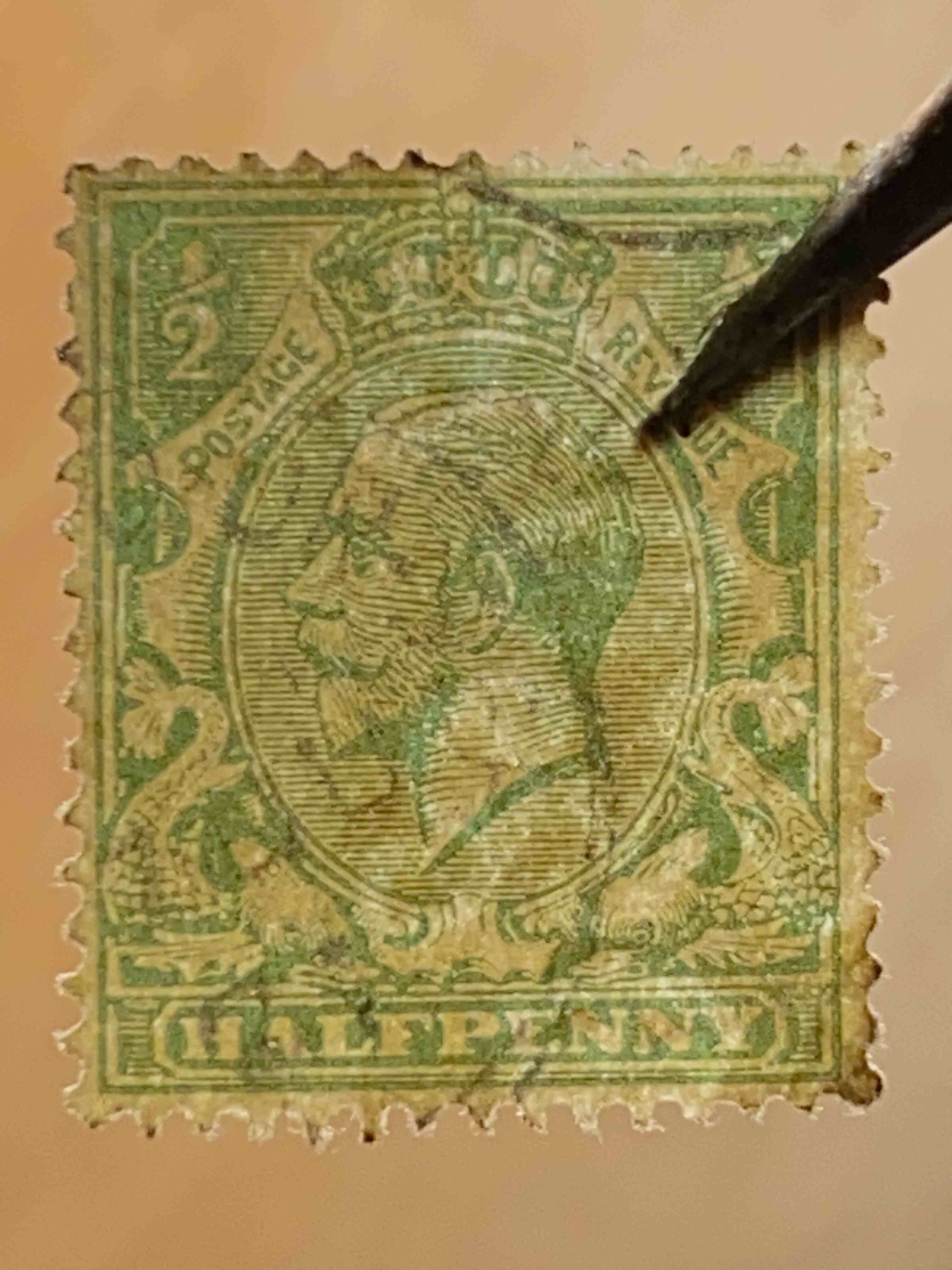
These are stamps that paid basic postage rates. Many were printed and many were used.
They were used and printed over a long period of time (the first three in your first picture were used only two or three years but paid the Empire postcard rate). The many prints caused slight variations in colour, known as 'shades.'
- This is the part where Don gets a fit, because, technically, they are not shades. - Most people do not care about these colour variations. Some sillier collectors, like I, happily part with money to pay extra for some 'shades.'
Because you do not know where used stamps have been, 'shades' on used stamps may just be caused by external influences. You might struggle to sell even the rare ones used at a premium.
To give you some indication (I am quoting somewhat older prices for unmounted mint stamps):
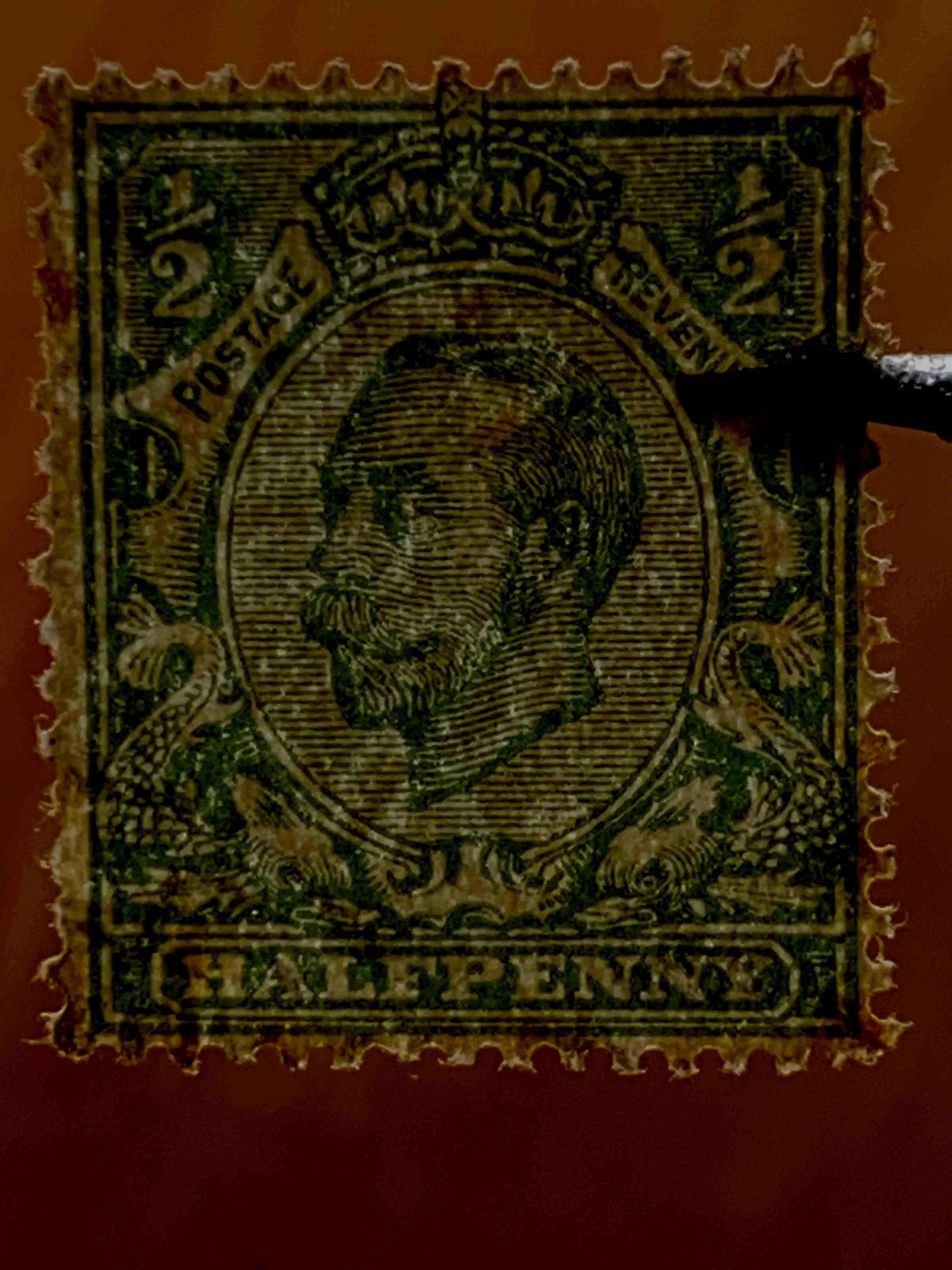
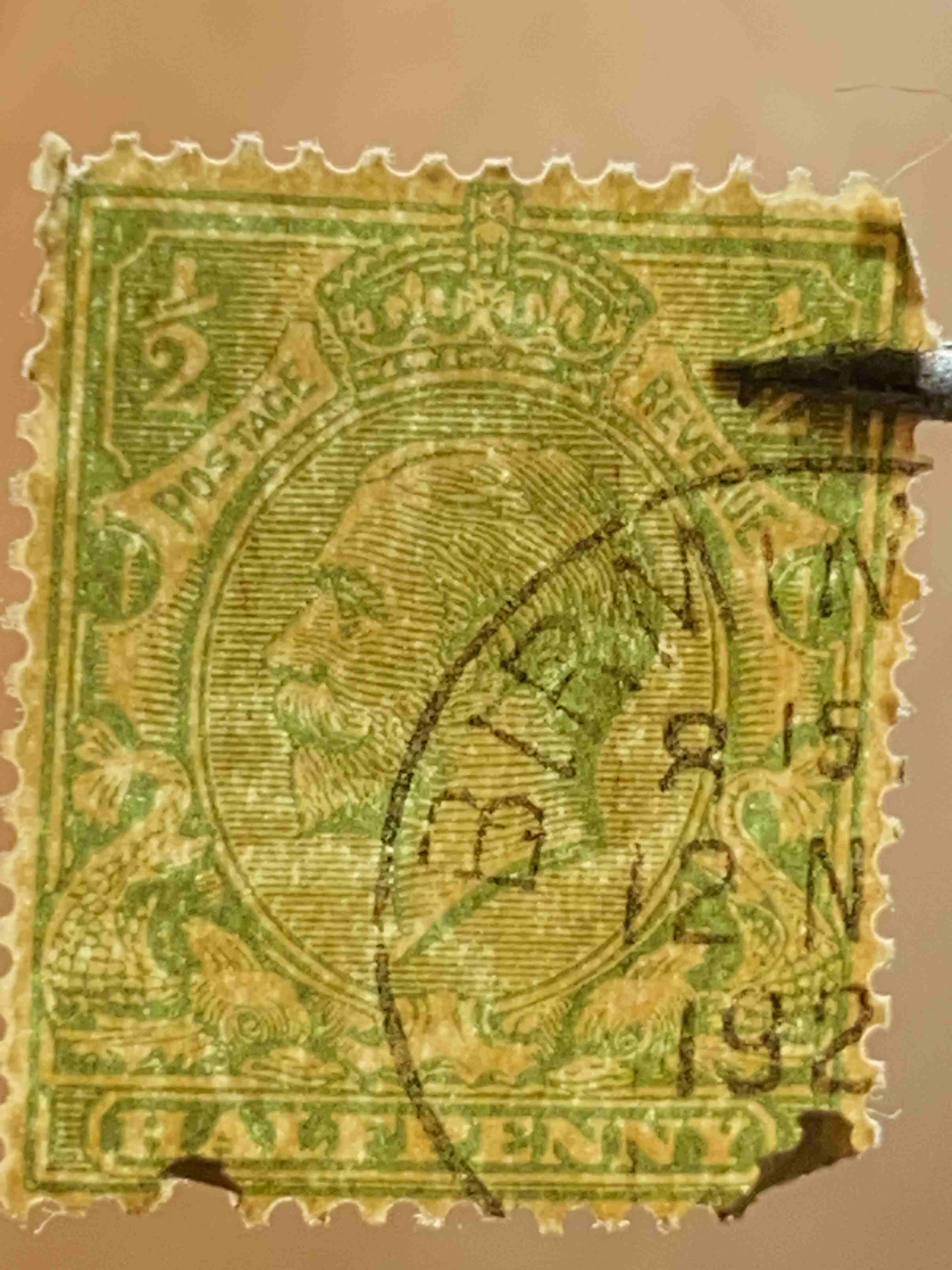
The three stamps in question are known as 'Downey Heads.' There are two: 1/2d (postcard) and 1d (letter rate).
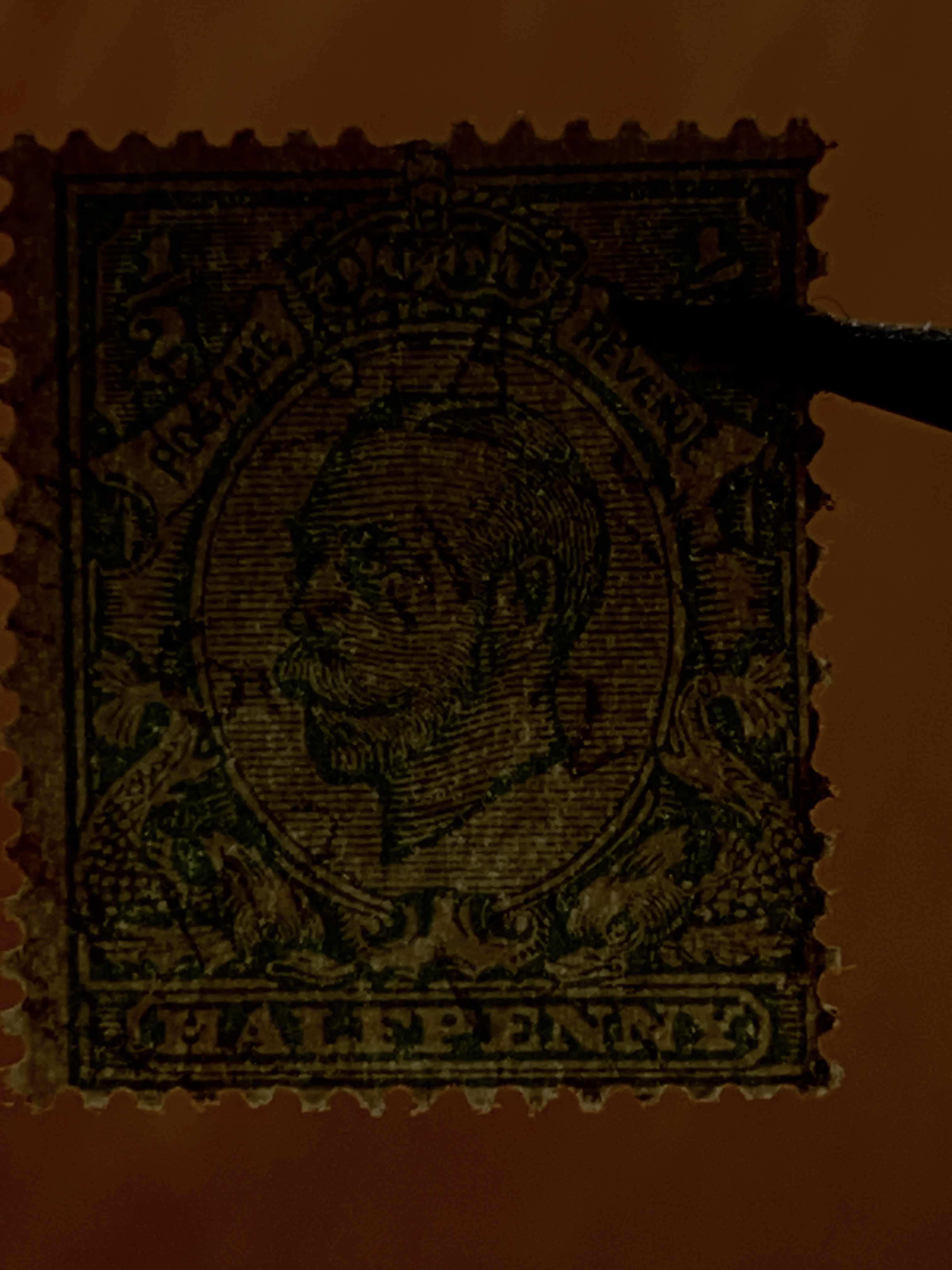
Two dies were used. For the 1/2d there are two subtypes. There are three watermarks.
The original 1/2d green with Imperial Crown Watermark has a catalogue price of ca. £ 10. The bluish green shade will be £ 400.
The second die stamp is £ 15 in green and £ 160 in bluish green, or £ 200 in myrtle-green.
The 1d scarlet stamp is £ 10. The 1d, die 2, with watermark Imperial Crown in scarlet-vermilion is £ 1,400.
Used are a fraction of these prices. When you can sell them, you get a fraction of that,
We get a lot of people on this site that watch a video or find a site that shows a very expensive stamp and think they have it, because it looks the same.
In almost all cases, they do not. Since the true colour is not visible in a Youtube video, any clown can show a scarlet stamp of die 1B with 'Royal Cypher' (£ 30) and pass it off as a scarlet-vermilion die 2 with 'Imperial Crown' watermark. Most people won't even notice the incorrect die identification.
Start out by identifying the die type and the watermark. Only then start thinking about 'shades.'





 Posted 11/03/2023 6:05 pm