| Author |
 Replies: 7 / Views: 609 Replies: 7 / Views: 609 |
|
|
Pillar Of The Community
United States
1170 Posts |
|
|
I see something close (LW66- LW67) to it but not sure. 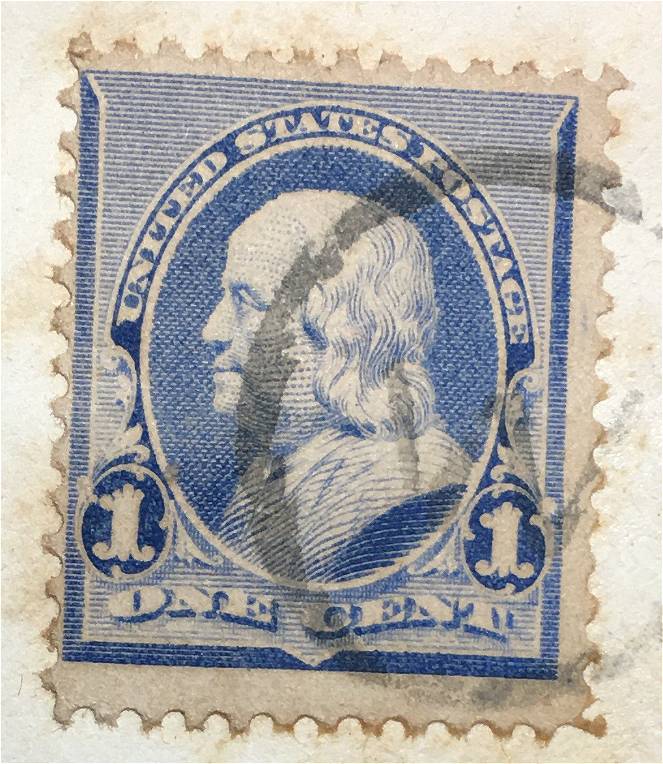 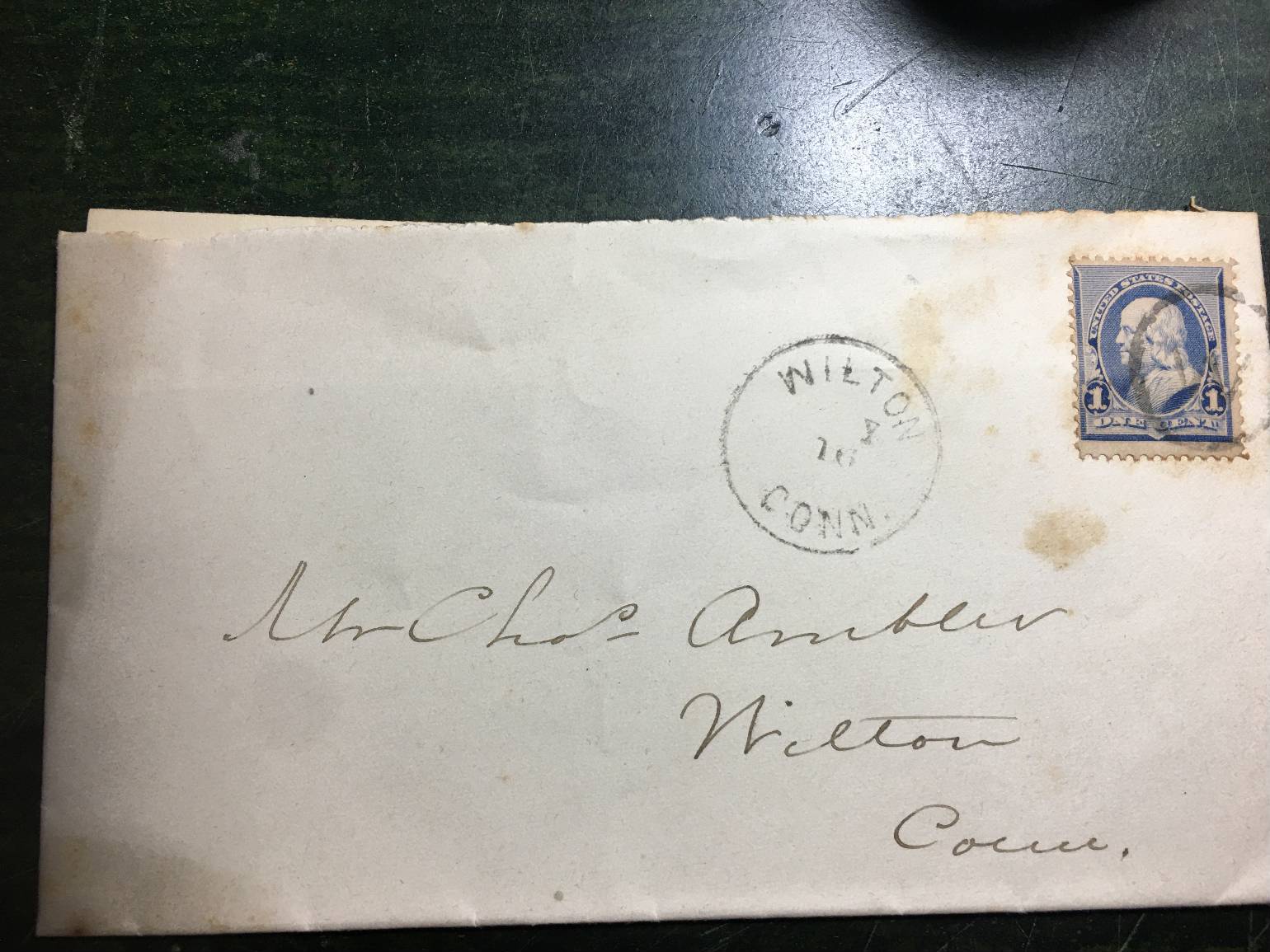 |
|
Send note to Staff
|
Michael Darabaris |
|
|
|
|
Pillar Of The Community

United States
1167 Posts |
|
|
Thank you for posting the entire cover in addition to the stamp. Wilton Connecticut is not listed in the index of Cole, so there is not a unique cancel attributed to that town. It would not likely be Lw-66 because that one is attributed to Watkins NY, for the 1873 issues, and the W looks bigger and bolder than your example.
I would agree with Lw-67, which is not attributed to any specific town, and is described as being seen on 1890 issues, which would match your #219 example. |
Send note to Staff 
|
|
|
Pillar Of The Community
United States
1170 Posts |
|
|
Thanks! tThats interesting. I 'm not a collector of cancels but I don't know how close these are to match up. I noticed my W is larger than the one in Lw-67, 8 mm tall while the example in the book is only 6 mm. And my W is spaced much lower in the circle than the example. Not sure if that plays a part in these. You said "match my #219 example". Where did that number come from? |
|
Send note to Staff
|
Michael Darabaris |
|
|
Pillar Of The Community
United States
716 Posts |
|
|
It appears this stamp is Scott Catalog number 219 issues Feb. 22, 1890. |
|
Send note to Staff
|
|
|
Pillar Of The Community
United States
1170 Posts |
|
|
Pillar Of The Community
United States
1167 Posts |
|
|
Many of the 19th century fancy cancels weren't in use for very long so when trying to look up cancels, it is a good sign when the issue date of the stamp is around the same time as the known usage period of a potential cancel. There are exceptions of course, it is just one data point.
The tracings in the books of cancellations were often done by hand, sometimes from just a single blurry example and the tracings aren't perfect. That might be the case here.
Or, your stamp could be from a different city and completely different cancel than the example in Cole and yours would be unlisted. There are plenty of those as well, especially with a cancel as fairly generic as a "W in circle".
Barring any additional evidence such as additional stamps or covers with similar cancels, in my opinion, your cancel is close enough to the tracing that I would have no problem calling it a Lw-67, especially because of the 1890 stamp. If the Lw-67 had a higher scarcity valuation or a specific city associated with it, or a different decade of usage, I would be reluctant to do so.
Since it is not an exact match, you could also call it a "Lw-67 style" cancellation to have a guaranteed accurate description. |
|
Send note to Staff
|
|
|
Pillar Of The Community
6366 Posts |
|
|
If the stamp were off cover with only the circled W killer known to you, I would be inclined to label it as "Similar to Cole #LW-67", but because it is on a full cover with the town mark clearly identifying its origin, there is little need to give it any literature reference. The cover speaks fully for itself as "Wilton, Conn CDS with circled W killer".
As for the tracings, depending on who made them and their skill level, some cancel impressions are filled-in or interpreted or improved, so most should be taken cautiously. I have noted that with the bulk of the railroad markings in the Mobile Post Office Society catalog, which all seem to have perfectly circular rims despite the often gradual denting and breaking, which can actually help differentiate between two similar devices or confirm their sameness. |
|
Send note to Staff
|
|
|
Pillar Of The Community
United States
1170 Posts |
|
| |
Replies: 7 / Views: 609 |
|




 Posted 12/01/2023 1:14 pm


