| Author |
 Replies: 19 / Views: 1,697 Replies: 19 / Views: 1,697 |
|
Valued Member
Australia
7 Posts |
|
|
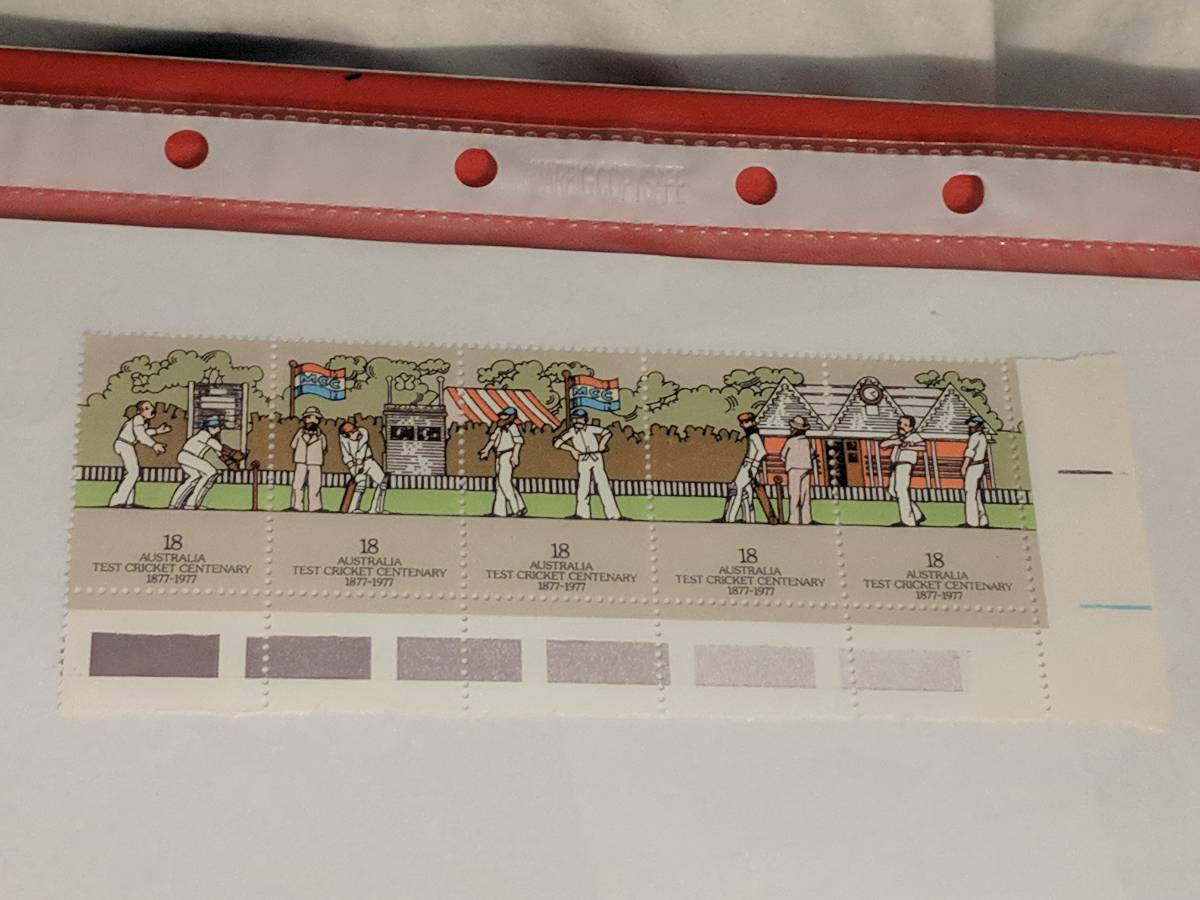
Would someone please take a peek at these two errors I found and advise if these types of errors might be sought after by collectors? Thankyou so much x The top right anteater has a bit if an extra paint blob & The Plate number on the block of old guy stamps has been overwritten 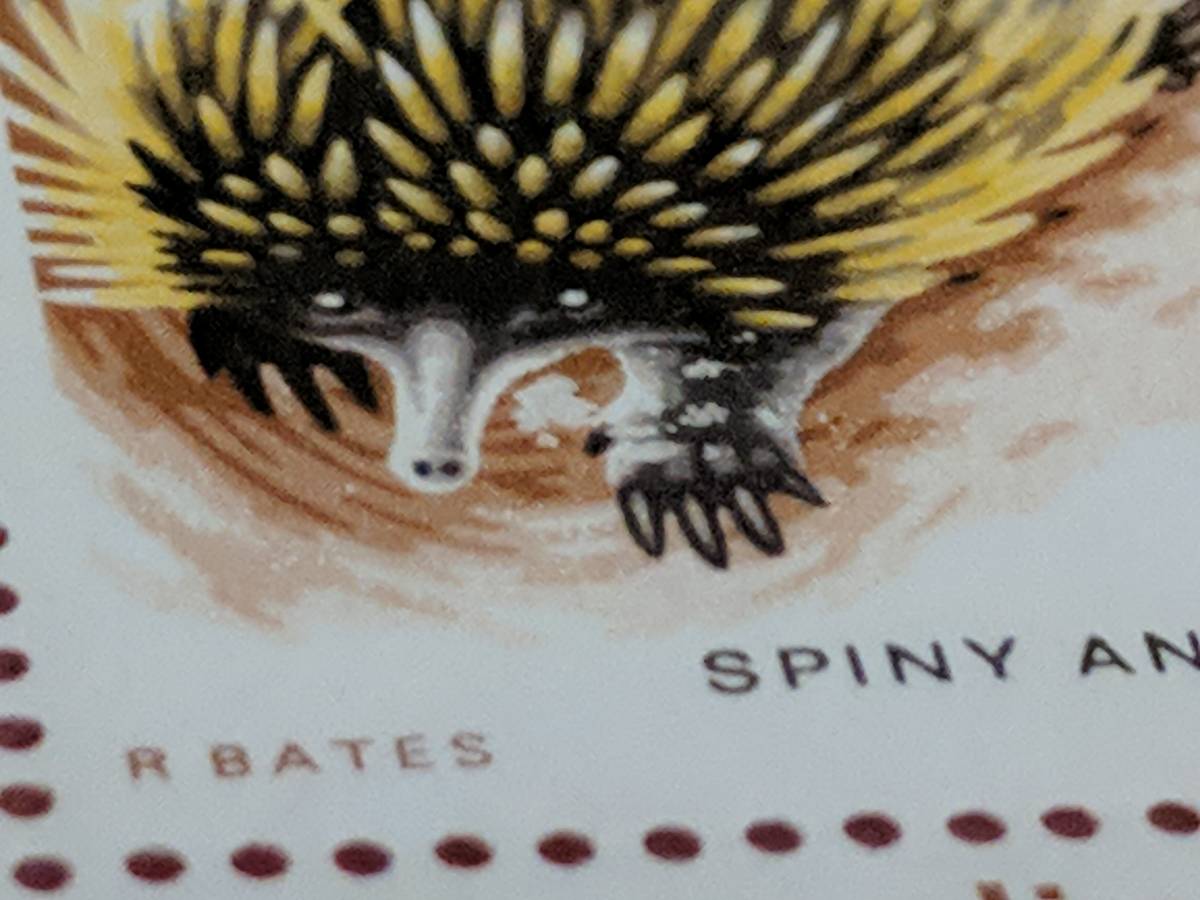 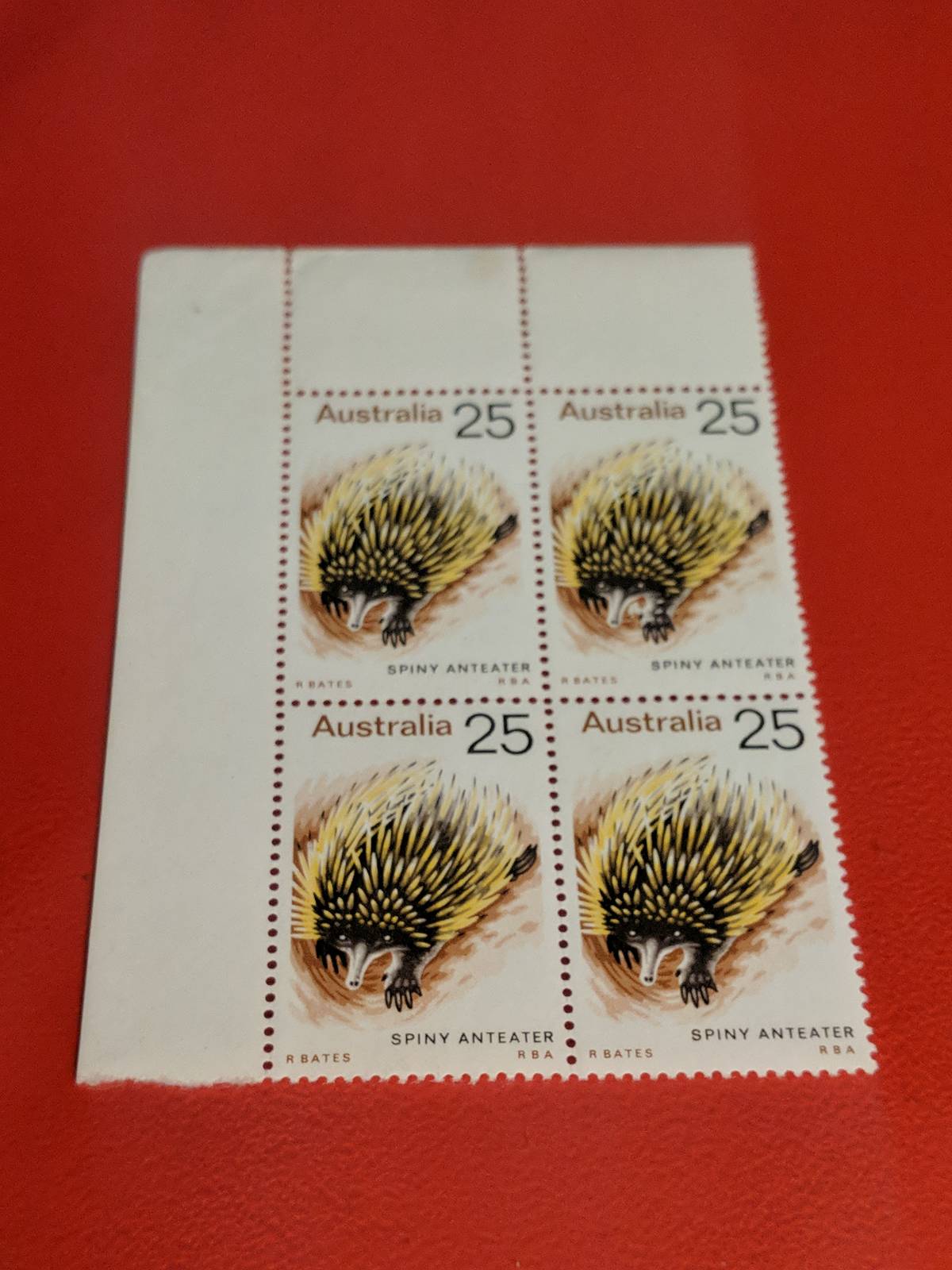 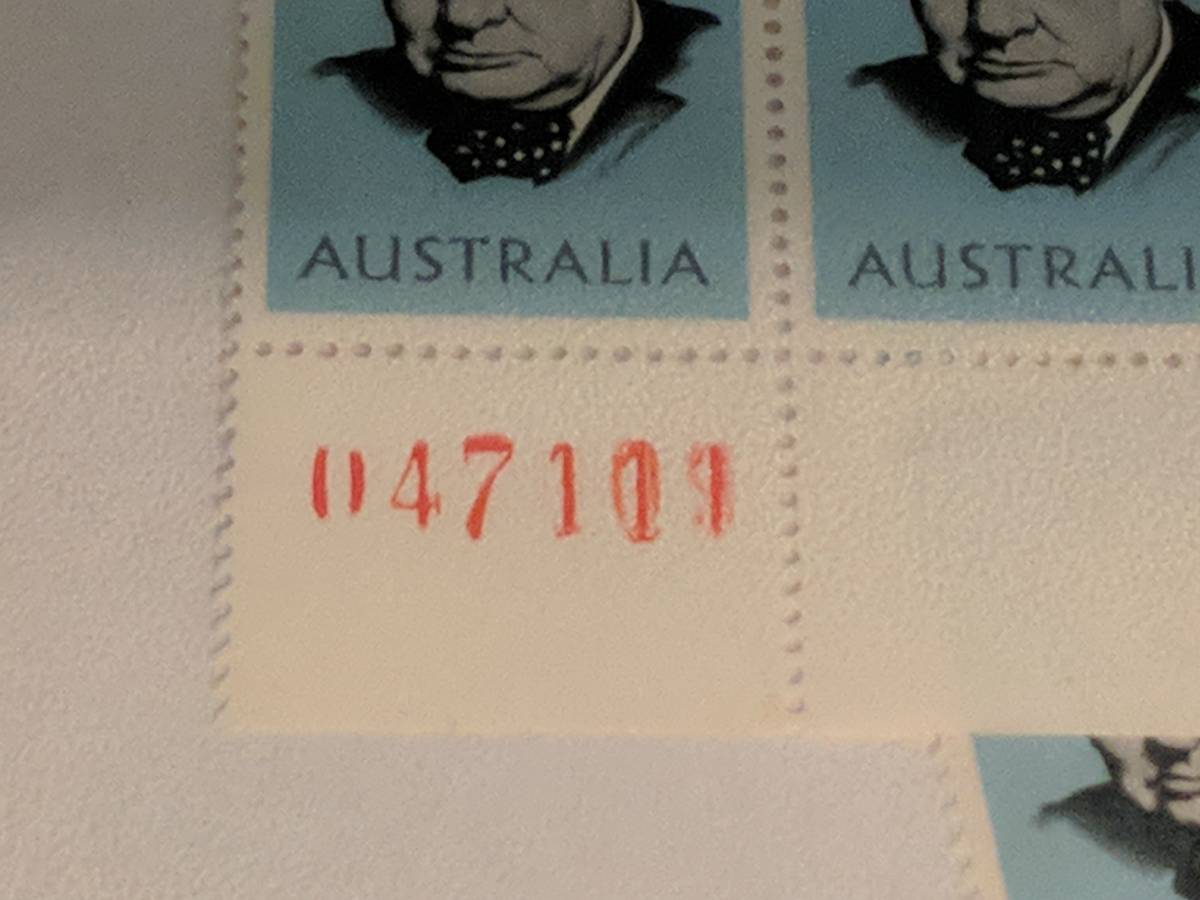 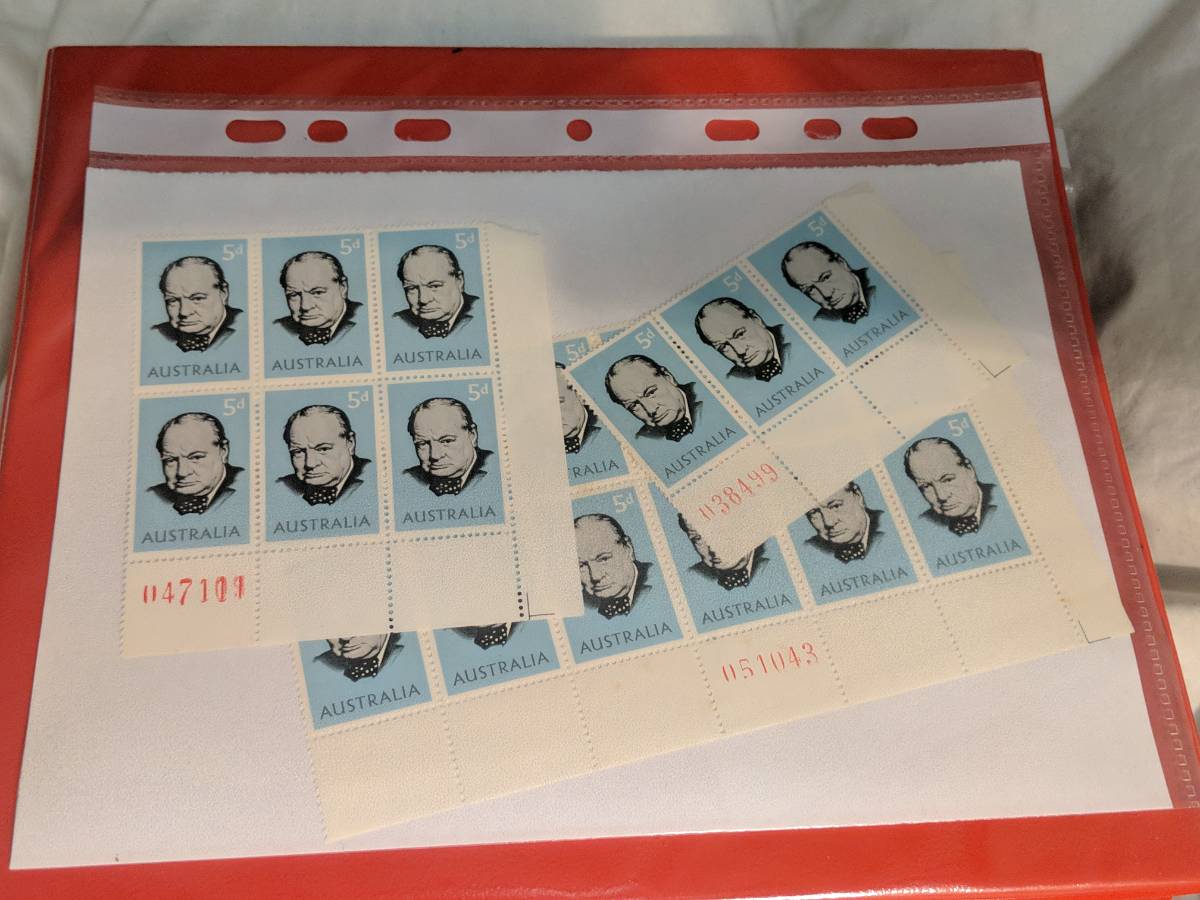 |
|
Send note to Staff
|
| Edited by rAdelaide - 12/28/2023 9:09 pm |
|
|
|
|
Pillar Of The Community
Australia
4034 Posts |
|
|
Be interesting to see what others think.
Looks to me like surface of the stamp was stuck to something and removed taking some of the stamps face with it. |
Send note to Staff 
|
|
|
Pillar Of The Community
Australia
4034 Posts |
|
|
Valued Member
Australia
7 Posts |
|
|
Hi there & Thankyou It's actually more ink on top of the stamp (apologies if you meant 'taken from the face' of another stamp) Maybe these shots do it a bit more justice 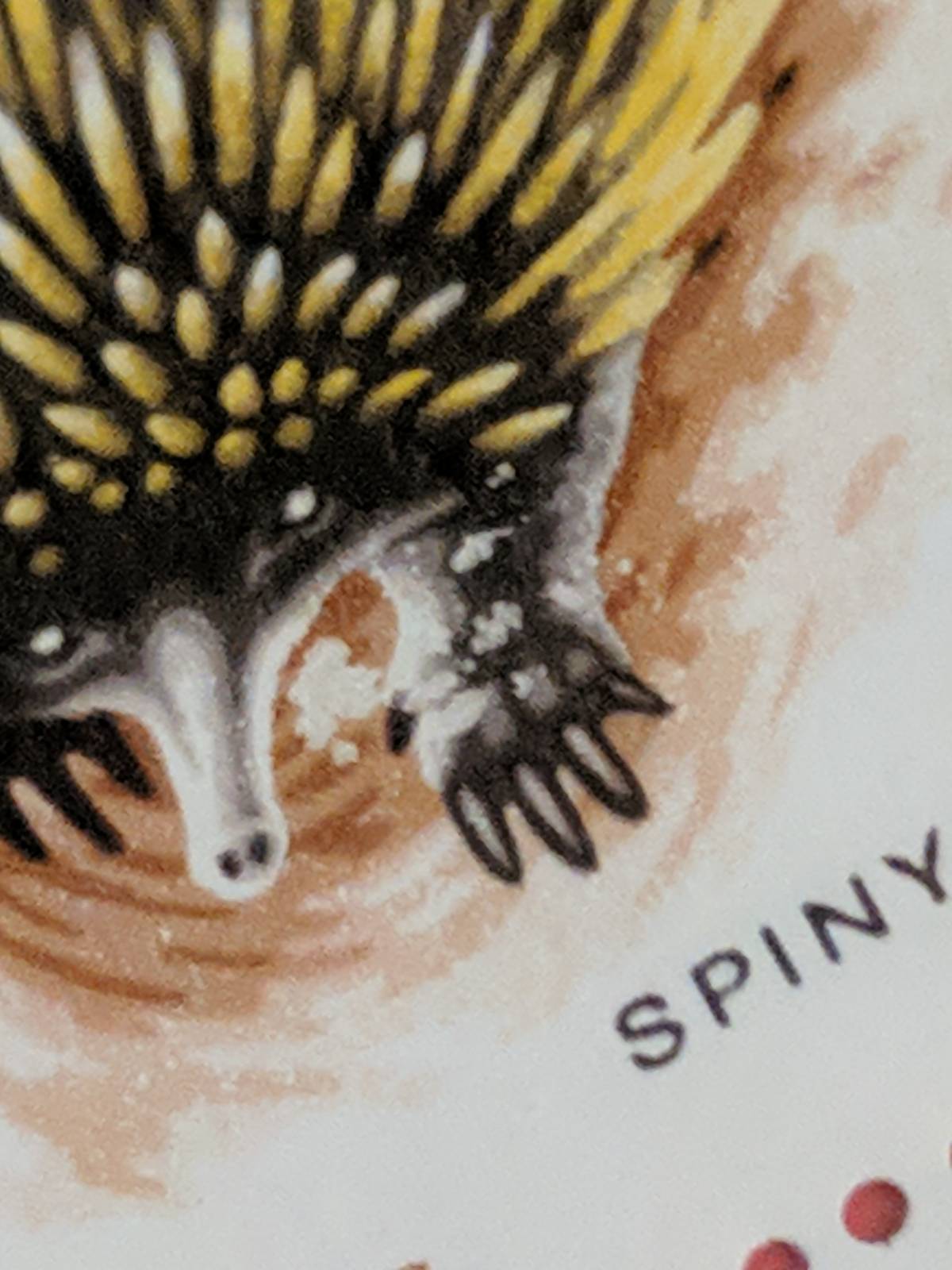  |
|
Send note to Staff
|
| Edited by rAdelaide - 12/28/2023 9:15 pm |
|
|
Pillar Of The Community
United Kingdom
8636 Posts |
|
|
Valued Member
Australia
7 Posts |
|
|
Pillar Of The Community
Netherlands
6647 Posts |
|
|
Since white, rarely, is a colour used to print stamps, it is unlikely to be an ink blob. It is the coloured ink that is absent. One reason might be that foreign matter on the cylinder (plate if litho-printed) or paper prevented the transfer of the ink. Another reason would be a defective colour cylinder (plate if litho-printed) - the odds of that occurring on more than one ink cylinder (plate if litho-printed) is very small -. The third is that given by KGV Collector - it could, however, be paper adherence. There is no reason to colour white paper white. An extra colour requires an extra cylinder and extra ink. That costs money and eats into the margin of the Post Office. Edit: This stamp was printed in photogravure.Quote:
It's actually more ink on top of the stamp (apologies if you meant 'taken from the face' of another stamp)
Unfortunately, unless someone painted the ceiling when this stamp was lying around, that is not more ink on top. As you can see at least two times two colours surrounding the white areas, the white area, only, can be explained by each pair of colour cylinders (plates if litho-printed) that printed those areas being defective in those exact same spots. That leaves the explanation given by KGV Collector: damage due to paper having got stuck to the surface. The paper, still, could be there. It, however, has the look of paper having been stuck on the surface and removed, ripping of the top layer that carried the ink. |
|
Send note to Staff
|
| Edited by NSK - 12/29/2023 02:43 am |
|
|
Pillar Of The Community
Netherlands
6647 Posts |
|
|
By the way, welcome to the forum. Quote:
The Plate number on the block of old guy stamps has been overwritten
The Churchill stamp too was printed in photogravure. The correct terminology would be cylinder number, not plate number. The cylinder number would have been engraved into each colour cylinder and printed in the corresponding colour. I shall leave it to the Australia collectors to name it correctly, but I would expect this to be a sheet number. It looks like the counter slipped or got stuck. Edit: to avoid confusion. It, certainly, is not a plate number (or cylinder number as this is a photogravure stamp). The number will be unique to the sheet, i.e., a sheet number or control number (as suggested in the next post), or whatever they are called in Australia. |
|
Send note to Staff
|
| Edited by NSK - 12/29/2023 07:29 am |
|
|
Pillar Of The Community
Canada
879 Posts |
|
|
I was under the impression that these were a Control number, essentially for counting the number of sheets printed.
|
|
Send note to Staff
|
|
|
Pillar Of The Community
Australia
1692 Posts |
|
|
Valued Member
Australia
7 Posts |
|
|
Ok. Thanks heaps for the information guys. Sorry for calling it a plate, I'm still wrapping my head around the topic.
Would either of these errors be of much value? I have a whole folder full of blocks of stamps that are either those control number ones , or the ones with the name of the printer on them (imprint block?) |
|
Send note to Staff
|
| Edited by rAdelaide - 01/02/2024 06:15 am |
|
|
Valued Member
Australia
7 Posts |
|
|
Pillar Of The Community
Netherlands
6647 Posts |
|
|
Quote:
Sorry for calling it a plate, I'm still wrapping my head around the topic. Don't worry. We all had to learn these things. Quote:
Would either of these errors be of much value? The missing colour is not an error. It appears damage. The traces of colour in parts of the 'white' areas are another indication the top layer has been damaged. However, assuming it is not, what remains is (a lot of) foreign matter on the paper during printing. It would add some value, but not a lot. The double control number is interesting. Again, it would be a minor variety. It is unlikely to add a lot of money. Some money, certainly. It is a nice variety. Control numbers or colour control markings do not add much value to modern stamps. They are common. |
|
Send note to Staff
|
| Edited by NSK - 01/02/2024 06:47 am |
|
|
Pillar Of The Community
Netherlands
6647 Posts |
|
|
Plates were used for photogravure printing when the process was in its infancy. Plate and cylinder numbers are of interest to specialist collectors. Below stamp shows the plate number (111) in the scrolling at each side of the design. Collecting a set of stamps from each plate is popular. 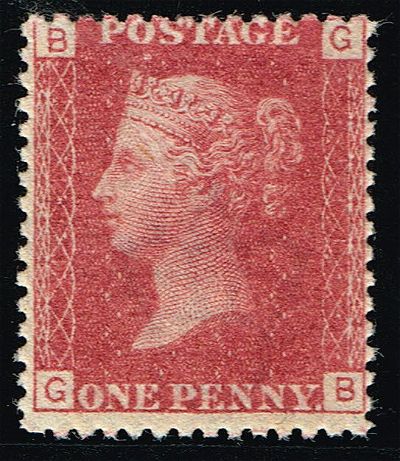 The term 'control' or 'control number' can result in confusion. Where this is a counter like in your example, it is impossible for any collector to collect them all. So, there would be little interest, unless something special occurs. Controls in British philately were used for accounting purposes and a control was used for a period of time. Because many sheets carried the same control number, and the number of controls used is (relatively small), specialist collectors are interested. Some are relatively rare and command quite a premium. Below are control numbers used for printing British stamps. The number identifies the year of printing, the letter the accounting, or control period. In this case, it cantell you which of two printers printed the stamps.  Cylinder numbers: 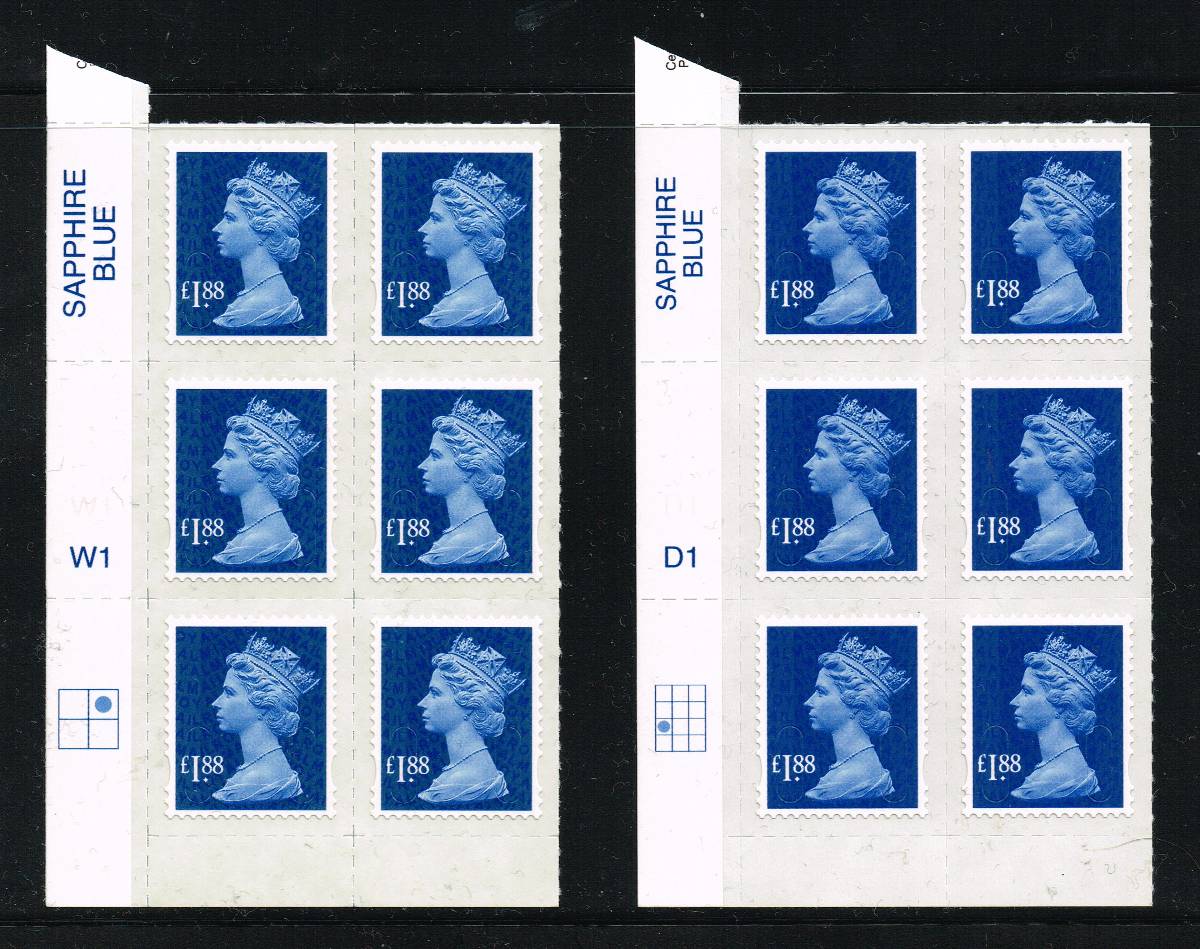 (You can also find cylinder and control numbers). |
|
Send note to Staff
|
| Edited by NSK - 01/02/2024 07:16 am |
|
|
Valued Member
Australia
7 Posts |
|
|
Thanks for the info guys.
I watched one of those "how things are made" type docos last night and have to say, I'd never even begun to fathom the effort that goes into the printing of stamps. I guess they are pretty easily taken for granted as just 'being around when you needed one'..
The magic behind the whole process really is quite interesting.
I'm going to keep at it anyway. I've been through just one of the dozen or so folders that I've come to possess.
Next is another lot of stamps blocks. At a quick flick through, they all seem to be pre decimal ones.
If it's ok, I might just add the odd picture of ones I think might be a bit more collectable, and simply be the sponge for any more advice that may come my way ^^
|
|
Send note to Staff
|
|
|
Valued Member
Australia
7 Posts |
|
|
With imprint blocks .. (assuming I'm correct that this is the name of the place that produces the sheets? fingers crossed haha) .. are there any rare and wonderful names in particular that I should be on the lookout for? Or would this be another case where there is little added collector appeal for the near impossibility of collecting them all?
|
|
Send note to Staff
|
|
|
Replies: 19 / Views: 1,697 |
|




 Posted 12/28/2023 6:51 pm