Hi, and thank you for posting the question. Hopefully I can help with this...
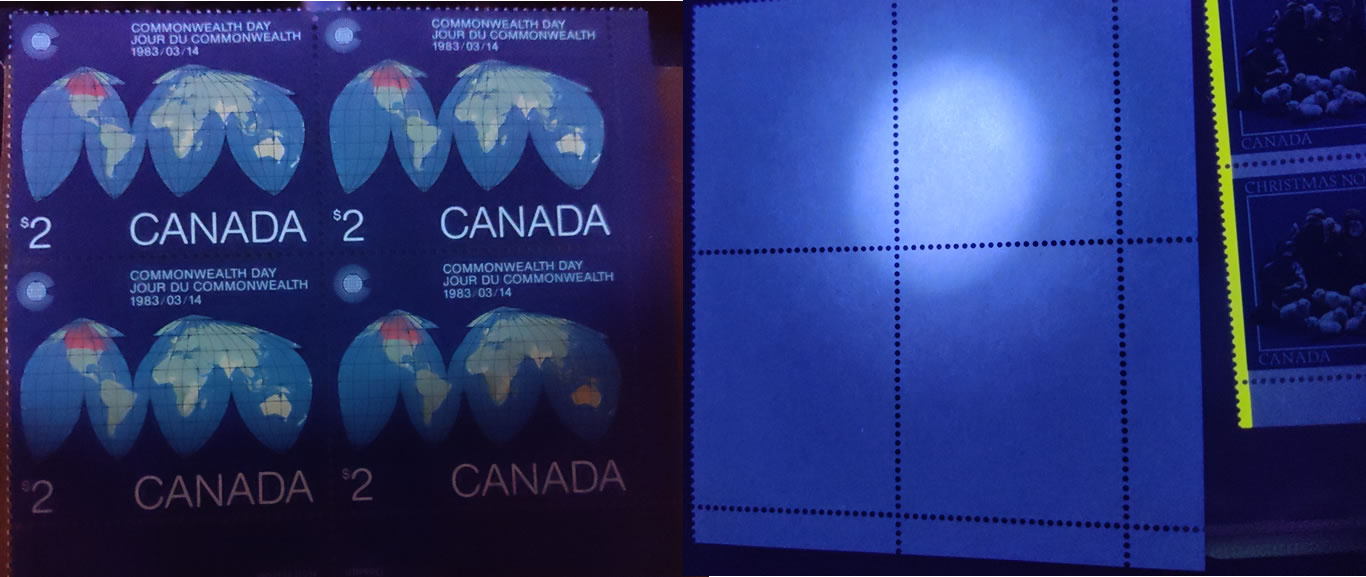
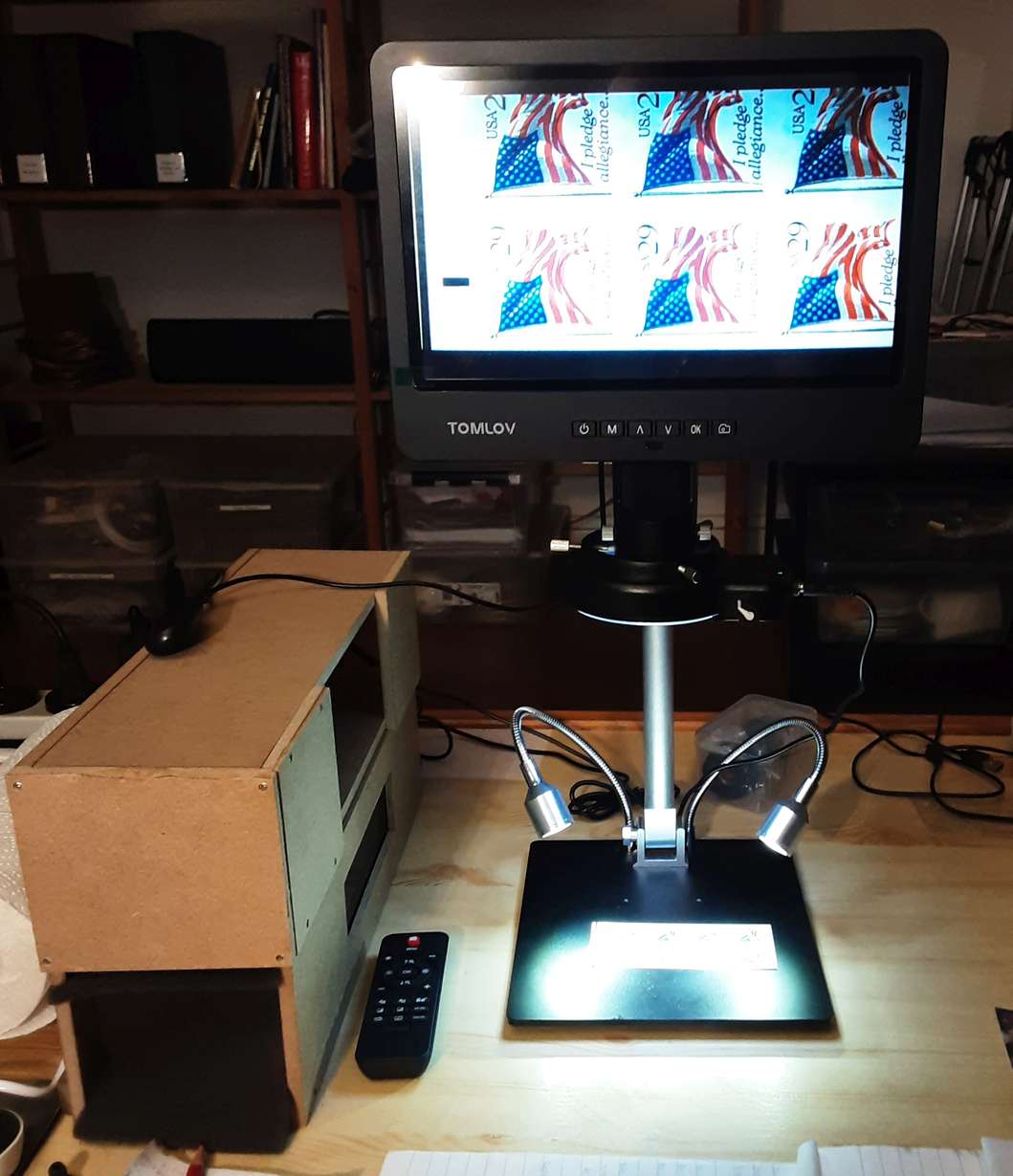
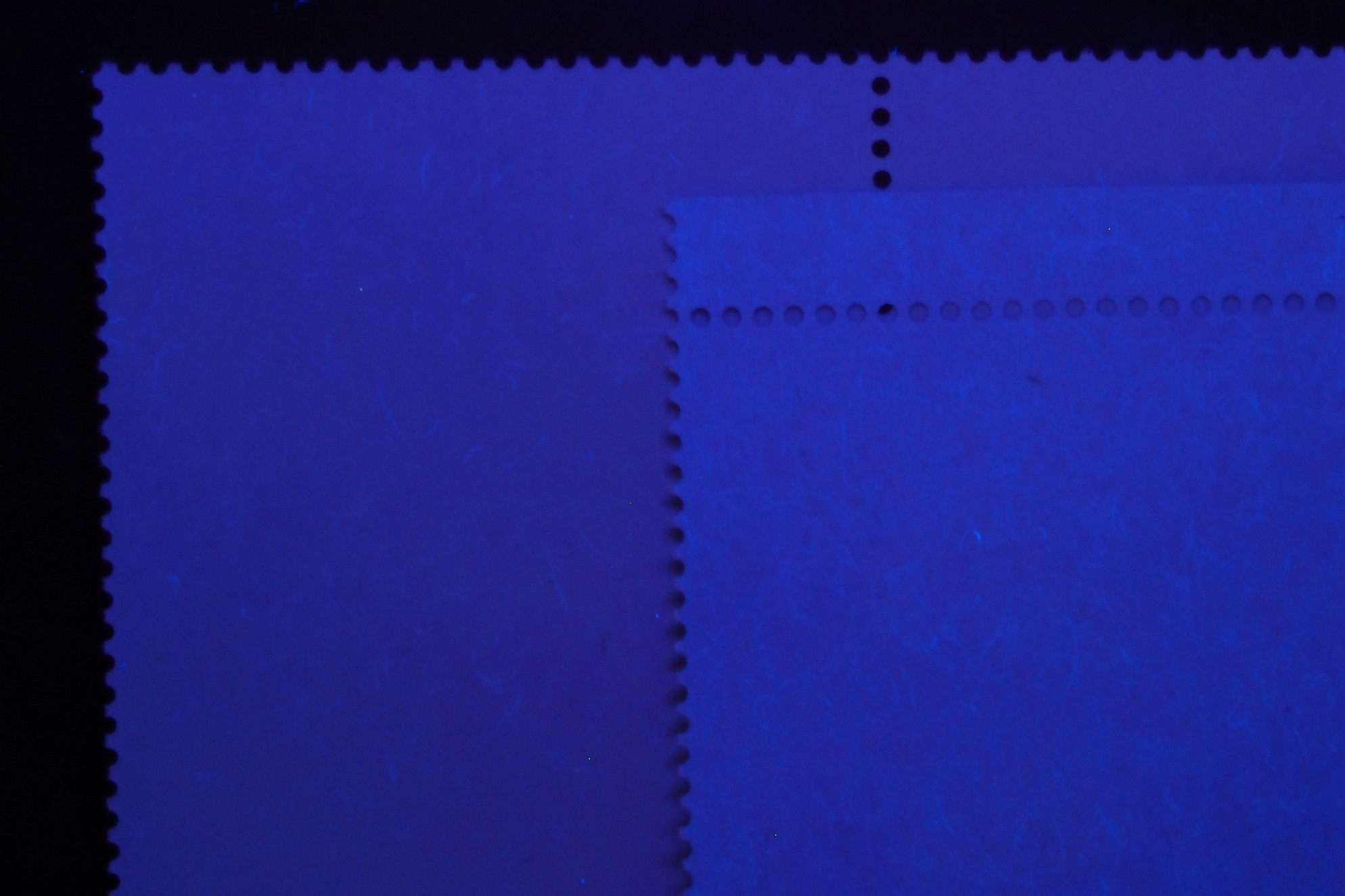
I have attached a picture of the two different stamps - the partial left one is the NF version, while the partial right one is the dull version (the original picture size was 5.5MB, but this website doesn't allow large sizes to be uploaded, so hopefully you will still be able to see the paper differences...). I normally use a longwave UV Raytech LS-4 lamp for fluorescence (brightness) work on Canadian stamps as it provides the best differentiation of the paper brightness as well as that of the paper matrix (120V power). I have found that most of the small, battery-powered lamps are not able to distinguish well between the papers. The only exception is one that I bought a number of years ago from Unitrade Associates in Toronto, Ontario, which does a reasonable job (more recent purchases fail on this requirement). The problem stems from the wavelengths actually used by the various lamps, which are apparently not the same and thus reflect the paper brightness differently (they seem to have a different range of sensitivity to the stamp papers).
The NF version shows only a very few, brighter, fibers in the paper matrix, while the dull one has many more, though they are shorter in length. Overall, the papers fall into the NF and Dull (or DF) categories.
All that said, if the direct approach to determining paper fluorescence doesn't work, then try the 'relative' approach. The Unitrade Catalogue of Specialized Canadian Stamps includes a reference table as part of the Introduction section for determining fluorescence based on the different suppliers of the paper over the years (as best as can be determined). Please note that the original (oldest) listings of paper fluorescence in the catalogue DO NOT agree with the more modern ratings, and have been left in the catalogue as historical types (the overall scale of NF to HB from the early 1960s does not match the current one) . For this $2.00 stamp, the current edition of the catalogue doesn't provide good examples to go by (we need to be sure that only one fluorescence level exists for the particular stamp - in the past there have been many more listed, but over the years multiple brightness versions have surfaced so the listings have had to be deleted).
So let's just find a suitable NF stamp in the catalogue to see if the copy you have fits the same brightness level. A good example for this is Unitrade / Scott #864, when viewed from the gummed side. #977 NF and this stamp appear to be identical from the back (using both lamps I mentioned earlier). So if your copy of #977 looks brighter, then it has to be the more common, dull, version. The reason why #864 is a safe example to use, is that it has only been found with the NF paper fluorescence level.
I hope this helps - it is not simple to do this on certain Canadian stamps!
M. Zatka





 Posted 01/04/2024 11:27 am