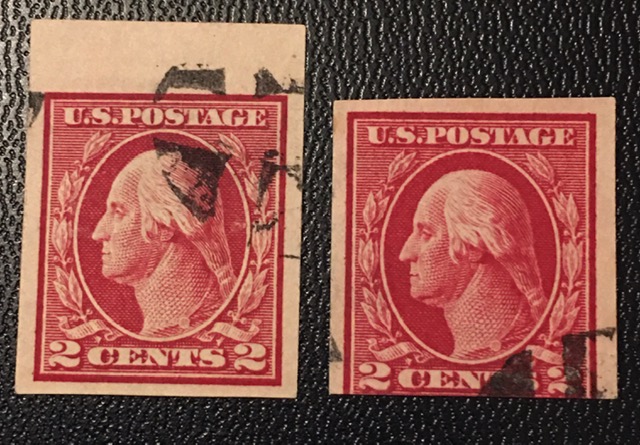
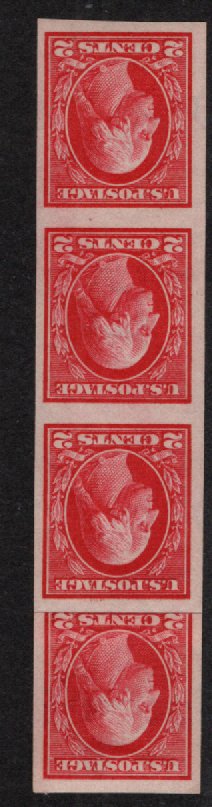
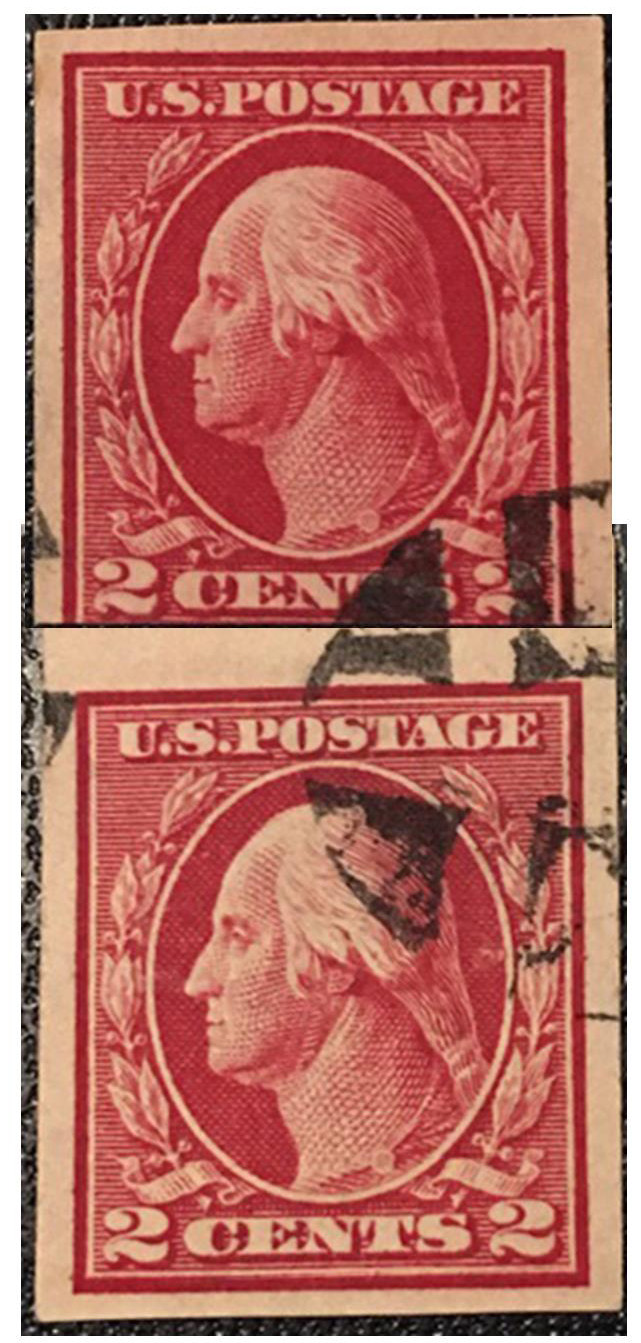
I would like to show you the analysis I have done of this stamp, it is a 2 Washington cents probably from 1920 without perforations, which I think may be the very rare model SC 482A. It has many things in favor, but also some against, I would need your help to assess whether it is worth certifying it or not. Firstly, for the analysis I have used the websites
https://stampsmarter.org/1847usa/wa...ankmain.html (which was provided to me by the user 51studebaker..very grateful for it) and
https://www.theswedishtiger.com/482-scotts.html. Also several Washington 2 cent stamps that I have to make a good comparison between them.
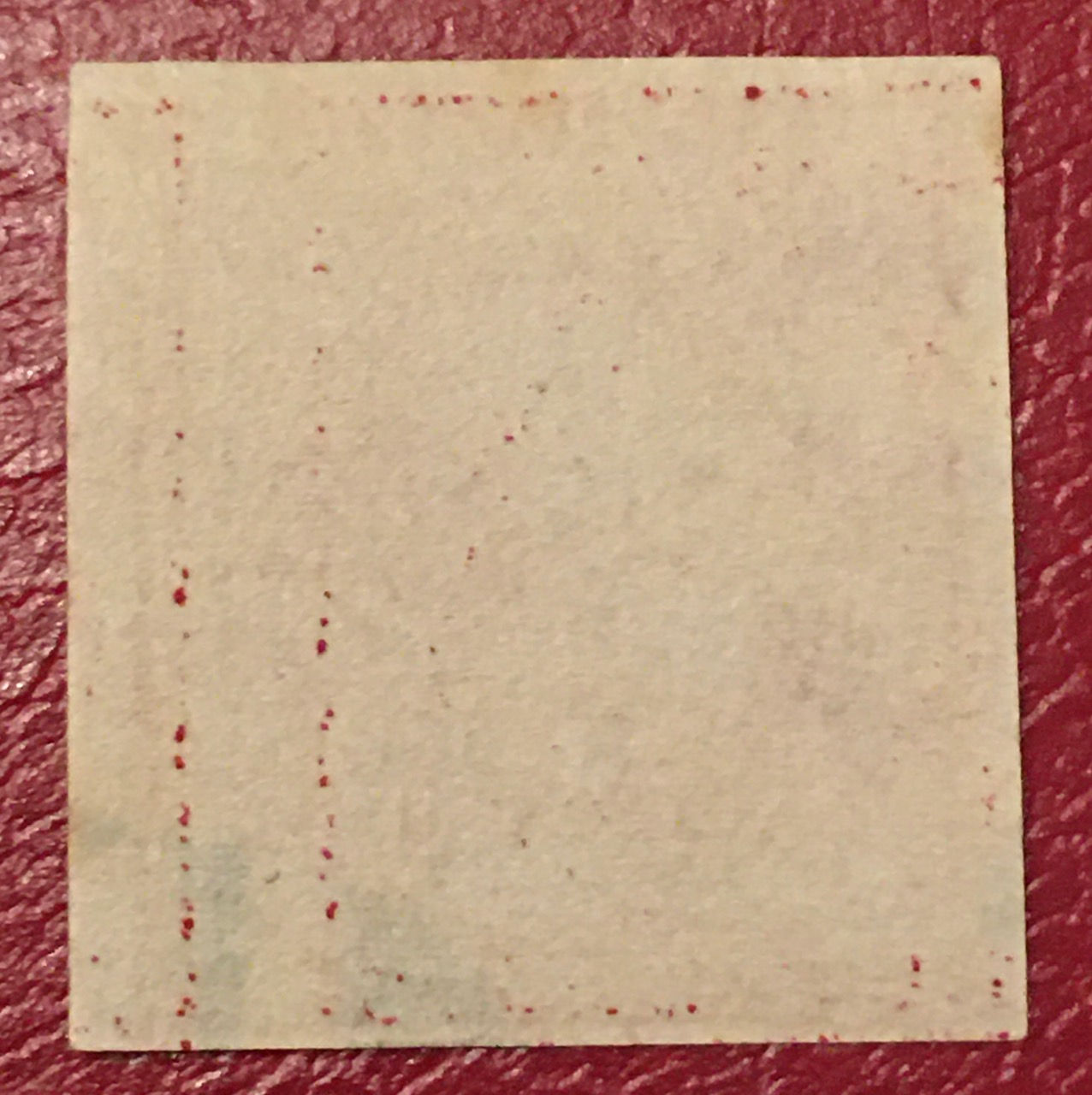
The first thing was to know if the stamp is printed on a flat plate, roller or offset, and as can be seen on the pictures, the ink stains would indicate that the stamp is on a plate or roller, all offset models are discarded. As I do not yet have a template to discard between roller and flat plate (although because of the significant Flat Plate setoff, I think flat plate) I would have the models: 409 (watermark), 482 and 482A (without watermark), and 459(rotating).
The stamp does not have a watermark, at least I have not been able to see it (I will need a professional machine for this) so type 409 is ruled out.
At this point, the visual analysis of the determining details of each of the models:
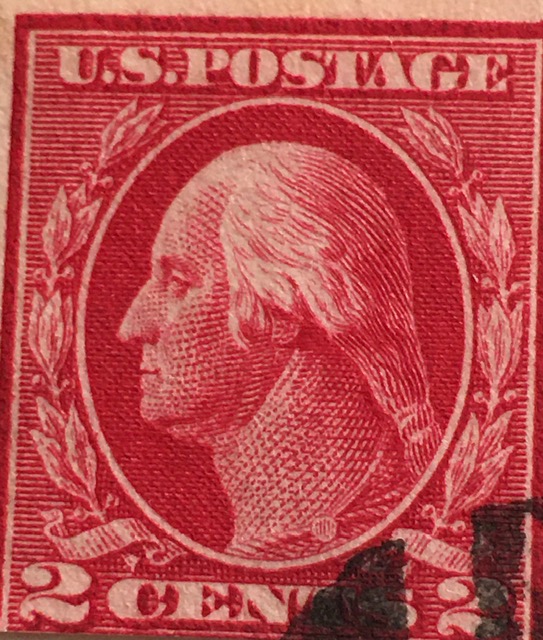
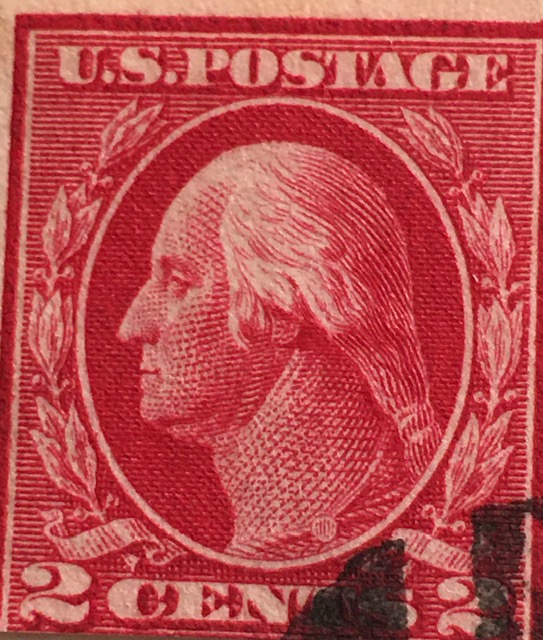
-The rope of the toga is well defined in models 482A and 459, and blurred in 482. As can be seen from the photograph, the rope is well defined in this stamp. I have been able to see this point clearly comparing with my 482 stamp. This point would already rule out model 482.
-The line under the ear, in 482 the line is very white and noticeable, in 482A the line is much less noticeable but visible, and practically imperceptible in 459. I have been able to verify this with my 482 stamp, but I do not have a 459, to compare to what extent it becomes invisible. This point also rules out 482.
-The joined lines of the pin, in 482 they are not clearly united, in 482a they are diffusely united and never more than 4, in 459 they are strongly united and more than 4. I have been able to verify this in the comparison with my 482. This point rules out the 482 and 459, since this stamp has the lines slightly joined together, it is noticeable when comparing it with the 482.
-Hair locks, it is difficult to explain, but two lines of the lock reach the same height in the models 482 and 482A, while in the 459 they end up clearly on par. This is an important point that rules out the model 459 on this stamp.
-The line of the mouth. It is very thin in the 482 model, thick in the 482A and crooked in the 559. I have been able to verify the thicker line in this stamp in the comparison with my 482, this rules out both the 482 and the 459.
These are, in my opinion, some of the most notable characteristics.
Conclusions: The stamp is probably flat plate since, in addition to ink stains bleed through on the back, it does not match the characteristics of a rotary 459 model. A priori without a watermark, so it rules out model 409. The line of the toga and the stain on the ear and the hair on the sideburn rule out model 482. Although all this indicates that it could be a 482A, needs a conclusive analysis of the watermark. Also is disconcerting that the stamp has no perforations and has a cut so horrible that it mutilated part of the vignette, size 22x22mm.
The origin of the label dates back to the 1980s, at that time, no one had catalogs or a professional had them, but ordinary people just exchanged them as trading cards, no one valued them if they were very valuable, especially stamps like these Washington of which you could have many repeats (I have 7, I always thought they were the same and now I know that they are different models, 482, 411, and a couple of them that I still have to investigate)...The stamp has been in my collection since then as a result of an exchange, a gift or from my family's correspondence...At that time many people gave me lots of letters from their correspondence...
Obviously I am not a professional, I have returned to my abandoned collection since the 80s, which consisted of putting all the stamps I found in an album, without classifying them or anything... Now I am having a lot of fun doing it and getting great and pleasant surprises ...and delighted to have the stamps well organized and classified!! By this I mean that it is a novice analysis done out of hope, I know that it will be very difficult for it to be a 482A, but point out ways...I would like to know your opinions.






 Posted 01/08/2024 6:07 pm